For decades, concrete has been the undisputed king of Australian infrastructure. It’s heavy, it’s solid, and it’s everywhere. But as we move into 2026, the cracks are starting to show: and I don’t just mean the ones in the pavement.
The construction industry is facing a massive wake-up call. Between soaring carbon costs, the collapse of traditional recycling schemes, and aggressive new government targets for sustainable construction materials in Australia, the "way we’ve always done it" is no longer an option.
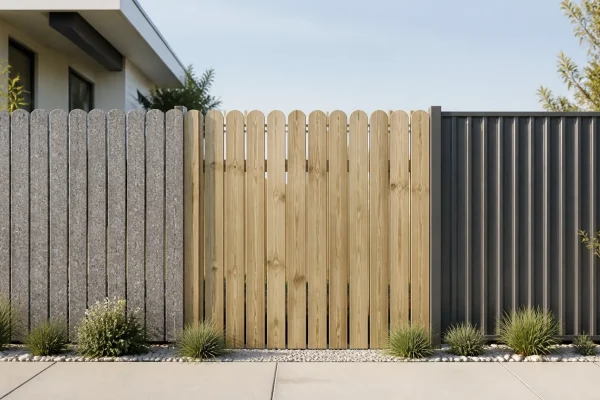
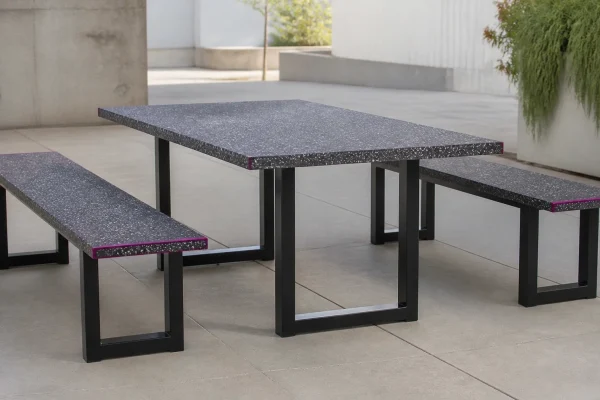
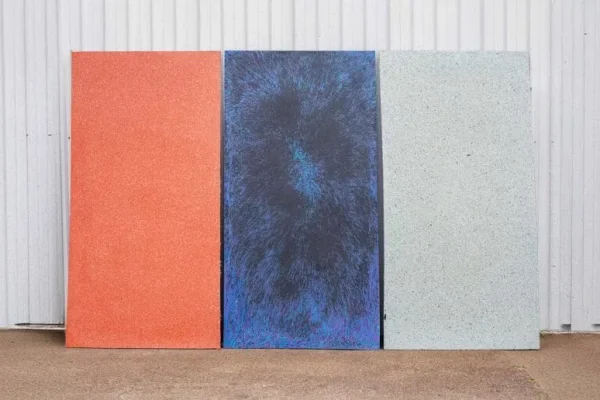
At Resourceful Living, we’re seeing a massive shift. Engineers, architects, and local councils are moving away from carbon-heavy concrete and rotting timber in favour of recycled plastic panels. These aren't just "eco-friendly" alternatives; they are high-performance structural materials that are outlasting traditional options in the harsh Australian climate.
The Problem with the "Concrete Standard"
Concrete has a massive hidden cost. It is one of the most carbon-intensive materials on the planet. For every tonne of cement produced, roughly one tonne of CO2 is released into the atmosphere. When you’re building boardwalks, retaining walls, or acoustic barriers, that carbon footprint adds up fast.
Beyond the environmental impact, concrete has practical limitations:
- Weight: Transporting and installing heavy pre-cast concrete requires massive machinery and high fuel consumption.
- Brittleness: Concrete cracks under soil movement or thermal expansion.
- End-of-life: Once a concrete structure reaches the end of its life, it often ends up as landfill or low-grade road base.
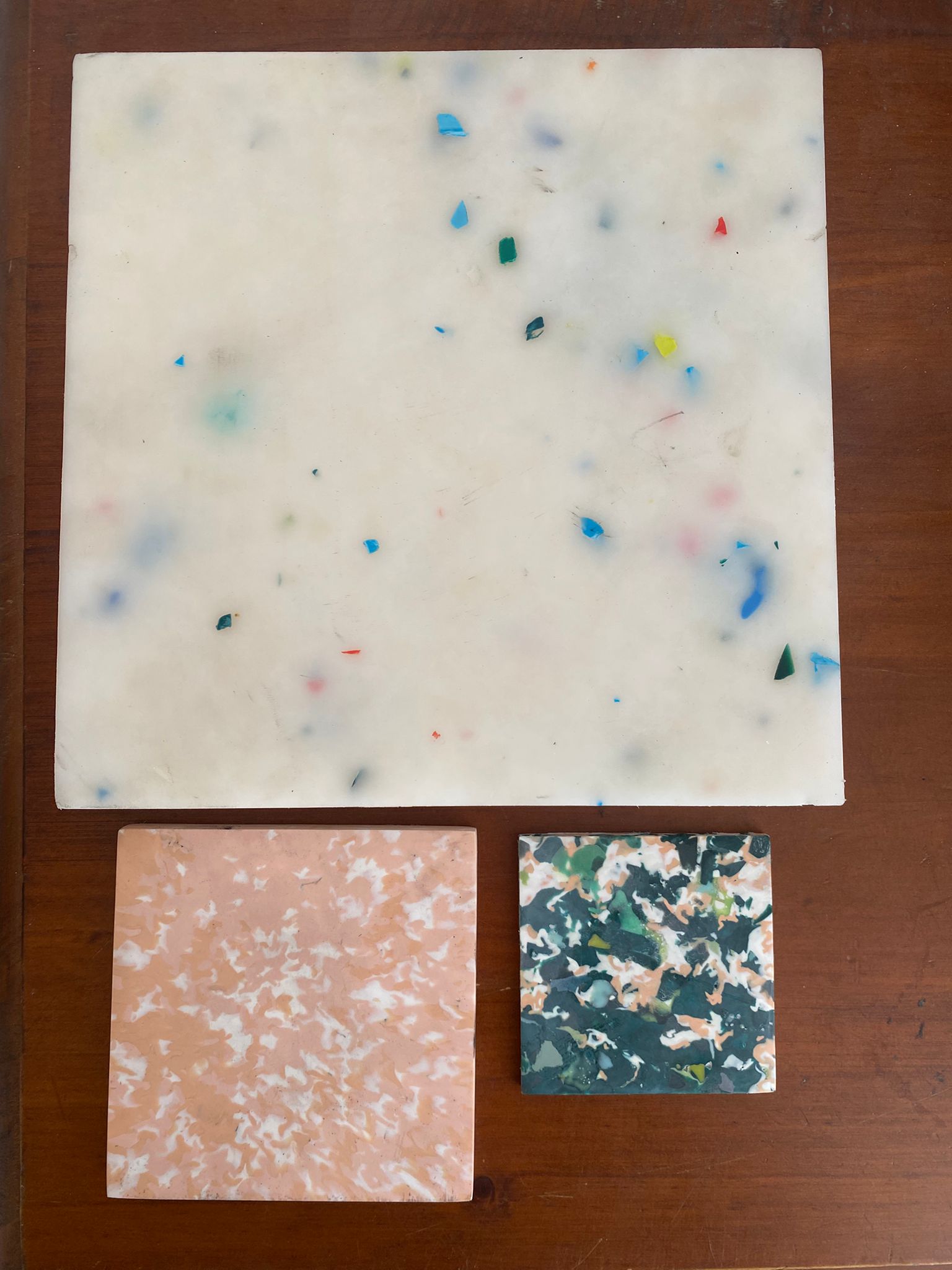
By contrast, recycled plastic panels offer a lightweight, durable, and 100% circular alternative. We are finally seeing Australian infrastructure projects treat plastic waste not as a problem to be hidden, but as a resource to be utilised.

Why Recycled Plastic is Winning the Durability Race
When we talk about sustainable construction materials in Australia, durability is the first question everyone asks. Our climate is brutal. We have extreme UV levels, high humidity, and in many areas, high salt salinity.
Recycled plastic panels made from High-Density Polyethylene (HDPE) or Polypropylene (PP) are naturally suited for these conditions. Unlike timber, they don’t rot, splinter, or require annual staining. Unlike steel, they don’t rust. And unlike concrete, they don't leach chemicals into the surrounding soil.
Key Performance Benefits:
- ✅ UV Stability: High-quality regrind and panels are processed with UV stabilisers to ensure they don’t become brittle under the Aussie sun.
- ✅ Moisture Resistance: These panels are 100% waterproof, making them ideal for marine environments, wetlands, and flood-prone areas.
- ✅ Impact Strength: Recycled plastic has a level of "flex" that concrete lacks. It can absorb impacts from debris or vandalism without shattering.
- ✅ Chemical Resistance: Resistant to most acids and oils, which is critical for industrial infrastructure.
If you’re wondering how these materials stack up over a 20-year lifecycle, check out our deep dive on recycled plastic vs timber vs steel.
Solving the Australian Waste Crisis
The collapse of soft plastic recycling schemes in recent years left a gap in the market. At Resourceful Living, we believe the solution is on-shore manufacturing. We don't ship our waste overseas; we process it right here in Australia.
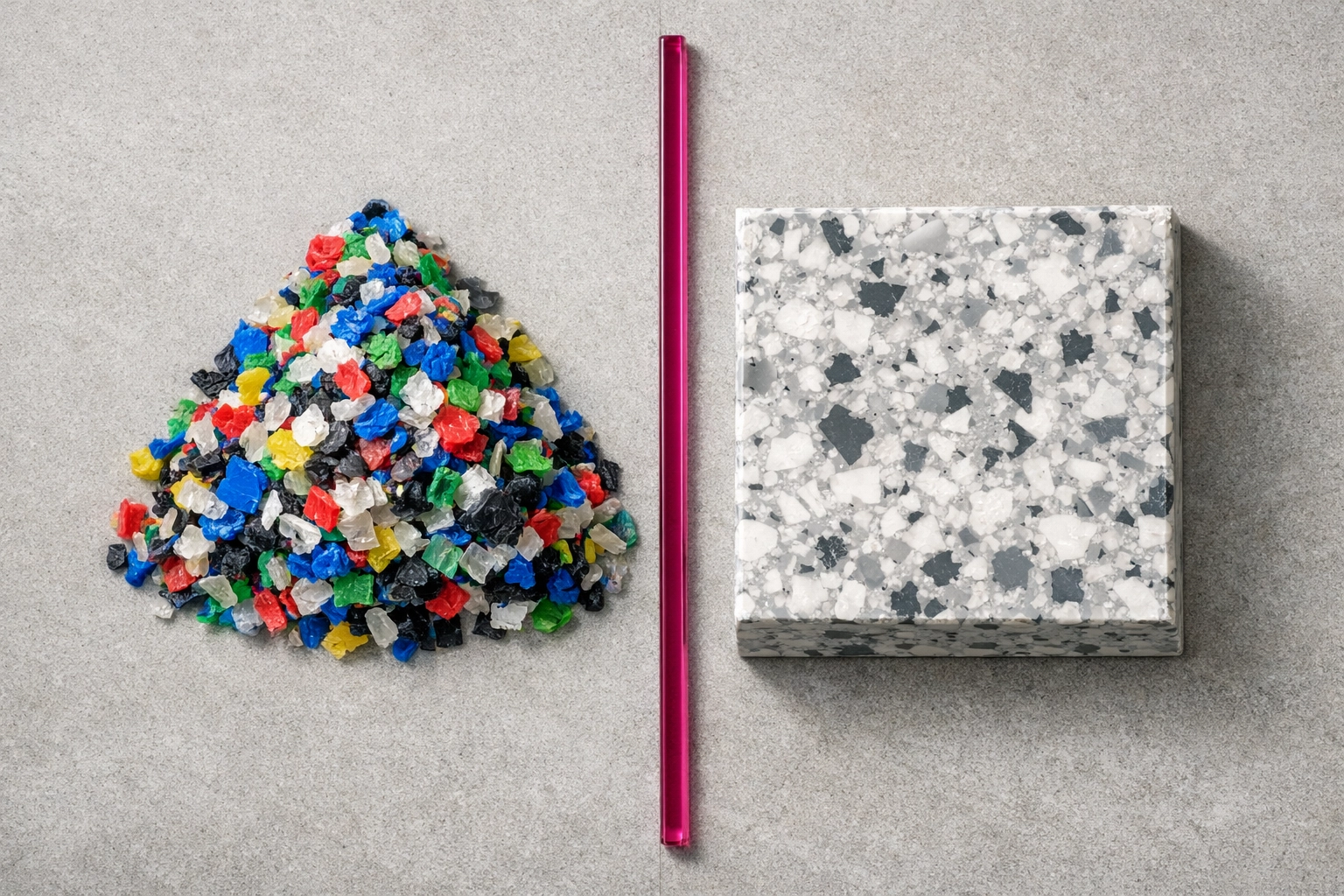
By turning local waste: like industrial pipes, milk bottles, and agricultural plastics: into recycled plastic panels, we are providing a "closed-loop" solution. This is a game-changer for councils looking to meet their sustainable procurement policy targets.
"Infrastructure isn't just about building things; it's about managing resources. When we swap concrete for recycled plastic, we aren't just building a bridge: we're diverting tonnes of waste from our local landfills." : Jess Hodge, CEO of Resourceful Living.
Where is the Shift Happening?
We are seeing recycled plastic panels being specified in areas that were previously dominated by concrete and timber.
1. Modular Construction and Site Hoarding
The speed of modular construction requires lightweight materials that don’t sacrifice strength. Recycled panels are becoming the "perfect match" for these builds because they are easy to cut, drill, and install using standard tools. You can read more about why this is the future of Australian modular construction here.
2. Public Amenities and Boardwalks
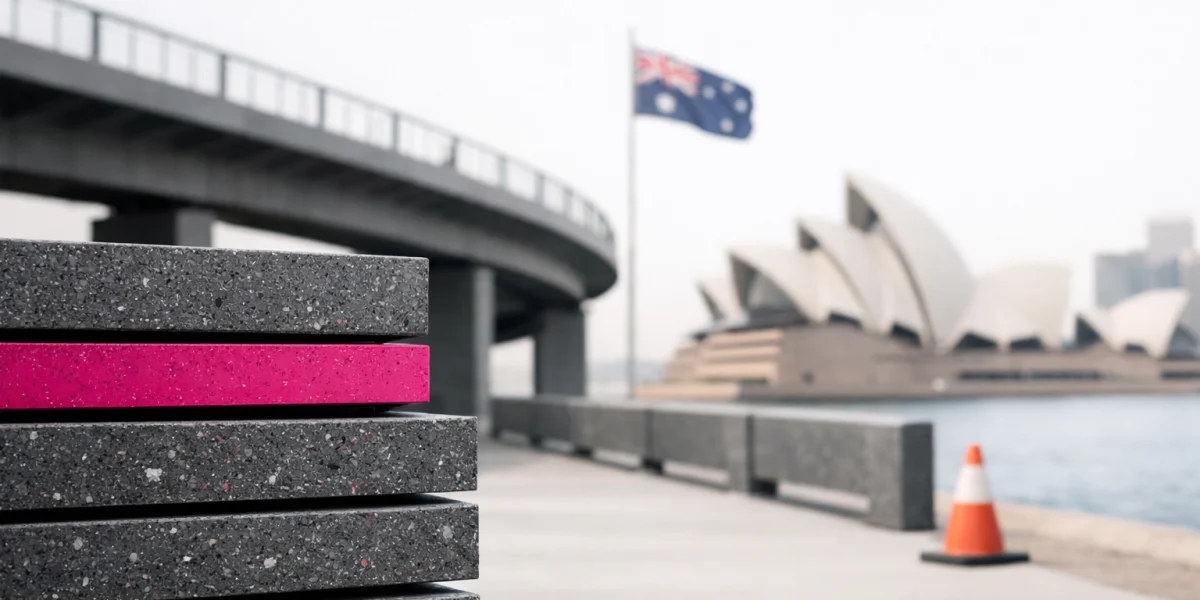
Councils are tired of replacing rotting timber boardwalks every 7–10 years. Recycled plastic boards and panels offer a 40+ year lifespan with virtually zero maintenance. It’s a simple ROI calculation: higher upfront value, significantly lower lifetime cost.
3. Acoustic and Retaining Walls
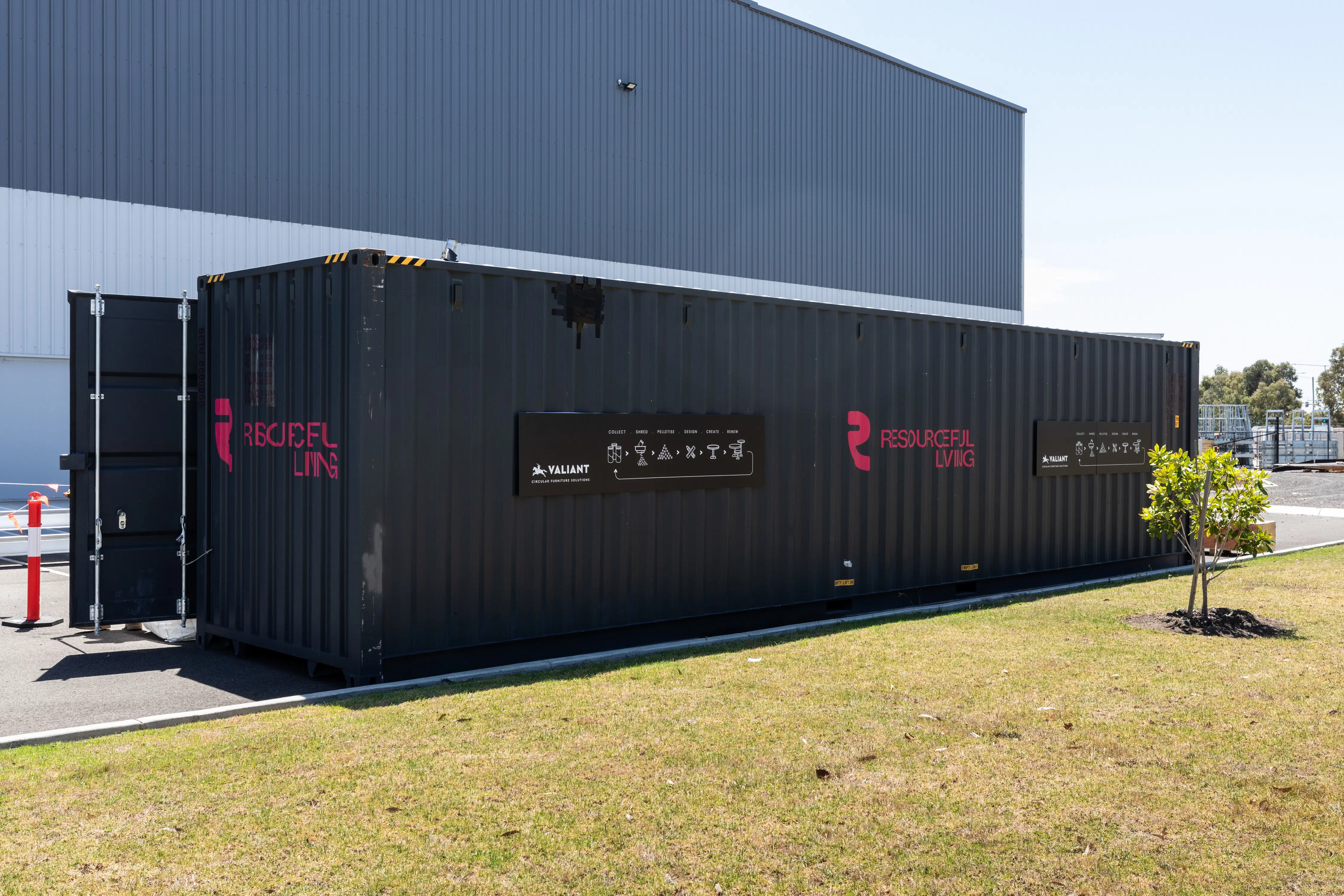
Concrete noise barriers are heavy and expensive. Recycled plastic panels can be engineered to provide excellent acoustic dampening while being much faster to install. If a panel is damaged, it can be swapped out and sent back to us to be shredded and remade into a new panel. That is true closed-loop manufacturing.
The ROI of Going Circular
One of the biggest mistakes people make with sustainable construction materials is looking only at the "per sheet" cost. To get the real picture, you have to look at the Total Cost of Ownership (TCO).
| Feature | Concrete | Timber | Recycled Plastic Panels |
|---|---|---|---|
| Installation Speed | Slow (Heavy) | Moderate | Fast (Lightweight) |
| Maintenance | Low (until it cracks) | High (Annual) | Zero |
| Carbon Footprint | Very High | Low (but ends in landfill) | Negative (Waste Diversion) |
| End of Life | Downcycled | Rot/Landfill | 100% Recyclable |
When you factor in the reduced labour for installation and the lack of maintenance, recycled plastic sheets and boards often prove to be the most cost-effective choice for commercial and public projects. For a full breakdown, see our guide on why timber is costing your business more than you think.
Traceability: The Secret to Passing Your Green Audit
In 2026, "greenwashing" is a legal risk. You can't just say a material is recycled; you have to prove it. This is why recycled plastic manufacturers in Australia are under the microscope.
At Resourceful Living, we pride ourselves on traceability. We know exactly where our plastic comes from: whether it's from a specific industrial site or a community collection programme. This level of data is essential for companies aiming for high NABERS ratings or fulfilling ESG partner program requirements.
How to Start Swapping Concrete for Circular Materials
If you're ready to move your next project toward a more sustainable footprint, here’s how to start:
- Identify High-Maintenance Areas: Look for where timber is rotting or concrete is failing. These are your best candidates for recycled plastic.
- Download the Specs: Check out The Designer’s Cheat Sheet to understand the technical constraints and possibilities of circular materials.
- Audit Your Waste: Could your own industrial waste be turned into the panels you need? Our on-site shredding units can help close that loop.
- Ask for Traceability: Ensure your supplier can provide proof of Australian-sourced material.
The Future is Resourceful
The shift away from concrete isn't just a trend; it's a necessary evolution of the Australian building industry. By choosing recycled plastic panels, we are reducing our carbon debt, solving our local waste crisis, and building infrastructure that actually lasts.
Are you looking for sustainable construction materials in Australia for your next project? Let’s talk about how we can help you swap out the old for the circular.