The landscape of Australian construction and retail design has shifted. In 2026, it is no longer enough to simply buy "sustainable" materials. The real question being asked by Tier 1 contractors, local councils, and savvy architects is: What happens to this material in ten years?
If your answer is "it goes to the skip," you’re missing out on significant tender advantages and contributing to a linear waste problem we can no longer afford. When searching for recycled plastic sheets in Australia, the "Take-Back" policy of your supplier is the single most important factor in determining if your project is truly circular.
At Resourceful Living, we don’t just manufacture 100% recycled panels; we provide a guaranteed pathway for those panels to return to our facility. Here are 10 things you need to know about end-of-life take-back and why it’s the future of Australian manufacturing.
1. It’s the Difference Between "Recyclable" and "Recycled"
Many products on the market are labelled as "recyclable." In theory, a plastic bottle is recyclable, but if the infrastructure doesn't exist to process it, it’s just future landfill.
A Take-Back Program ensures that the "recyclable" claim is backed by action. It means the manufacturer assumes responsibility for the product's entire lifecycle. When you specify materials from a company that offers a closed-loop system, you aren't just buying a sheet of plastic; you’re investing in a service that prevents waste.
2. Take-Back Programs Are a Secret Weapon for Tenders
If you’re bidding on government or large-scale commercial projects, you’ve likely noticed a spike in Embodied Carbon Reporting requirements. Under the Circular Construction 2026 guidelines, builders are now being rewarded for showing clear "End-of-Life" (EoL) pathways.
By choosing a supplier with a documented take-back programme, you can provide definitive data on waste diversion. This often becomes the "X-factor" that helps a bid stand out against competitors using cheaper, single-use materials.
3. Local Processing Matters for Your Carbon Footprint
Sending plastic offshore to be "recycled" is a carbon-intensive process that often lacks transparency. A true Australian take-back program should happen right here on home soil.
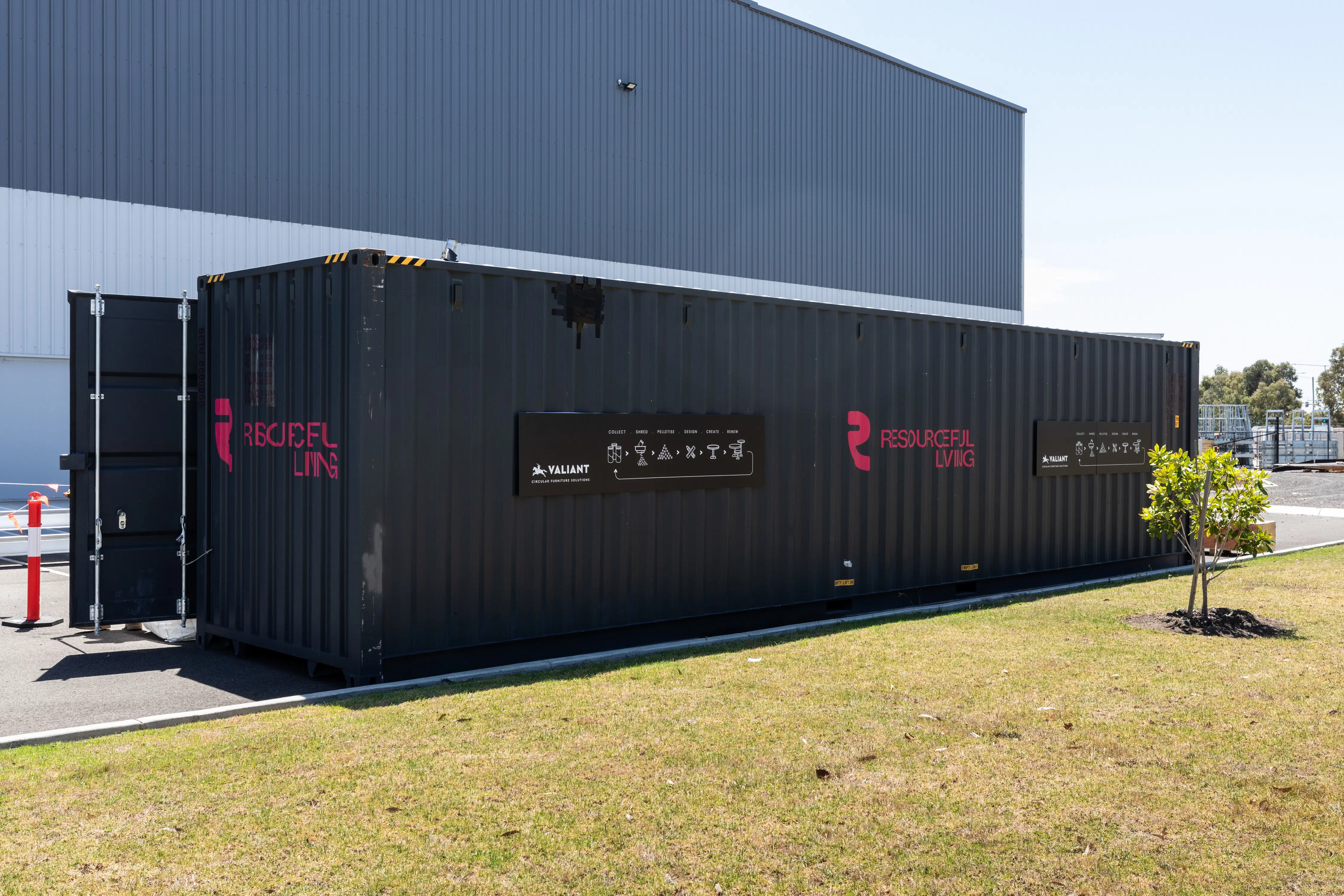
Resourceful Living operates with the capacity to recycle 1 tonne of plastic per day. This high-volume, local throughput means your waste doesn't travel thousands of kilometres. For more information on how this impacts your project, see our guide on how to meet recycled content targets.
4. It Eliminates Future Landfill Levies
Landfill levies in Australia are rising annually. If you are a facility manager or a fit-out specialist, the cost of disposing of old joinery or wall cladding at the end of a 10-year lease can be staggering.
A take-back program essentially future-proofs your budget. Instead of paying hundreds of dollars per tonne in disposal fees, you simply return the material to the manufacturer. At Resourceful Living, we offer free take-back for our panels, turning a future liability into a zero-cost logistics exercise.
5. Traceability is King
When you return a product through a take-back scheme, you should receive documentation that proves the material was actually repurposed. This is known as Material Traceability.
"In a circular economy, the value of a material is found in its data as much as its physical properties. Knowing exactly where your waste went is the ultimate form of corporate accountability."
We specialise in traceable Australian plastic waste. Whether it's from post-consumer milk bottles or industrial offcuts, our 100% recycled sheets come with a story that you can pass on to your clients.
6. Take-Back Supports "Design for Disassembly"
A take-back program only works if the material can be easily removed. This has led to a shift in how we build. Instead of using permanent adhesives that contaminate plastic and make it un-recyclable, industry leaders are moving toward mechanical fixings.
When searching for recycled plastic sheets in Australia, ask your supplier for their specification guide. Designing for disassembly ensures that when the time comes for a take-back, the material is clean and ready for immediate remanufacturing.
7. It Solves the "Yellow Bin" Fallacy
Most people believe that if they put plastic in a yellow bin, it will be made into something new. Unfortunately, the reality of the yellow bin system is much more complex, and much of that material is lost to contamination.
Direct take-back programs bypass the messy municipal recycling stream. By returning material directly to the manufacturer, you ensure a 100% recovery rate. This is the only way to truly "close the loop" in the construction industry.
8. Remanufacturing vs. Downcycling
Many "recycled" products are actually downcycled, meaning they are turned into a lower-value item that cannot be recycled again (like turning plastic into a road additive).
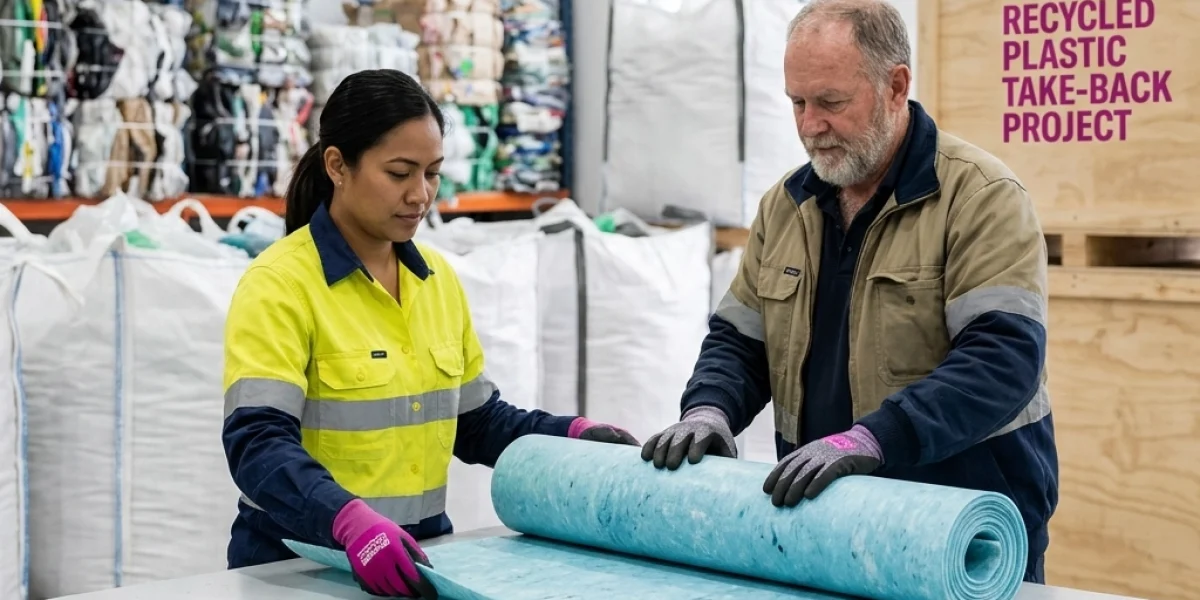
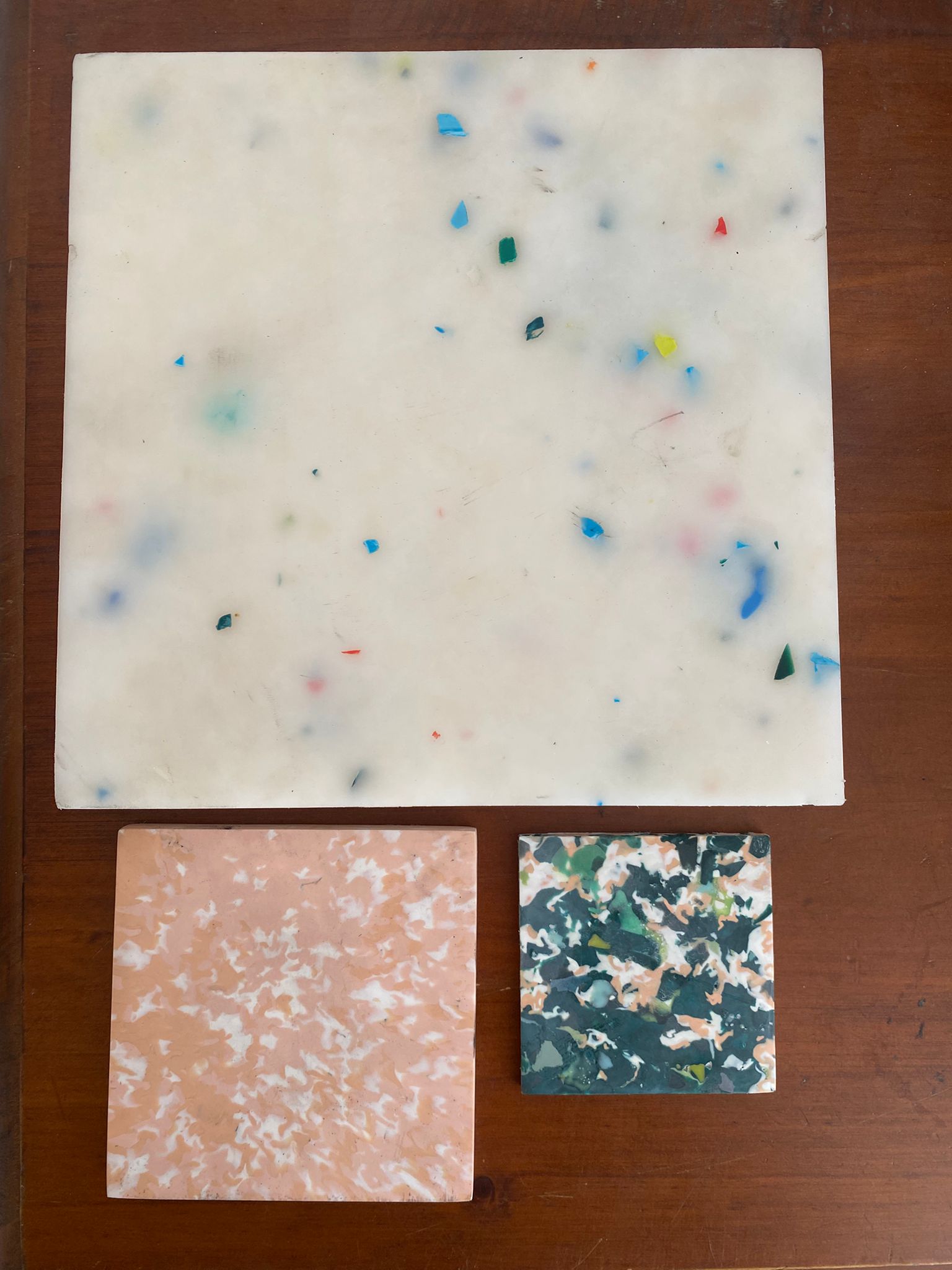
A high-quality take-back program focuses on remanufacturing. At Resourceful Living, we take our old panels, shred them, and turn them back into… new panels. This infinite loop maintains the material's value and prevents the need for virgin plastic production. You can see this in action in our waste-to-infrastructure case studies.
9. Aesthetic Consistency in the Next Generation
One concern designers have with recycled materials is consistency. However, a structured take-back program allows manufacturers to manage their "colour feedstock" more effectively.
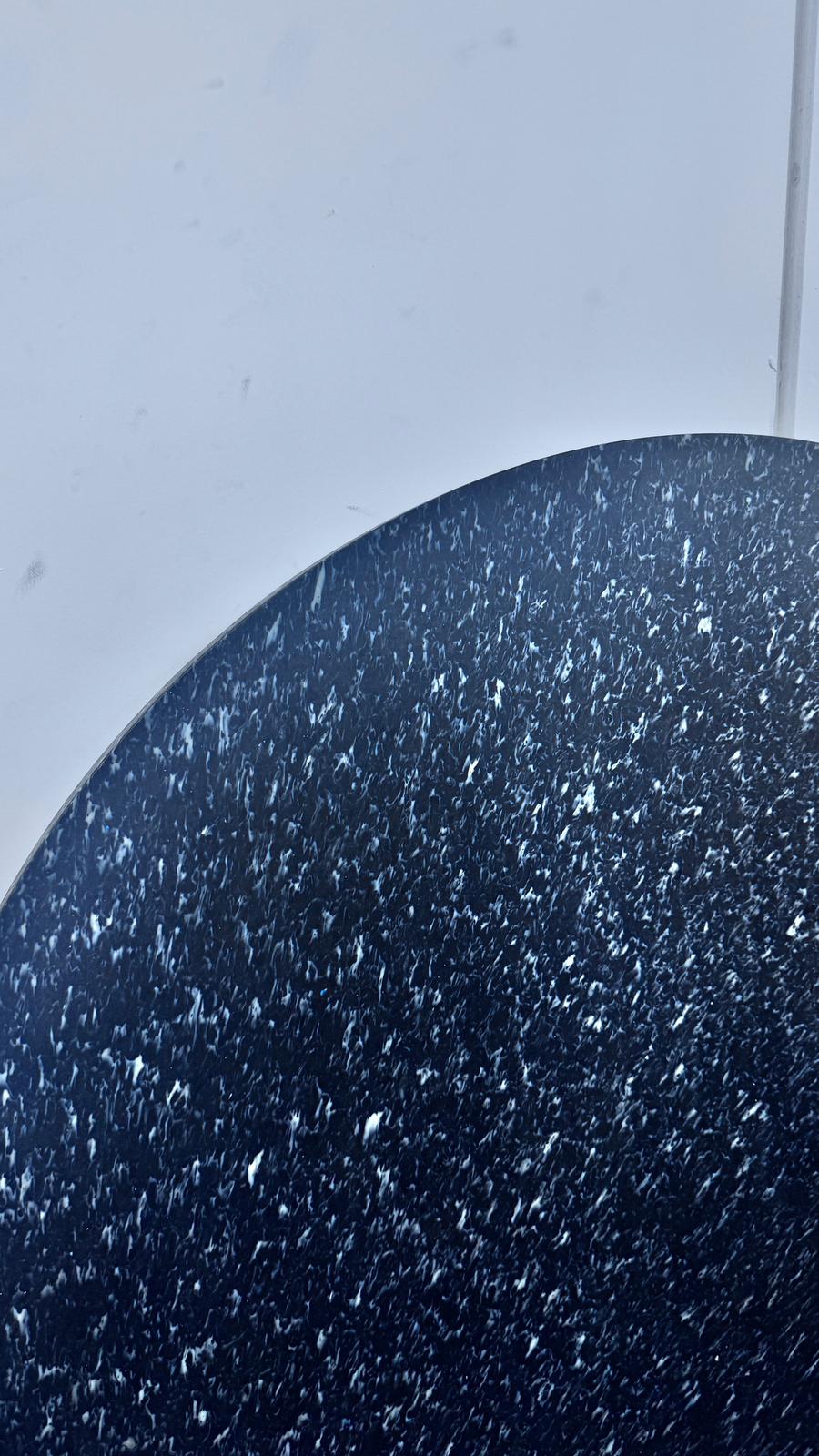
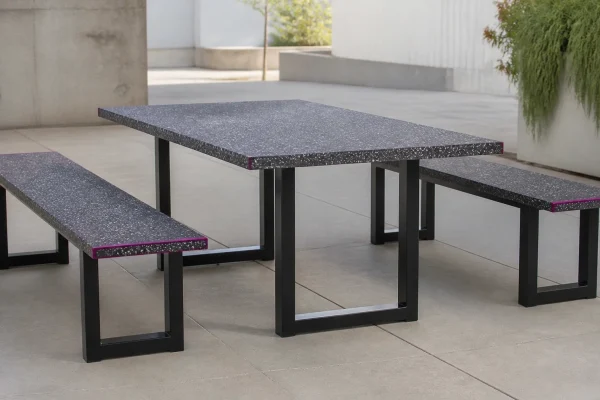
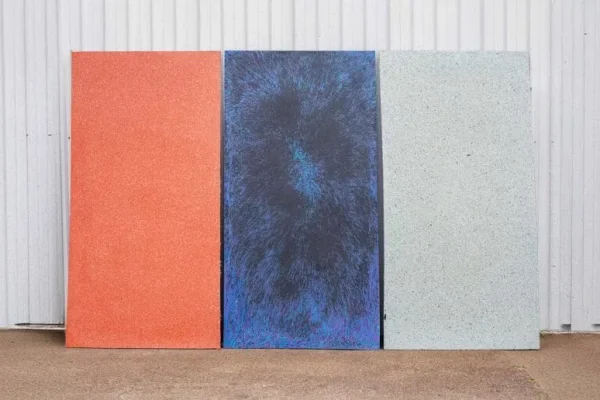
When we receive our navy and white marbled panels back, we know exactly what is in them. This allows us to maintain the high aesthetic standards required for sustainable furniture and commercial fit-outs, even when using 100% recycled content.
10. It Positions Your Brand as a Leader
Finally, participating in a take-back program is a powerful marketing tool. Consumers in 2026 are highly cynical about "greenwashing." Being able to point to a physical product and say, "When we're done with this, it goes back to the factory to become a new bench," is a tangible, believable story.
Whether you're working on a school fit-out or a local council project, the take-back program is the evidence that your sustainability claims are real.
Implementation Checklist: How to Start Your Take-Back Journey
If you are ready to move toward a truly circular project, follow these three steps:
- Check the Material Composition: Ensure the sheets you are buying are 100% of one polymer type (e.g., 100% HDPE). Mixed materials are significantly harder to recycle at end-of-life.
- Request the Policy in Writing: Ask your supplier for their formal Take-Back Policy. Does it include transport? Is there a cost?
- Specify Mechanical Fixings: Avoid glues. Use screws or brackets so the material can be harvested cleanly in the future.
The Bottom Line
The era of "buy, use, discard" is over. As Australia moves toward a more regulated circular economy, the companies that thrive will be those that view waste as a resource.
At Resourceful Living, we are proud to be at the forefront of this movement, processing 1 tonne of Australian plastic waste every day into high-performance, beautiful panels. If you're looking for recycled plastic sheets in Australia that come with a guaranteed future, it’s time to look at the take-back.
Ready to specify for your next project? Explore our range of recycled plastic benchtops or learn more about embodied carbon reporting.