
If you’re fit-out out a commercial space, a school, or a public park in 2026, the word "sustainability" isn't just a buzzword anymore, it's a line item. With Australia’s furniture market projected to hit over $21 billion by 2034, the shift toward sustainable furniture in Australia has moved from a niche designer trend to a core requirement for procurement teams and business owners alike.
But what does "sustainable" actually mean in 2026? It’s no longer enough to just use a bit of recycled timber or "recycled-look" laminate. Truly sustainable furniture considers the entire lifecycle: where it came from, how long it lasts, and, most importantly, where it goes when you’re done with it.
At Resourceful Living, we’ve seen a massive surge in businesses moving away from "fast furniture" and toward materials that support a circular economy. Here’s everything you need to know about making the right choice for your next project.
1. Why the Shift to Recycled Plastic Furniture?
Traditional materials like treated timber, MDF, and steel have been the backbone of the Australian furniture industry for decades. However, they come with significant baggage. Treated timber often contains chemicals that make it difficult to recycle, and the true cost of timber is becoming a major headache for councils and developers.
Recycled plastic furniture is winning the race in 2026 for three main reasons:
- Durability: It doesn't rot, rust, or splinter. For the Australian climate, where the sun is brutal and the rain is heavy, it’s practically invincible.
- Maintenance: You don't need to sand it, oil it, or paint it. A quick wipe down is usually all it takes.
- Circularity: Unlike MDF or treated wood, 100% recycled plastic panels can be melted down and remade into new furniture at the end of their life.
2. Understanding the Materials: What Should You Look For?
When browsing the market, you’ll see a lot of labels. Here is a quick breakdown of the "gold standard" materials for 2026:
FSC-Certified and Reclaimed Wood
If you’re going with wood, ensure it’s FSC-certified. This guarantees it’s harvested responsibly. However, even better is reclaimed wood, which gives a second life to existing timber. The downside? Timber still requires maintenance to survive Australian outdoor conditions.
100% Post-Consumer Recycled Plastic (HDPE and LDPE)
This is where Resourceful Living specialises. We take Australian plastic waste, things like milk bottles and soft plastics, and turn them into high-performance sheets. When choosing plastic furniture, ask if it is 100% recycled. Many "eco-friendly" options are only 10% or 20% recycled material mixed with virgin plastic. That’s not circular; that’s just delayed waste.
Check out our comparison on recycled plastic vs. timber vs. steel to see how the lifecycles stack up.
3. The "Secret Sauce": The Buy-Back Scheme
The biggest mistake businesses make when buying "sustainable" furniture is failing to plan for the end of its life. If your "green" chair ends up in a landfill in five years, was it really sustainable?
In 2026, the leaders in the circular economy furniture space are those who offer Product Stewardship. At Resourceful Living, we don’t just sell you a table and wish you luck. We offer a guaranteed Buy-Back Scheme.
How it works:
- You use our furniture for as long as you need.
- When it’s time for a refresh or the project ends, we buy the material back.
- We guarantee our take-back fee is lower than general landfill tip fees, saving your business money.
- We shred that old furniture and turn it back into new sheets for the next project.
This is the definition of a closed loop. If you want to dive deeper into why this matters, read about what a closed-loop ESG partner program actually looks like.
4. Scaling the Impact: Collection Packages
If you’re a business generating plastic waste, you shouldn't just be buying sustainable furniture, you should be supplying the raw materials for it.
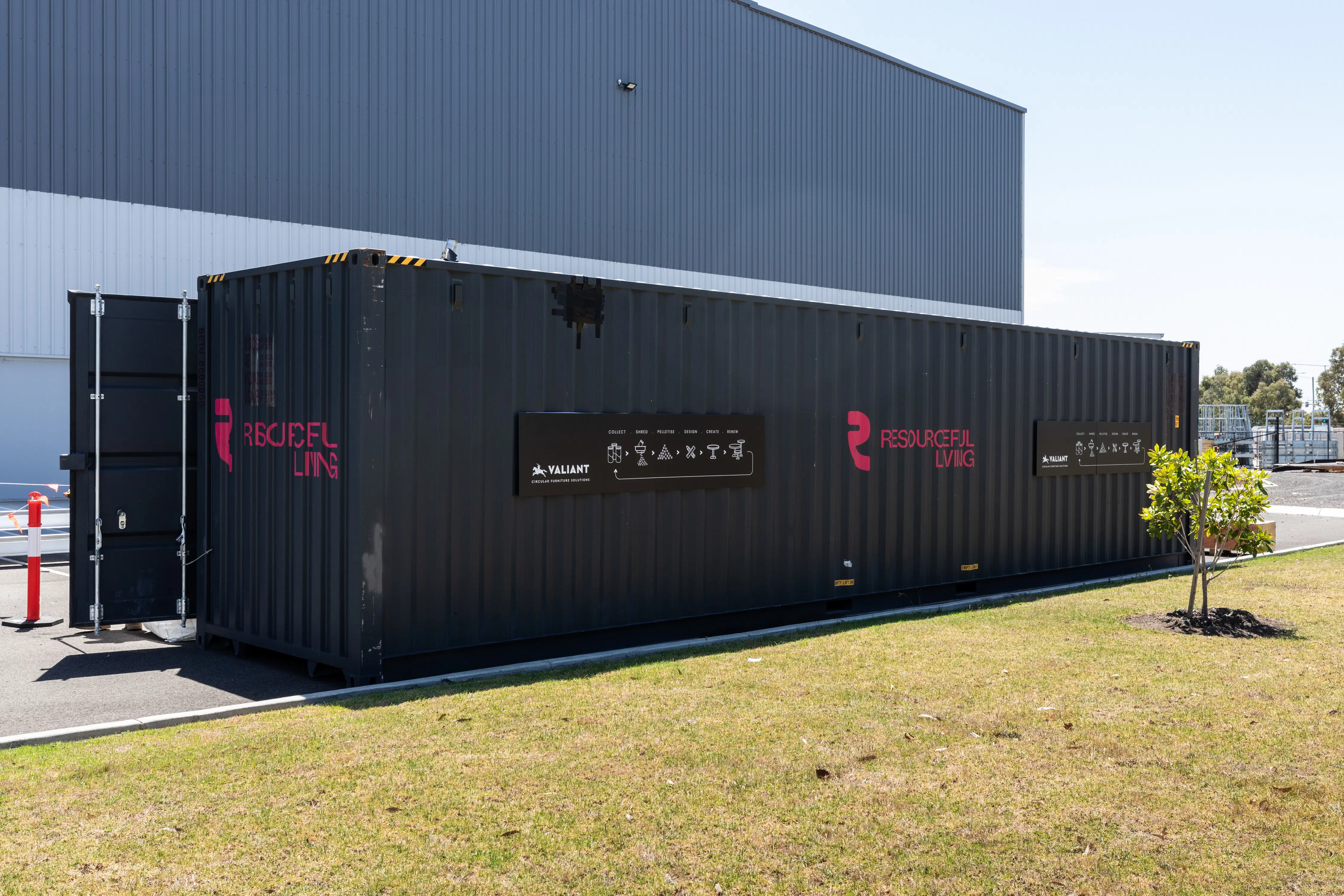
We’ve simplified this process by offering collection packages that allow businesses to process up to 1,000kg of plastic waste per month. Instead of paying for a skip bin to take your plastic to a landfill, we collect it and integrate it into our manufacturing line.
This creates a beautiful story for your brand: "Our office tables are literally made from the milk bottles our staff used last year." It’s a powerful way to drive circularity through an ESG partner program.
5. Design Trends for 2026: Aesthetics Meet Ethics
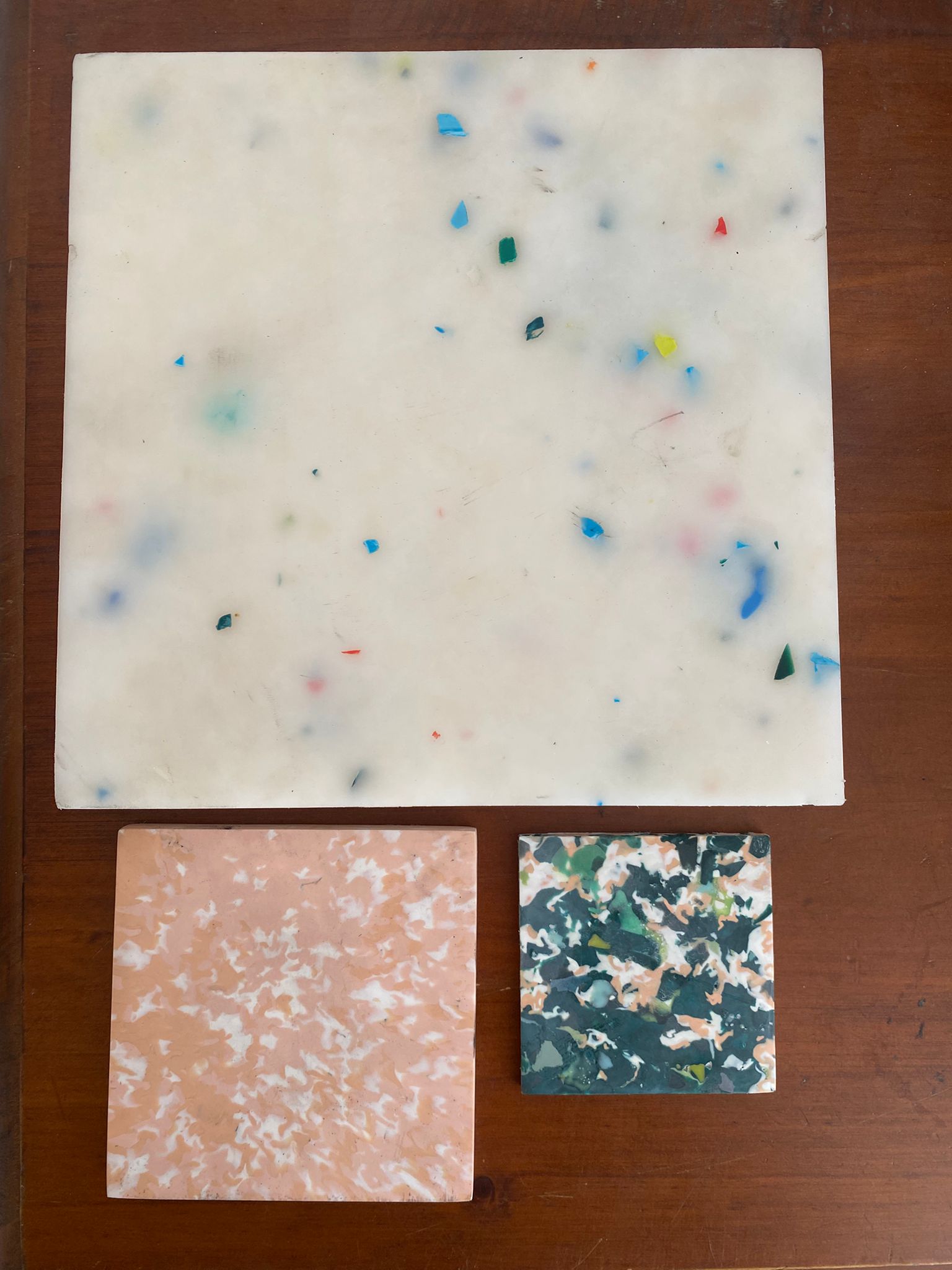
Sustainable furniture doesn't have to look like a science project. In 2026, the trend is Organic Textures and Marbled Finishes.
Because our panels are made from mixed plastic waste, each sheet has a unique "fingerprint." We offer finishes like:
- The "Confetti" Look: Multi-coloured specks that work perfectly in retail displays and school environments.
- The "Marble" Look: Sophisticated navy and white or charcoal swirls that look like high-end stone but perform like industrial plastic.
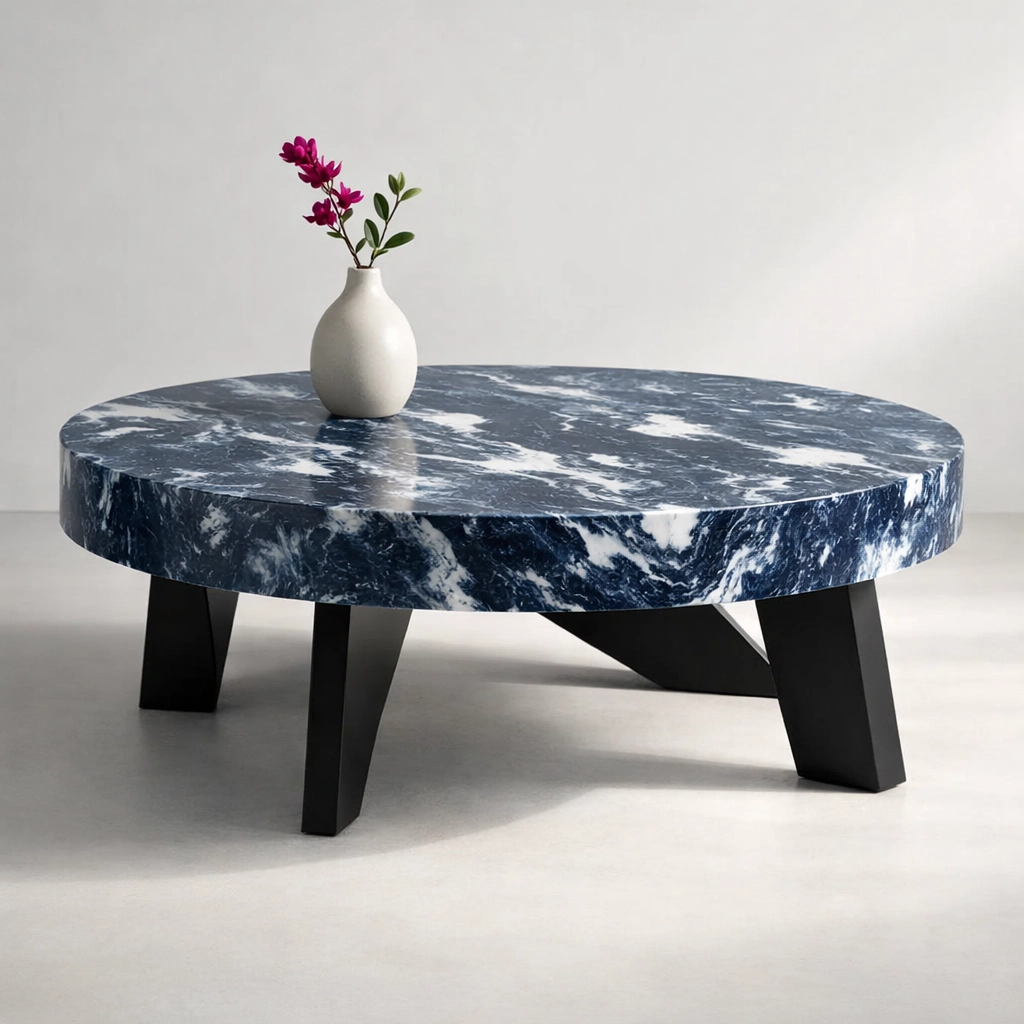
These materials are being used for everything from tennis display panels to cafe tabletops. Designers are moving away from flat, boring colours and embracing the story that a marbled recycled surface tells.
6. Navigating Regulations and Tenders (ESG & NABERS)
If you're a builder or developer, you're likely feeling the pressure of Australia’s new embodied carbon rules. By 2026, reporting on the carbon footprint of your materials isn't optional for major tenders.
Using recycled plastic furniture and panels can significantly help your NABERS rating. Why? Because recycled plastic has a much lower carbon footprint than virgin steel or newly harvested timber that requires heavy processing and transport.
"Choosing recycled materials isn't just a moral choice anymore; it's a strategic one to ensure your project meets the 2026 carbon benchmarks."
For more on this, check out our guide on how to integrate low-carbon recycled plastic panels with your NABERS rating.
7. Performance: Will It Actually Last?
We get this question a lot: "It's plastic… won't it just melt or warp?"
The short answer is: No. Not the way we make it.
Our recycled plastic sheets are engineered for high-stress environments. They are:
- UV Stabilised: They won't fade or become brittle in the Australian sun.
- Chemical Resistant: Perfect for hospitality or laboratories where spills are common.
- Moisture Proof: Unlike marine ply, they will never rot or swell.
If you're debating between materials for a coastal project or a commercial fit-out, read our deep dive on recycled plastic board vs. marine plywood to see the performance data.
8. Common Mistakes to Avoid When Buying Sustainable Furniture
Even with the best intentions, it’s easy to get caught in "greenwashing." Here are the top three mistakes we see:
- Ignoring the "End-of-Life" Plan: If the manufacturer won't take the product back, it's not truly sustainable.
- Focusing Only on Recycled Content: Look at the manufacturing process. Is it done locally in Australia, or is the "sustainable" furniture being shipped halfway across the world, negating the carbon savings?
- Choosing Style Over Substance: Make sure the material is fit for purpose. A beautiful indoor sustainable chair might fall apart in six months if placed in a public park.
For a full list of what to watch out for, check out our article on 7 mistakes you’re making with recycled plastic furniture.
9. How to Implement a Circular Strategy Today
Ready to make the switch? Here is a simple checklist for your next procurement round:
- Conduct a Waste Audit: See how much plastic your organisation is actually throwing away. Use our plastic waste audit template to get started.
- Specify "Circular Procurement" in Tenders: Demand that suppliers provide a take-back or buy-back guarantee.
- Ask for Traceability: Ensure the plastic is Australian-sourced. This supports local industry and reduces transport emissions.
- Partner with a Manufacturer: Work directly with a company like Resourceful Living to design custom furniture that fits your specific brand aesthetic while hitting your ESG targets.

The Future is Resourceful
The days of "take, make, waste" are over. In 2026, the most successful Australian businesses are those that view their waste as a resource. Whether you’re looking for a single bespoke boardroom table or need to kit out an entire residential development with sustainable outdoor seating, the technology and the supply chains are now here to make it happen.
By choosing recycled plastic furniture, you aren't just buying a product; you’re investing in a system that protects the Australian environment and provides a measurable return on your sustainability goals.
Ready to close the loop?
Explore our range of recycled plastic panels or contact Jess Hodge today to discuss how our collection and buy-back schemes can work for your business.