
Let’s be honest: Australia has a bit of a plastic problem. Every year, millions of tonnes of waste end up in landfills. At the same time, we’re in the middle of a massive infrastructure boom. It doesn't take a genius to see that there’s a massive disconnect here. Why are we burying resources in a hole in the ground while simultaneously importing virgin materials for our building projects?
At Resourceful Living, we’re focused on bridging that gap. We don’t just see plastic waste as a problem to be "managed": we see it as the raw material for the next generation of Australian infrastructure.
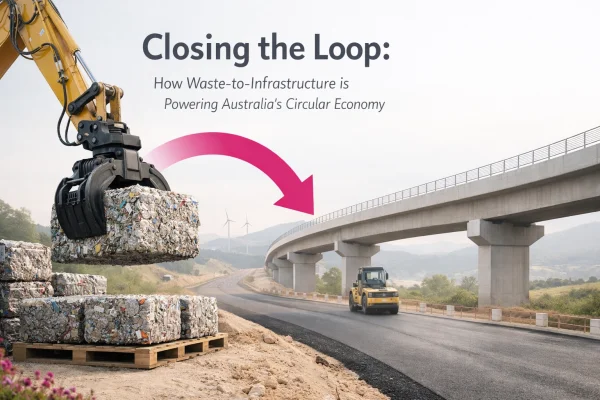
The shift from a linear "take-make-waste" model to a Waste-to-Infrastructure model is the key to Australia’s circular economy. It’s about more than just recycling; it’s about high-value remanufacturing that keeps resources in use, right here on our shores.
The Problem with the "Linear" Status Quo
For decades, the construction and manufacturing industries have operated on a straight line. You buy materials, you build something, and when that something is no longer needed (or there’s leftover scrap), it goes to the tip.
According to recent data, the construction and demolition sector alone produces over 20 million tonnes of waste annually in Australia. While we’re getting better at recovering some of it, a huge portion still ends up as landfill. This isn't just an environmental disaster; it’s a massive waste of capital.
When we send plastic to landfill, we are throwing away the energy and carbon that went into making it. We’re also forcing ourselves to rely on volatile global supply chains for new materials.
What is Waste-to-Infrastructure?
The Waste-to-Infrastructure model is a fundamental shift in how we think about procurement. Instead of seeing waste and infrastructure as two separate departments, we combine them.
In this model, the plastic waste generated by our cities, our businesses, and even our industrial sites is harvested and processed into durable, functional materials. We’re talking about 100% recycled plastic panels and products that replace traditional materials like timber or steel in non-structural applications.
By turning waste into infrastructure, we achieve three things:
- Divert waste from Australian landfills.
- Reduce the carbon footprint of new projects by eliminating the need for virgin plastics.
- Create local jobs in the green manufacturing sector.
100% Australian Plastic: Why "Local" is Non-Negotiable
A lot of "recycled" products on the market today are made from imported waste or a mix of virgin and recycled content. At Resourceful Living, we do things differently.
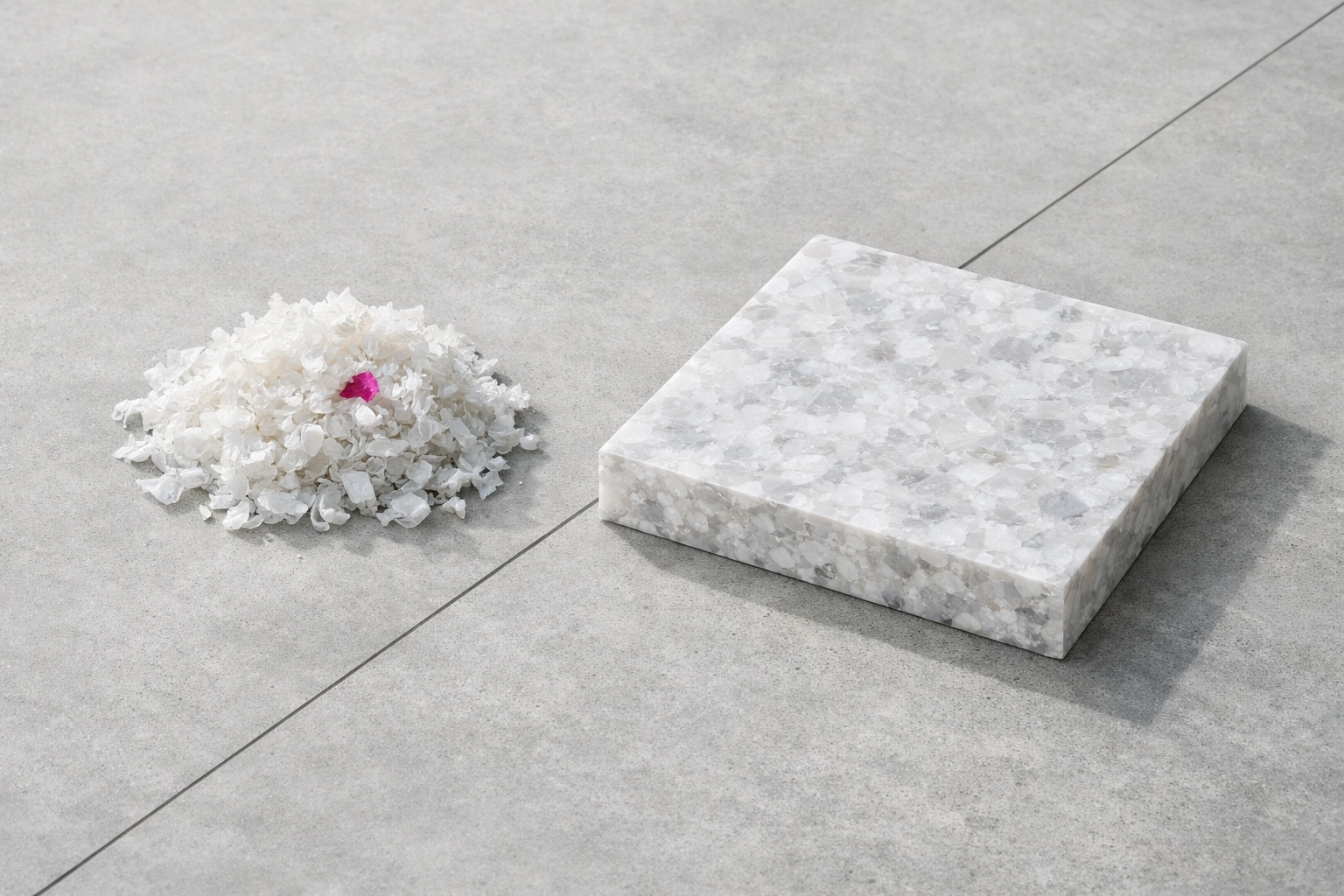
Every single panel we produce is made from 100% Australian plastic waste.
Why does this matter? Because true circularity needs to happen locally. If we’re shipping waste overseas to be processed and then shipping it back as a finished product, the carbon cost of transport often outweighs the environmental benefits of recycling.
By keeping the process entirely within Australia, we’re helping our partners meet their ESG (Environmental, Social, and Governance) goals while ensuring a transparent, ethical supply chain. When you work with us, you know exactly where your material came from and exactly where it’s going. You can learn more about this in our deep dive into the recycled plastic circular economy.
The "Closed Loop" Concept: A Game Changer for B2B
One of the most exciting aspects of our work is the Closed Loop concept. This is where the Waste-to-Infrastructure model really flexes its muscles.
Imagine you’re managing a major commercial fit-out or a mining site rehabilitation. You naturally generate a lot of plastic waste: packaging, old site equipment, or redundant furniture. In the old model, you’d pay a hefty fee to have that waste hauled away.
In a Closed Loop system, we take that specific waste, process it, and turn it back into materials you can use for the same project or future ones.
- Step 1: We collect your site-specific plastic waste.
- Step 2: We clean, shred, and press it into high-performance panels.
- Step 3: You use those panels for office fit-outs, cabinetry, or specialised mining products.
This isn't just theory. It’s a practical way to reduce landfill costs with circular procurement. It turns a cost center (waste management) into a value-add (building materials).
Beyond the Bin: The Take-Back Program
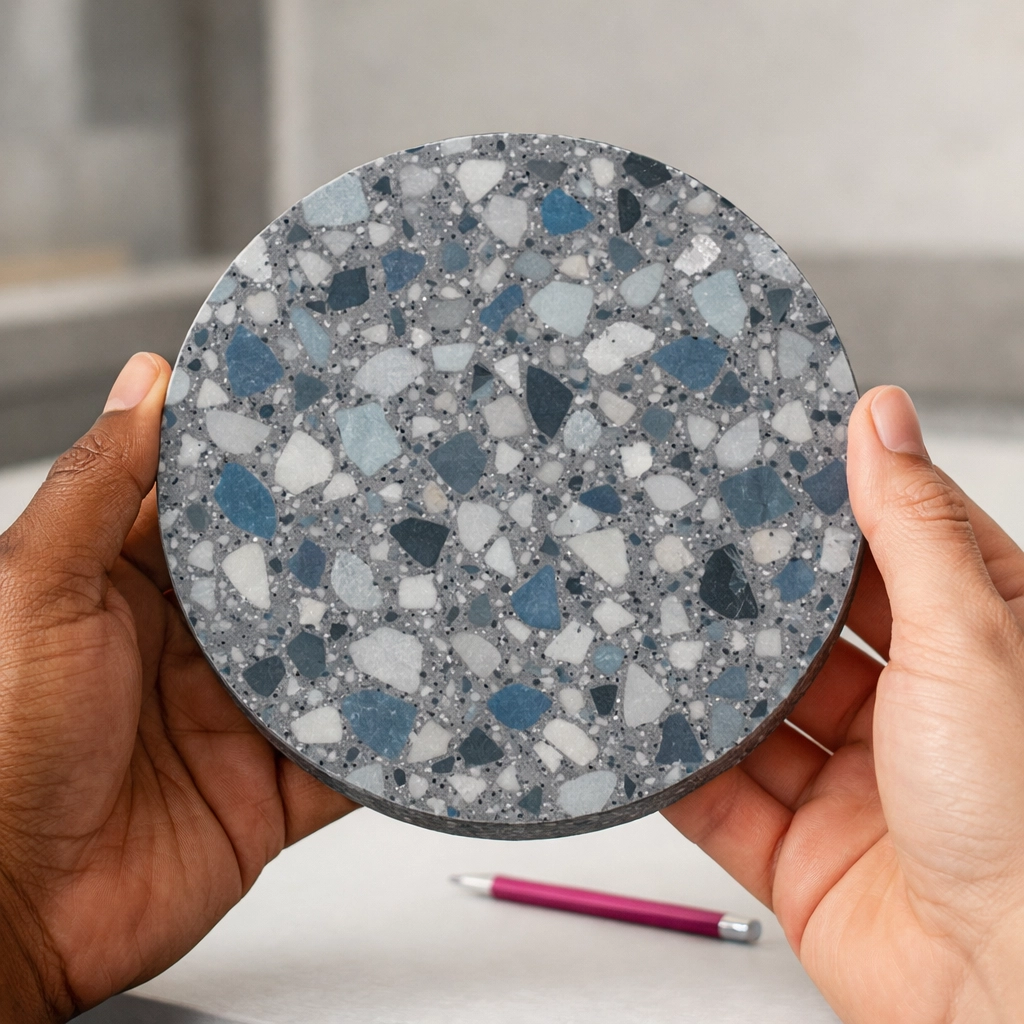
A circular economy is only circular if the products themselves don't end up in the trash at the end of their life. This is why we implemented our Take-Back Program.
When you purchase Resourceful Living panels for a project, you’re buying a material that is infinitely recyclable. If, in ten years, you decide to renovate that office or decommission that site, you don't need to throw our panels away.
We’ll take them back. We’ll grind them up and turn them into brand-new panels.
This level of accountability is what sets a Closed Loop ESG Partner Program apart from standard "green" procurement. It’s a cradle-to-cradle approach that ensures zero waste to landfill, indefinitely.
Practical Applications (No Decking in Sight!)
When people think of recycled plastic, they often think of outdoor decking or park benches. While those are fine, the Waste-to-Infrastructure model is about much more than that. We are creating industrial-grade materials for high-stakes environments.
1. Commercial Fit-outs and Furniture
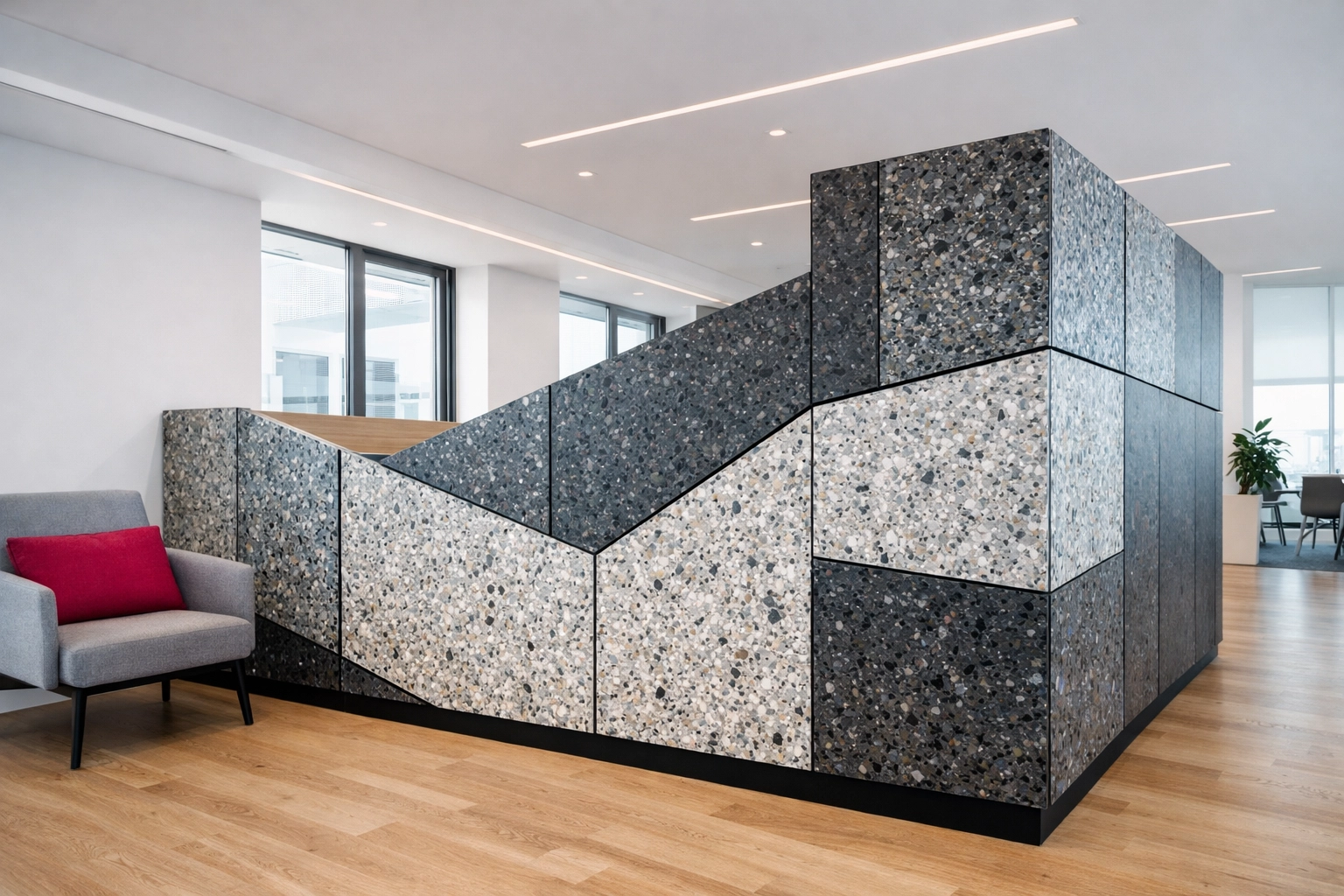
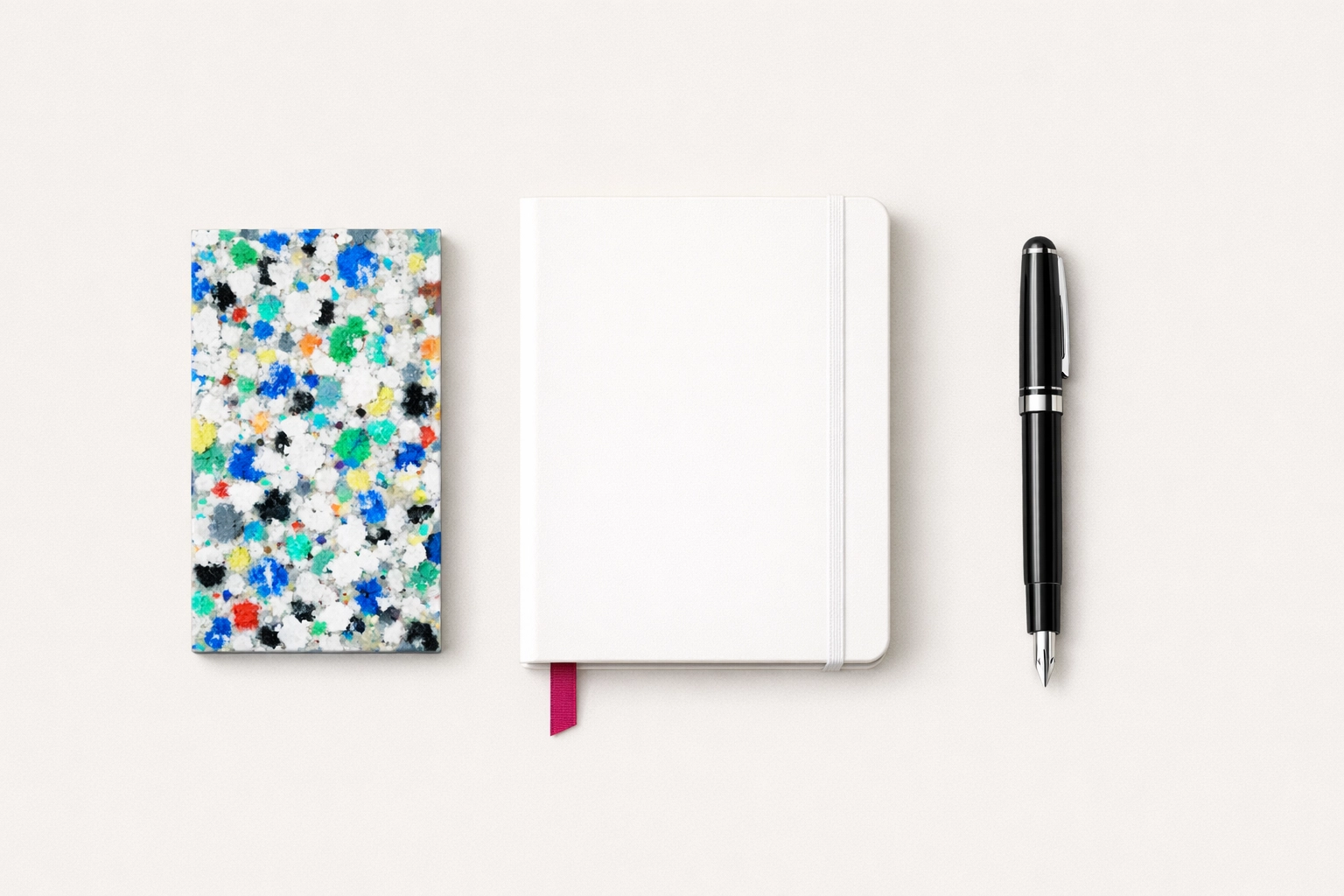
Our 100% recycled plastic panels are perfect for office furniture, workstation dividers, and internal joinery. They are durable, water-resistant, and have a unique aesthetic that tells a story of sustainability.
2. Mining and Industrial Sites
The mining sector is a massive consumer of infrastructure materials. We produce recycled plastic rehabilitation products and even wheel stops that are designed to withstand the harshest Australian conditions. Unlike timber, which rots, or steel, which rusts, our recycled plastic products are virtually indestructible in these environments.
3. Public Infrastructure
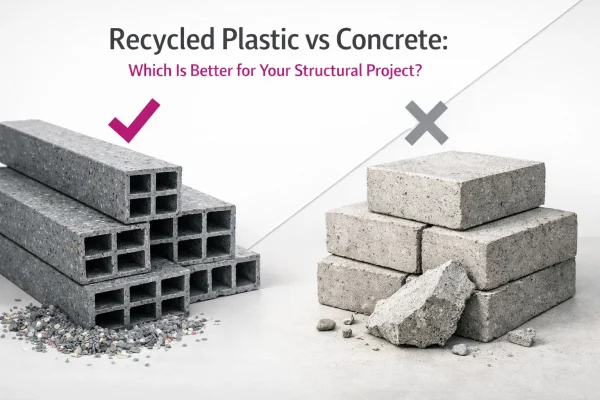
From signage to utility enclosures, recycled plastic is a superior choice for public assets. It requires zero maintenance and won't degrade over time, offering a much better return on investment than traditional materials. For a detailed comparison, check out our guide on recycled plastic vs. timber vs. steel.
Why the Infrastructure Sector is Primed for This Shift
The Australian government is already moving in this direction. With the federal government’s Recycling Modernisation Fund and Infrastructure Australia’s focus on valuing resources, the "waste-to-infrastructure" trend is becoming a requirement rather than an option.
"Using recycled or less emissions-intensive materials in public infrastructure projects could meaningfully reduce both economic and environmental costs." : Productivity Commission Report
By adopting these materials now, businesses aren't just doing the right thing for the planet: they’re future-proofing their operations against upcoming regulations and landfill levies.
How to Get Started: The Resourceful Path
Transitioning to a circular model doesn't have to happen overnight. Here is a simple framework for businesses looking to close the loop:
- Conduct a Waste Audit: Figure out exactly how much plastic waste your projects are generating. We have a simple waste audit template to help you get started.
- Identify Procurement Gaps: Look at your upcoming projects. Where are you using plywood, MDF, or virgin plastic? These are the primary candidates for replacement with recycled panels.
- Specify "100% Australian Recycled": Ensure your tenders and procurement docs specify Australian-made recycled content to avoid greenwashing and support local industry.
- Enact a Take-Back Clause: Partner with suppliers (like us!) who take responsibility for the material at the end of its life.
The Bottom Line
Closing the loop isn't a pipe dream: it’s a manufacturing reality. By embracing the Waste-to-Infrastructure model, we can turn Australia’s plastic waste into the very foundations of our future cities and industries.
At Resourceful Living, we’re proud to be leading this charge. We’re proving that you can have high-performance, beautiful materials without the environmental guilt. Whether you're in mining, construction, or commercial design, there’s a place for recycled plastic in your next project.
Ready to see how your waste can become your next asset? Explore our range of recycled plastic products and let’s build something that lasts.