Australia is currently facing a $64 billion construction-waste burden projected to peak by 2030. For builders, developers, and local councils, this isn't just an environmental footnote: it’s a direct hit to the bottom line. Landfill levies are skyrocketing, procurement requirements are shifting toward mandatory recycled content, and the "take-make-dispose" model is officially breaking the bank.
The solution? Circular Construction 2026.
This isn't a buzzword; it’s a systemic shift in how we design, source, and manage materials. By transitioning from traditional disposal methods to a circular model, the industry can recover lost value and meet the aggressive sustainability targets set for the latter half of this decade.
The Economic Reality: Why Waste is Your Biggest Liability
If you’re still treating waste management as a "clean-up" cost at the end of a project, you’re losing money. The construction and demolition (C&D) sector is responsible for nearly half of Australia's total waste. In 2026, the cost of sending that material to landfill has reached a point where it can jeopardize the feasibility of mid-to-large-scale developments.
- Landfill Levies: Prices per tonne have doubled in many states over the last five years.
- Material Scarcity: Reliance on virgin timber and concrete is becoming more expensive as supply chains fluctuate.
- Carbon Penalties: With embodied carbon reporting in Australia now a standard requirement for major tenders, high-waste projects are being penalised in the scoring process.
"The shift to circularity isn't just about saving the planet; it's about industrial efficiency. We are essentially mining our own waste streams to create the next generation of infrastructure." : Industry Expert Insight
What is Circular Construction 2026?
At its core, Circular Construction is about keeping materials at their highest value for as long as possible. In 2026, this manifests in three specific ways:
- Design for Disassembly: Building structures that can be taken apart and repurposed rather than demolished.
- Material Passports: Digital tracking of materials to ensure they can be recycled at the end of their life.
- Closed-Loop Sourcing: Using products made from the very waste the industry generates.
By understanding why Circular Construction 2026 will change the way you buy materials forever, you can move from being a "consumer" of materials to a "steward" of resources.
Resourceful Living: The 1-Tonne-Per-Day Solution
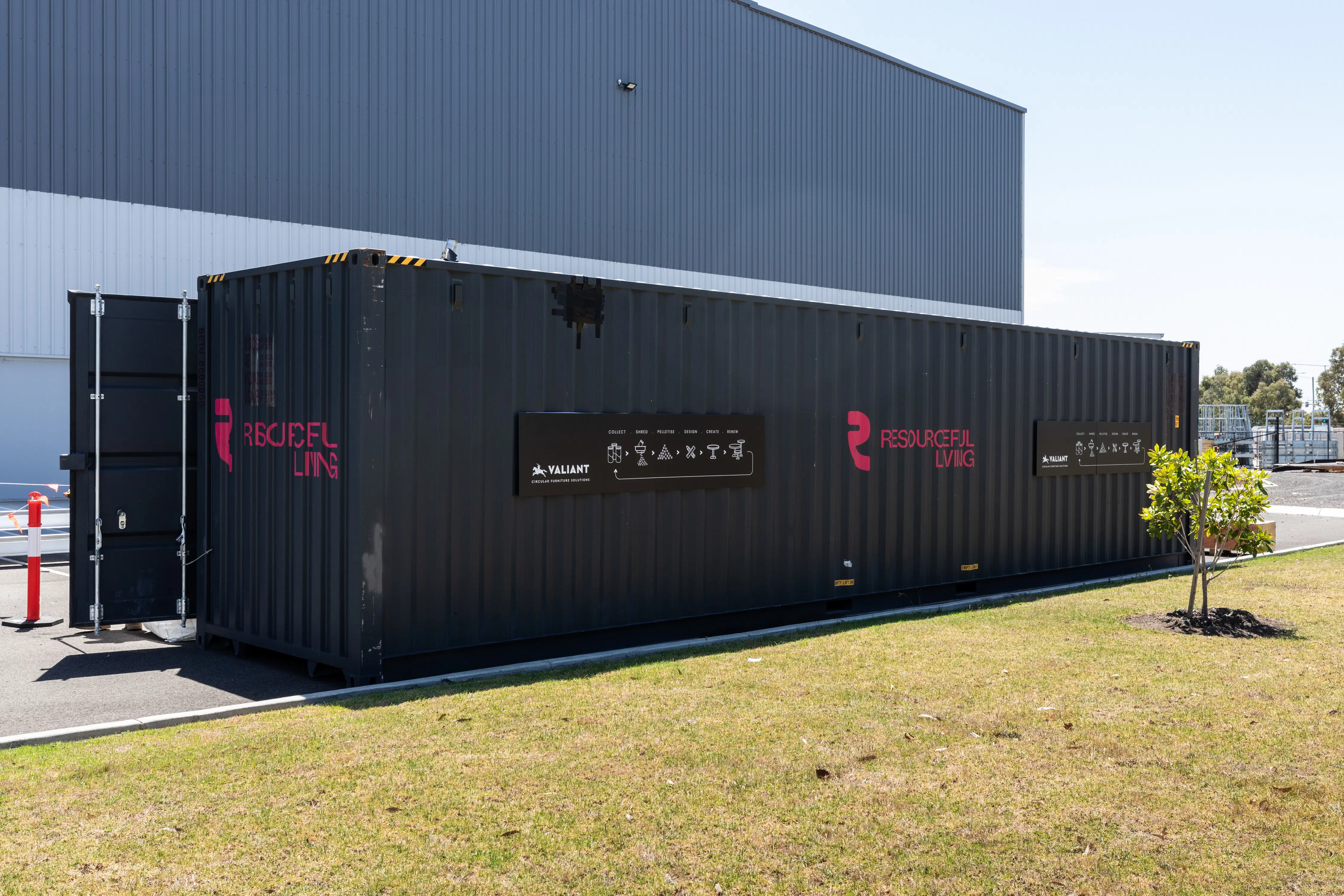
At Resourceful Living, we didn't want to just talk about the problem: we built the infrastructure to solve it. Our manufacturing facility in Newcastle has the capacity to process 1 tonne of Australian plastic waste every single day.
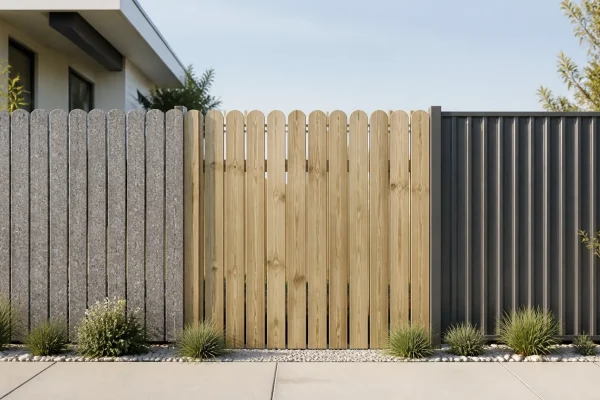
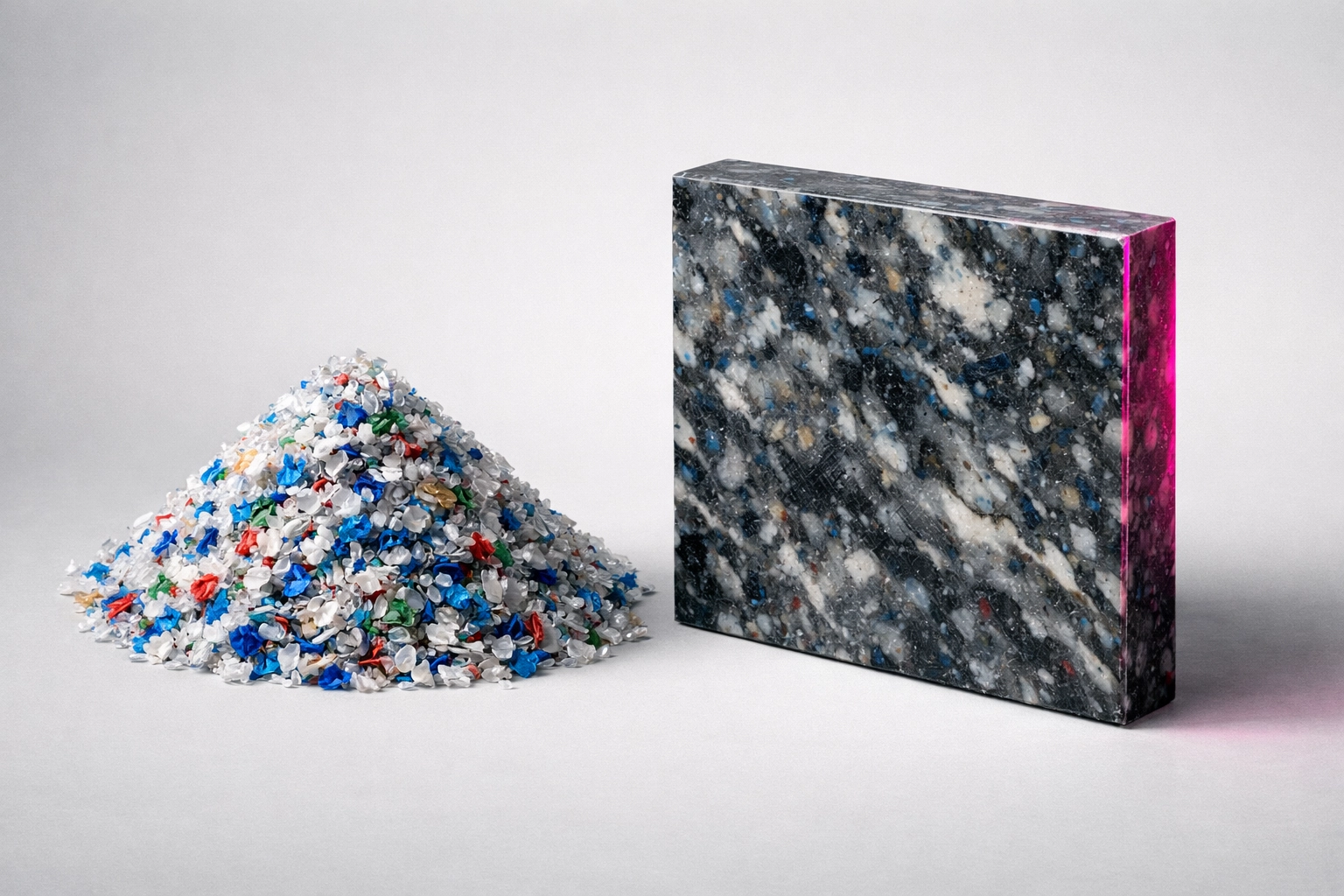
That is 365 tonnes of plastic diverted from landfill annually, transformed into high-performance building materials. We specialise in turning HDPE and LDPE (think milk bottles, detergent containers, and soft plastics) into durable, structural-grade sheets and furniture.
Why Our 1-Tonne Capacity Matters for Your Project:
- Scale: We can handle the volume required for large-scale commercial fit-outs and council infrastructure.
- Traceability: We provide the data you need for your embodied carbon reporting.
- Speed: Local manufacturing means shorter lead times compared to imported sustainable materials.
Recycled Plastic vs. Traditional Materials: The Performance Gap
A common misconception is that "recycled" means "inferior." In the context of 2026 construction standards, the opposite is often true: especially in wet or high-traffic environments.
| Feature | Recycled Plastic Sheets | Traditional Timber | Concrete |
|---|---|---|---|
| Moisture Resistance | 100% Waterproof | Rot-prone | Porous/Stains |
| Maintenance | Zero (UV Stable) | High (Oiling/Sanding) | Moderate (Sealing) |
| Circular Credit | High (Fully Recyclable) | Low (Often Treated) | Low (Energy Intensive) |
| Durability | Won't crack or splinter | Subject to termites | Brittle/Heavy |
When you compare recycled plastic vs. concrete for structural infrastructure, the weight reduction alone offers massive savings in transport and installation labour.
Practical Applications in 2026
Where exactly is this material going? We are seeing a massive surge in three key areas:
1. Public Infrastructure
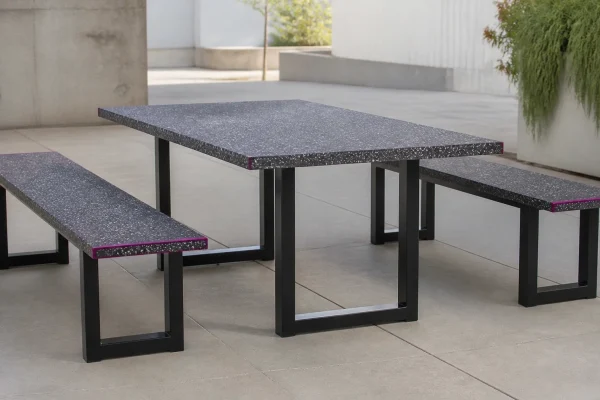
Councils are leading the charge. By replacing rotting timber park benches with maintenance-free recycled plastic furniture, they are effectively "closing the loop" on their own residents' yellow-bin waste.
2. Commercial Fit-outs
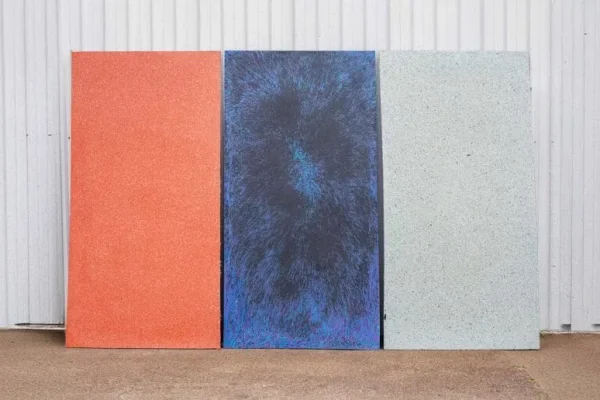
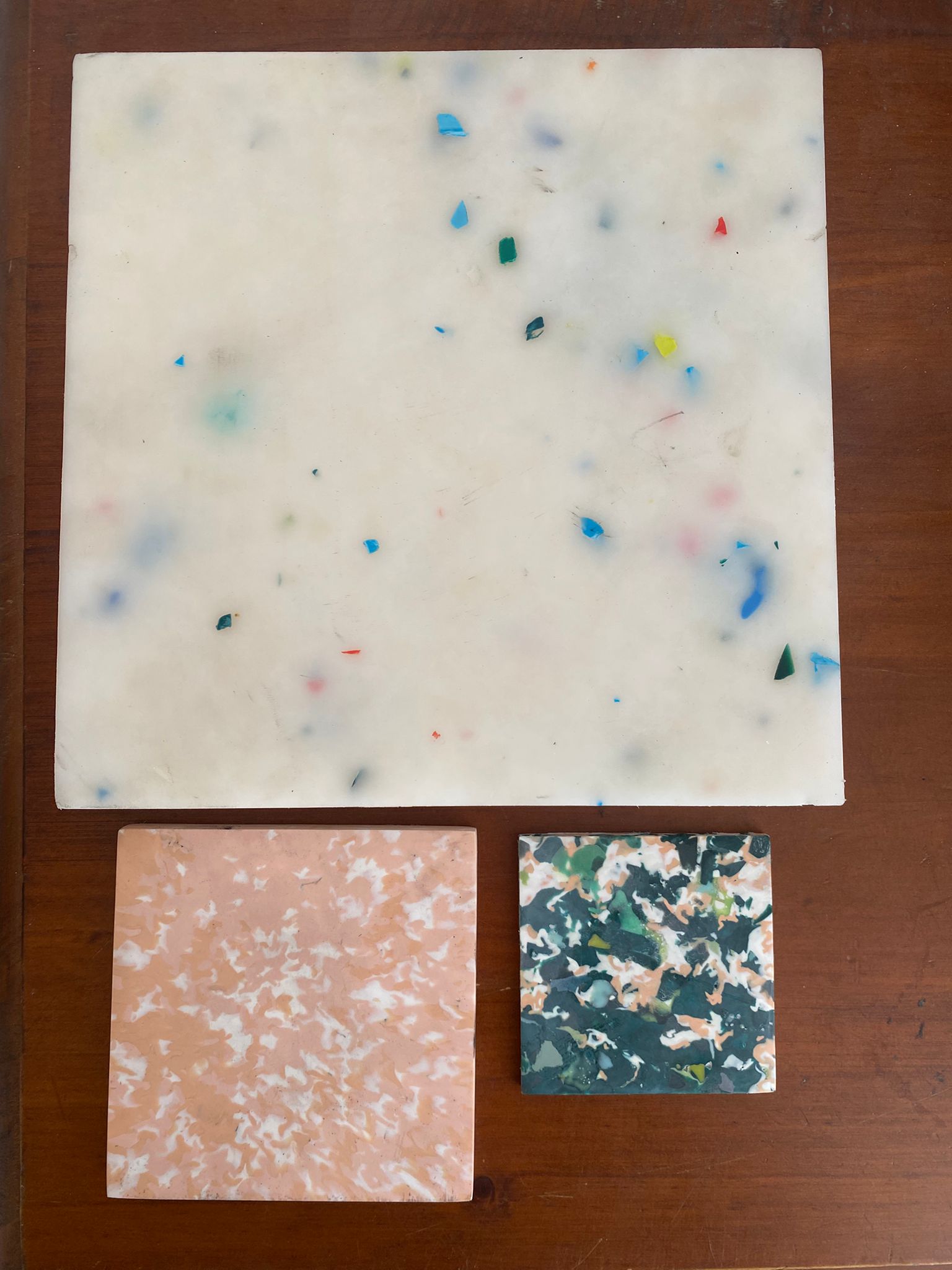
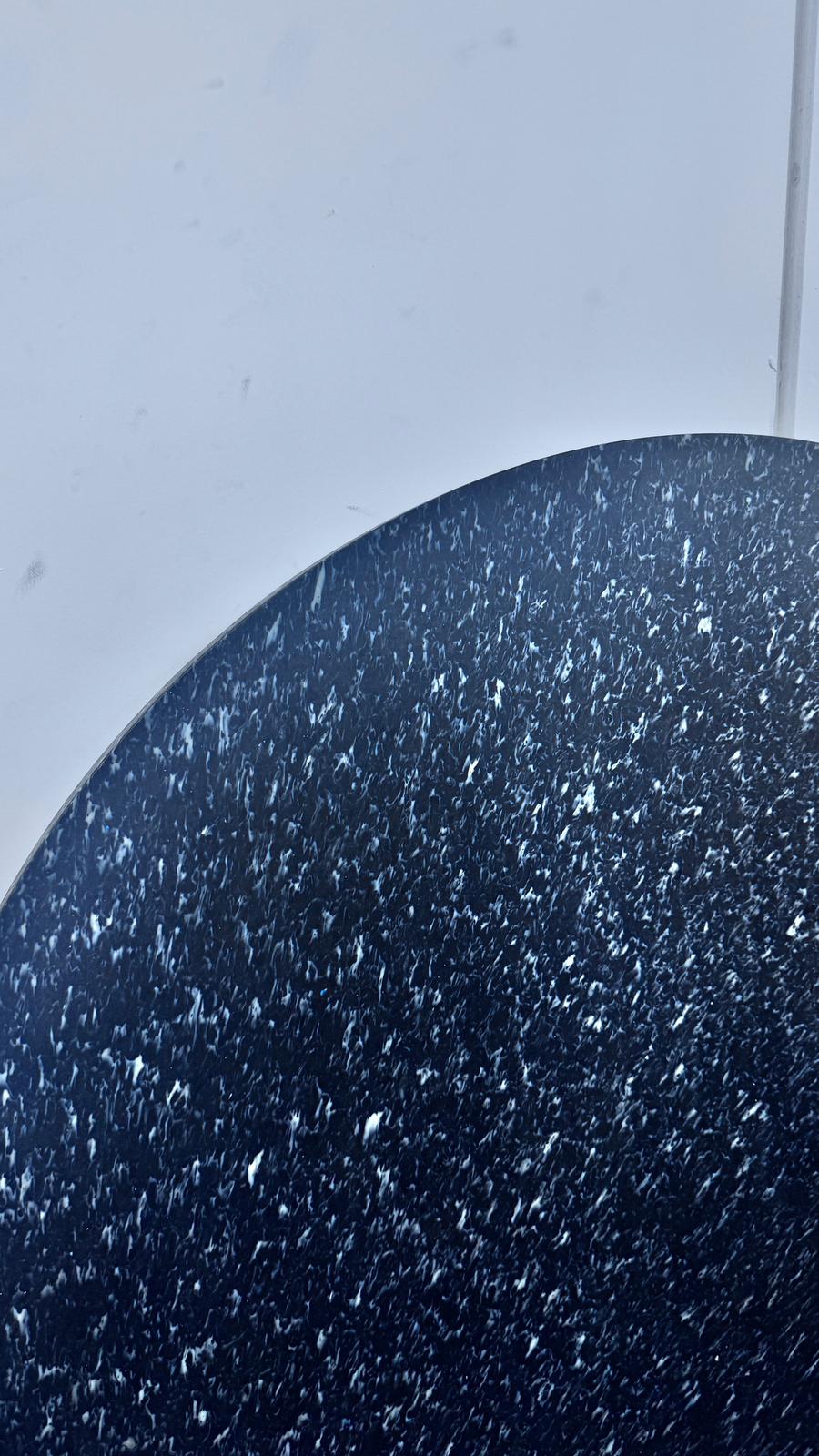
Retailers and office developers are using our 'Confetti' and marbled panels for sustainable benchtops and retail displays. These materials offer a unique aesthetic that tells a story: showing customers that the brand is committed to the circular economy.
3. Education Spaces
Schools are perfect testing grounds for these materials. From recycled plastic benchtops in science labs to outdoor learning areas, the durability and "touchable sustainability" make them a favourite for educators.
How to Meet Recycled Content Targets and Win Tenders
Government tenders in 2026 now frequently include a 20-30% weighting on sustainable procurement and local content. If you aren't specifying recycled materials, you’re handing the contract to your competitor.
To ensure you're protected, follow these 3 Steps to Circular Compliance:
- ✅ Specify Early: Don't wait until the procurement phase. Include recycled plastic sheets in the initial design. Use our ultimate guide to specifying recycled plastic to get the wording right.
- ✅ Verify the Source: Ensure the material is 100% Australian waste. Avoid "greenwashed" imports that have a massive carbon footprint from shipping.
- ✅ Check the Take-Back Program: A truly circular material must be recyclable again. Resourceful Living offers a take-back program for all our offcuts and end-of-life products.
For more tips on navigating this, check out our guide on how to meet recycled content targets and win tenders.
The Path Forward
The $64 billion waste problem is a daunting figure, but for the proactive builder, it represents a $64 billion opportunity. By integrating recycled materials into your workflow today, you are future-proofing your business against the regulatory and economic shifts of tomorrow.
Ready to start diverting your first tonne?
Whether you need custom-coloured sheets for a boutique project or bulk supply for a major infrastructure tender, Resourceful Living has the capacity and the expertise to help you close the loop.
Next Steps:
- Download our Material Data Sheets to see how our panels perform under stress.
- Book a Factory Tour in Newcastle to see the 1-tonne-per-day process in action.
- Read our latest Case Study on how structural soft plastics are powering Australia’s circular economy.
Don't let your project be part of the $64 billion problem. Be part of the solution.