As we charge toward 2026, the Australian building and design landscape is shifting faster than ever. We aren't just talking about "being green" anymore; we’re talking about mandatory embodied carbon reporting, stricter NABERS ratings, and a genuine push for a circular economy.
Recycled plastic sheets in Australia have become a go-to solution for architects, shopfitters, and developers looking to slash their environmental footprint. But here’s the thing: not all recycled plastic is created equal. I’ve seen plenty of projects hit a wall because someone assumed a recycled sheet behaves exactly like plywood or virgin acrylic.
If you want to hit those 2026 sustainability targets without your project falling apart (literally or figuratively), you need to avoid these seven common pitfalls.
1. Underestimating the "Thermal Shuffle"
One of the biggest mistakes I see is treating recycled plastic sheets like they are timber. Unlike plywood, plastic has a relatively high thermal expansion coefficient. This means it will expand and contract as the temperature changes: and in Australia, we know those temperature swings can be brutal.
If you fix a recycled plastic panel too tightly without allowing for movement, it will buckle or warp.
- ✅ The Fix: Always use oversized pilot holes and avoid countersinking screws too deeply.
- ✅ Pro Tip: Leave a small gap (expansion join) between panels, especially in outdoor applications.
2. Ignoring UV Stabilization (The "Aussie Sun" Factor)
You might find cheap recycled plastic sheets in Australia that look great on day one, but if they aren't specifically stabilized for our UV levels, they’ll be brittle and faded by day 365. Many recycled plastics are sourced from post-consumer waste like milk bottles (HDPE) or soft plastics (LDPE), which naturally degrade under intense sunlight.
At Resourceful Living, we don't just melt plastic; we engineer it. We ensure our panels are formulated to withstand the harsh Australian climate, so your retail fit-out or outdoor furniture doesn't become a liability in two years.
3. Falling for the "Greenwashing" Trap (Lack of Traceability)
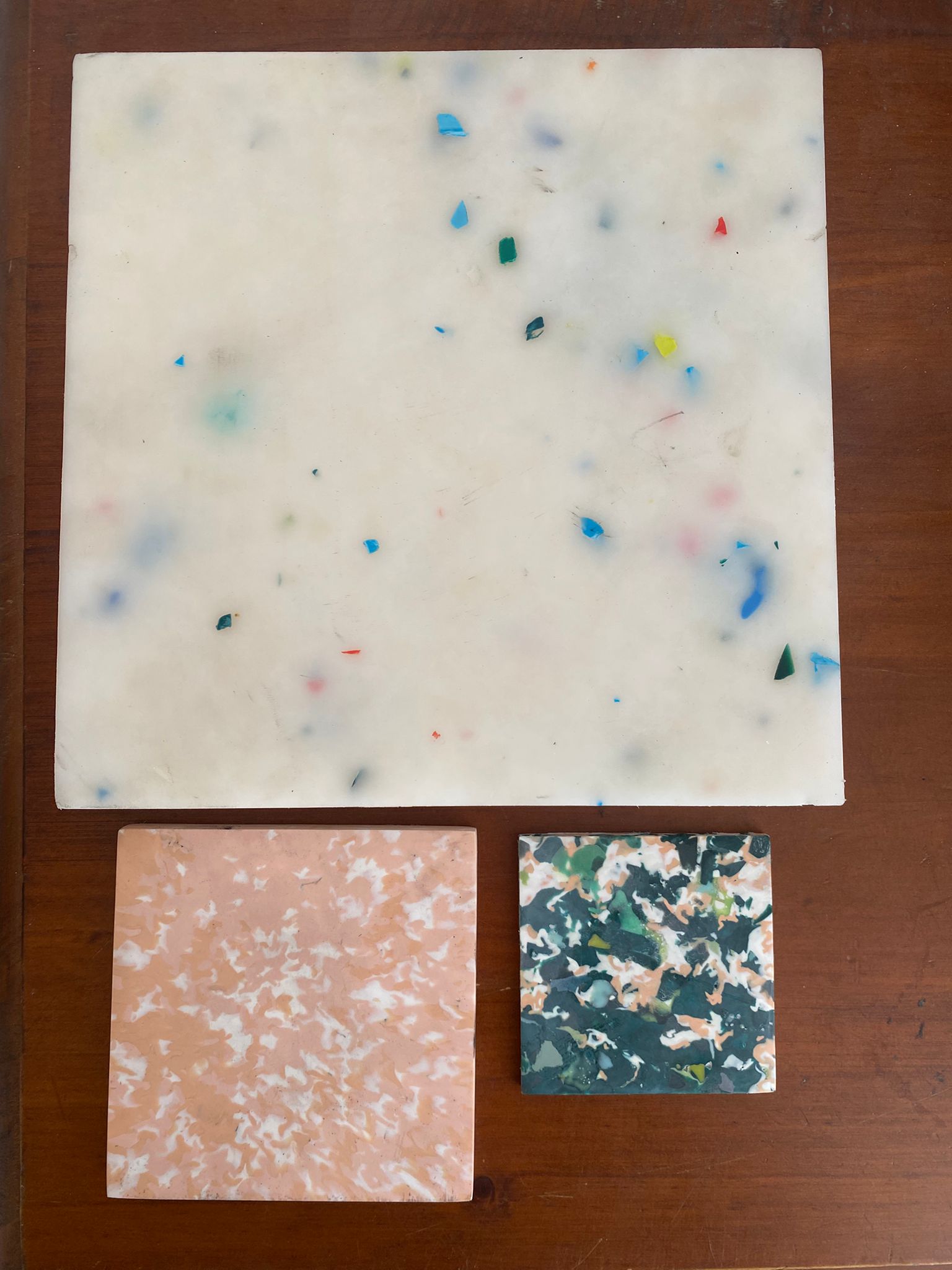
With 2026 bringing Australia's new embodied carbon rules, "trust me, it’s recycled" is no longer a valid procurement strategy. If you can't prove where the waste came from, you can't accurately report on your project's sustainability metrics.
Many "recycled" products on the market are actually imported from overseas, carrying a massive carbon footprint from shipping alone.
- The Resourceful Living Difference: Our panels are made from 100% Australian plastic waste. We provide local traceability, meaning you can tell your clients exactly which waste stream their new benchtops came from. This is critical for embodied carbon reporting.
4. Choosing the Wrong Thickness for Structural Loads
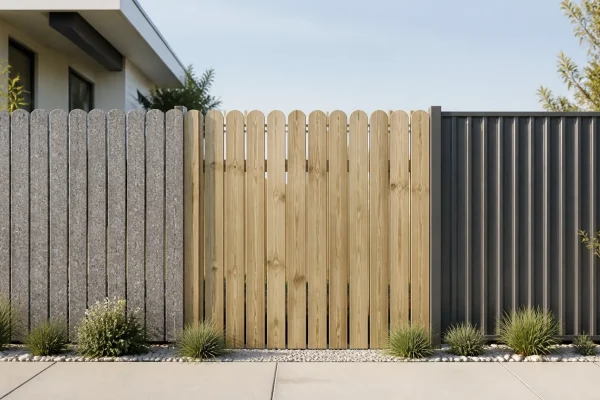
I often get calls from people wanting to use a 10mm sheet for a structural benchtop or a heavy-duty gate. While recycled plastic is incredibly durable, it lacks the internal grain structure of timber. It is a flexible material.
If you choose a sheet that is too thin for the span, it will sag over time (this is known as "creep").
Quick Guide to Thickness Selection:
| Application | Recommended Thickness | Why? |
|---|---|---|
| Decorative Wall Cladding | 10mm – 12mm | Lightweight and easy to install. |
| Cabinetry & Joinery | 15mm – 20mm | Holds fasteners well and offers rigidity. |
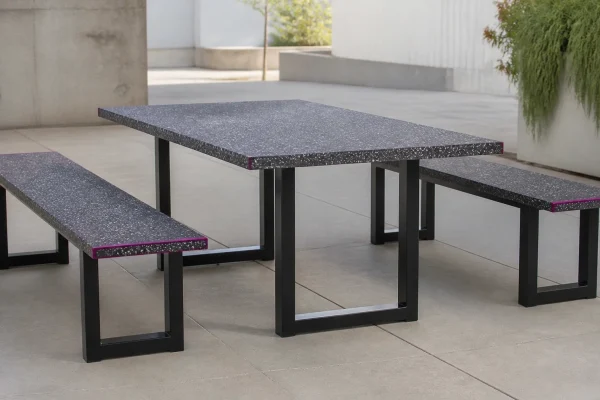
| Structural Benchtops | 20mm+ | Minimal sagging; high impact resistance. |
| Heavy Infrastructure | 30mm+ | Maximum durability for high-traffic areas. |

5. Using the Wrong Tools for the Job
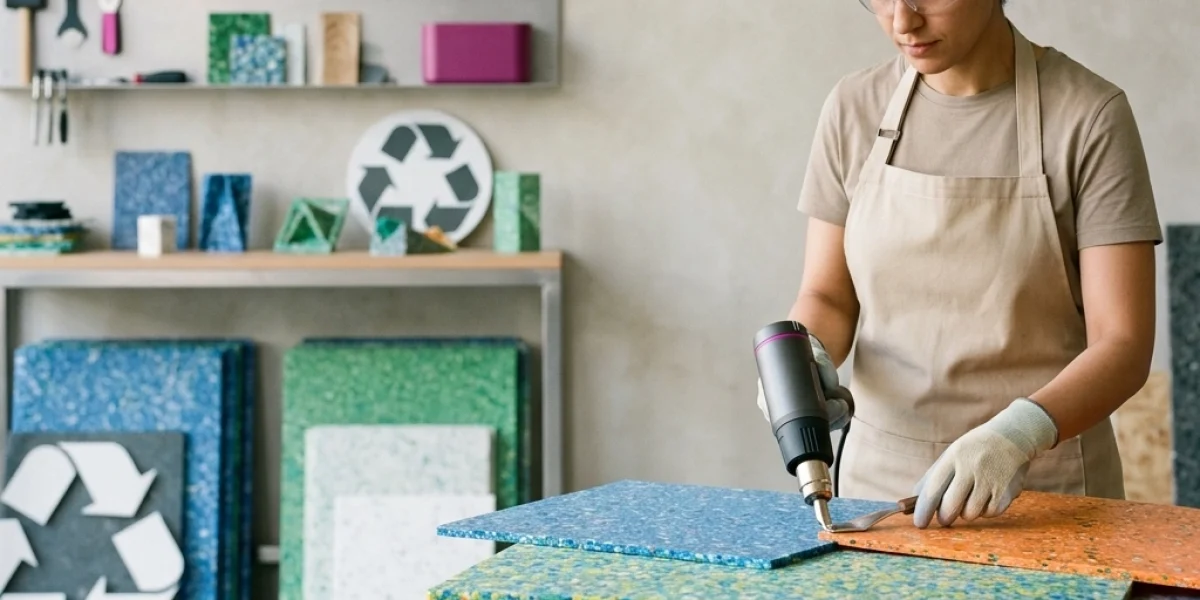
You don't need a specialized "plastic laser" to work with our materials, but you do need the right settings. One common mistake is using high-speed timber blades that generate too much heat. If the plastic gets too hot during cutting or drilling, it will melt and fuse back together behind the blade.
- 🛠️ Blades: Use a negative rake saw blade or a blade designed for non-ferrous metals/plastics.
- 🛠️ Speed: Slow down your feed rate and keep the blade cool.
- 🛠️ CNC: Our sheets are a dream for CNC machining, but you need to dial in your chip load to prevent melting.
6. Forgetting the "End-of-Life" Plan
True circularity isn't just about buying something made from recycled content; it’s about ensuring that product never hits a landfill again. Many builders install recycled plastic and then forget about it.
By 2026, the best tenders will include a circular construction plan. This means you need to know exactly what happens to the offcuts during construction and what happens to the panels if the building is renovated in ten years.
"A product is only truly circular if there is a guaranteed pathway for it to be recycled again. Without a take-back program, you're just delaying the landfill, not preventing it." : The Resourceful Living Philosophy
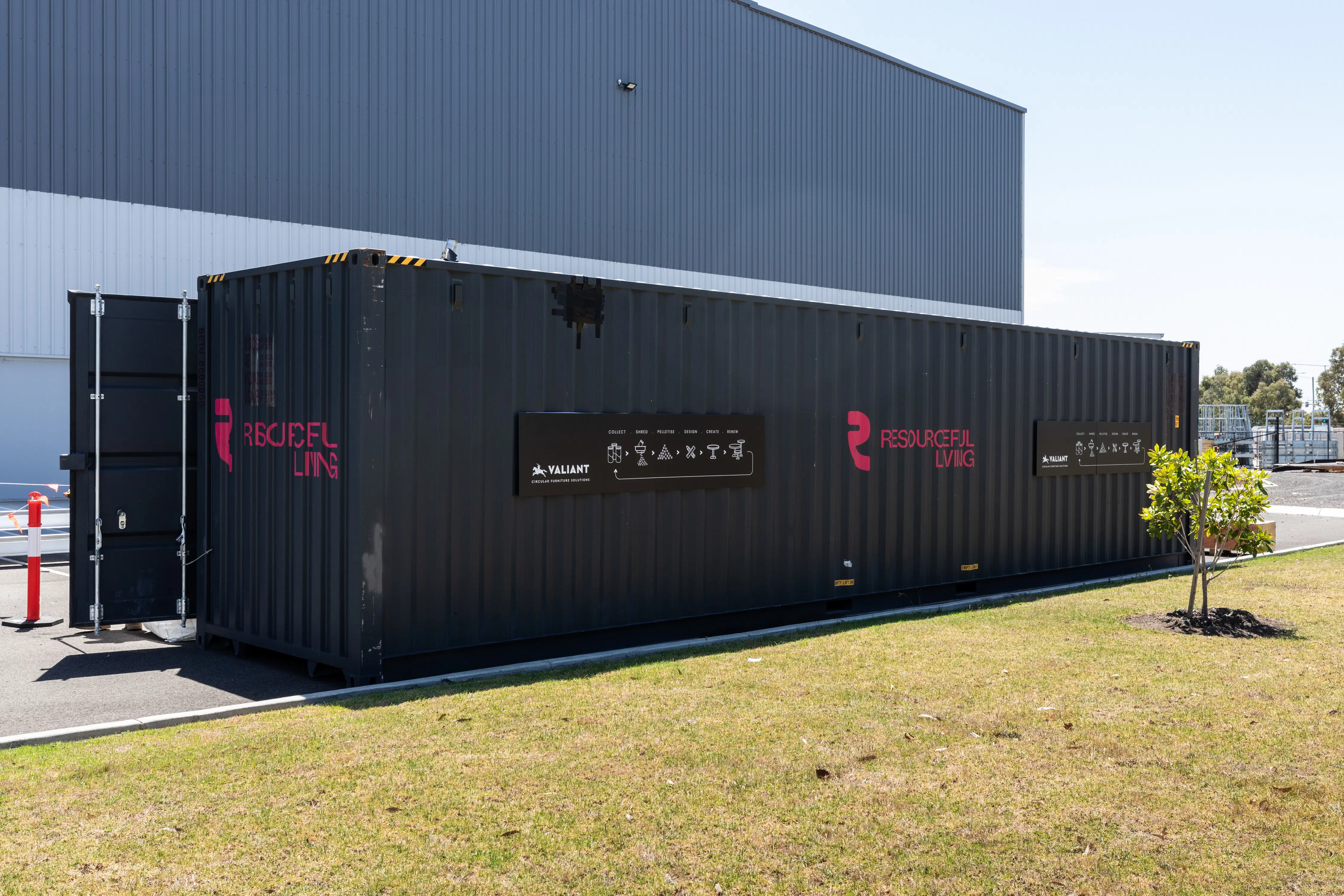
We offer a take-back program for all our panels. Whether it’s installation offcuts or a full fit-out being decommissioned, we take the material back and turn it into new sheets. That is how you ace your next tender.
7. Thinking Sustainable Means "Industrial and Ugly"
There is a lingering myth that if it’s made from recycled plastic, it has to look like a grey park bench or a piece of industrial farm equipment. This mindset is a huge mistake for designers and shopfitters.
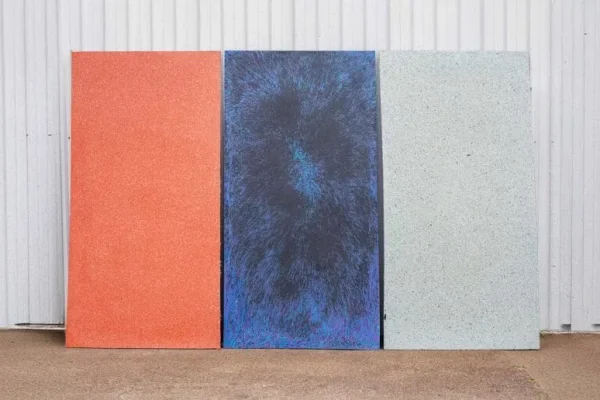
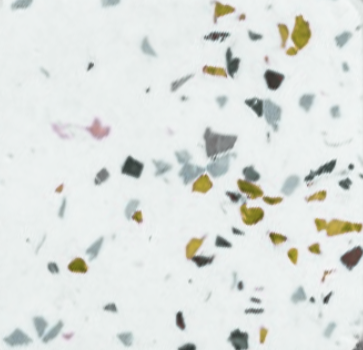
Recycled plastic sheets can be stunningly beautiful. From the marbled look of our 'Navy White Marble' to the vibrant 'N70 White Confetti,' these materials are a design feature, not just a sustainability checkbox.
- Retail Displays: Use high-contrast speckled patterns to make products pop. Check out our tennis display case study for inspiration.
- Residential: Compare the best recycled plastic benchtops to see how they stack up against stone and timber.
How to Nail Your 2026 Sustainability Targets: A Checklist
If you’re aiming for Net Zero or trying to satisfy new government procurement rules, follow this checklist when ordering your materials:
- Verify Origin: Ensure the sheets are manufactured in Australia from 100% local waste.
- Request Data: Ask for the lifecycle analysis or embodied carbon data for your reporting.
- Specify UV Stability: Especially for projects in WA, QLD, or NT.
- Plan for Expansion: Ensure your installers know how to handle the thermal movement of HDPE/LDPE.
- Secure the Loop: Confirm the manufacturer has a take-back program for offcuts and end-of-life.
Why Resourceful Living?
We don't just supply recycled plastic sheets in Australia; we partner with you to make sure your project is a success. We’ve helped councils replace rotting timber with maintenance-free plastic and assisted architects in meeting the toughest structural soft plastic requirements.
Ready to see the material for yourself? Check out our range of sustainable panels or get in touch for a sample pack. Let's make 2026 the year your projects become truly circular.