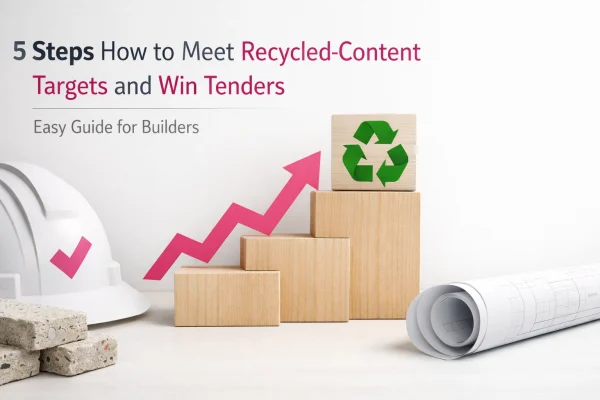

If you’ve spent any time on a Tier 1 construction site or in a high-end commercial fit-out lately, you’ve likely noticed a shift. The familiar scent of treated pine and the sight of warped marine plywood are slowly being replaced by something different. Something tougher.
The industry is buzzing about structural soft plastics.
Now, I know what you’re thinking. "Soft plastic" and "structural" don't usually belong in the same sentence. We’re used to thinking of soft plastics as the annoying crinkly stuff: bread bags, pallet wrap, and bubble wrap: that ends up clogging our oceans or sitting in landfill for a thousand years.
But at Resourceful Living, we’ve flipped the script. By taking that "waste" and processing it into high-performance recycled plastic sheets, we’ve created a material that isn't just a "green alternative": it’s actually outperforming traditional materials in the field.
Here is why everyone in the Australian building and design space is making the switch, and why your next project probably should too.
What Exactly Are "Structural Soft Plastics"?
Let’s get the technical bit out of the way. When we talk about structural soft plastics, we aren’t talking about a flimsy product. We are talking about the result of advanced thermal compression.
We take post-industrial and post-consumer "soft" plastics: specifically LDPE (Low-Density Polyethylene), PP (Polypropylene), and HDPE (High-Density Polyethylene): and process them into solid, rigid panels.
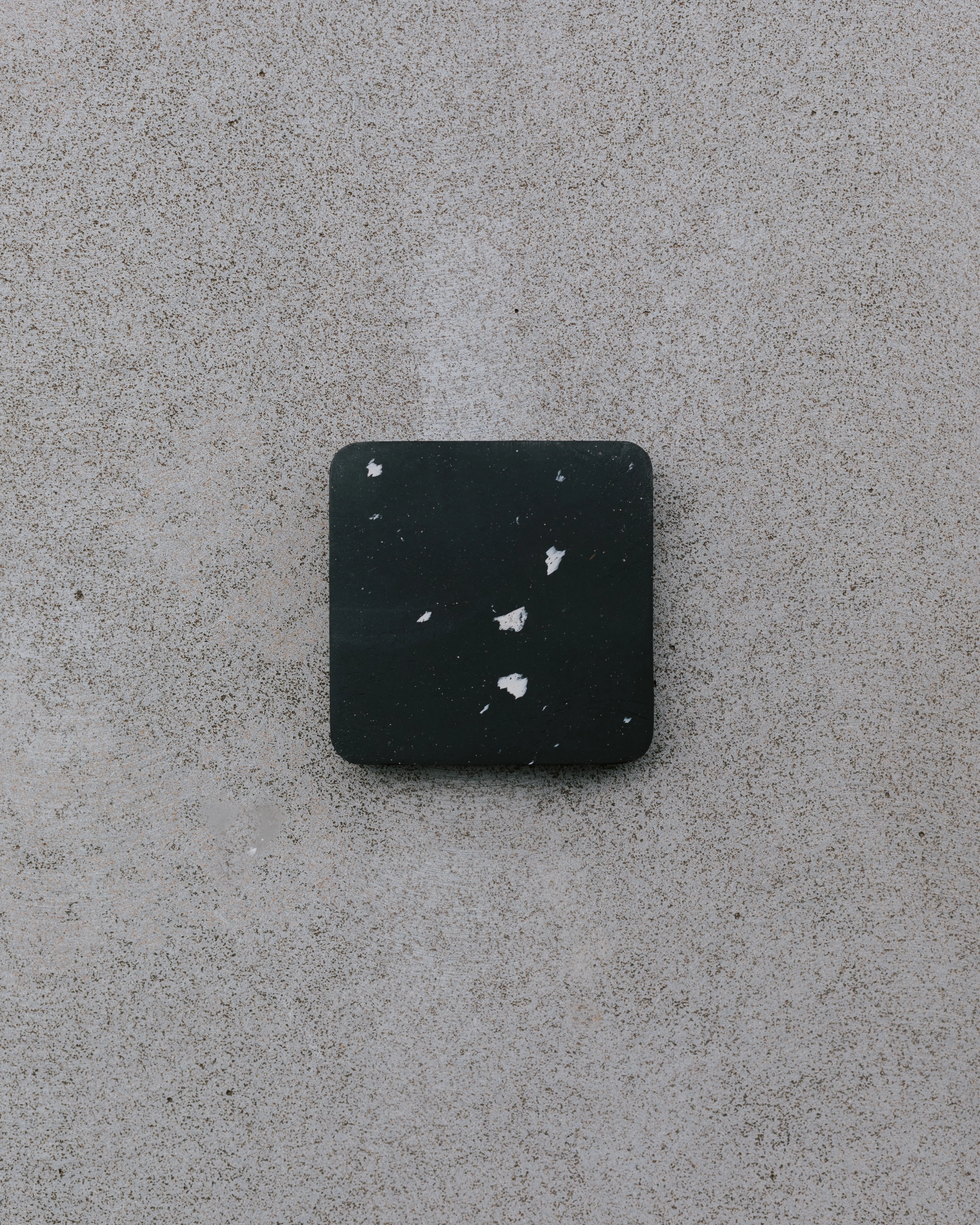
Through a precise heating and pressing cycle, these flexible films are fused into a monolithic recycled plastic board. The result is a high-density material that has the structural integrity to replace timber, MDF, and plywood in a variety of heavy-duty applications.
Why the "Soft" Plastic Origin Matters
Most people assume recycled boards are made from hard plastics like milk bottles. While we use those too, the inclusion of soft plastics (like pallet wrap) is the real game-changer. These polymers offer a unique level of impact resistance and flexural strength. Unlike brittle materials, a structural soft plastic sheet can absorb energy without cracking, making it ideal for the chaos of a busy construction site.
The Durability Factor: Built to Last 50+ Years
One of the biggest headaches for site managers and developers is the replacement cycle. Timber rots. Steel rusts. Plywood delaminates after a few heavy rainfalls.
Recycled plastic sheets don't have those "biological" weaknesses.
- 100% Waterproof: These boards can be submerged in water indefinitely without swelling or losing structural integrity.
- UV Stabilised: Our panels are engineered with UV stabilisers, meaning they won't become brittle or fade under the harsh Australian sun.
- Termite Proof: Since there is zero organic matter (wood fibre) in the board, termites and pests have absolutely no interest in it.
- 50-Year Lifespan: In many applications, these panels are rated for a half-century of service.
When you compare the recycled plastic board vs treated timber, especially in coastal or high-moisture environments, the plastic board wins every single time on longevity.
The "Green Math": Turning 20kg of Waste into an Asset
We talk a lot about "circularity" in the industry, but what does it actually look like in practice?
For every single standard sheet of our recycled plastic material produced, we prevent approximately 20kg of plastic waste from entering Australian landfills.
Think about a standard site hoarding project or a large-scale commercial fit-out. If you’re using 100 sheets, you’ve just diverted 2 tonnes of plastic from the waste stream. That is a massive win for your ESG (Environmental, Social, and Governance) reporting.
In 2026, Australia’s new embodied carbon rules are more stringent than ever. Using materials that actively sequester waste and have a lower carbon footprint than virgin steel or aluminium isn't just "nice to have": it’s becoming a requirement to win tenders.
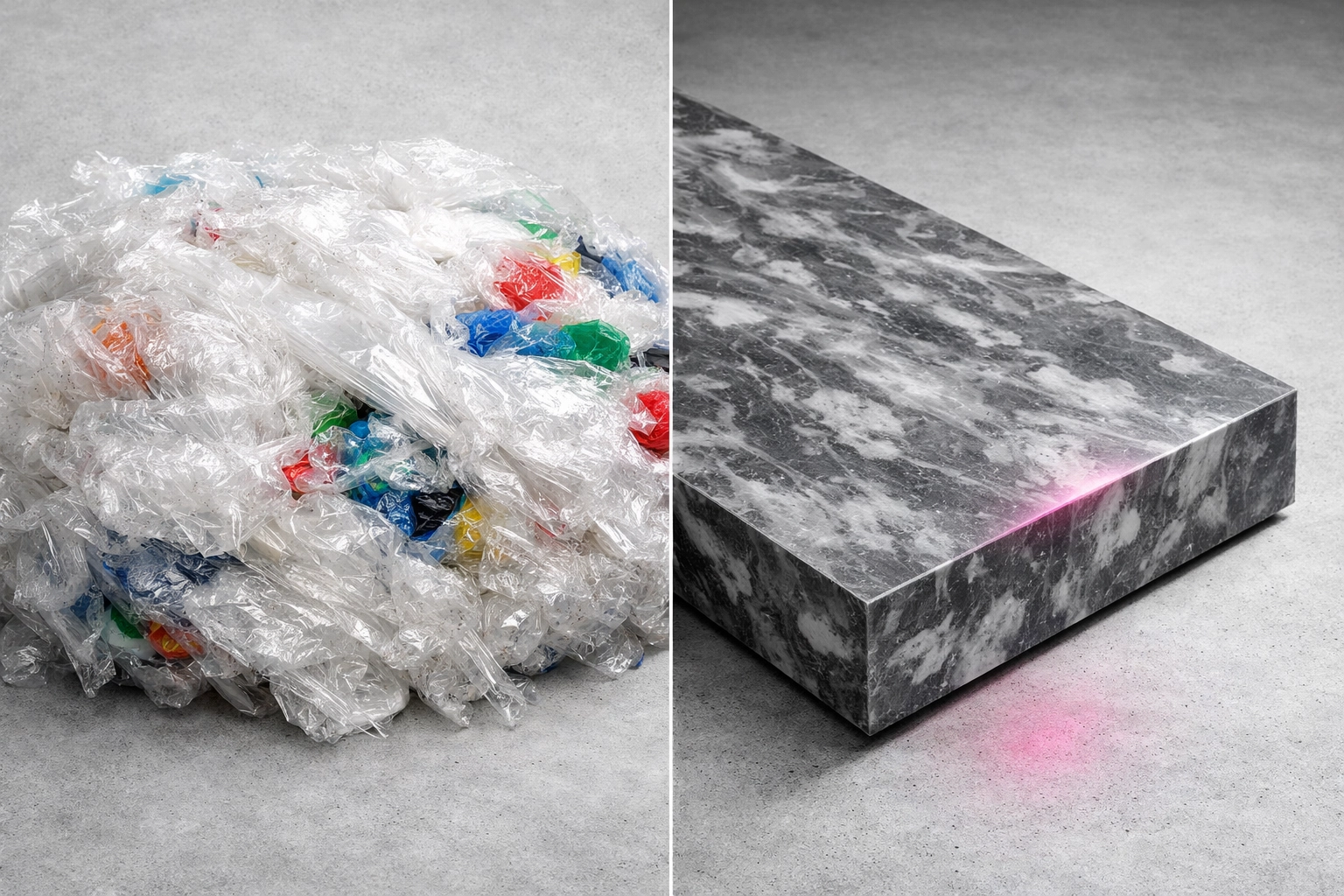
Suggested Image: A graphic showing a pile of soft plastic waste (bags/wrap) on one side and a sleek, finished structural panel on the other, with "= 20kg diverted" in the middle.
Where Are Builders Using It?
"That sounds great, Penny, but what do I actually do with it?"
Glad you asked. The versatility of recycled plastic board is its greatest strength. We’re seeing it pop up in areas where traditional materials usually fail.
1. Concrete Formwork
Traditional formwork involves a lot of "use it and lose it" timber. Recycled plastic sheets are a dream for formwork because concrete doesn't stick to them. You get a smoother finish, and you can reuse the same sheet dozens of times more than plywood. Check out our guide on recycled plastic panels for modular construction to see how this is scaling.
2. Site Hoarding and Protection
Temporary fencing and hoarding are usually an environmental nightmare. By using UV-stabilised recycled plastic, you get a hoarding system that looks professional, doesn't splinter, and can be moved from site to site for years.
3. Commercial Fit-outs and Retail
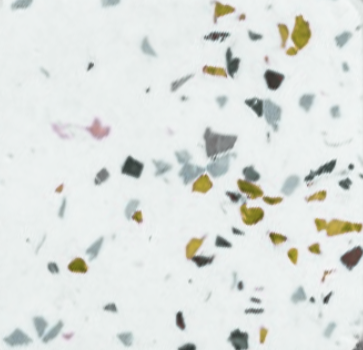
Because our boards come in unique finishes: like our 'N70 White Confetti' or 'Navy Marble': designers are using them for retail displays, cabinetry, and even wall cladding. It’s durable enough for high-traffic areas but looks like a bespoke architectural finish.
4. Public Infrastructure
Councils are some of our biggest advocates. From park benches to boardwalks, they are switching to 100% recycled plastic because it slashes their long-term maintenance budgets. No more painting, sealing, or replacing rotted slats every five years.
Comparing the Options: Plastic vs. The World
If you’re still on the fence, let’s look at how structural soft plastics stack up against the "old guard" of building materials.
| Feature | Recycled Plastic Board | Marine Plywood | Treated Timber |
|---|---|---|---|
| Water Resistance | 100% (Indefinite) | High (Temporary) | Moderate |
| Lifespan | 50+ Years | 5–10 Years | 10–15 Years |
| Maintenance | Zero | High (Staining/Sealing) | High |
| Sustainability | Diverts 20kg waste/sheet | Uses virgin timber | Uses chemicals/virgin timber |
| Cost over 10 years | Low (One-time cost) | High (Replacement costs) | High (Maintenance/Replacement) |
As you can see, while the upfront cost of a recycled plastic sheet might be slightly higher than a cheap piece of ply, the cost and lifespan comparison shows it’s actually the most economical choice over the life of a project.
Solving the ESG Puzzle
We’re moving into an era where "how you build" is just as important as "what you build." For project managers, the pressure to hit sustainability targets is real.
Integrating these materials helps you slash your site waste and can even help with your NABERS rating.
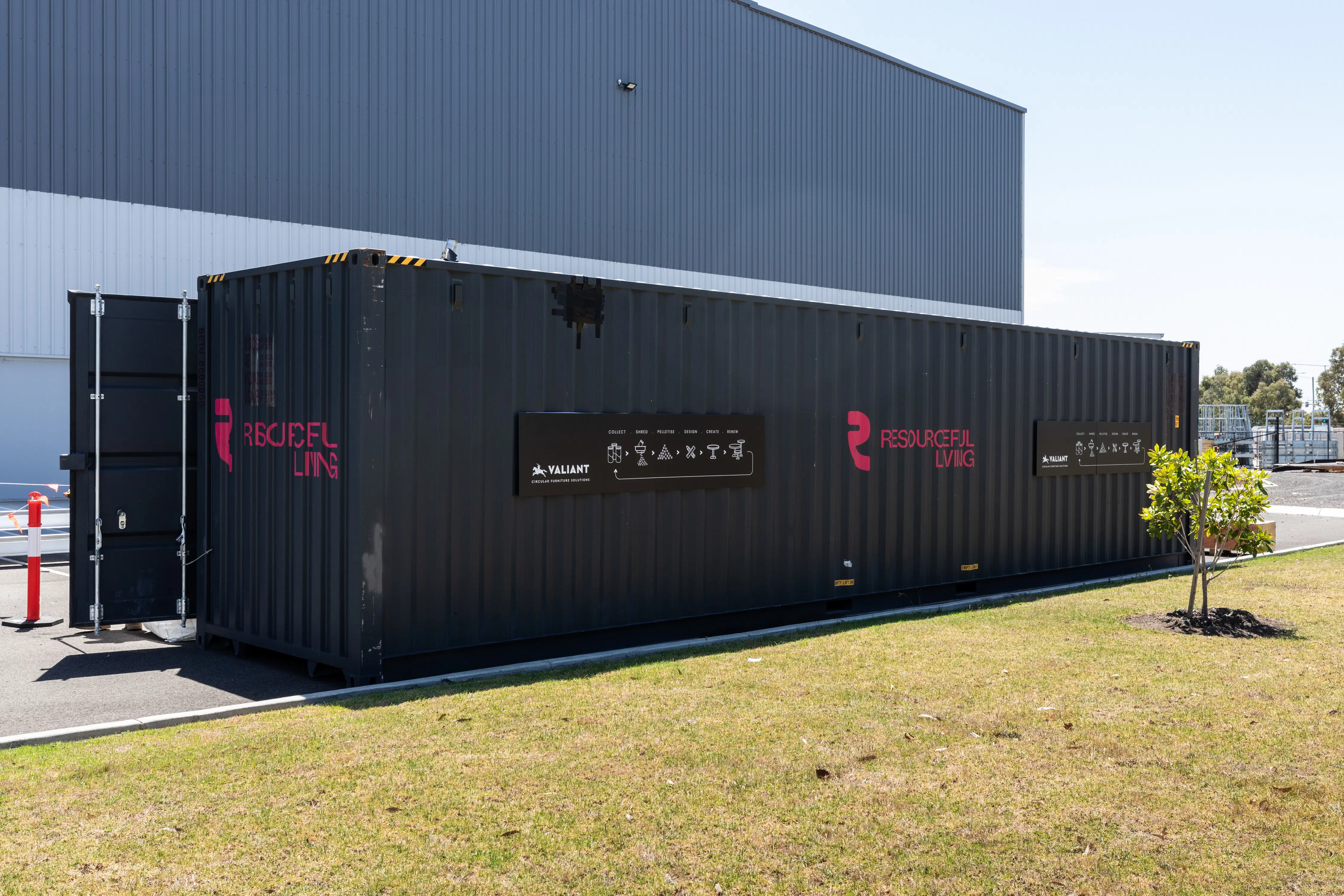
But the real magic happens when you close the loop. At Resourceful Living, we don't just sell you a board; we offer a take-back program. When that hoarding or formwork finally reaches the end of its life (decades from now), we take it back and recycle it again. That is a true closed-loop ESG partner program in action.
How to Get Started with Structural Plastics
Transitioning to a new material doesn't have to be a headache. Here’s a quick checklist for your next project:
- Conduct a Waste Audit: Find out where your biggest plastic waste streams are. Use our plastic waste audit template to see if you can supply your own waste for your panels.
- Identify High-Moisture Areas: Look for spots where timber is currently failing or requires constant maintenance. These are the perfect "pilot" areas for recycled plastic.
- Check Your Tender Requirements: More Australian government tenders are now mandating a certain percentage of recycled content. Using these sheets is the easiest way to tick that box.
- Order Samples: Don't just take my word for it. Feel the weight, test the screw-holding capacity, and see the finishes in person.
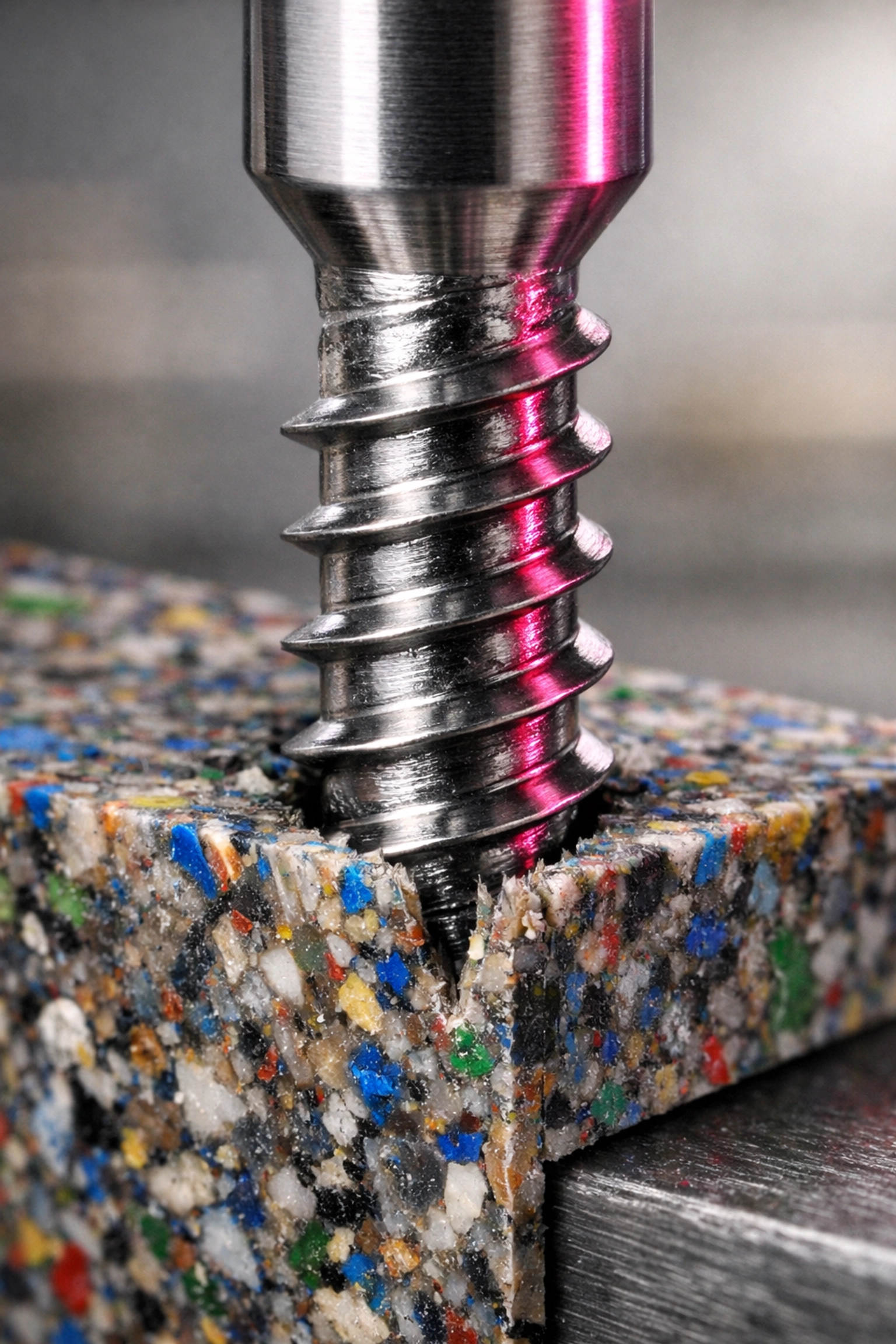
Suggested Image: A close-up of a screw being driven into a recycled plastic board, showing no splitting or cracking, emphasizing the "workability" of the material.
The Bottom Line
Everyone is talking about structural soft plastics because they solve three problems at once: the waste crisis, the durability gap, and the rising cost of maintenance.
The "recycling lie" of the past: where we hoped our blue bins would save the planet: is over. Real change happens in the circular economy, where waste is transformed into a high-value, structural asset.
Whether you're looking for recycled plastic sheets for construction tenders or you're a designer looking for the next big thing in sustainable surfaces, it’s time to take a closer look at what soft plastic can really do.
Ready to see the material in action? Reach out to the team at Resourceful Living, and let’s talk about how we can turn your project waste into your project’s foundation.