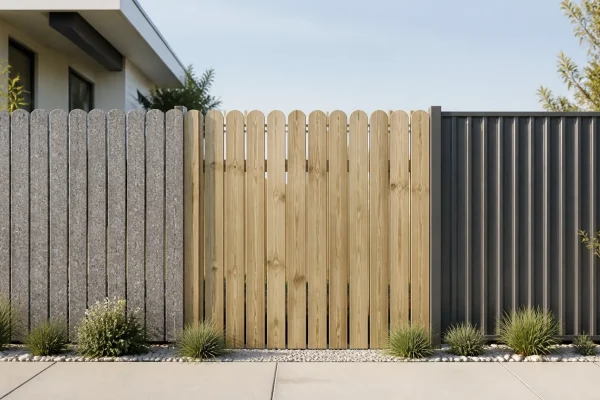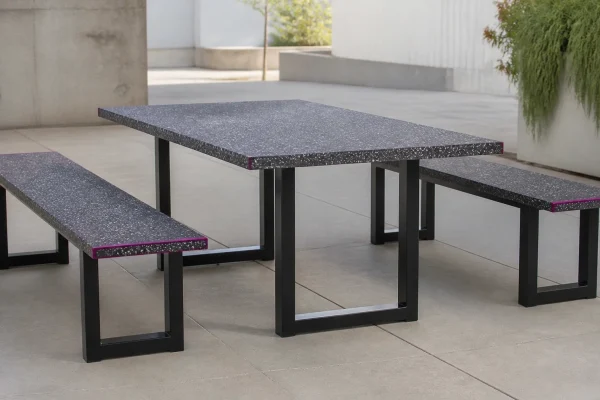

By now, you've likely heard the buzz: the Australian building industry is facing its biggest shake-up in decades. As we charge toward circular construction 2026, the focus has shifted from how much energy a building uses (operational carbon) to the carbon footprint of the materials themselves (embodied carbon).
Reporting on embodied carbon isn't just a "nice-to-have" for your sustainability brochure anymore. It is becoming a core requirement for state government tenders, Green Star ratings, and local council procurement.
However, measuring carbon is complex. If you’re still treating carbon reporting like a standard budget spreadsheet, you’re likely making mistakes that could disqualify your next tender or, worse, leave you open to greenwashing claims.
Here are the seven most common mistakes builders and architects are making right now, and how you can fix them before the 2026 mandates kick in.
1. Misclassifying Primary and Secondary Data
One of the fastest ways to lose credibility in a carbon report is using the wrong data type.
- Primary Data: Comes directly from your specific suppliers (e.g., an invoice showing exactly how much electricity was used to press a plastic sheet).
- Secondary Data: Based on industry averages or global databases.
The Mistake: Relying solely on secondary data because it’s "easier." If you use an industry-average emission factor for a supplier who uses 100% renewable energy, you are over-reporting your emissions. Conversely, if your supplier uses coal-fired power, secondary data will make your project look "greener" than it actually is, which is a major red flag for auditors.
The Fix: Prioritise primary data for your largest material spends. If you can’t get it, clearly disclose the percentage of your report that relies on secondary averages. This transparency is key to embodied carbon reporting in Australia.
2. Confusing Cost Payback with Carbon Payback
We often hear designers say, "Yes, this material has high embodied carbon, but it’s so efficient that it will pay for itself in energy savings over 10 years."
The Mistake: This is a financial logic, not a carbon logic. Embodied carbon is released upfront: before the building is even occupied. With the 2030 and 2050 targets looming, we don't have 10 years to "pay back" the carbon debt. High-embodied-carbon materials like traditional concrete and virgin steel create a "carbon spike" that operational savings can't quickly undo.
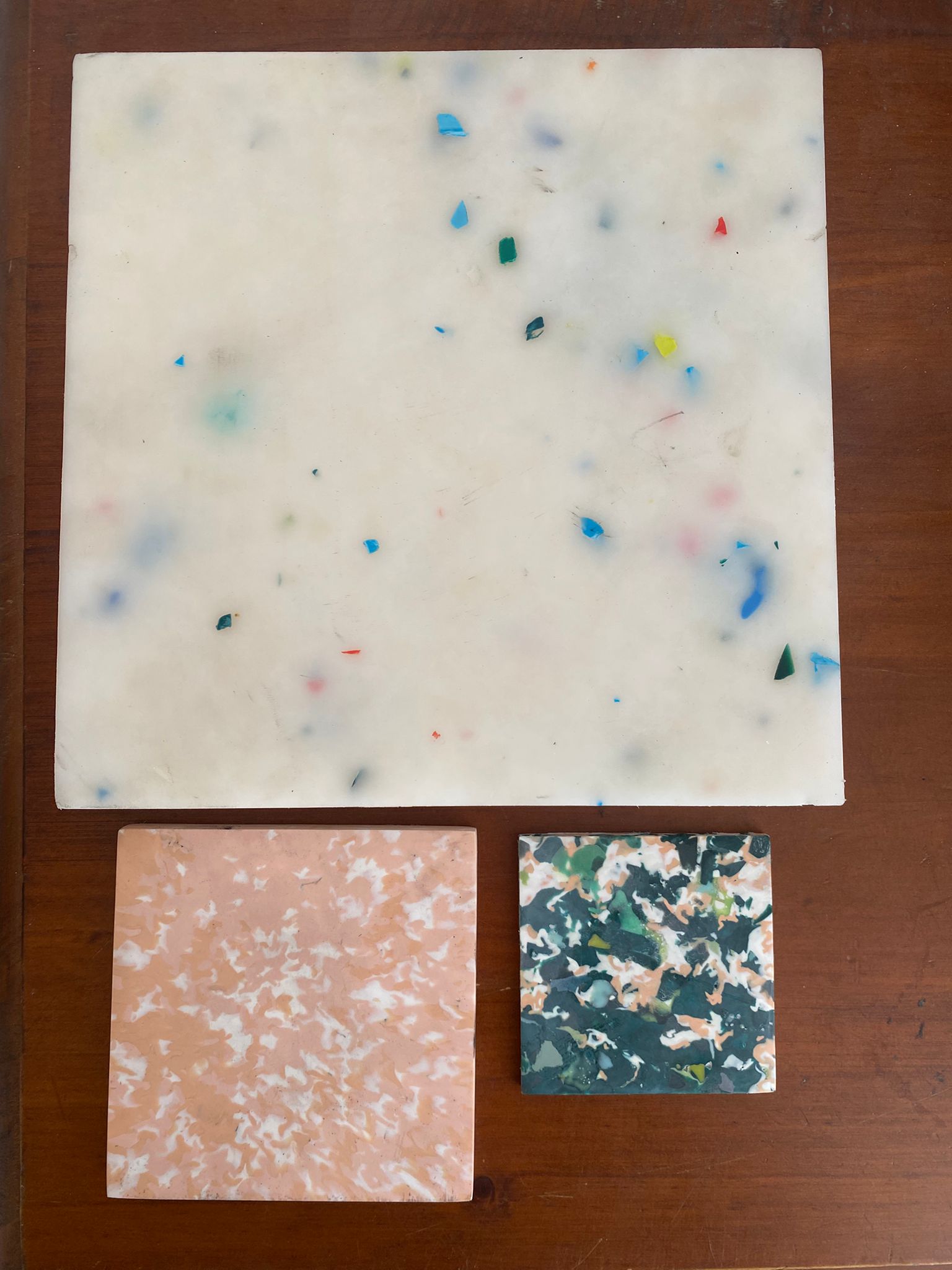
The Fix: Look for materials that offer low carbon from Day 1. For example, recycled plastic vs concrete comparisons often show that choosing recycled materials removes the upfront "carbon debt" entirely.
3. Over-Reliance on Generic EPDs
Environmental Product Declarations (EPDs) are the gold standard, but they aren't all created equal.
The Mistake: Using a "generic" or "industry" EPD for a specific product. A generic EPD for "Plastic Timber" might use data from a factory in Europe with different logistics and energy grids. When you apply that to an Australian project, the transport emissions alone could throw your reporting off by 20% or more.
The Fix: Ask for product-specific EPDs. At Resourceful Living, we focus on traceable Australian plastic waste, ensuring the data you put in your report reflects the actual journey of the material: not a global average.
4. Ignoring Scope 3: The "Hidden" Emissions
Most organisations are okay at reporting Scope 1 (direct emissions) and Scope 2 (purchased electricity). But Scope 3: which includes the extraction, manufacture, and transport of materials you buy: is where 80% of a construction project’s carbon usually sits.
The Mistake: Treating Scope 3 as "too hard" and leaving it out of the initial draft. Government bodies are increasingly requiring full-lifecycle reporting. If you skip this, your project isn't truly "Net Zero."
The Fix: Use a structured framework. Focus on the "Big Three": Concrete, Steel, and Aluminium. Then, look for high-impact swaps. Swapping virgin materials for recycled plastic sheets is one of the easiest ways to slash Scope 3 figures.
5. Falling for "Recyclable" vs. "Recycled"
This is the ultimate greenwashing trap in the procurement phase.
The Mistake: Accepting a product because the brochure says it is "100% recyclable." Recyclable means it could be recycled in the future (but likely won't be). Recycled means the carbon has already been diverted from a landfill.
The Fix: Check the "recycled content" percentage. To meet circular construction 2026 targets, procurement officers are looking for products that take waste out of the system now. Always verify the source of the waste to ensure it isn't just industrial offcuts being rebranded as "recycled."
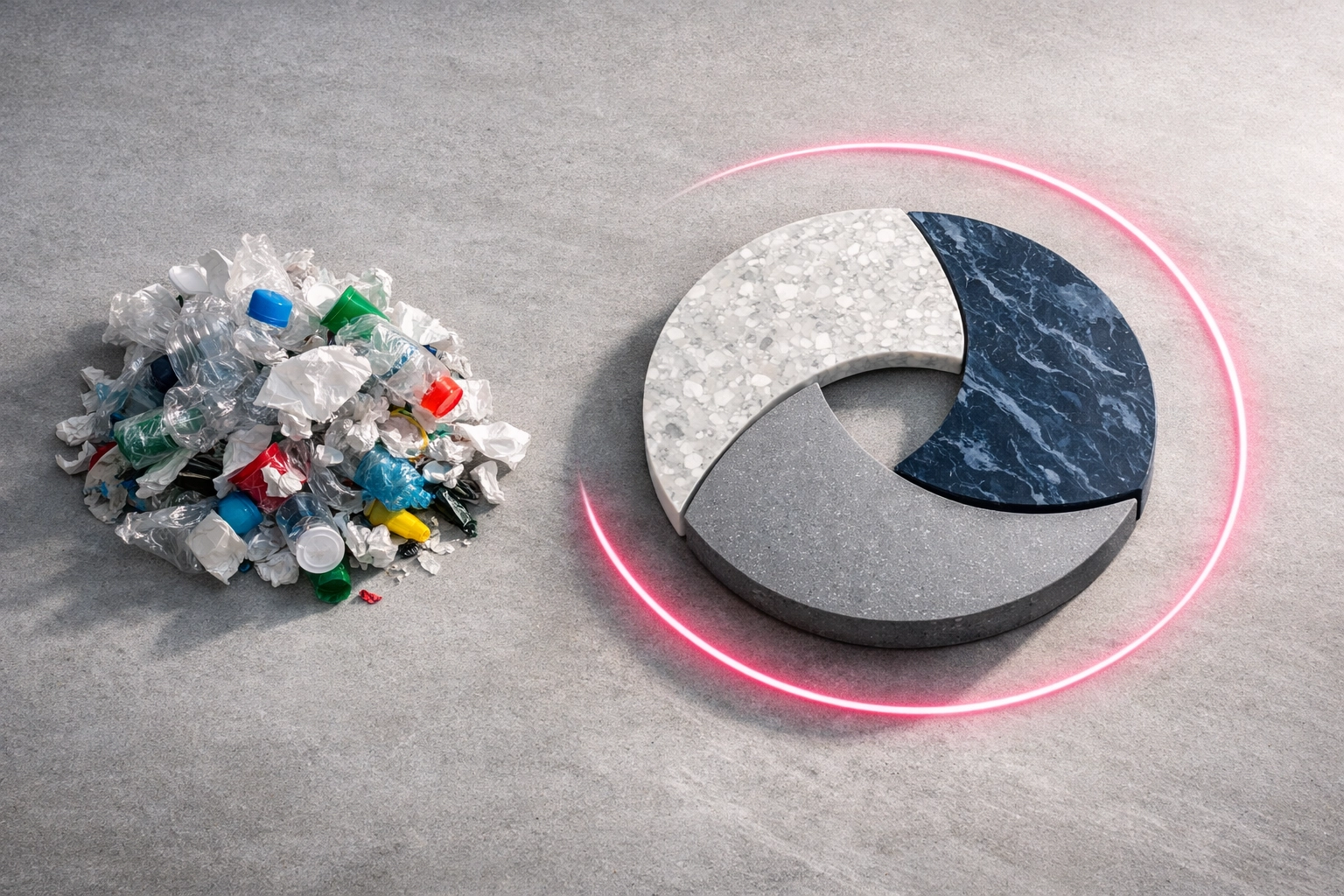
Suggested Image: A comparison infographic showing the Lifecycle of Virgin Material vs. Circular Material.
6. Mismatched Functional Units
When comparing two materials, you have to compare "apples to apples."
The Mistake: Comparing 1 tonne of concrete to 1 tonne of recycled plastic. Because plastic is significantly lighter, 1 tonne of plastic provides much more surface area and structural volume than 1 tonne of concrete. If you report based on weight alone, your carbon intensity figures will be skewed.
The Fix: Use "functional units" like square metres (m²) for a specific thickness or R-value for insulation. This is crucial when specifying recycled plastic for tenders.
7. Forgetting the "End of Life" Phase
Circular construction isn't just about what a material is made of; it’s about where it goes when the building is eventually renovated or demolished.
The Mistake: Reporting low embodied carbon at the start but using materials that are bonded with toxic glues or composites that can never be recycled again. This "locks in" waste for the next generation.
The Fix: Look for products with Buy-Back or Take-Back schemes. If a manufacturer won’t take their product back at the end of its life, it isn't truly circular. Our panels are designed to be mechanically fixed (no glues), meaning they can be ground down and remanufactured into new sheets in 20 years’ time.
How to Ace Circular Construction in 2026
The shift to a circular economy is accelerating. By 2026, we expect to see "Carbon Budgets" sitting alongside financial budgets for every major infrastructure project in Australia.
To stay ahead of the curve, you need to transition from static reporting to active material selection.
Your 3-Step Implementation Guide:
- Audit Your Supply Chain Now: Don't wait for a tender deadline to ask your suppliers for their carbon data. If they can’t provide an EPD or a clear carbon statement today, they won't be able to help you win work in 2026.
- Focus on Tangible Sustainability: Choose materials that tell a story. Using recycled plastic furniture in schools or council parks is a visible, tactile way to prove your commitment to the circular economy.
- Standardise Your Methodology: Stick to one recognised standard (like the GHG Protocol or ISO 14064). Changing your "maths" halfway through a project is a surefire way to trigger an audit.
"The biggest risk to the construction industry isn't the cost of carbon: it's the cost of being unable to prove your carbon claims. In 2026, transparency will be the new currency."
Why 2026 Matters
The year 2026 is significant because it marks the point where many Australian "Waste to Landfill" targets and Net Zero milestones converge. We are seeing a massive shift in how councils and state governments evaluate bids. It's no longer just about the lowest price; it's about who can help the government meet its own recycled content targets.
If you can demonstrate a clear, low-embodied-carbon supply chain, you aren't just building a structure; you're building a competitive advantage.
Ready to clean up your carbon reporting?
Whether you are looking to swap out rotting timber or find a lower-carbon alternative to concrete, we’re here to help you navigate the transition to circular construction.
Explore our range of 100% recycled Australian plastic sheets and see how easy it is to turn last week's waste into your next project's success.