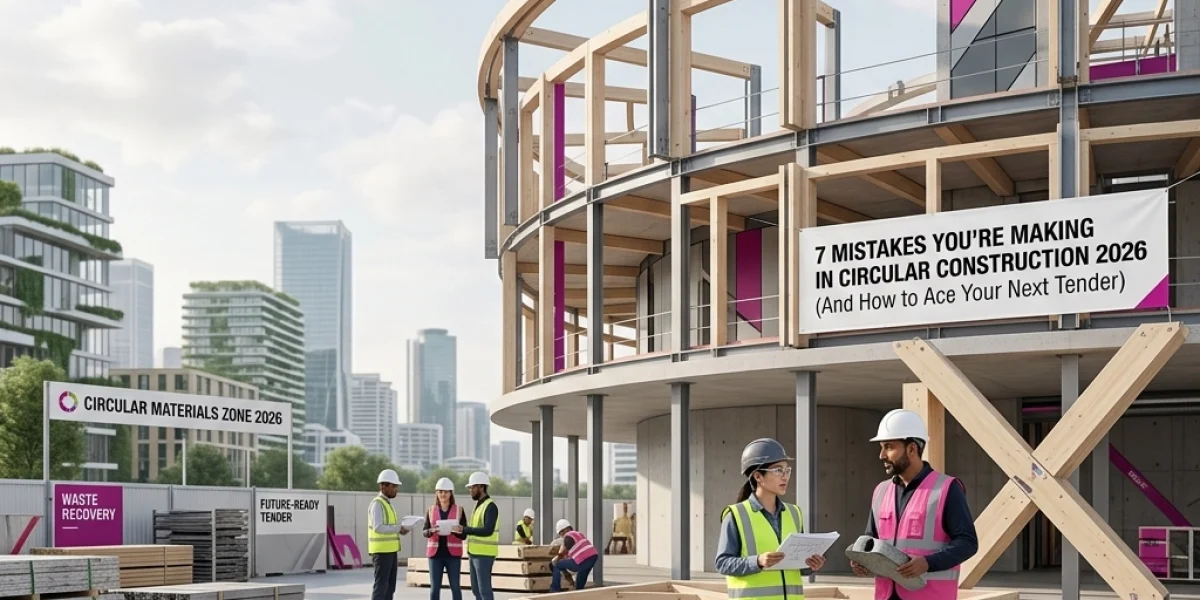
It’s April 2026. If you’re still treating circularity as a "nice-to-have" or a small box to tick at the bottom of a procurement form, I’ve got some bad news for you: You’re already losing.
In the Australian construction sector, the shift from linear to circular isn't a trend anymore: it’s the standard. We’ve moved past the era where "greenwashing" could get you across the line. Today, government bodies, school boards, and commercial developers aren’t just asking if you’re sustainable; they’re demanding data-backed proof of circularity.
At Resourceful Living, we’ve seen the industry landscape change rapidly. Builders who adapt are winning massive contracts, while those sticking to "the way we’ve always done it" are finding their tender submissions at the bottom of the pile.
Let's look at the seven most common mistakes builders and project managers are making right now and, more importantly, how you can fix them to dominate your next tender.
1. Treating Circularity as an "Optional Extra"
The biggest mistake is the mindset that circular construction is a premium add-on that can be cut if the budget gets tight. In 2026, sustainability is a core requirement, not a luxury feature.
When you treat circularity as optional, it shows in your planning. You miss the opportunity to integrate recycled materials into the structural and aesthetic core of the project. Procurement officers can smell a last-minute "green addition" from a kilometre away. It looks desperate and, frankly, unprofessional.
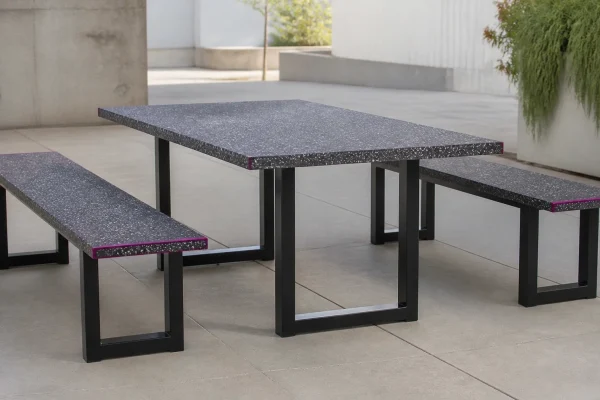
The Fix: Lead with circularity. Before you even draft the first line of your tender, identify which components: be it internal fit-outs, cabinetry, or outdoor infrastructure: can be replaced with high-performance recycled materials. For a deep dive into the state of the industry, check out The 2026 Circular Construction Guide.

2. The "Trust Me" Traceability Gap
Five years ago, you could claim a product was "made from recycled content" and people would take your word for it. Those days are dead. In 2026, traceability is the currency of trust.
If your tender doesn't specify where your recycled materials came from and how they were processed, you’re leaving a massive opening for your competitors. Clients now want to know they aren't just buying "plastic": they want to know they are buying 100% Australian post-consumer waste that has been diverted from local landfills.
"If you can't prove where it came from, you can't prove it's sustainable. It’s that simple." : Jess Hodge, Resourceful Living.
The Fix: Partner with manufacturers who provide full transparency. Using materials that are traceable back to the source allows you to tell a story. Instead of saying "recycled panels," say "100% traceable Australian plastic waste processed right here in New South Wales." This is how you meet sustainability targets with confidence.
3. Ignoring the Full Lifecycle Impact
Are you only looking at the upfront cost? If so, you’re making a classic linear mistake. Circular construction requires a shift to Lifecycle Costing (LCC).
Many traditional materials: like certain timbers or low-grade composites: require constant maintenance, painting, and eventually, expensive disposal fees. When you fail to account for the durability and "end-of-life" costs, your tender looks more expensive in the long run than a circular alternative.
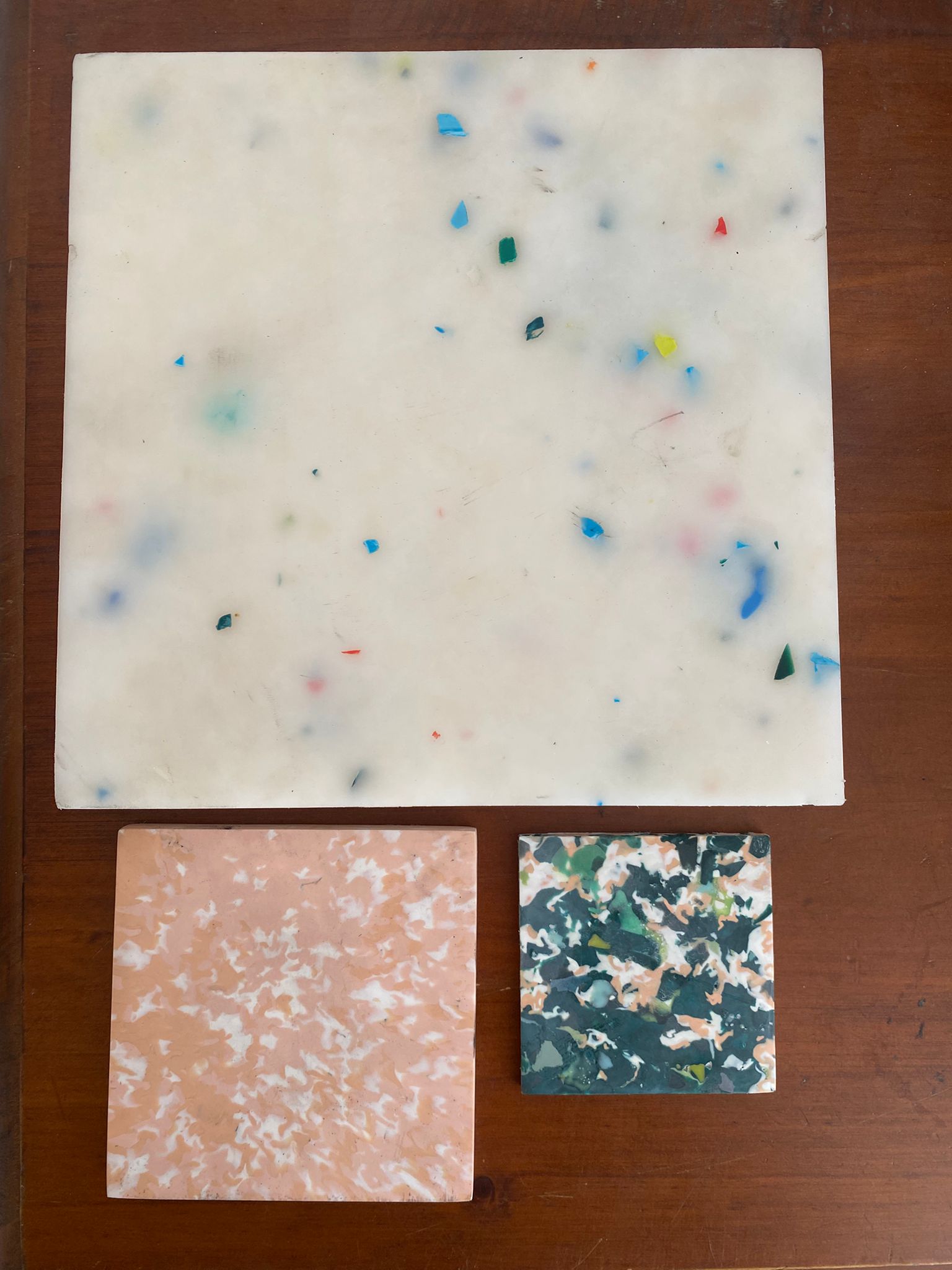
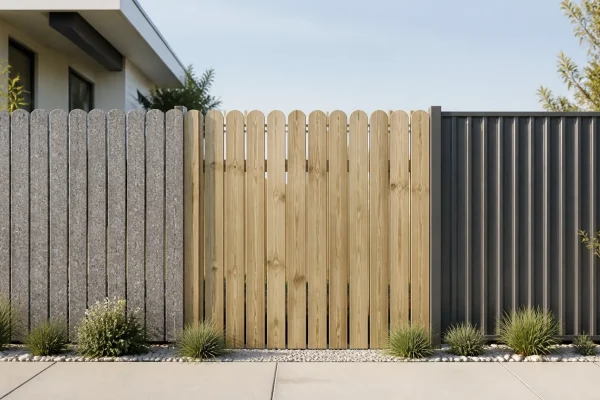
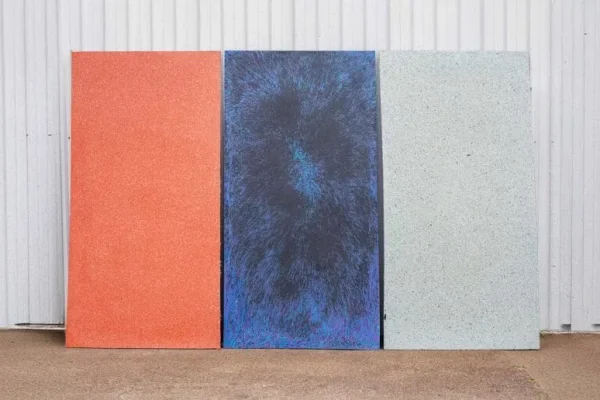
The Fix: Highlight the durability and zero-maintenance nature of recycled plastic. Our 100% recycled plastic sheets are weather-resistant, rot-proof, and don't require painting. When you present a bid that shows lower maintenance costs over 20 years, you’re offering the client far more value than the cheapest upfront option.
4. Falling for the "Yellow Bin" Myth
Many construction firms still think that putting waste into a yellow bin is the extent of their "circular" responsibility. It’s a $100 billion mistake. True circularity isn't just about where the waste goes; it’s about closing the loop by bringing that waste back into the build.
If your tender mentions "waste management plans" but fails to mention recycled material procurement, you’re only doing half the job. Real circularity is about creating demand for the materials we recycle.
The Fix: Educate your client in the tender. Explain why you’ve chosen to use recycled plastic over timber. Show them that by using these materials, they are directly participating in the Australian circular economy, not just hoping their rubbish gets sorted correctly.
5. Overlooking Modular and Onsite Solutions
Efficiency is king in 2026. A common mistake is assuming that circularity means more logistics and higher emissions from transporting materials back and forth.
Traditional construction waste is a nightmare to manage. If you aren't looking at ways to process waste or utilise modular, pre-fabricated recycled components, you're missing out on significant site efficiencies.
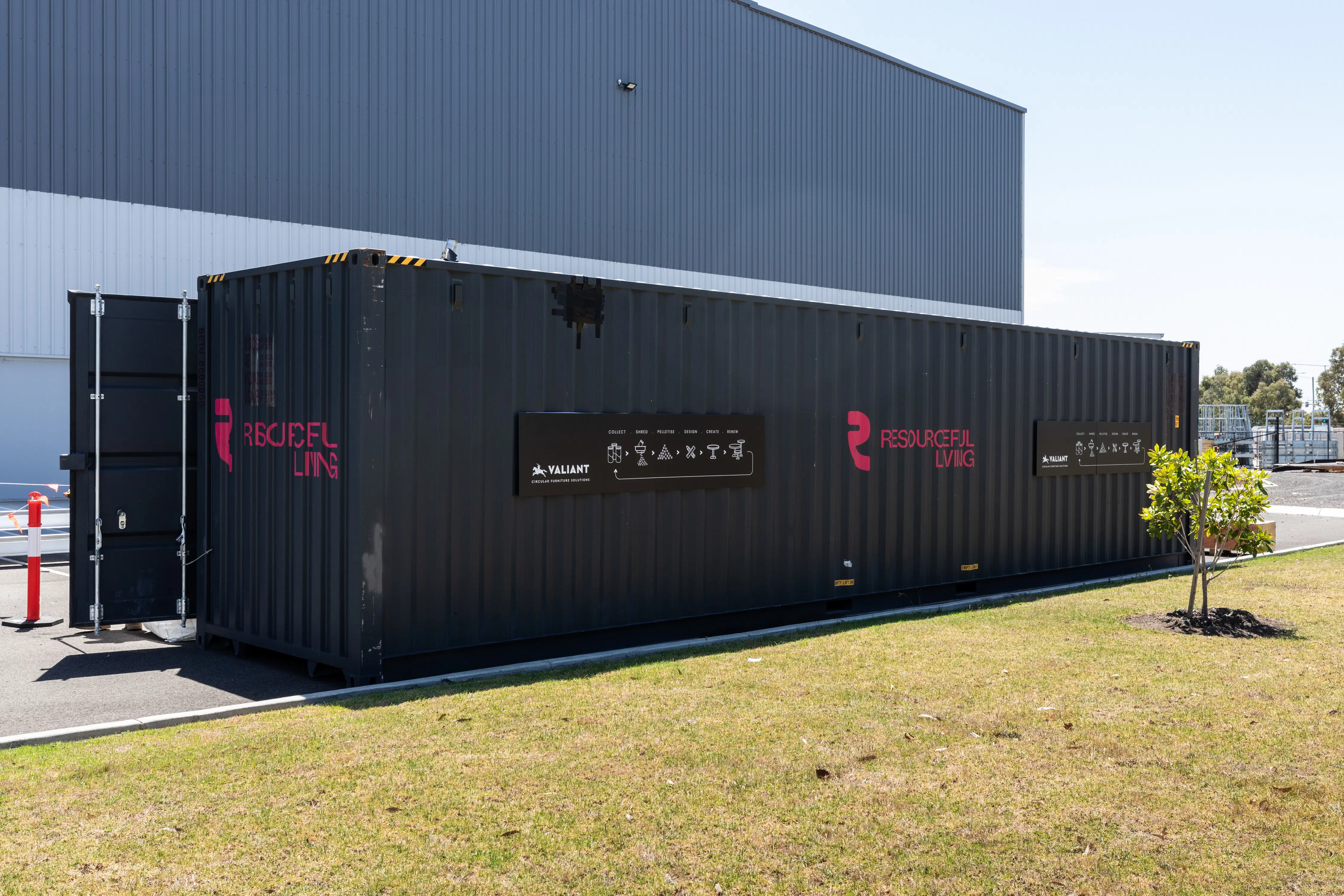
The Fix: Think about onsite processing or using modular units that reduce waste during the installation phase. Using pre-cut, durable recycled plastic panels for everything from site hoarding to internal joinery reduces the mess and the "bin costs" associated with traditional materials.
6. No "End-of-Life" Plan for the Building
What happens to your building in 30 years? If your answer is "it goes to landfill," you aren't building for 2026.
Modern tenders increasingly ask for a Deconstruction Plan. If your materials are glued, bonded, or made of non-recyclable composites, that deconstruction becomes an environmental and financial liability for the owner.
The Fix: Use materials that are part of a Take-Back Scheme. At Resourceful Living, our panels aren't just recycled; they are 100% recyclable. If a fit-out is ever decommissioned, those panels can be returned to us, shredded, and turned into new products.
✅ Pro Tip: Including a "guaranteed take-back" clause in your tender is a massive competitive advantage. It proves you are thinking about the project's impact long after you’ve handed over the keys.
7. Failing to "Sell" the Tangible Impact
Construction is often seen as a cold, data-driven industry. But decisions are still made by people. A common mistake is providing a dry list of materials without explaining the tangible benefit to the end-user.
Whether it’s a school fit-out or a public park, people want to feel a connection to the environment. If you don't highlight the "story" of the materials, you're losing the emotional edge of your proposal.
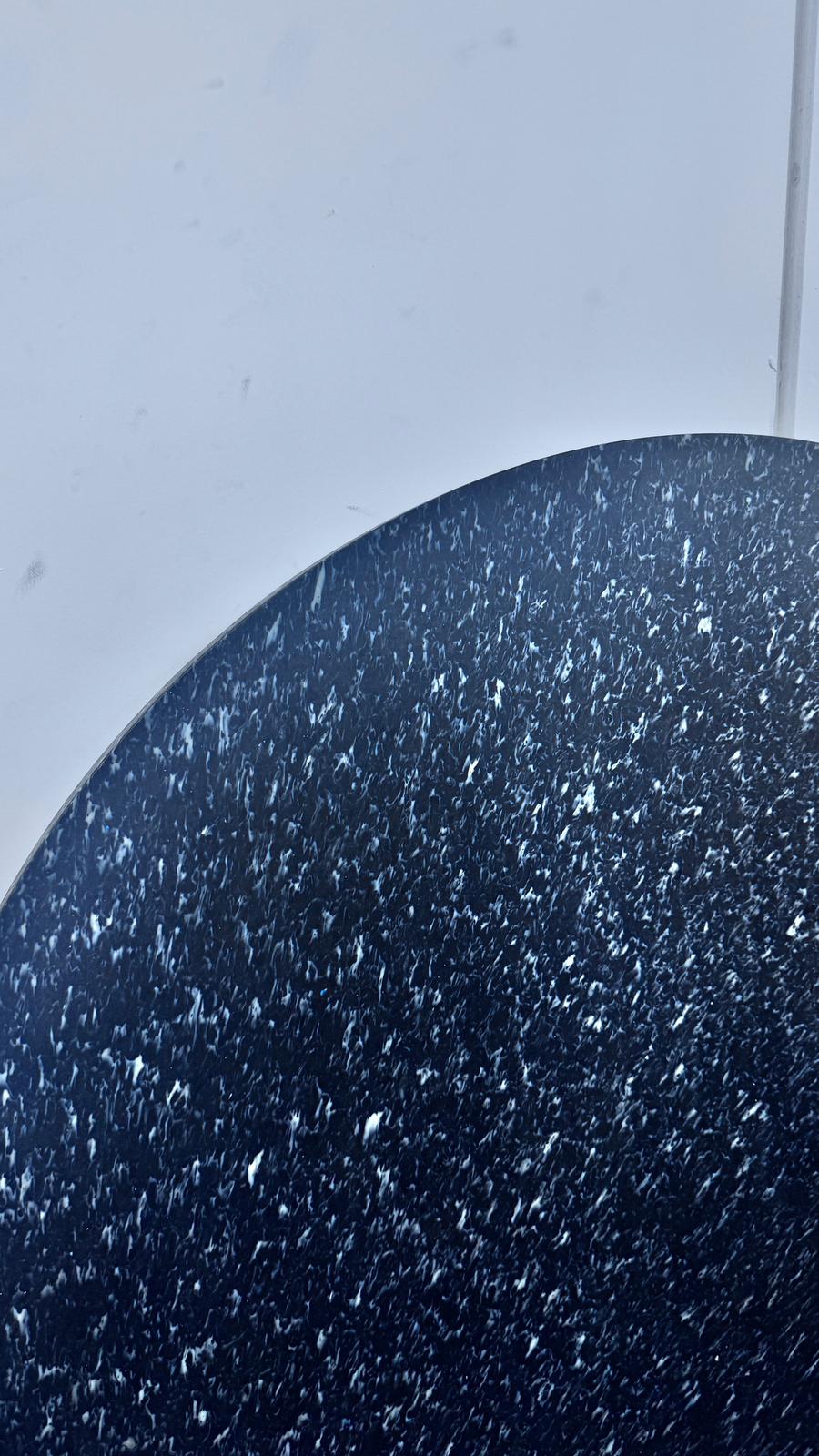
The Fix: Use the "Milk Carton" effect. Instead of saying "high-density polyethylene surfaces," tell the client their new school fit-out is made from last week's milk cartons. It’s a powerful, tangible way to show that sustainability isn't just a concept: it's something you can touch and feel.
Comparison: Linear vs. Circular Tendering in 2026
| Feature | The Old Way (Linear) | The Winning Way (Circular) |
|---|---|---|
| Material Choice | Virgin timber or steel | 100% Recycled Australian Plastic |
| Traceability | "Sourced from reputable suppliers" | Full provenance and batch tracking |
| Maintenance | Annual sanding/painting/sealing | Zero maintenance, wash-down only |
| End of Life | Demolition and Landfill | Take-back and Re-manufacturing |
| Tender Focus | Lowest upfront cost | Lowest Total Cost of Ownership (TCO) |
Your "Ace the Tender" Checklist
If you want to win your next big project, make sure your submission ticks these boxes:
- Detailed Material Provenance: Have you specified that the materials are 100% Australian and traceable?
- LCC Analysis: Have you shown the savings in maintenance and disposal over 10-20 years?
- Circular Narrative: Does your tender explain the "story" of the materials (e.g., diverting waste from local landfill)?
- Take-Back Commitment: Have you included a plan for what happens to the materials at the end of the building's life?
- Regulatory Alignment: Does your proposal align with 2026 Net-Zero and Circular Economy mandates?
The Bottom Line
Circular construction isn't a hurdle; it’s an opportunity. By avoiding these seven mistakes, you aren't just "being green": you’re becoming more efficient, more transparent, and more profitable.
At Resourceful Living, we don't just manufacture panels; we help builders like you bridge the gap between "standard" construction and the circular future. If you’re ready to upgrade your material palette and start winning more tenders, let’s talk.
Ready to see what 100% recycled Australian plastic looks like on your next site? Browse our product categories and let's build something that lasts.