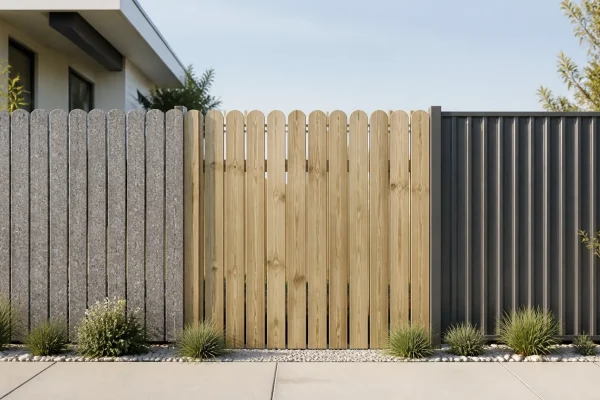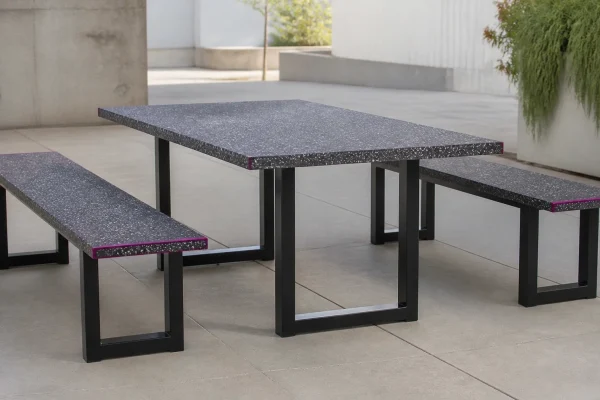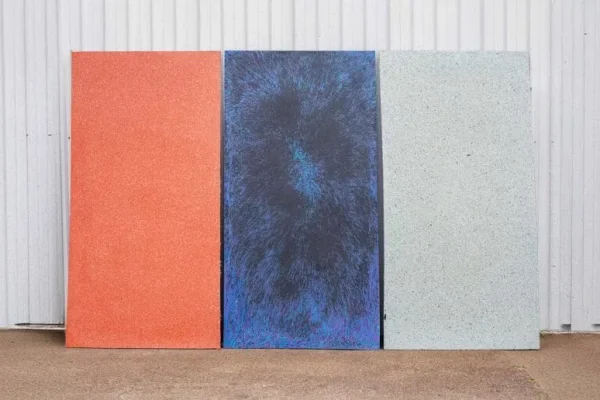

For decades, if you wanted to build something that lasted, you poured concrete. It’s the "old faithful" of the construction world, heavy, grey, and seemingly permanent. But as we move deeper into 2026, the cracks in the concrete-only philosophy are becoming impossible to ignore (both literally and metaphorically).
In the world of structural infrastructure, think erosion control, noise barriers, retaining walls, and public walkways, a new contender is consistently outperforming the traditional heavyweight. We’re talking about 100% recycled plastic.
At Resourceful Living, we aren't just making "green" boards; we’re engineering a material shift. But let’s be objective. If you’re a builder, developer, or council planner, you need data, not just dreams.
Let's break down the head-to-head battle: Recycled Plastic vs. Concrete.
1. The Carbon Cost: Counting the Hidden Emissions
Concrete has a dirty secret. It is responsible for approximately 8% of global CO2 emissions. From the energy-intensive mining of aggregates to the massive heat required for cement kilns, every cubic metre of concrete carries a heavy environmental debt.
On the flip side, recycled plastic thrives on the concept of avoided emissions. Instead of extracting new resources, we’re intercepting Australian plastic waste before it hits a landfill.
- Concrete: Requires massive water consumption and non-renewable resource extraction.
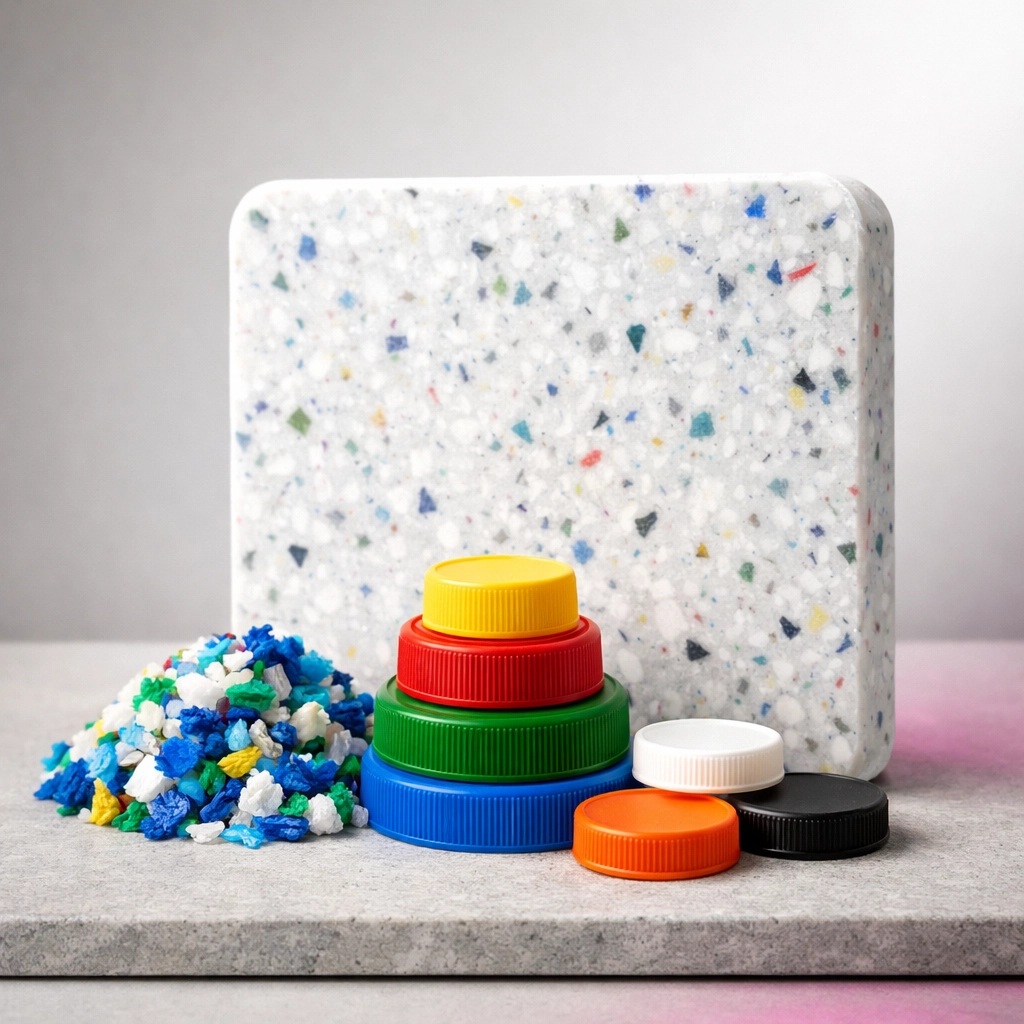
- Recycled Plastic: Utilises 100% Australian waste, reducing manufacturing emissions by up to 60% compared to traditional materials.
"The construction industry is no longer just about building high; it’s about building light on the planet. If your material choice ignores the embodied carbon, you're building a liability, not an asset." , Industry Insight 2026
For a deeper dive into these shifts, check out our guide on The 2026 Circular Construction Guide.
2. Durability: Why Plastic Flexes While Concrete Cracks
Concrete is famous for its compressive strength, making it unbeatable for the foundations of a 50-storey skyscraper. But for infrastructure exposed to the elements, water, salt, and shifting soil, concrete has a fatal flaw: it’s brittle.
Corrosion and Spalling
Concrete is porous. Over time, water seeps in, reaches the steel reinforcement (rebar), and causes it to rust. As the rust expands, it cracks the concrete from the inside out. This is known as concrete cancer.
The Plastic Advantage
Recycled plastic, particularly the high-density polyethylene (HDPE) we use at Resourceful Living, is chemically inert.
- ✅ Water Resistance: It won’t rot, swell, or absorb moisture, making it ideal for marine environments or erosion control.
- ✅ Chemical Resistance: It’s impervious to salt, oils, and most acids that would eat away at a concrete barrier.
- ✅ Impact Resilience: Unlike concrete, which chips or shatters upon heavy impact, recycled plastic has a degree of "flex." It absorbs energy, making it far superior for high-traffic noise barriers or bollards.
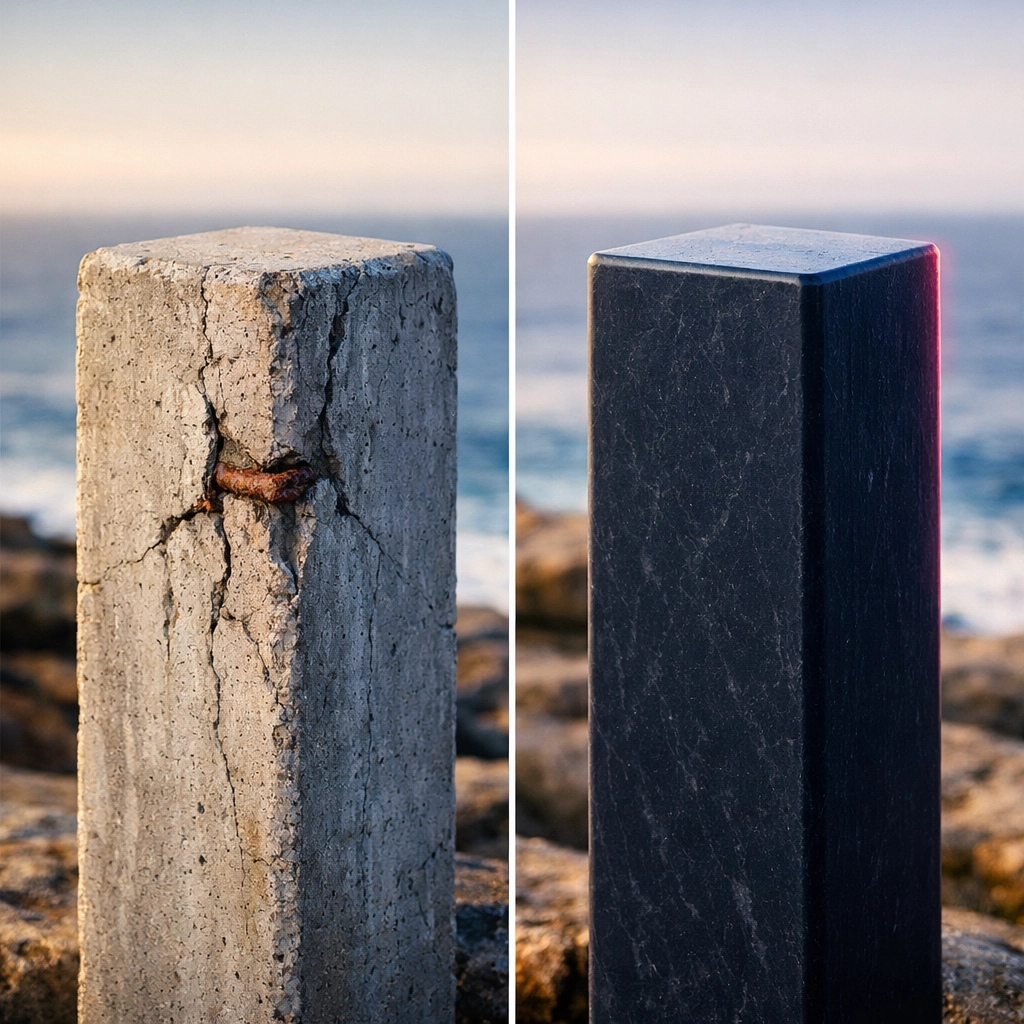
Suggested Image: A side-by-side comparison visual showing a cracked concrete post vs. a pristine recycled plastic post in a coastal environment.
3. Weight and Logistics: Saving Your Back (and Your Budget)
Concrete is heavy. That’s not a feature; it’s a logistical nightmare. When you’re installing kilometres of noise barriers or complex erosion control systems, weight dictates your transport costs, your machinery requirements, and your labour hours.
| Feature | Concrete | Recycled Plastic |
|---|---|---|
| Weight | Very High (requires heavy cranes) | Low (often hand-portable) |
| Transport | Expensive, high fuel burn | Efficient, more units per load |
| Installation | Slow, requires curing time | Fast, mechanical fixings only |
| Tooling | Requires specialised diamond saws | Standard woodworking tools |
By choosing recycled plastic sheets, you’re effectively cutting your installation time in half. You don't need a 20-tonne crane to move a walkway panel; two blokes and a ute can often get the job done.
4. The Maintenance Myth
The biggest misconception about concrete is that it’s "maintenance-free." Tell that to the council crews who spend thousands every year on pressure washing, crack injection, and graffiti removal.
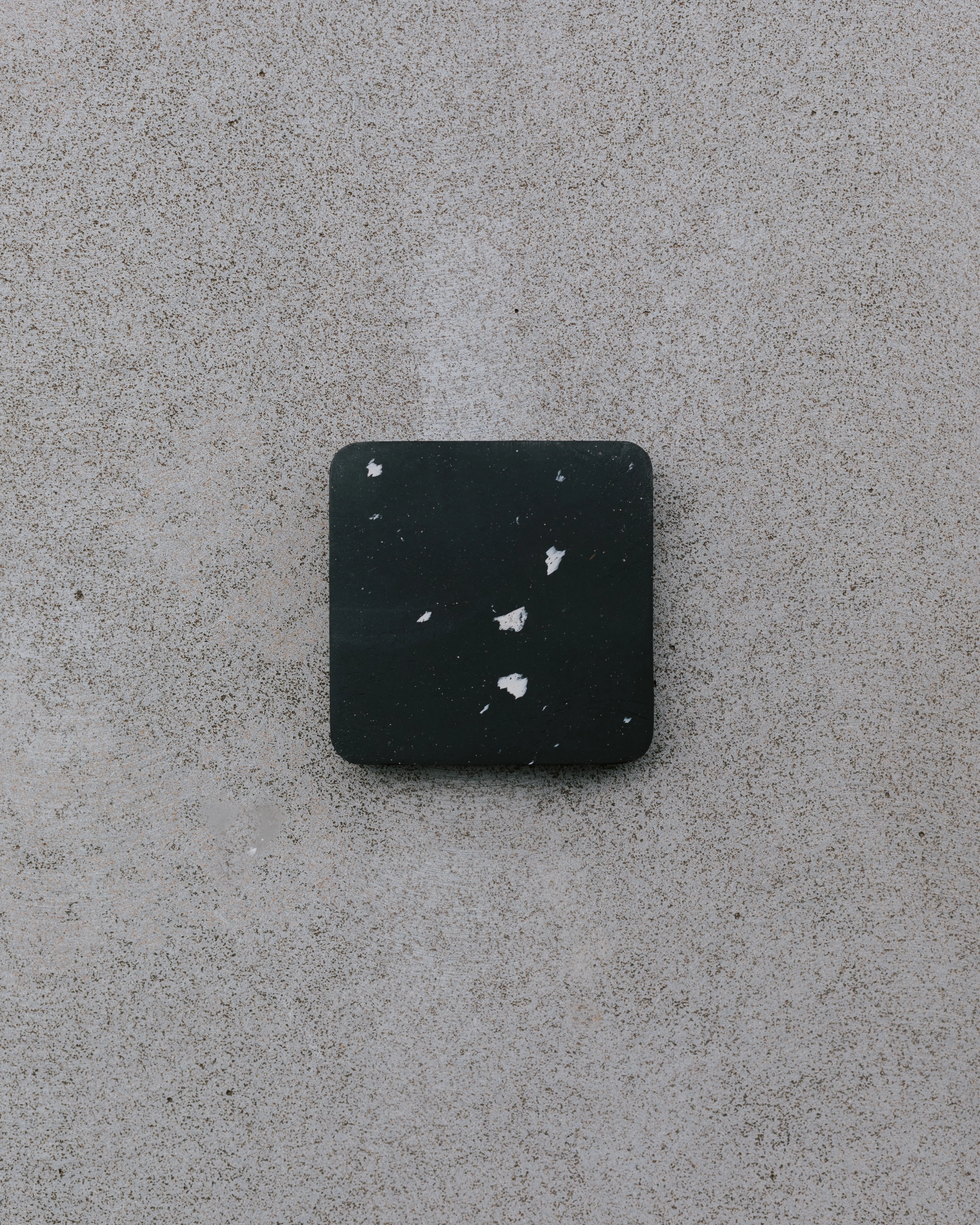
Recycled plastic is solid-core. This means the colour goes all the way through.
- Graffiti? It can be wiped off with simple solvents without damaging the surface.
- Scratches? They don't expose rust-prone steel; they just show more of the same durable material.
- UV Stability: Our panels are engineered for the harsh Australian sun, ensuring they don't become brittle like the cheap plastics of the past.
If you’re curious about how this plays out in the real world, read about the Currumbin Success Story.
5. Circularity: The Guaranteed Take-Back Program
What happens to concrete at the end of its life? Most of the time, it’s demolished and sent to a landfill. While some is crushed for road base, the process is energy-intensive and often results in "down-cycling."
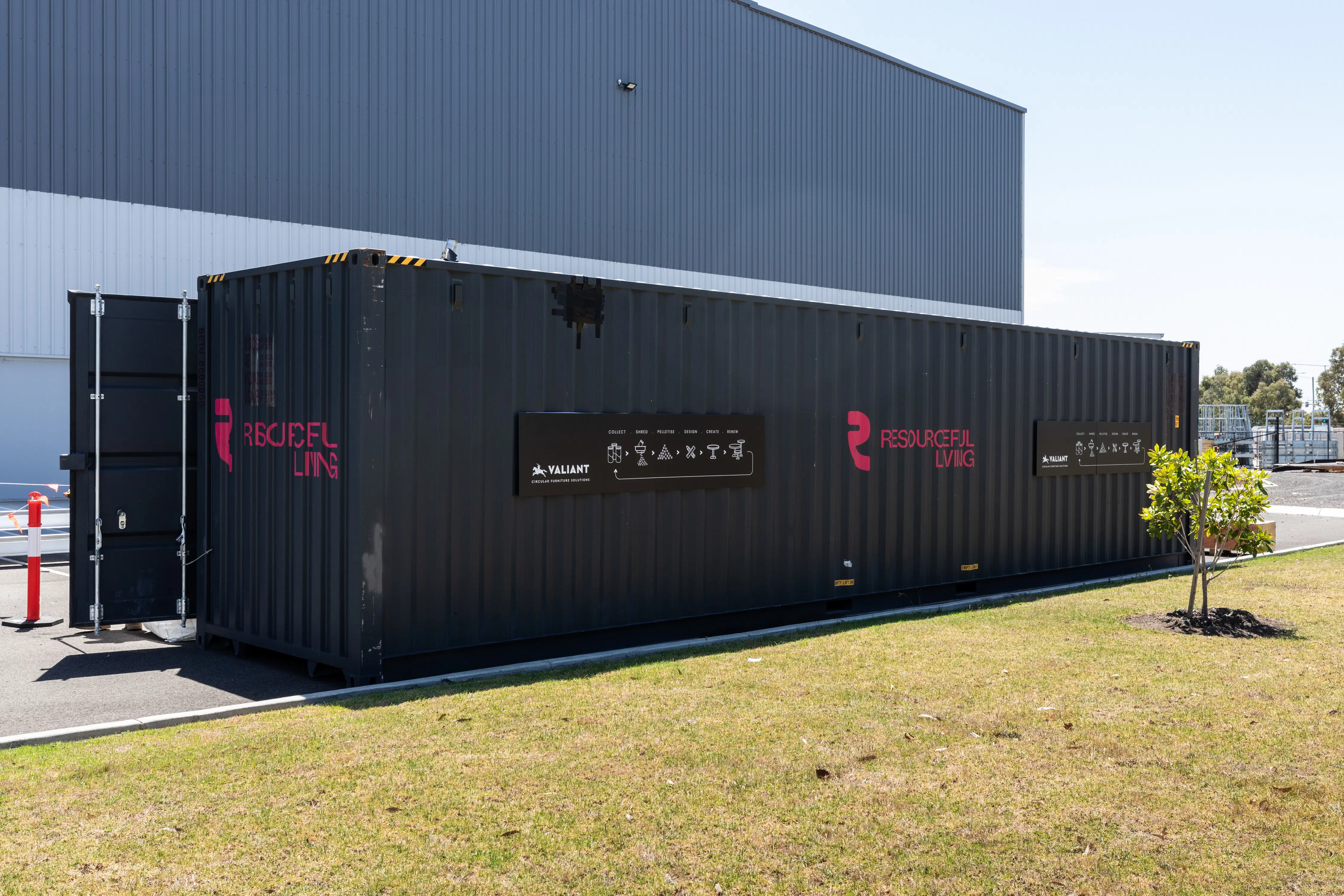
At Resourceful Living, we operate on a Circular Economy model. Our products are made from waste, but they are also 100% recyclable again.
The Resourceful Living Guarantee: We offer a take-back program. When your infrastructure reaches the end of its 50+ year lifespan, don't bin it. Give it back to us. We’ll shred it, melt it, and turn it into the next generation of products.
This is the ultimate answer to the landfill legacy. We aren't just selling you a material; we’re inviting you into a closed-loop system.
6. Where Plastic Wins: Best Use Cases
While we aren't suggesting you build a bridge pylon out of plastic (yet!), there are specific areas where choosing concrete is frankly a mistake:
- Boardwalks & Walkways: No splinters, no moss growth (less slip hazard), and no cracking under tidal shifts.
- Noise Barriers: Better sound dampening qualities and easier to replace sections if damaged.
- Erosion Control: Lightweight "gabion" style structures or retaining walls that don't leach chemicals into the soil.
- Retail & Event Infrastructure: Durable, branded, and easy to move. See our Tennis Display Panels for an example of aesthetics meeting durability.
7. The 2026 Verdict: Which is Better?
If you are building a load-bearing foundation for a high-rise, stick with concrete. The science is still catching up on high-load structural plastic applications.
However, for 90% of secondary infrastructure, recycled plastic is the superior choice. It’s faster to install, cheaper to maintain, vastly better for the planet, and it doesn't rot or crack.
Why Settle for Traditional?
The "we've always done it this way" excuse is costing your projects money and costing the planet its future. By switching to Resourceful Living’s recycled materials, you’re meeting your sustainability targets with a material that actually lasts longer than the "proven" alternative.
Suggested Image: An infographic showing the lifecycle of concrete (linear) vs. the lifecycle of Resourceful Living plastic (circular).
Ready to Make the Switch?
The shift toward Circular Construction isn't coming; it’s already here. Whether you’re designing a new public park or a massive infrastructure project, the materials you choose today will be your legacy tomorrow.
Your Action Plan:
- Audit your next project: Identify areas where concrete is "over-engineered" for the task (e.g., non-load-bearing walls or walkways).
- Compare the specs: Download our technical data sheets to see how our HDPE panels stack up.
- Get a Quote: See how much you can save on logistics and long-term maintenance.
Don’t keep making the 100 billion dollar mistake. Let’s build something that actually makes sense for the 21st century.
Contact Jess and the team at Resourceful Living today to discuss your structural infrastructure needs. Let’s turn your plastic waste into your next project’s greatest asset. 🚀