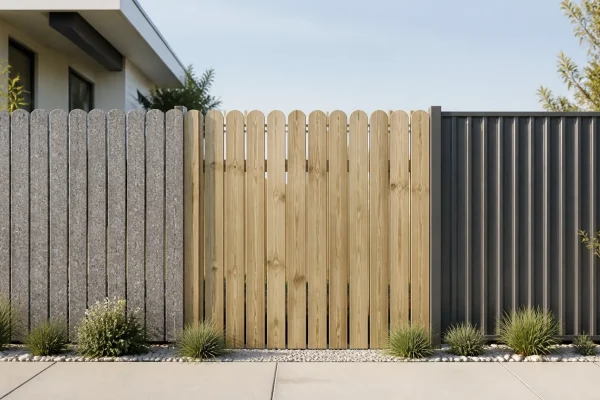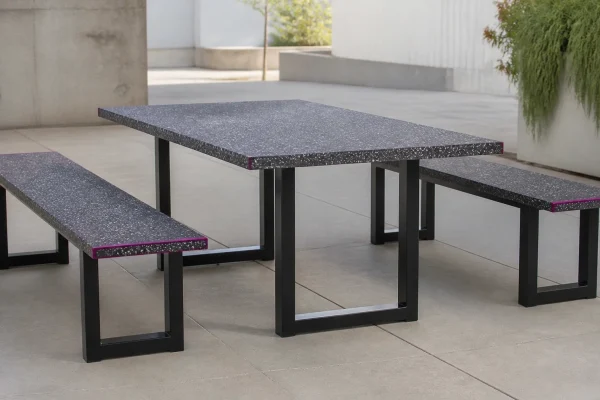
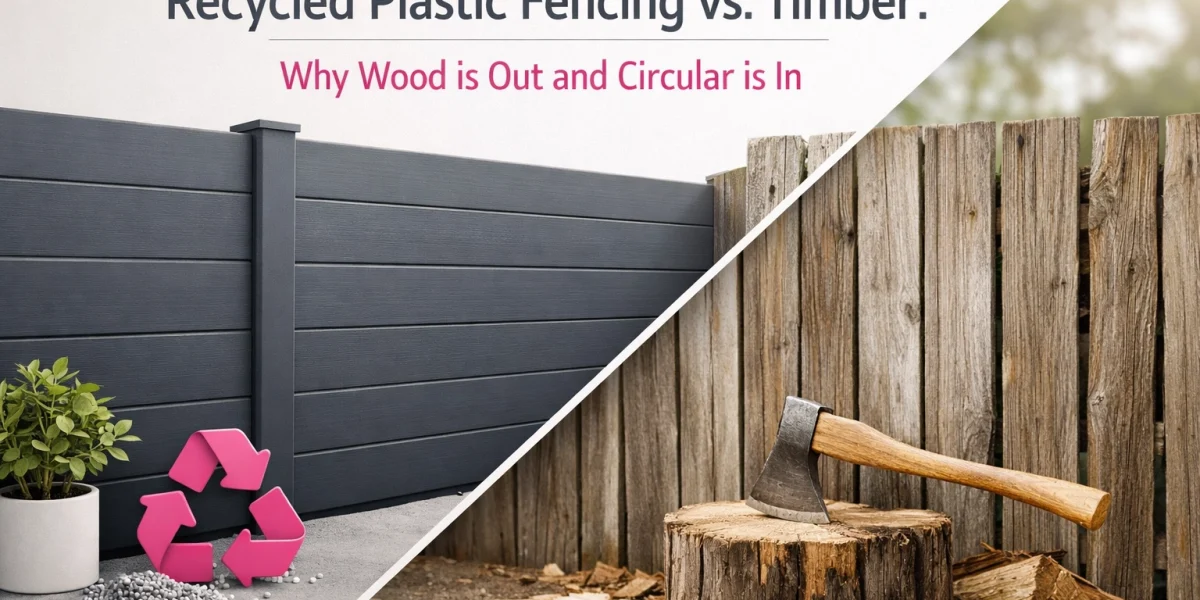
Let’s have a heart-to-heart about the Great Australian Fence. Whether you’re a homeowner trying to keep the dog in or a commercial developer securing a massive site, the choice usually comes down to two contenders: the traditional timber panel and the new-age recycled plastic panels.
For decades, wood was the default. It’s natural, it’s relatively cheap upfront, and it looks great, for about six months. Then the Aussie sun hits, the rain settles in, and suddenly that "natural beauty" starts looking like a warped, greyish DIY project gone wrong.
At Resourceful Living, we’re seeing a massive shift. People are starting to realise that timber isn't the sustainable, low-cost hero we once thought it was. In fact, when you look at the lifecycle of a fence, recycled plastic building materials are winning the fight on almost every front.
The Maintenance Trap: Weekend Warrior or Relaxed Legend?
If you choose a traditional timber fence, you aren't just buying a boundary; you’re buying a recurring appointment on your calendar. Timber is high-maintenance. To keep it from looking like a shipwreck, you need to:
- Sand it back every couple of years.
- Stain or paint it to protect it from the elements.
- Replace individual slats that have inevitably cracked or bowed.
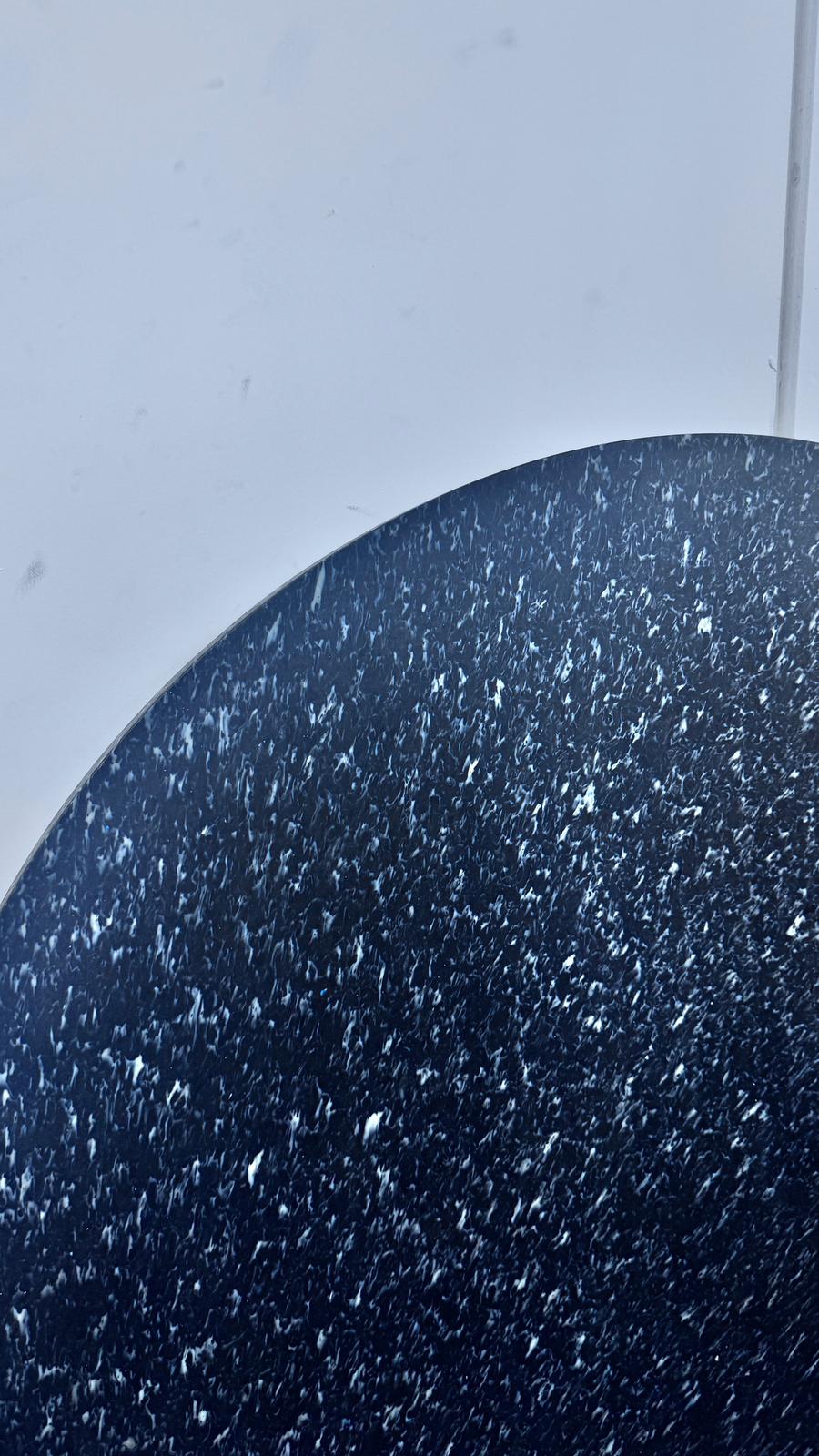
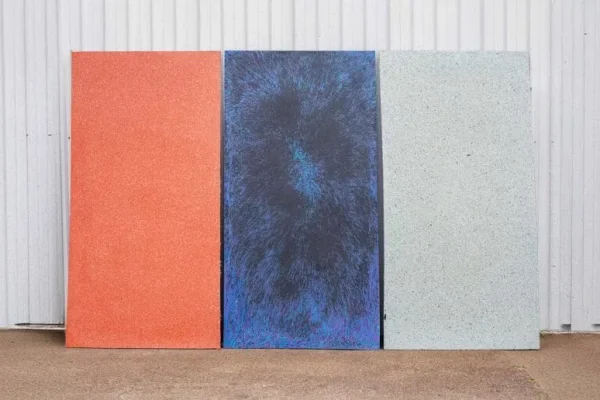
Now, let’s look at the alternative. Recycled plastic panels are essentially "set and forget." Because the colour is consistent throughout the material, there’s no paint to flake off. There’s no organic fibre to rot. If it gets dirty, you hit it with a hose or a pressure washer, and it looks brand new.
The verdict? If you’d rather spend your weekends at the beach than covered in wood stain, plastic is the clear winner. Check out our guide on choosing sustainable construction materials to avoid the high-maintenance trap.
Durability: Weathering the Aussie Storm
Australia doesn't do "mild" weather. We have scorching UV rays that bake materials and torrential downpours that soak them through.
Timber’s Weakness: Wood is porous. It expands when it’s wet and contracts when it’s dry. This constant movement leads to warping, splitting, and rotting. Even pressure-treated timber, which is loaded with chemicals to prevent rot, eventually gives up the ghost.
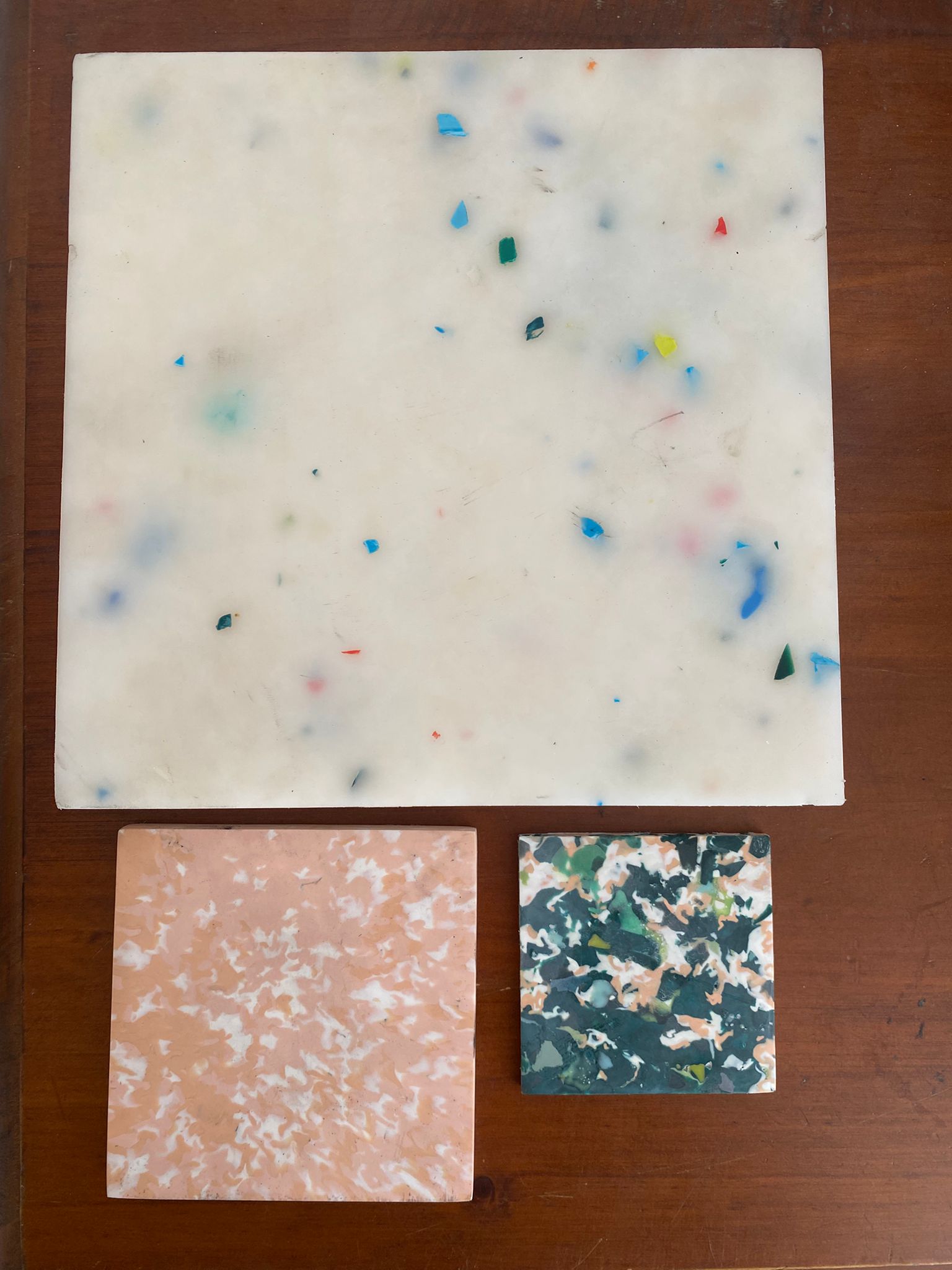
Plastic’s Strength: Our panels are made from high-density polyethylene (HDPE), which is UV-stabilised. This means they won’t become brittle in the sun or lose their structural integrity. They don't absorb water, so they won't rot, even if they're partially submerged or in high-moisture areas.
When you use recycled plastic manufacturers in Australia like us, you’re getting material designed specifically for our climate. It’s built to handle the heat without losing its cool.

The "Termite Buffet" vs. The Fortress
If there’s one thing that keeps Australian property owners awake at night, it’s termites. These tiny terrors see a timber fence as an all-you-can-eat buffet. Even "termite-resistant" wood isn't 100% foolproof, eventually, the treatments leach out, and the pests move in.
Recycled plastic is completely termite-proof. It’s not organic, so pests have zero interest in it. You don't need to spray toxic pesticides around your fence line or worry about your boundary wall collapsing because it’s been hollowed out from the inside. It provides a permanent, pest-free barrier that keeps your property secure without the chemical headache.
Sustainability: The Circular Economy in Action
This is where the conversation gets really interesting. A lot of people think timber is the most "eco-friendly" choice because it grows on trees. While sustainably sourced timber is carbon-neutral, the reality of the fencing industry is often different. Much of the cheap timber used in fencing is treated with Copper Chrome Arsenate (CCA) or other harsh chemicals, which makes the wood difficult to dispose of safely at the end of its life.
On the flip side, sustainable construction materials in Australia made from recycled plastic are solving a massive waste problem.
- Landfill Diversion: Every panel we produce keeps kilograms of plastic waste out of Australian landfills and oceans.
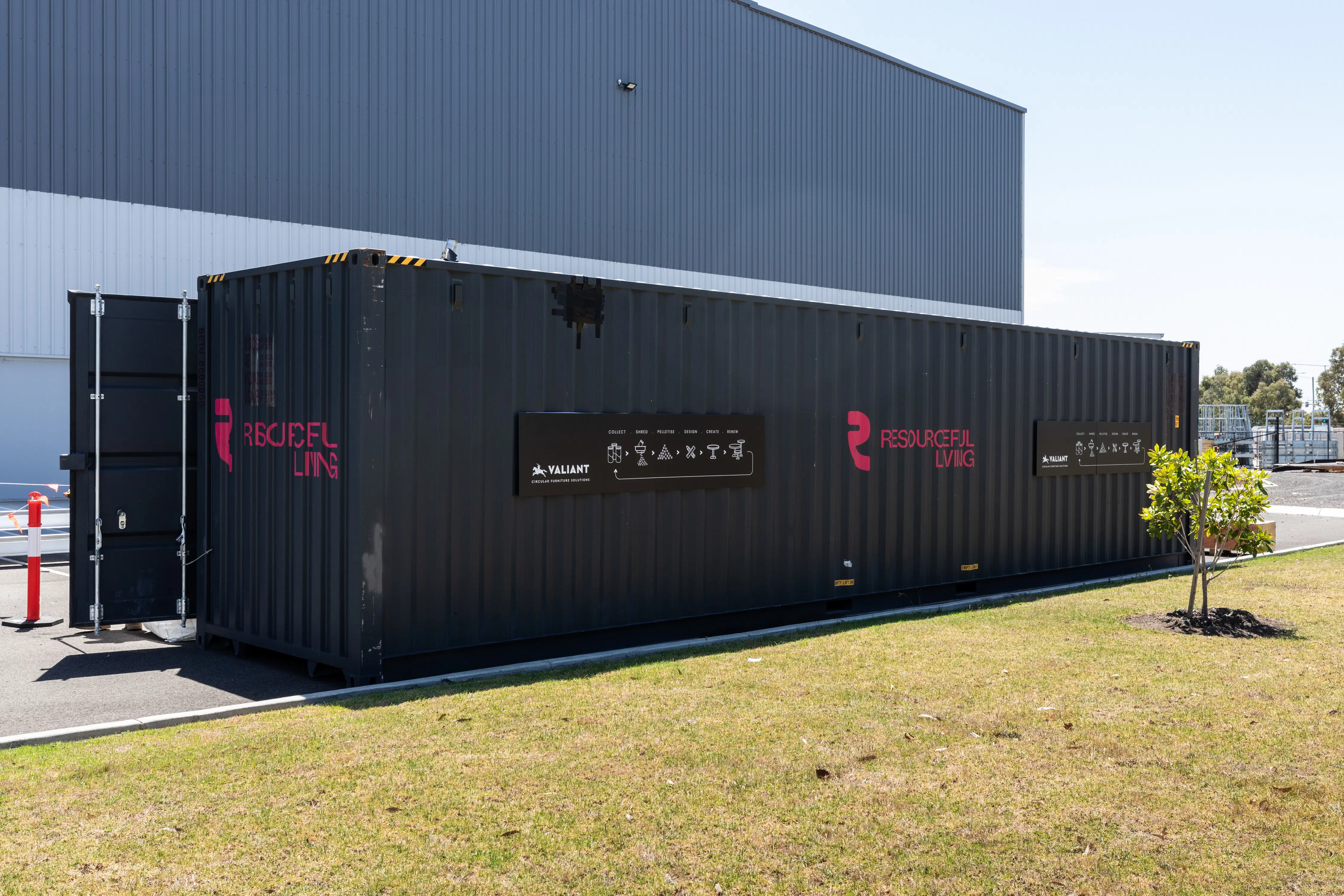
- Traceability: We use traceable Australian plastic waste. You can see how we turned 3 million Telstra SIM cards into something useful.
- The Take-Back Program: This is the big one. We operate on a closed-loop system. If your fence reaches the end of its life (in 40 or 50 years!), we don't want it to go to landfill. We’ll take it back, regrind it, and turn it into new panels. That is the definition of a closed-loop ESG waste solution.
Cost-Effectiveness: Thinking Beyond the Price Tag
We’ll be honest with you: the upfront cost of recycled plastic panels is often higher than the cheapest pine panels at your local hardware store. But looking at the initial price tag is a mistake.
To calculate the true cost, you have to look at the Total Cost of Ownership (TCO) over 10, 15, or 20 years:
- Replacement Costs: You’ll likely replace a timber fence twice in the time one recycled plastic fence lasts.
- Maintenance Costs: Add up the cost of stain, brushes, sandpaper, and, most importantly, your time.
- Disposal Costs: Disposing of treated timber is becoming increasingly expensive due to environmental regulations.
When you crunch the numbers, recycled plastic isn't just the "green" choice; it's the smart financial choice. For a deeper dive into the math, check out our comparison of recycled plastic vs. timber vs. steel.
Why Resourceful Living is Different
There are plenty of "sustainable" materials hitting the market, but not all are created equal. Many are imported from overseas, which adds a massive carbon footprint from shipping.
At Resourceful Living, we are 100% Australian-owned and operated. We manufacture right here in New South Wales, using Australian waste to create products for Australian conditions.
"We aren't just making panels; we’re rebuilding the way Australia looks at waste. By choosing local, you’re supporting Aussie jobs and ensuring your project meets the new environmentally sustainable procurement policies." , Jess Hodge, CEO.
Our panels are designed to be high-performance. Whether it’s for a commercial fit-out or a residential fence, we ensure every millimetre of material is top-tier.
Comparison Table: At a Glance
| Feature | Traditional Timber | Resourceful Living Recycled Plastic |
|---|---|---|
| Initial Cost | Lower | Higher |
| Maintenance | High (Staining, Sanding) | Zero (Wash and go) |
| Lifespan | 10–20 years (depending on care) | 40+ years |
| Termites | Vulnerable | 100% Proof |
| Weathering | Warps, cracks, and rots | UV-stabilised, water-resistant |
| Sustainability | Variable (Chemical treatments) | 100% Recycled & Recyclable |
| End of Life | Landfill (often hazardous) | Take-back program (Circular) |
The Future of Fencing is Circular
The world is moving away from the "take-make-waste" model. As Australia moves towards stricter circular construction reforms, the materials we choose today will determine our compliance and our costs tomorrow.
Choosing recycled plastic panels for your next fencing project isn't just about being "eco-friendly." It’s about choosing a product that performs better, lasts longer, and saves you money and stress in the long run.
If you’re ready to ditch the timber and embrace the future of closed-loop manufacturing in Australia, we’re here to help.
Ready to see the material for yourself? Reach out to the team at Resourceful Living today to discuss your project requirements or to request a sample of our high-performance panels. Let’s build something that lasts: without costing the earth.