If you’re a builder or project manager in Australia, your world just got a little more complicated. As of early 2026, the way we talk about "sustainability" has shifted from a vague marketing buzzword to a hard, reportable metric: Embodied Carbon.
The days of just ticking a box for "recycling" are over. With the update to the National Construction Code (NCC) 2025 taking effect in May 2026, the industry is moving toward a mandatory framework for measuring the carbon footprint of every material that enters a site.
We know you’re busy. You’ve got tenders to win and sites to manage. That’s why we’ve stripped away the fluff. Here is everything you need to know about embodied carbon reporting in three minutes: and how choosing the right materials can actually put carbon credits back in your pocket.
🛑 The 2026 Deadline: What’s Changing?
The Australian building sector is responsible for a massive chunk of the nation's emissions. While we’ve spent the last decade focusing on "operational carbon" (how much energy a building uses once it’s finished), the focus has now shifted to upfront embodied carbon.
This refers to the greenhouse gas emissions generated during the manufacturing, transport, and construction of building materials.
The NCC 2025 / 2026 Roadmap
- February 2026: The NCC 2025 introduces a voluntary pathway for commercial buildings to calculate and report embodied carbon.
- May 2026: States begin formal adoption. While it’s technically "voluntary" to start, most government contracts and tier-one developers are already making it a mandatory requirement for tenders.
- 2028 Forecast: Industry experts expect embodied carbon limits to become a mandatory "pass/fail" threshold in the NCC 2028 update.
The takeaway: If you aren't measuring your carbon now, you won't be winning the big contracts by 2027.
📊 How to Report: The NABERS Method
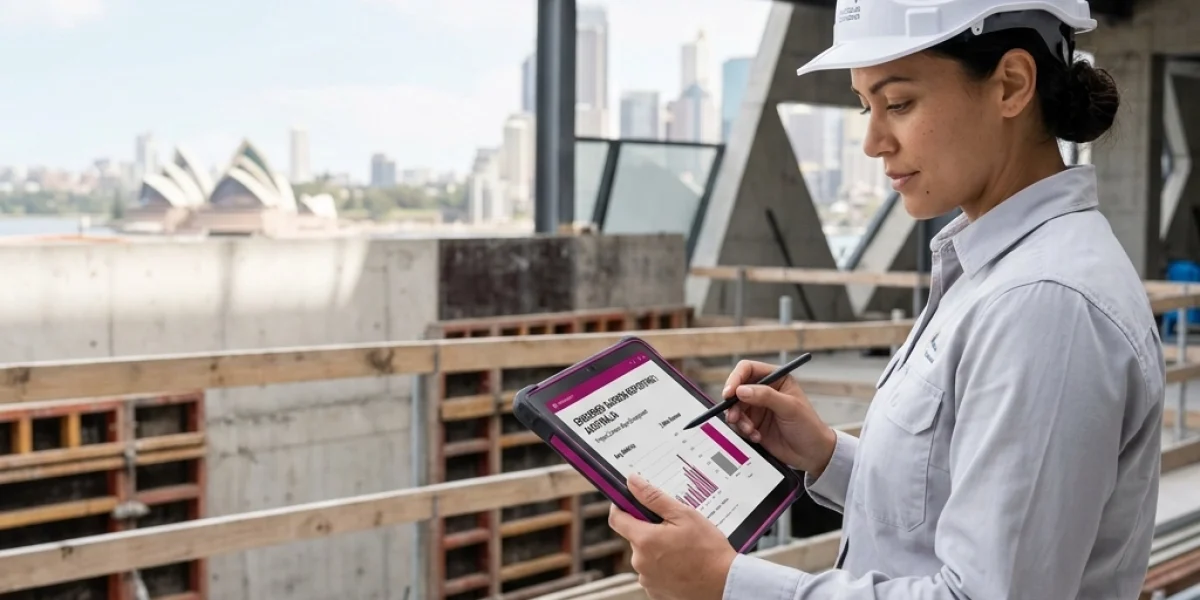
You don’t need to reinvent the wheel. The industry has landed on the NABERS (National Australian Built Environment Rating System) as the primary method for reporting.
The NABERS framework allows you to:
- Measure: Use verified data to calculate the footprint of your materials.
- Verify: Get an independent rating that proves your building’s "green" credentials.
- Compare: Benchmark your project against similar builds across Australia.
By using the NABERS Embodied Carbon tool, you can earn a certified certificate that adds significant value to the property and helps meet the strict ESG (Environmental, Social, and Governance) targets of modern investors.
♻️ The Secret Weapon: Recycled HDPE
When you look at a standard site, the "Big Three" carbon offenders are concrete, steel, and aluminium. Together, they represent over 70% of a building’s embodied carbon.
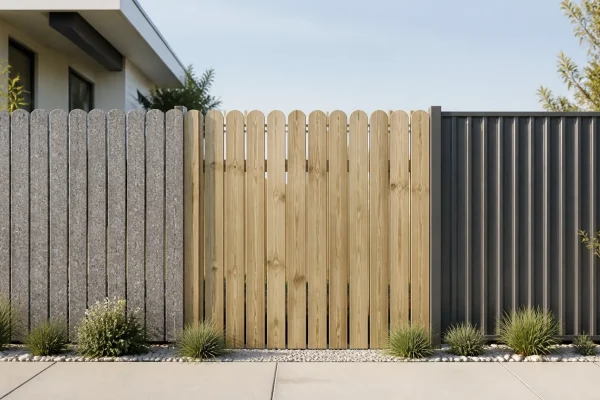
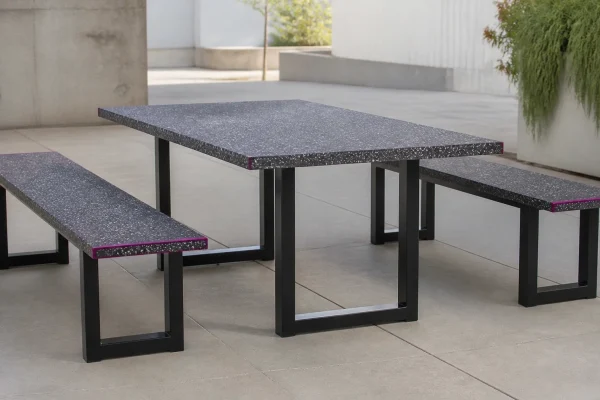
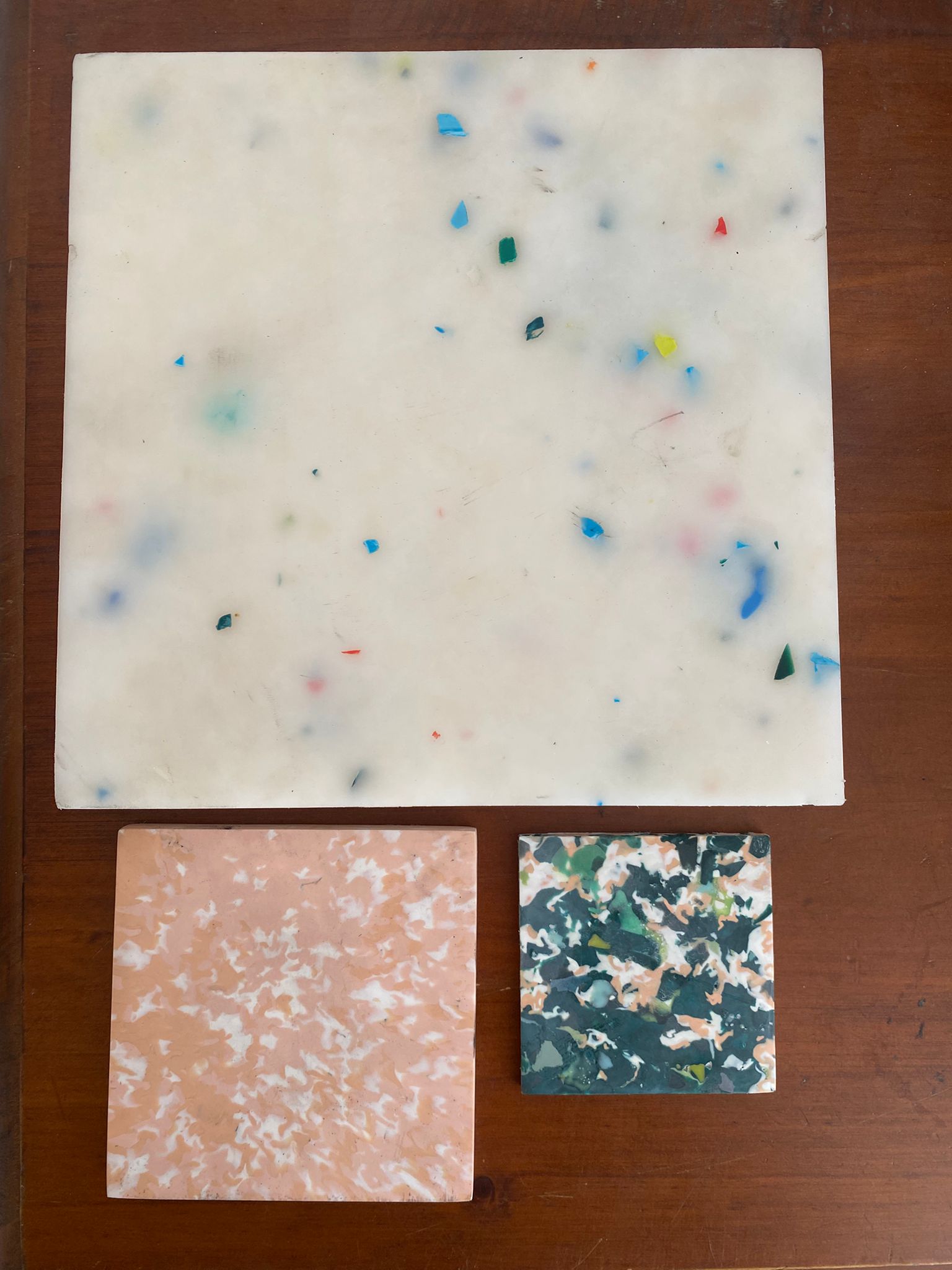
But what about the fitouts, the wet areas, the signage, and the infrastructure? This is where builders are finding the "low-hanging fruit" for carbon reduction. By swapping out traditional virgin materials (like timber, plywood, or virgin plastics) for 100% recycled HDPE sheets, the numbers change drastically.
The Math That Matters
At Resourceful Living, we’ve done the heavy lifting on the data. Here’s how the carbon savings break down when you use our 100% recycled plastic sheets:
- CO2 Reduction: Recycling 1 ton of HDPE saves between 0.9 to 1.75 tons of CO2.
- Percentage Play: This represents a 50% to 70% reduction in emissions compared to using virgin plastic.
- Carbon Credits: Because our materials are traceable and verified, using them helps builders generate 0.9 to 1.75 carbon credits per ton of material used.
Imagine walking into a client meeting and not just saying your project is "sustainable," but handing them a report that shows you’ve effectively offset tons of carbon just by changing your sheet material supplier.

Suggested Image: A clean, modern infographic showing the comparison between 1 ton of virgin plastic CO2 output vs 1 ton of Resourceful Living recycled HDPE.
🛠 Why Builders are Switching in 2026
It’s not just about the environment; it’s about the bottom line. Traditional materials are facing supply chain volatility and rising costs. Meanwhile, traceable recycled materials are becoming the gold standard for durable, weather-resistant construction.
Key Benefits of Resourceful Living Sheets:
- Durability: They don’t rot, swell, or delaminate like plywood.
- Maintenance: UV-stabilised and chemical-resistant: ideal for Australian conditions.
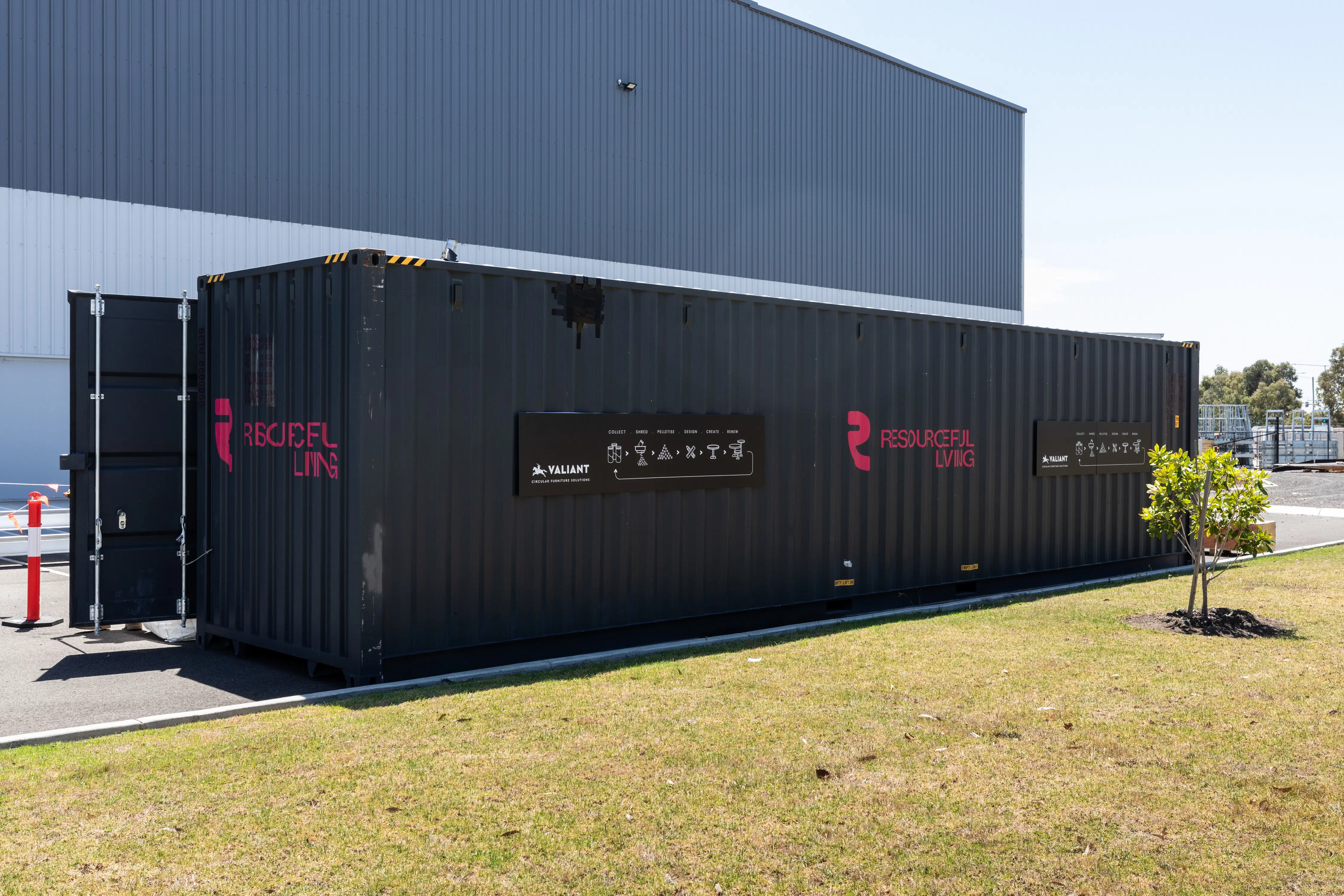
- Circular Economy: We offer a take-back program. When the project is eventually refitted, we take the material back and recycle it again. No landfill, ever.
- Local Impact: Manufactured right here in Australia from Australian waste. No overseas shipping emissions to worry about in your reporting.
"The shift to embodied carbon reporting isn't a hurdle; it’s an opportunity. The builders who master this data now are the ones who will dominate the market in the next five years." – Industry Insight
📋 Your 3-Step Implementation Checklist
Ready to future-proof your next project? Here is how to start reporting today:
- Audit Your Materials: Identify areas where high-carbon materials can be substituted. Check out why builders are switching to 100% recycled plastic sheets for ideas on replacing timber and virgin poly.
- Request EPDs: Ask your suppliers for Environmental Product Declarations (EPDs). If they can’t provide them, they aren't ready for 2026.
- Calculate the Credits: Use the Resourceful Living data (0.9 – 1.75 tons of CO2 saved per ton of material) to bolster your NABERS rating.
🚀 The Future is Circular
As we move deeper into 2026, the distinction between "construction" and "environmental management" will continue to blur. Embodied carbon reporting is the new standard of excellence.
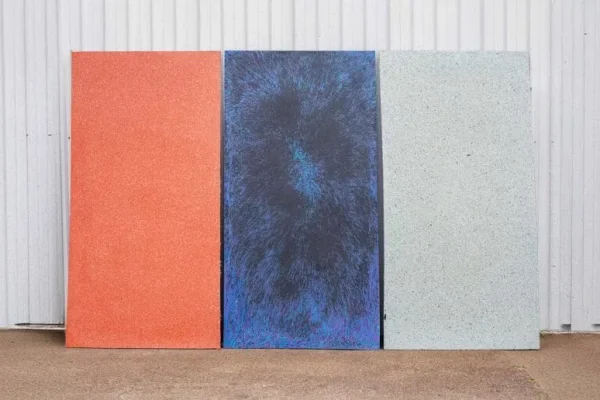
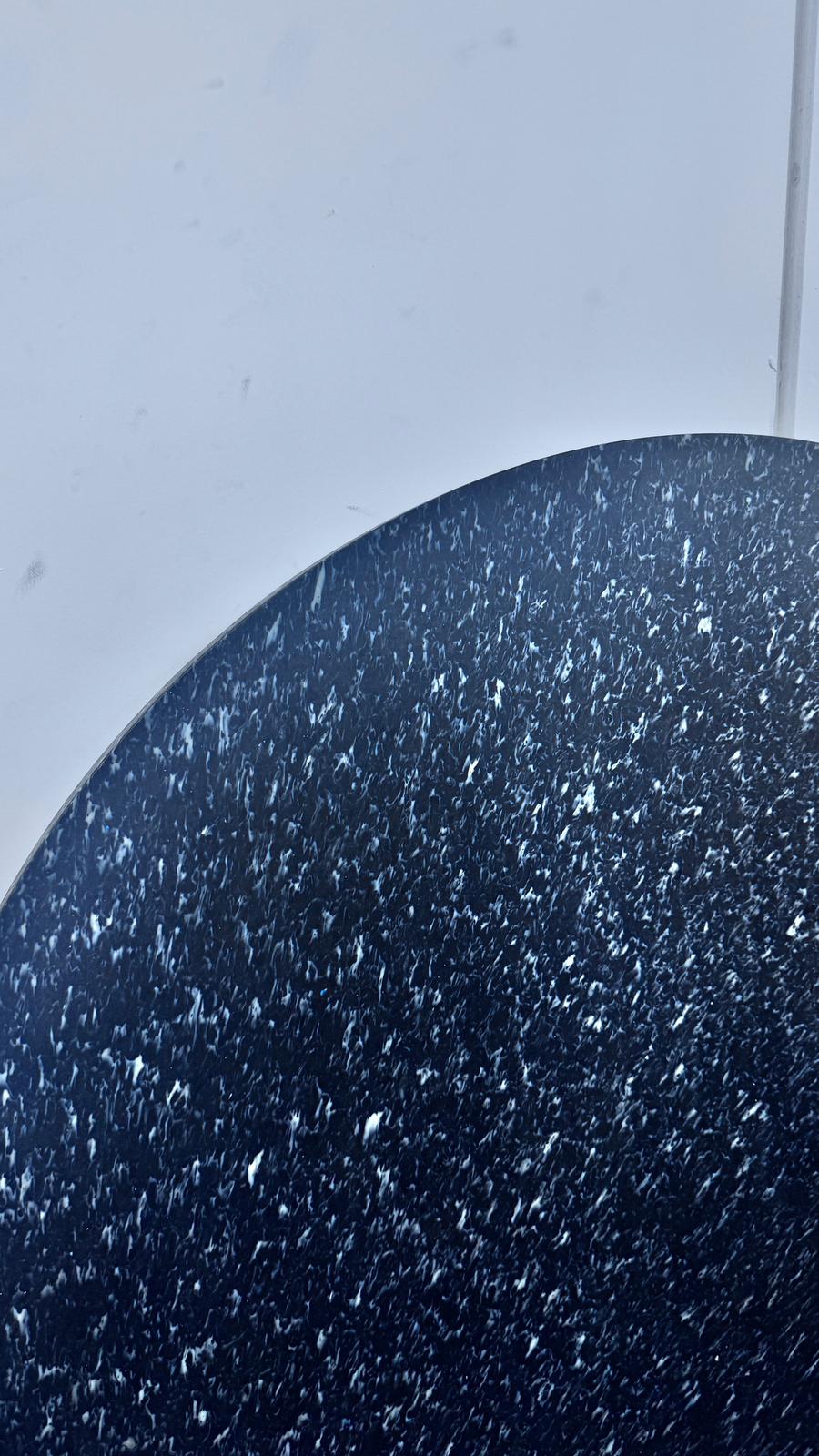
By integrating materials like our navy marbled recycled panels or our high-durability infrastructure sheets, you aren't just building a structure: you’re building a legacy of Resourceful Living.
Don't wait for the regulations to become mandatory and catch you off guard. Start using the carbon math to your advantage today.
Want to see the material in person?
Explore our range of recycled plastic products and see how we can help you hit your 2026 carbon targets without breaking the budget.
Deep Dive Further:
- The 2026 Circular Construction Guide
- How to Future-Proof Your Classrooms with Circular Design
- The Rise of Recycled Plastic Infrastructure in Australia
Resourceful Living is committed to helping the Australian building industry transition to a circular economy. Our 100% recycled HDPE sheets are manufactured locally, supporting both your sustainability goals and the Australian economy.