If you’re on a job site today, you’ve probably heard the buzz about "embodied carbon." It used to be a niche term for architects and sustainability consultants, but as of April 2026, it’s officially arrived on the builder's desk. With the NCC 2025 updates now in full swing, understanding how to report and reduce these "hidden" emissions isn't just about being green: it’s about staying competitive and compliant.
In this guide, we’re stripping away the jargon. We’ll look at what embodied carbon actually is, why the Australian government is making a big deal of it, and how circular construction and materials like recycled plastic sheets in Australia can help you hit your targets without blowing your budget.
What is Embodied Carbon (and Why Should You Care)?
While operational carbon refers to the energy a building uses while people are living or working in it (heating, cooling, lights), embodied carbon is the greenhouse gas debt you’ve already run up before the keys are even handed over.
Think of it as the "carbon footprint" of your materials. It includes the emissions from:
- Extraction: Mining the raw materials (iron ore, bauxite, oil).
- Manufacturing: Turning those raw materials into products like steel, concrete, or virgin plastics.
- Transport: Moving those heavy materials from the factory to your site.
- Installation: The energy used during the actual build process.
Historically, we focused on operational carbon because our grid was "dirty." But as Australia’s electricity grid decarbonises with renewables, the relative impact of the materials themselves has skyrocketed. By 2050, it’s projected that embodied carbon will account for roughly 85% of a building's lifetime emissions. Currently, it contributes about 10% of Australia's national emissions. That’s a massive chunk of the pie that the regulators are now targeting.
The 2026 Landscape: What Builders Need to Know
We’ve officially entered the era where reporting is moving from "nice to have" to "expected." If you’re working on commercial projects or high-end residential builds, here’s the current state of play:
1. NCC 2025 (Published Feb 2026)
The latest National Construction Code (NCC) has introduced a voluntary pathway for commercial buildings to report embodied carbon. While it isn’t a mandatory "pass/fail" threshold yet, the industry consensus is clear: this is a trial run. Expect these reporting requirements to become compulsory by the NCC 2028 update. If you start learning the methodology now, you’ll be years ahead of your competitors.
2. The NABERS Framework
NABERS (National Australian Built Environment Rating System) has become the gold standard for measurement. They’ve developed a standardised way to calculate carbon intensity. Using a recognised framework ensures that your reporting is traceable and holds up under scrutiny. You can learn more about how this fits into the wider industry in our 2026 Circular Construction Guide.
3. Green Star Requirements
If your project is aiming for a Green Star certification, the goalposts have moved. Embodied carbon reduction is now mandatory. You typically need a minimum 10% reduction against a reference building, and for higher ratings, you’re looking at 20% or more.
Why Recycled Materials are Your Secret Weapon
Reducing embodied carbon often comes down to one simple choice: Material Selection.
Three heavy hitters: concrete, steel, and aluminium: account for more than 70% of a typical building's carbon footprint. While you can't always replace a structural steel beam, you can swap out non-structural components for low-carbon alternatives.
This is where circular construction principles come in. By using materials that are already in the system, you bypass the carbon-intensive "extraction" and "manufacturing" phases of virgin materials.
The Case for Recycled Plastic Sheets in Australia
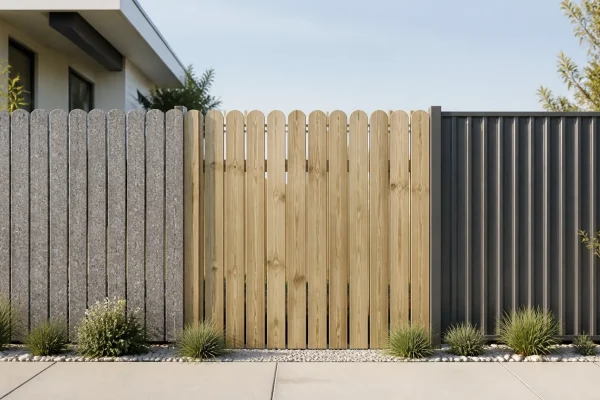
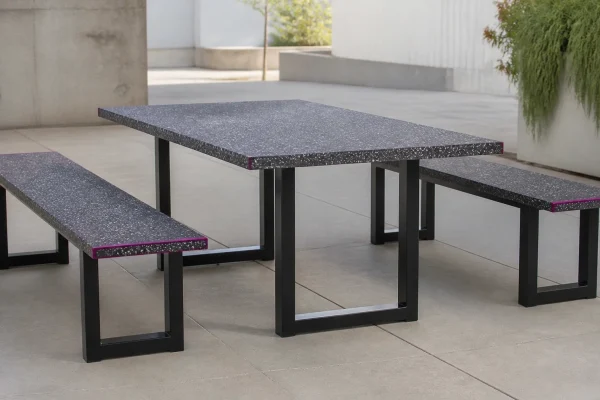
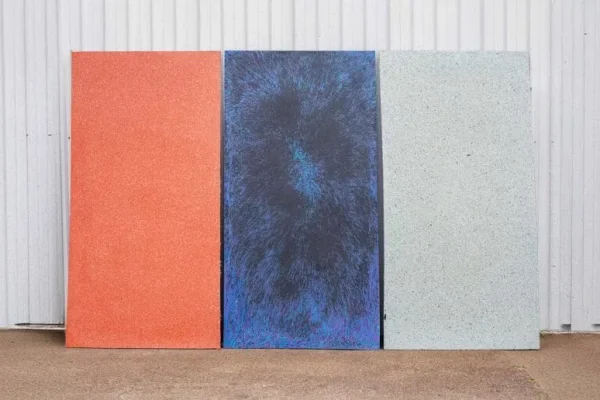
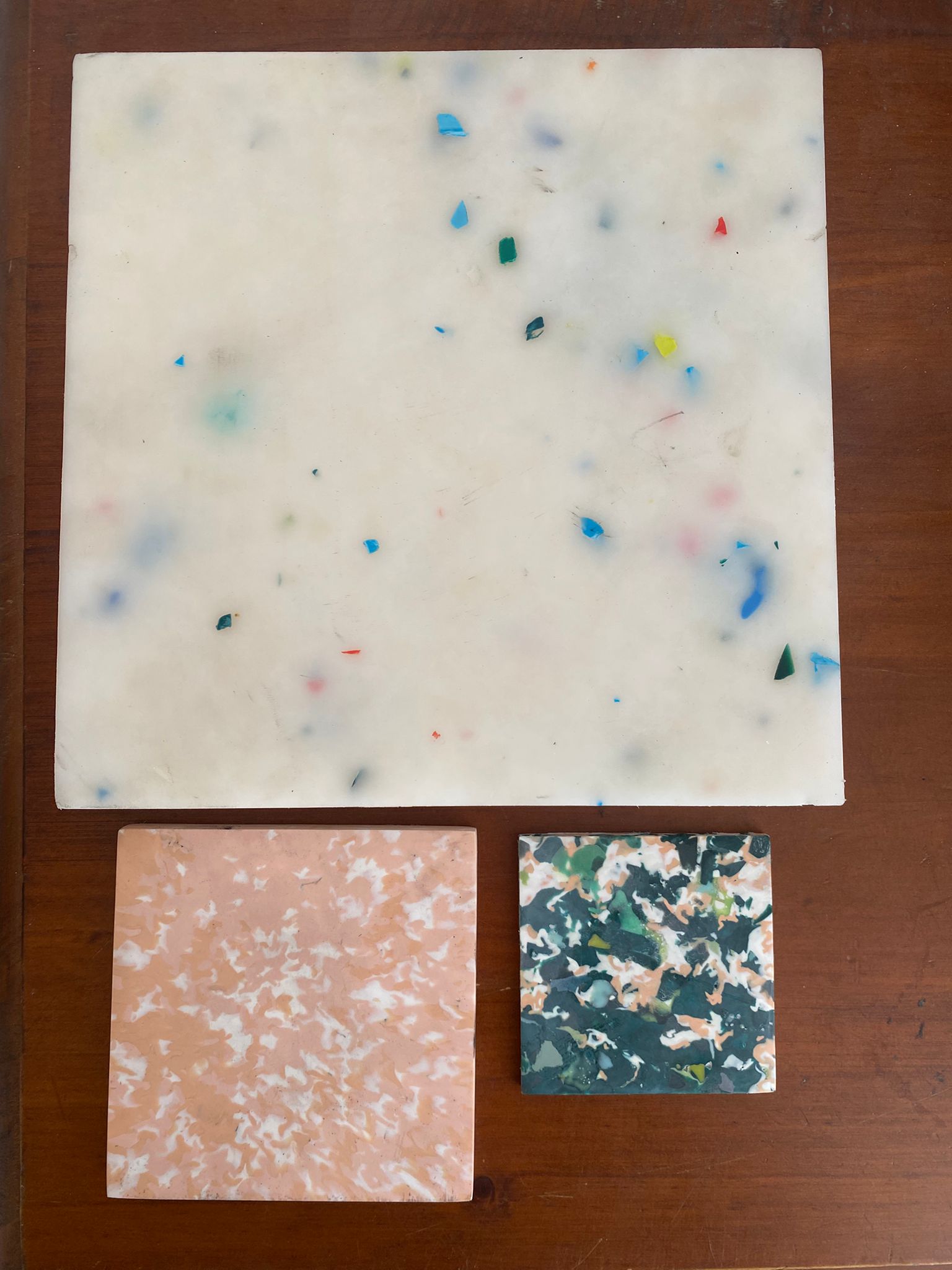
At Resourceful Living, we manufacture recycled plastic sheets in Australia that are made from 100% post-industrial and post-consumer waste. When you compare our panels to virgin plastic or even high-energy materials like some timber composites, the carbon savings are significant.
- Zero Virgin Extraction: We aren't drilling for new oil to make our sheets.
- Traceable Origins: We track where our plastic comes from, making your carbon reporting a breeze. Check out why traceable materials matter for your sustainability targets.
- End-of-Life Planning: Because our sheets are 100% recyclable, they don't contribute to future landfill emissions. We even offer a take-back program.
Practical Steps for Busy Builders
You don’t need a PhD in Environmental Science to start reporting. Here is a quick 4-step checklist to get your site ready for the 2026 standards:
- Baseline Your Materials: Identify the top 5 high-volume materials on your project (usually concrete, steel, timber, glass, and finishes).
- Ask for EPDs: An Environmental Product Declaration (EPD) is like a nutrition label for a building product. It tells you exactly what the embodied carbon content is. Always ask your suppliers for one.
- Swap for Circular Alternatives: Where possible, swap virgin materials for recycled ones. For example, why builders are switching to 100% recycled plastic sheets is often down to the massive reduction in "upfront" carbon they offer for fit-outs and infrastructure.
- Use LCA Tools: Life Cycle Assessment (LCA) tools like eTool or One Click LCA allow you to plug in your material volumes and get an instant carbon report. Many of these tools now integrate directly with NABERS.

The Competitive Edge: Marketing Your Low-Carbon Build
Let’s be real: builders aren't just doing this for the planet. Clients in 2026 are more sophisticated than ever. Developers are looking for contractors who can help them meet their ESG (Environmental, Social, and Governance) targets.
By providing an embodied carbon report alongside your final handover, you are providing tangible value. You are proving that the building is future-proofed against potential carbon taxes or future regulations. It’s a powerful point of difference when tendering for government or large-scale commercial contracts.
"We’re seeing a massive shift in the Aussie market. It’s no longer about how much a material costs today; it’s about what that material costs the project in carbon credits and compliance over the next five years." : Jess Hodge, Sales at Resourceful Living
Circular Construction: The Path Forward
The "Take-Make-Waste" model of construction is dying. In its place is a model where buildings are seen as material banks. When you use recycled plastic sheets in Australia, you aren't just buying a surface; you’re participating in a loop that keeps waste out of landfills and carbon out of the atmosphere.
Whether you're working on a school fit-out: perhaps looking at how recycled plastic is future-proofing classrooms: or a commercial retail space, every kilogram of virgin material you replace counts toward your embodied carbon reduction.

Summary Checklist for Builders
| Action Item | Why it Matters |
|---|---|
| Check NCC 2025 Compliance | Ensures you are meeting the new voluntary reporting standards. |
| Request EPDs | Provides the data needed for NABERS and Green Star reporting. |
| Prioritise Local Suppliers | Reduces "Transport Carbon," a key component of embodied carbon. |
| Choose Recycled Sheets | Swapping virgin plastic for recycled plastic sheets significantly lowers upfront debt. |
| Document the Process | Traceability is the new currency in sustainable construction. |
Embodied carbon reporting might feel like another administrative headache, but it’s actually an opportunity to refine your supply chain and build better, smarter, and cleaner. At Resourceful Living, we’re here to make that transition as easy as possible. Our 100% recycled panels are designed for the tough Aussie environment and the even tougher 2026 regulatory landscape.
Ready to lower the carbon footprint of your next project? Explore our range of recycled plastic materials and see how circular construction can work for you. Let's build something that lasts( without the carbon debt.)