
If you're still specifying concrete for every single structural element in your 2026 projects, you aren't just being "traditional", you're likely bleeding money.
The industry has shifted. Between the surge in landfill levies, the strict new NABERS Embodied Carbon ratings, and a global push toward circularity, the "concrete is king" mentality is facing a serious reality check. While concrete remains the essential "bones" of a high-rise, 100% recycled plastic (like HDPE and PP) has emerged as the superior choice for the "body" of the built environment.
Does the performance difference really matter? Yes, but not in the way you might think. It’s no longer just about load-bearing capacity; it’s about total cost of ownership, carbon accountability, and long-term durability.
The Structural Reality Check: Primary vs. Non-Primary
Let’s be direct: You aren't going to build a 40-storey skyscraper out of recycled plastic. Not yet, anyway.
Concrete has unmatched compressive strength and stiffness, making it the non-negotiable choice for primary structural frames. However, the mistake many developers make is using concrete (or heavy timber) for non-primary structural applications where its weight and carbon footprint become a liability.
Where Recycled Plastic Outperforms Concrete
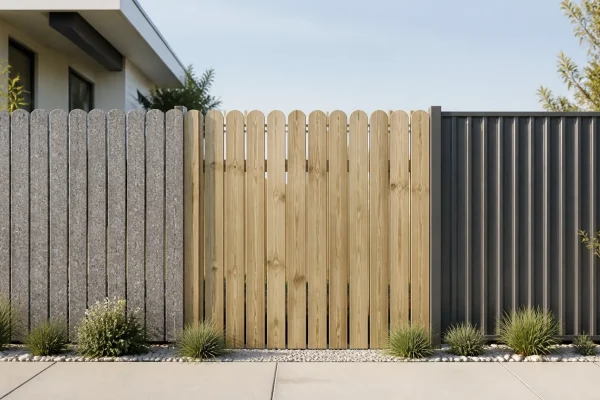
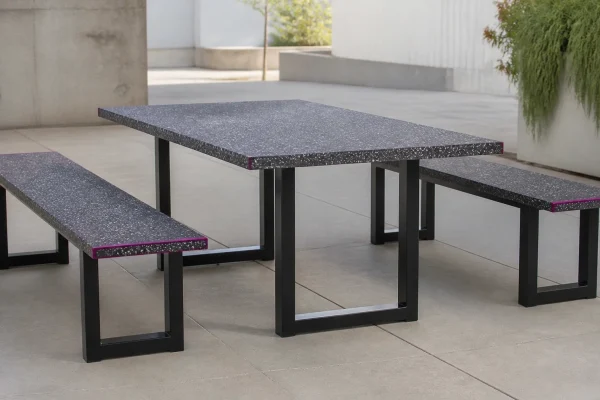
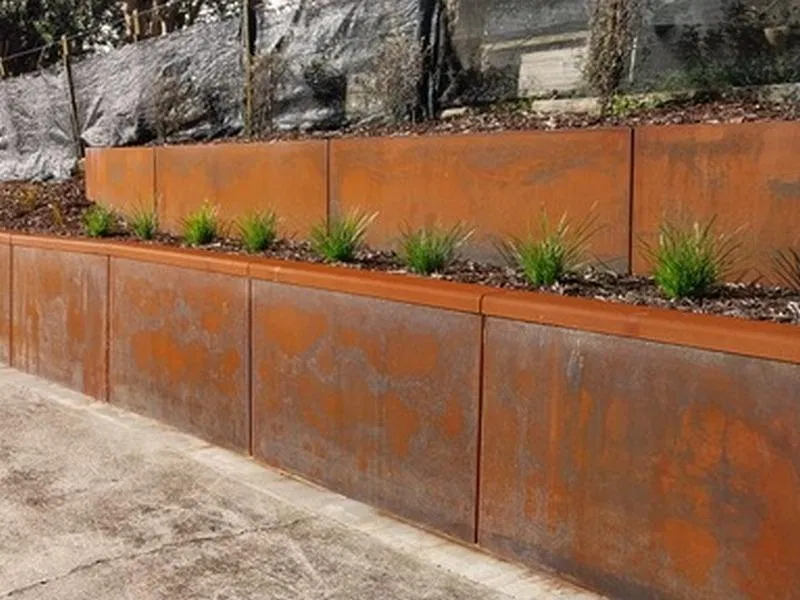
For infrastructure like retaining walls, noise barriers, erosion control, and site storage solutions, recycled plastic panels offer several engineering advantages that concrete simply can't touch:
- Weight-to-Strength Ratio: Our 100% recycled plastic panels are significantly lighter than pre-cast concrete. This reduces the need for heavy lifting machinery on-site, slashing your operational carbon and labour costs.
- Flexibility & Impact Resistance: Unlike concrete, which is prone to cracking and spalling under impact or ground movement, HDPE and PP panels have high tensile strength. They can absorb impact and flex slightly without catastrophic failure.
- Corrosion Immunity: In coastal or high-moisture Australian environments, concrete eventually suffers from "concrete cancer" (reinforcement corrosion). Recycled plastic is 100% waterproof and chemically inert. It doesn't rot, rust, or degrade.

The Carbon Factor: NABERS and Your Bottom Line
In 2026, a project's success is measured by its Embodied Carbon Score. With the launch of the NABERS Embodied Carbon tool, every kilogram of cement you put into a building is a data point that could lower your building’s overall rating.
Upfront Embodied Carbon (A1–A5)
Concrete is incredibly carbon-intensive. Even "green" concrete mixes still rely on cement, which accounts for roughly 8% of global CO2 emissions. In contrast, recycled plastic bypasses the energy-intensive virgin manufacturing process entirely.
"By choosing recycled materials over concrete for non-load-bearing infrastructure, you aren't just ticking a green box: you're directly improving your NABERS rating and increasing the asset's market value." : Resourceful Living Industry Insight.

By integrating materials with verified local traceability, you can demonstrate to auditors and stakeholders that your material choices are part of a verified circular economy.
Maintenance: Why Concrete "Cancer" is a 20th Century Problem
We've all seen it: a five-year-old concrete retaining wall showing hairline fractures, or a coastal pier suffering from spalling. The maintenance cycle for concrete in harsh Australian conditions is a recurring line item that eats into your long-term budget.
Recycled plastic is "set and forget."
- UV Stability: Modern recycled panels are treated for UV resistance, ensuring they don't embrittle under the Australian sun.
- No Surface Treatments: Concrete often requires sealers or anti-graffiti coatings. Our panels are solid blocks of 100% recycled plastic: the colour goes all the way through, meaning scratches don't show and graffiti is often easier to remove without damaging the substrate.
- Termite & Rot Proof: While timber is the usual alternative to concrete, it's a feast for termites. Recycled plastic offers the aesthetic of modern materials without the biological vulnerability.
The Landfill Levy Trap: Avoiding the $150/Tonne Headache
If you're managing a site in NSW or Victoria, you're well aware that landfill levies are skyrocketing. Sending "waste" to landfill isn't just bad PR; it’s a financial disaster.
When you use concrete, the end-of-life plan usually involves heavy demolition and crushing. While concrete is recyclable, the process is energy-heavy. If the concrete is contaminated (e.g., bonded to other materials), it often ends up in landfill, incurring massive fees.
The Take-Back Advantage
Resourceful Living operates on a true circular model. We don't just sell you a panel; we offer a guaranteed take-back program.
- ✅ Zero Landfill: At the end of the product's life (decades from now), we collect it for free and remanufacture it into new panels.
- ✅ Eliminate Disposal Costs: You'll never pay a landfill levy on a Resourceful Living product.
- ✅ Australian Made: We transform 1 tonne of Australian plastic waste per day into high-value building materials. This isn't imported "green" material; it's your own local waste coming back to serve your project.

Comparison: Concrete vs. Recycled Plastic Panels (2026 Metrics)
| Feature | Concrete (Traditional) | 100% Recycled Plastic (HDPE/PP) |
|---|---|---|
| Primary Structural Use | Ideal (High Compressive Strength) | Not Recommended for Load-Bearing Frames |
| Maintenance | High (Cracking, Corrosion, Spalling) | Virtually Zero (Waterproof, UV Stable) |
| Embodied Carbon | High (Cement Intensive) | Very Low (Waste Diversion) |
| Installation Speed | Slow (Curing time, heavy machinery) | Fast (Lightweight, standard tools) |
| End-of-Life | Crushed/Landfill (Levy Risk) | 100% Recyclable (Take-Back Program) |
| Local Impact | Mixed (Global Supply Chains) | 100% Australian Waste & Labour |
How to Transition Your Specification
Ready to stop over-specifying concrete? Start by auditing your current project for non-load-bearing structural elements.
- Identify the "Body" Elements: Look at your garden edging, noise barriers, site hoardings, and interior fit-outs.
- Check Your NABERS Targets: If you're falling short of your embodied carbon goals, swapping out 20 tonnes of concrete for 5 tonnes of recycled plastic panels is one of the fastest ways to bridge the gap.
- Review Maintenance Budgets: Factor in the 10-year cost of concrete repairs versus the zero-maintenance profile of recycled plastic.
- Source Locally: Ensure your supplier can prove the traceability of the plastic source.
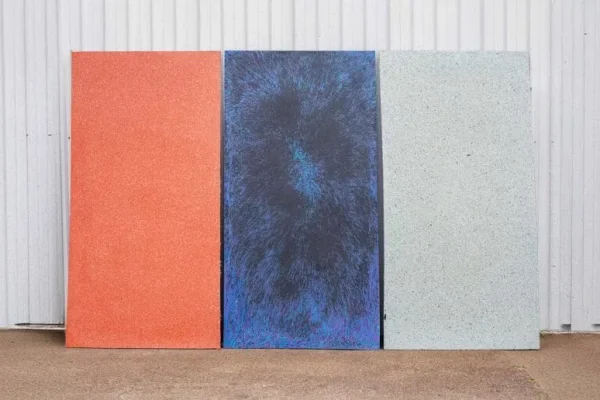
At Resourceful Living, we produce standard 2400mm x 1200mm panels (3mm to 40mm thickness) every single day of the week in our Australian facility. We’re not just a supplier; we're your partner in meeting the building standards of 2026.
Don't let your project get stuck in the concrete age. Enquire today to see how our 100% recycled Australian panels can lighten your carbon load and your bottom line.