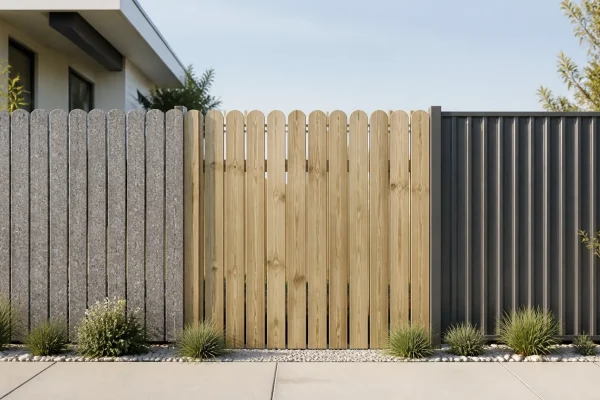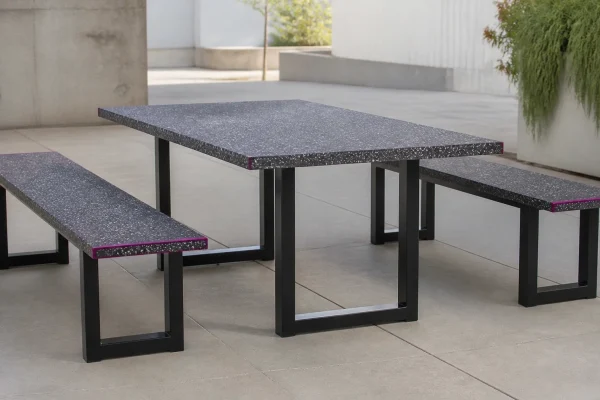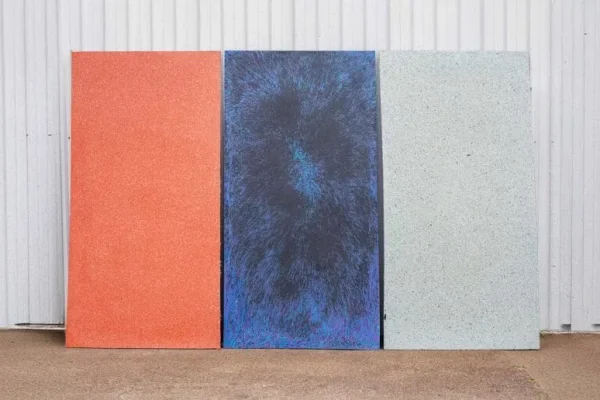

If you're a builder or procurement manager in 2026, you've probably noticed that "sustainability" isn't just a buzzword on a glossy brochure anymore, it’s a hard gatekeeper in the tender process.
Gone are the days when you could win a project simply by being the lowest bidder. With the National Waste Policy Action Plan and updated Green Building Council of Australia (GBCA) guidelines, government and tier-1 commercial tenders now demand verifiable circular outcomes.
But here’s the rub: how do you distinguish between a material that’s actually "green" and one that’s just greenwashed?
In this guide, we’re breaking down how to choose sustainable building materials that actually help you win tenders, focusing on the shift from upfront price to Total Cost of Ownership (TCO) and why local traceability is your new secret weapon.
1. The "Initial Price" Trap vs. Total Cost of Ownership (TCO)
In the old world, procurement was simple: find the cheapest material that met the spec. In the circular economy, that strategy is a recipe for long-term financial (and reputational) disaster.
When you choose traditional materials like timber or imported composite panels based solely on the purchase price, you’re often ignoring the "hidden" costs:
- Maintenance: How many times will that timber need sanding and sealing over 10 years?
- Replacement Cycles: Does the material rot, rust, or degrade in the Australian sun?
- Disposal Costs: When the project reaches its end-of-life, will you be paying thousands in landfill levies to get rid of it?
The Carbon Cost Factor
By 2026, embodied carbon reporting is mandatory for most large-scale projects. If you buy a "cheap" imported panel, its carbon footprint, from shipping across the globe to energy-intensive manufacturing, will blow out your project’s sustainability metrics.
"True sustainability isn't just about what a material is made of; it's about how long it stays in the loop and what it costs the planet to keep it there." , Jess Hodge, Resourceful Living
2. Verified Australian Recycled Content vs. Imported Unknowns
There is a flood of "recycled" products entering the Australian market, often from overseas. While the price point might look attractive, they present a massive risk for circular tenders.
The Problem with Imported "Recycled" Materials:
- Zero Traceability: You often can’t verify where the plastic came from or if it contains hazardous additives.
- No Take-Back Loop: If a supplier is 10,000km away, they aren't going to take your offcuts or end-of-life products back. This effectively kills your circularity score.
- Supply Chain Fragility: International shipping delays can stall your project for months.
The Australian-Made Advantage:
At Resourceful Living, we use 100% Australian plastic waste. This means you can tell your client exactly which local council area their building panels came from.
We manufacture 1 tonne of plastic per day right here in Australia. This local capacity ensures you aren't waiting on a ship; you’re getting your materials delivered when you need them.

3. Navigating Circular Tenders in 2026
Tenders are now using Whole-of-Life Cost Calculators and Buy Recycled Evaluation Scoring Templates. To score highly, your material choices need to meet three specific criteria:
A. High Recycled Content (By Mass)
It’s not enough to say a product "contains recycled material." You need to provide the percentage by mass. Our panels are 100% recycled plastic: no additives, no veneers, no fillers. This is a massive "check-box" win for procurement managers.
B. Design for Disassembly
Can the material be removed and reused elsewhere? Because our 2400mm x 1200mm panels are solid and durable, they can be uninstalled from a retail fit-out and repurposed for construction or storage, keeping the material at its highest value for longer.
C. The Take-Back Guarantee
A circular tender essentially asks: "What happens when you're finished with this?"
We offer a take-back program where we collect our products for free at their end of life to remanufacture them into new sheets. This closes the loop and eliminates your client's waste disposal liability.
4. Comparison Guide: Recycled Plastic vs. Traditional Materials
| Feature | Recycled Plastic Panels (Resourceful Living) | Treated Timber / Plywood | Imported "Eco" Composites |
|---|---|---|---|
| Recycled Content | ✅ 100% Australian Waste | ❌ Minimal/Zero | ⚠️ Unverified/Imported |
| Water Resistance | ✅ 100% Waterproof (No Rot) | ❌ Absorbs moisture | ⚠️ Varies |
| Maintenance | ✅ Zero (Self-coloured) | ❌ High (Paint/Stain) | ✅ Low |
| End of Life | ✅ 100% Recyclable (Take-back) | ❌ Landfill (If treated) | ❌ Downcycled or Landfill |
| Carbon Footprint | ✅ Low (Local Supply Chain) | ⚠️ Moderate | ❌ High (Shipping/Logistics) |

5. Implementation Checklist for Procurement Managers
If you’re preparing a bid or choosing materials for your next project, use this checklist to ensure you’re meeting 2026 circular standards:
- Request an EPD: Does the supplier have an Environmental Product Declaration?
- Verify the Source: Is the waste sourced from Australia, or is it imported? (Local sourcing earns more "Social Value" points in government tenders).
- Check Durability: Is the material weather-resistant? (Avoid materials that require replacement every 3-5 years).
- Confirm the Loop: Does the supplier have a documented Take-Back Scheme?
- Assess TCO: Compare the 10-year maintenance cost, not just the "on-dock" price.
Why Circular Projects Need Local Traceability
Choosing the right material isn't just about ticking a box; it's about future-proofing your business. As sustainability criteria move from "nice-to-have" to mandatory gatekeepers, having a partner like Resourceful Living allows you to provide the hard data and local traceability that wins contracts.
Whether you need recycled plastic sheets for construction, custom furniture for a commercial fit-out, or bespoke building materials, we make it easy to hit your sustainability targets without sacrificing quality or speed.
Ready to boost your next tender response? Contact our team today for a quote or to request a sample pack of our 100% Australian recycled panels.