
The Australian built environment is currently undergoing its most significant transformation in decades. As we move through 2026, the push toward circularity has shifted from a "nice-to-have" CSR goal to a hard-coded procurement requirement.
With the Australian government aiming to double the nation’s circularity rate by 2035, and the Green Building Council of Australia (GBCA) releasing its comprehensive Circular Procurement Guide, the rules of the game have changed. It's no longer enough to just "recycle more."
If you're still treating circularity as an afterthought or a line item for a few recycled benches, you're likely making critical errors that will impact your project’s compliance, cost, and long-term viability. Here are the seven biggest mistakes we’re seeing in 2026 circular construction: and exactly how to fix them using local traceability.
1. Treating Circularity as an "Add-on" Instead of a Driver
The most common mistake is adding circular goals late in the project: usually after the site strategy, structural system, and façade concept are already locked in.
When circularity is treated as an "add-on," you’re limited to superficial changes, like choosing a recycled carpet or a low-carbon paint. This doesn't address the 90% of material mass that makes up the structure.
The Fix: Circularity must be embedded in the Initial Project Brief. Following the GBCA guide, 2026 projects should use circularity as a design constraint from day one. Ask your architects: "How can we design this structure for disassembly?" or "What percentage of this building can be returned to the manufacturer at end-of-life?"
2. Focusing on Recycling While Ignoring the Higher Hierarchy
Many teams are still stuck on "Recycle" (Level 3 of the hierarchy) and completely missing Reuse and Repair (Levels 1 and 2).
Using a material that is technically "recyclable" but has no actual pathway for recovery is a massive liability. For example, composite panels that are glued together might be "recyclable" in theory, but in practice, they end up in landfill because they can't be separated.
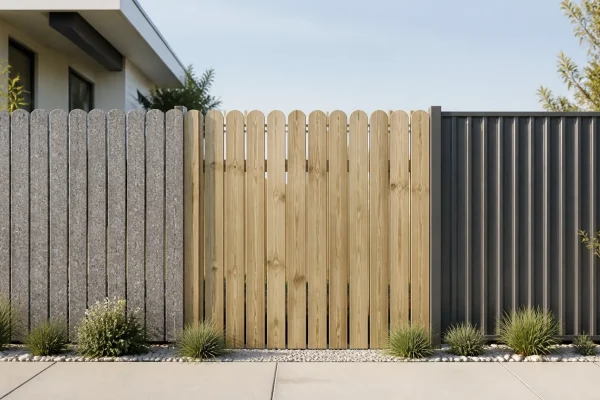
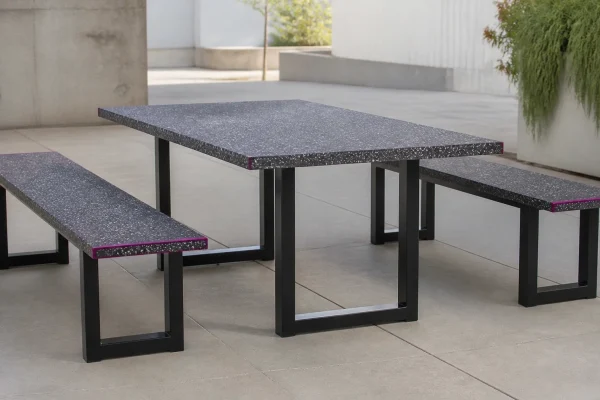
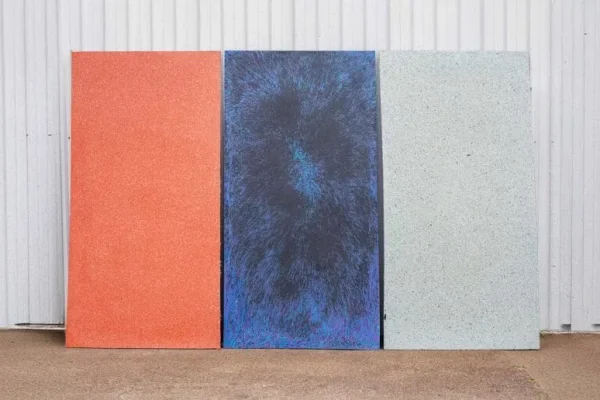
The Fix: Prioritise materials that are 100% monolithic. Our recycled plastic panels are solid blocks of 100% recycled plastic with no additives or veneers. This makes them infinitely easier to remanufacture compared to complex composites.
3. Vague Contract Wording (The "Greenwashing" Gap)
In 2026, vague terms like "where feasible" or "consider sustainable options" are project-killers. These phrases provide no legal weight and often lead to unintentional greenwashing, where the actual circular outcome is zero.
If your tender doesn't specify quantified targets and verification methods, you aren't doing circular construction; you're just hoping for it.
The Fix: Use the GBCA’s suggested contract wording. Demand Product-Specific EPDs (Environmental Product Declarations) and proof of source. Instead of saying "use recycled plastic," specify "100% Australian-sourced post-consumer recycled plastic with a verified take-back programme."
4. Missing the "Local" in Traceability
This is where many Australian projects fall down. Importing "recycled" materials from overseas often involves a massive carbon footprint that negates the environmental benefit. Even worse, the "traceability" of that waste often stops at the shipping port.
How do you know that "recycled" panel from overseas isn't actually virgin plastic with a "recycled" label?

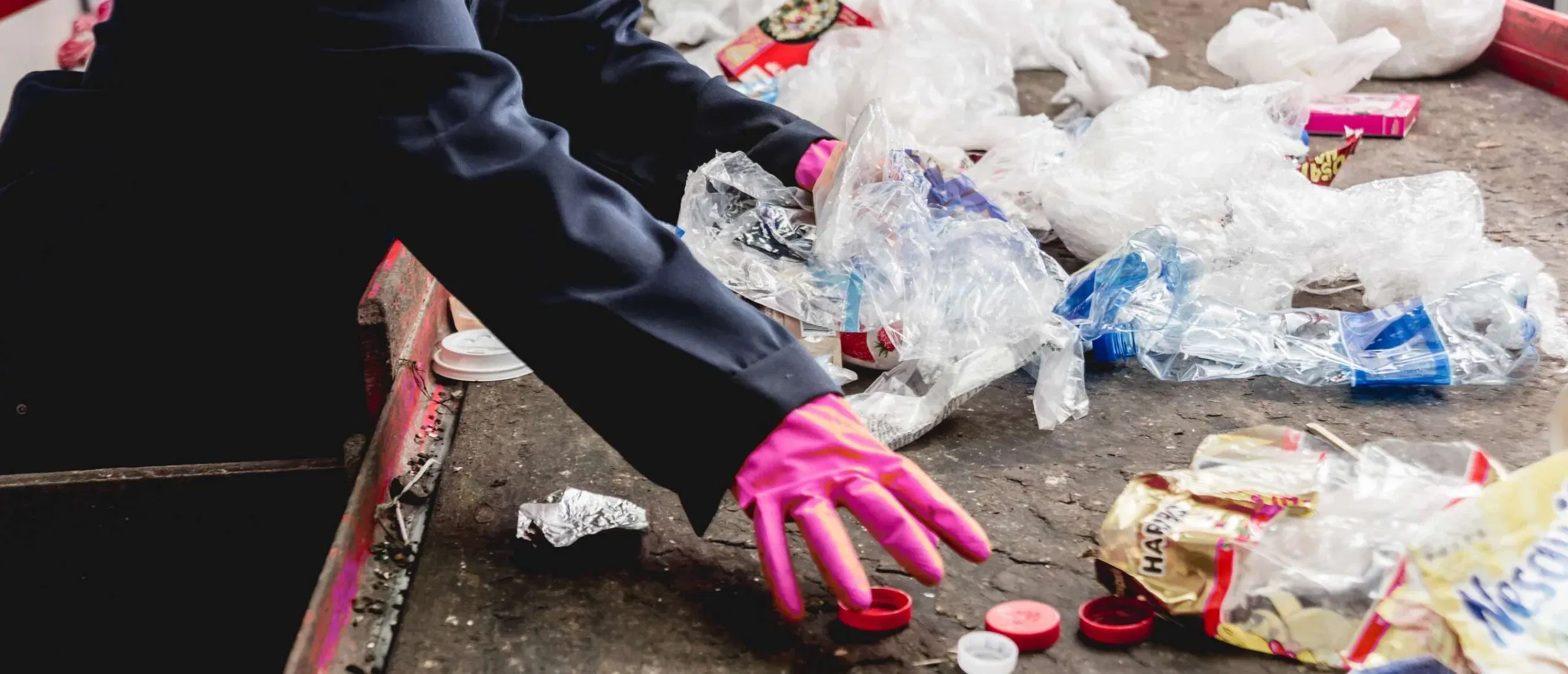
The Fix: Insist on Local Traceability. At Resourceful Living, we manage the end-to-end cycle. We take 100% Australian plastic waste: the stuff from your local bins: and transform it in our local facility. This gives you a clear, audit-ready paper trail that proves your project is directly helping the Australian environment. Learn more about why local traceability matters here.
5. Ignoring Embodied Carbon Data
Circular construction and Net Zero are two sides of the same coin. A major mistake is assuming that because a material is circular, its carbon footprint is automatically low.
In 2026, Embodied Carbon Reporting is no longer optional for major refurbishments. If you aren't tracking the CO2e per kilogram of your materials, you're flying blind.
The Fix: Request specific metrics. Our panels have significantly low carbon emissions compared to traditional materials like concrete or virgin timber. When you choose local recycled materials, you’re eliminating the transport emissions of global shipping. Check out our guide on integrating embodied carbon reporting for your next project.
6. Designing for "Now" but Not for "Disassembly"
We still see projects using wet trades and permanent adhesives on materials that could otherwise be reused. If you glue a high-value recycled plastic panel to a wall, you've effectively ended its circular life. It can't be recovered without damage.

The Fix: Move toward mechanical fixings. Our 2400mm x 1200mm panels are designed to be worked like timber: drilled, screwed, and bolted. By using mechanical fixings, you ensure that at the end of a retail fit-out or office life, those panels can be unscrewed and moved to a new project or returned to us for remanufacturing.
7. Failing to Plan for the "End of Life" (The "Dump and Forget" Mentality)
The biggest mistake in the circular economy is thinking the job is done once the material is installed. If there is no plan for what happens 10, 20, or 30 years from now, it's not a circular project: it's just a delayed landfill project.
The Fix: Partner with manufacturers who offer a Take-Back Program. We don't just sell you a product; we offer a circular partnership. At the end of its life, we collect our products free of charge to be remanufactured into new sheets or furniture. This ensures the material never enters the waste stream.
Your 2026 Circular Checklist
To avoid these pitfalls and align with the goal of doubling Australia's circularity by 2035, use this quick checklist for your next procurement round:
- Early Integration: Are circular goals in the initial project brief?
- Hierarchy Check: Have we prioritised reuse and repair over simple recycling?
- Traceability: Is the plastic 100% Australian waste, or are we importing emissions?
- End-of-Life: Does the supplier have a written, guaranteed take-back program?
- Data: Do we have the EPDs and carbon data required for 2026 reporting?
- Durability: Is the material tested for strength and weather resistance to ensure it lasts? (Our materials are tested for exactly that).

Conclusion: The Circular Shift is Here
Circular construction in 2026 is about more than just ethics; it’s about efficiency, durability, and meeting local mandates. By avoiding these seven mistakes and focusing on local traceability, you aren't just ticking a box: you're building a more resilient, low-carbon future for Australia.
Ready to secure traceable, 100% recycled materials for your next project? We manufacture 1 tonne of plastic per day right here in Australia and offer custom manufacturing seven days a week to keep your projects on schedule.
Explore our range of 100% recycled plastic panels or contact our team to discuss your circular procurement needs.