By now, you've definitely heard the "Net Zero" buzzword floating around every boardroom and construction site in Australia. But as we move through 2026, the talk is shifting from vague promises to hard data. Governments and Tier 1 builders aren't just asking for "sustainable" materials anymore; they’re demanding proof of carbon reduction.
If you’re looking for a way to slash your project’s carbon footprint without reinventing the wheel, recycled plastic sheets might just be your most powerful ally.
But can a sheet of plastic really move the needle on a global climate goal? The answer lies in the math, the manufacturing process, and how you report your ESG (Environmental, Social, and Governance) metrics. Let’s dive into how swapping traditional materials for recycled plastic panels can help you hit those targets.
The Carbon Math: How Recycled Plastic Sheets Save the Day
When we talk about Net Zero, we’re really talking about balancing the scales. To get there, we need to drastically reduce the embodied carbon in our building materials.
Here is the data you need for your next sustainability report: Recycling just 1 tonne of High-Density Polyethylene (HDPE) saves between 0.9 and 1.75 tonnes of CO2 emissions.
Why such a range? It depends on what you’re comparing it to. When you choose recycled materials over virgin plastic, you’re bypassing the incredibly carbon-heavy process of extracting oil, refining it, and turning it into brand-new polymers.
To make this tangible for your site manager or procurement team, we use a simple rule of thumb:
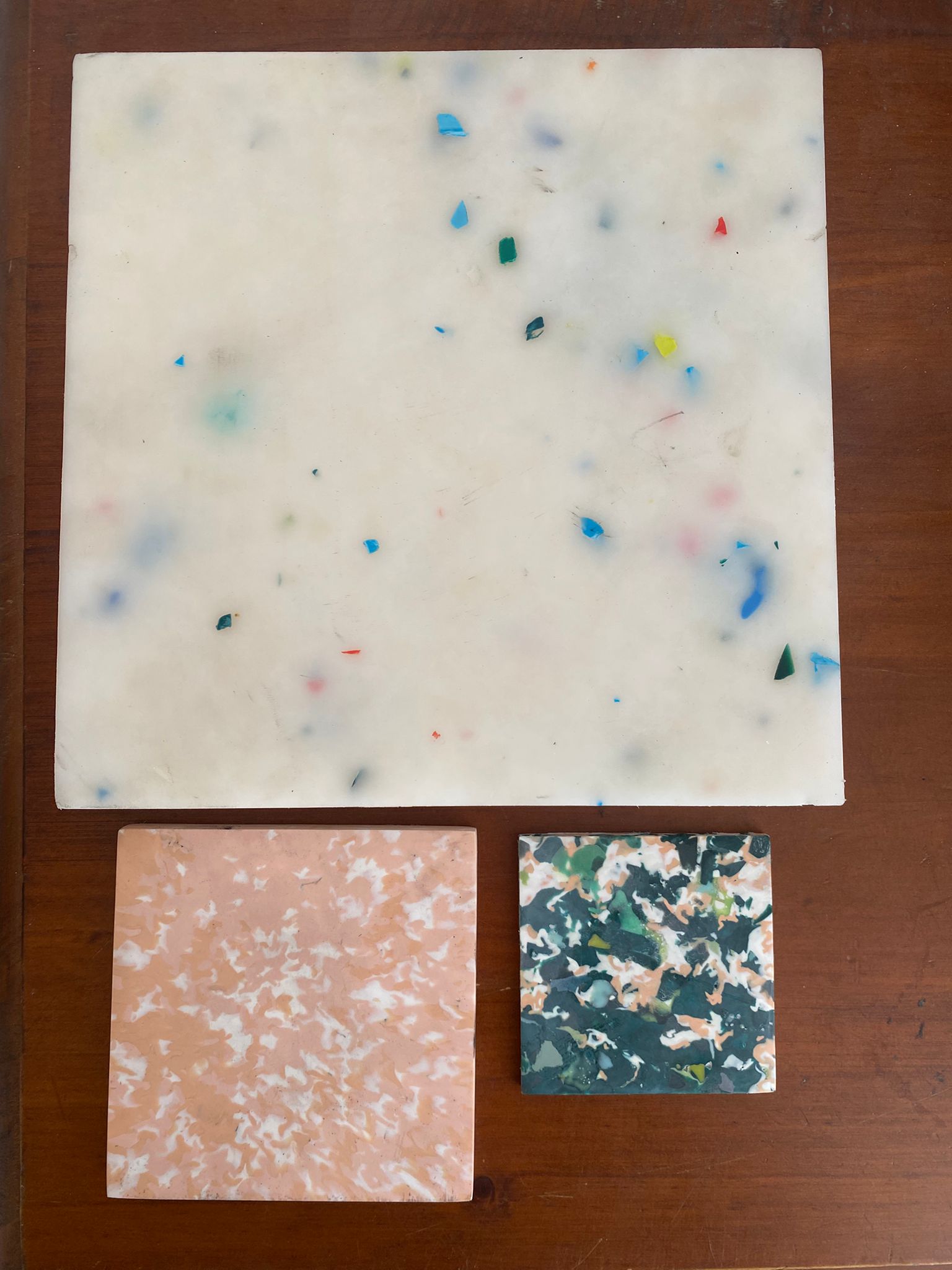
19 sheets of our 20mm recycled plastic panels = 1 tonne of CO2 saved.
Think about that for a second. If you’re cladding a retail fit-out or building a series of outdoor furniture installations, hitting a multi-tonne carbon saving isn't a distant dream: it’s just a matter of choosing the right material.
Mechanical Recycling vs. Virgin Production: The Energy Gap
Not all recycling is created equal. At Resourceful Living, we lean heavily into mechanical recycling. This is a "low carbon" champion compared to other methods.
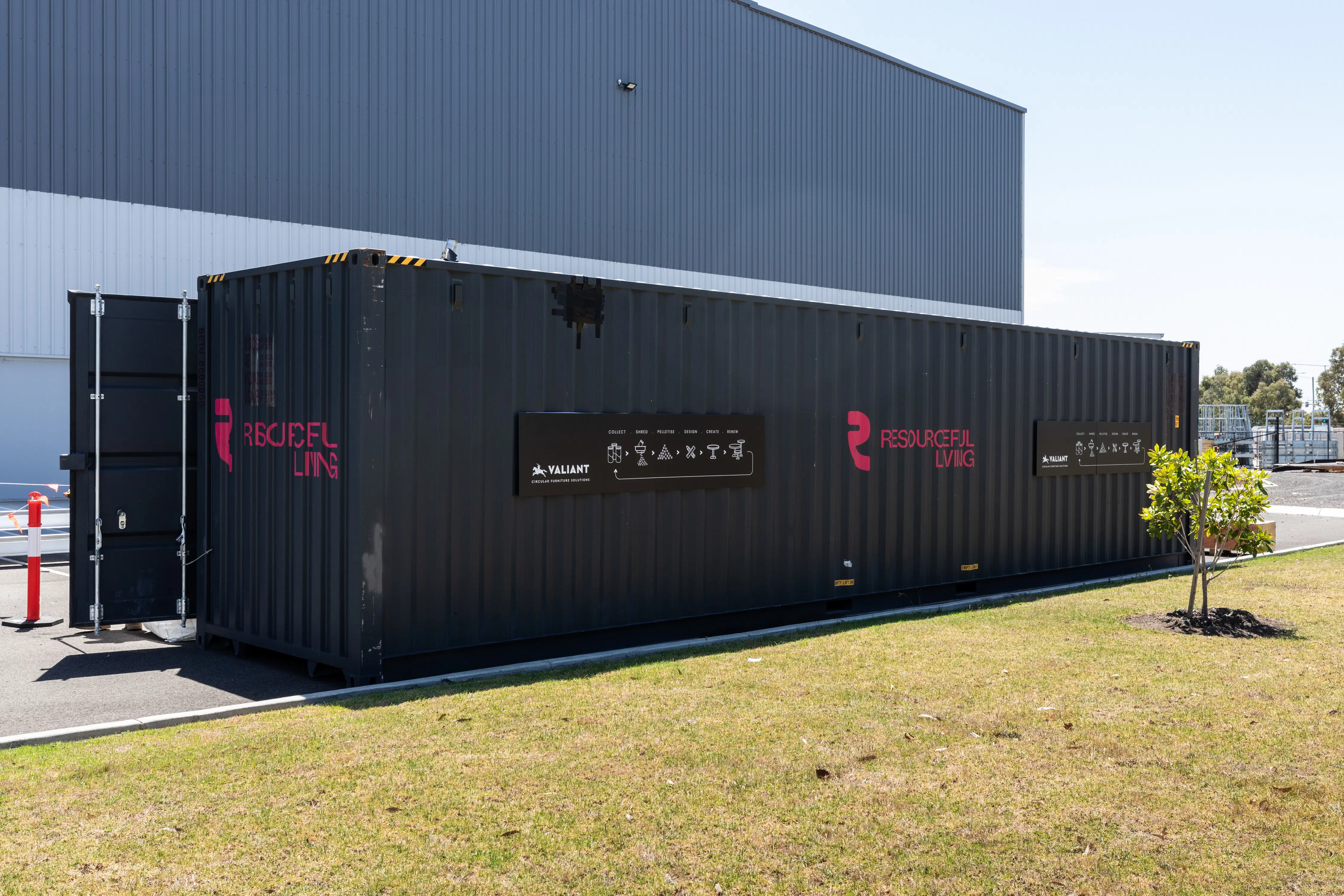
Virgin plastic production is essentially a fossil fuel industry. It requires massive amounts of energy and produces significant greenhouse gas emissions at every stage. In contrast, mechanical recycling involves cleaning, shredding, and melting existing plastic waste into new recycled plastic sheets.
- Energy Consumption: Recycling plastic saves approximately 5,774 kWh of energy per tonne compared to virgin production.
- Fossil Fuel Preservation: Every panel you use keeps oil in the ground.
- Lower Heat Requirements: Our manufacturing process uses significantly less heat than that required to create raw chemical precursors for virgin boards.
By opting for these panels, you are essentially "locking away" carbon that has already been spent, rather than generating a new carbon debt. This is a critical distinction for anyone trying to understand Australia’s new embodied carbon rules.
ESG Reporting and Winning the Tender War
If you're in the construction or infrastructure space, you know that "being a good person" doesn't win tenders: data wins tenders.
Most large-scale projects in Australia now require a detailed ESG statement. When you specify recycled plastic panels, you’re checking multiple boxes at once:
- Scope 3 Emission Reduction: Since the material has a lower carbon footprint than virgin plastic or even some timber products, your indirect emissions drop.
- Waste Diversion: You can point to the exact amount of Australian plastic waste diverted from landfills.
- Circular Procurement: You are supporting a local "closed-loop" economy.
Many of our partners find that using these materials helps them integrate with NABERS ratings or meet strict local council requirements for public infrastructure. It’s a paper trail that proves you’re actually doing the work, not just greenwashing.
Beyond Carbon: The Circular Economy Advantage
While carbon is the headline act, the "Net Zero" journey is also about resource efficiency. Traditional materials like timber or marine ply often come with a hidden environmental cost: deforestation, chemical treatments (like CCA), and a limited lifespan in harsh Australian conditions.
Recycled plastic sheets are different. They are:
- 100% Waterproof: They don't rot or swell, meaning they don't need to be replaced every five years.
- Chemically Inert: No nasty leachates into the soil or groundwater.
- Recyclable… Again: When the project reaches its end of life, these panels can be shredded and remanufactured.
When you compare recycled plastic board vs marine plywood, the "longevity" factor becomes a major part of the sustainability story. A material that lasts 50 years instead of 10 effectively cuts the carbon footprint of that installation by 80% over its total lifecycle.

Putting the "Net" in Net Zero: Practical Applications
So, where do these recycled plastic sheets actually go? To hit Net Zero, we need to look at high-volume areas where we can swap out carbon-intensive materials.
1. Construction and Site Hoarding
Instead of using single-use plywood that ends up in a skip bin after six months, builders are switching to durable plastic panels. They can be washed and reused across multiple sites, drastically lowering the "per project" carbon cost.
2. Retail and Commercial Fit-outs
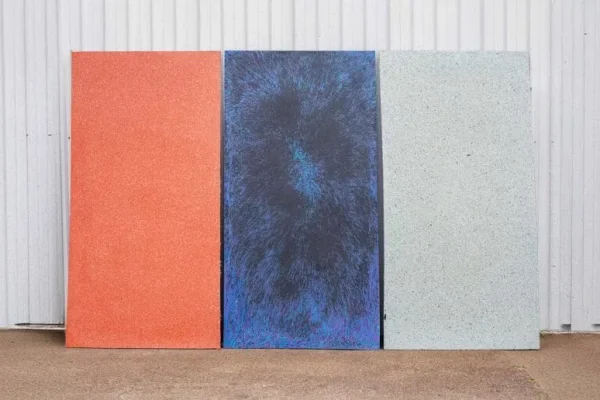
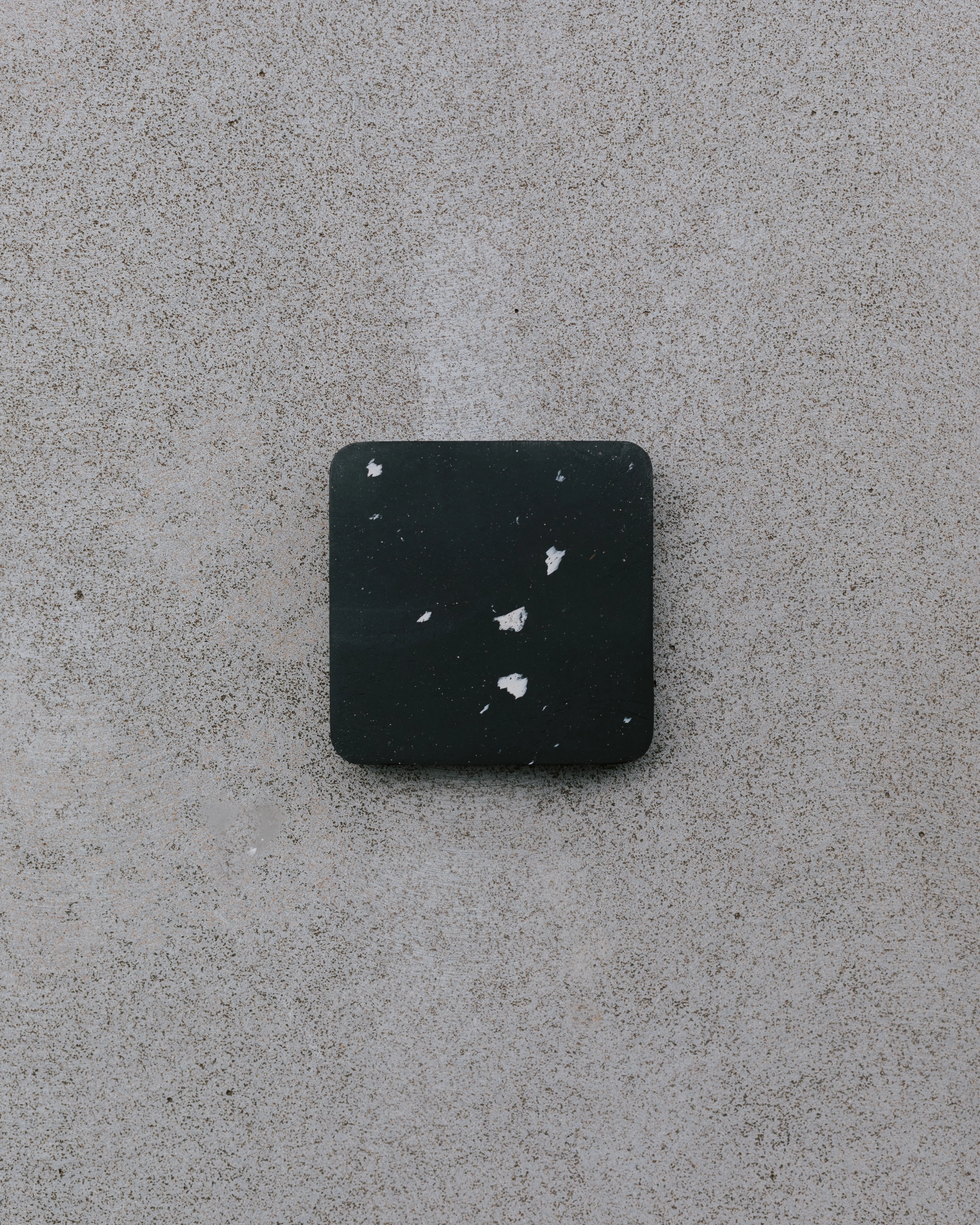
From shelving units to branded displays, the retail sector is a massive consumer of sheet goods. Using "N70 White Confetti" or navy marbled panels adds a high-end aesthetic while telling a powerful sustainability story to customers. Check out how circular procurement is changing infrastructure.
3. Public Infrastructure
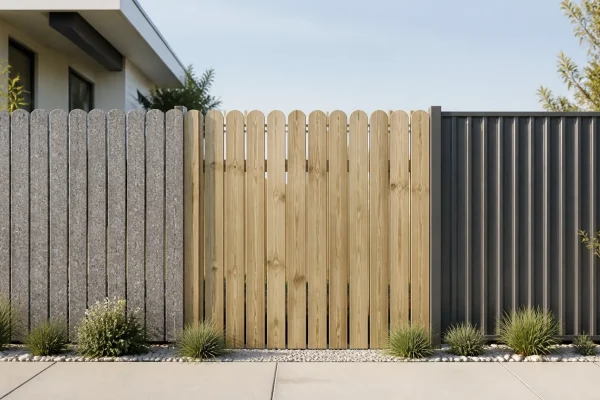
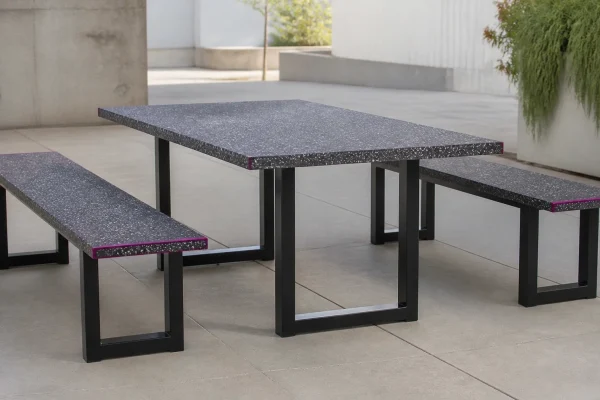
Councils are leading the charge by using these panels for park benches, boardwalks, and signage. Since these items are exposed to the elements, the durability of recycled plastic makes it the logical choice over timber.
How to Get Started (The Action Plan)
If you’re ready to start using recycled plastic panels to hit your Net Zero goals, don’t try to change everything overnight. Start with these three steps:
- ✅ Step 1: Conduct a Waste Audit. See what you’re currently throwing away and what materials you’re buying most often. You can use our plastic waste audit template to get started.
- ✅ Step 2: Swap One Material. Identify a non-structural area: like cabinetry, partitions, or outdoor furniture: and swap timber or virgin plastic for a recycled alternative.
- ✅ Step 3: Measure the Impact. Use the "19 sheets = 1 tonne CO2" metric to report back to your stakeholders.
The Verdict
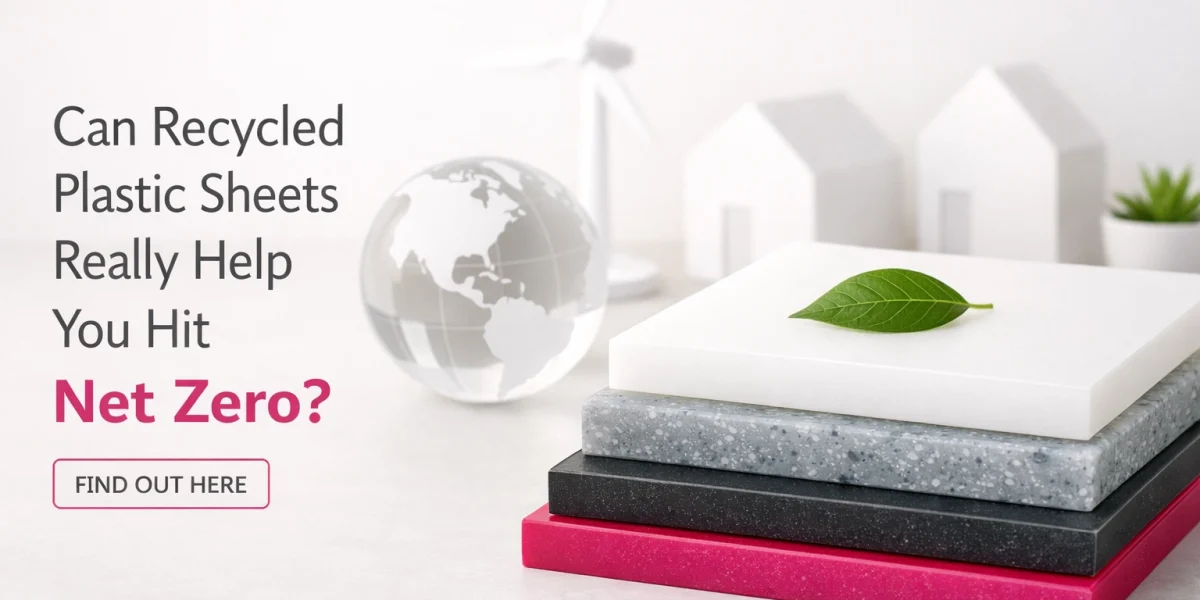
Can recycled plastic sheets really help you hit Net Zero? Absolutely.
They aren't a magic wand that solves every environmental issue, but they are a massive, measurable part of the solution. By diverting waste from landfills, bypassing fossil-fuel-intensive virgin production, and providing a durable, long-lasting alternative to traditional materials, these panels offer a practical pathway to a lower-carbon future.
In the race to 2030 and 2050, every tonne of CO2 matters. When the solution is as simple as switching your sheet material, the real question is: why wouldn't you?
Ready to calculate the carbon savings for your next project? Explore our range of recycled plastic sheets for construction tenders or get in touch with our team to discuss your bespoke requirements. Let’s build something that actually lasts.