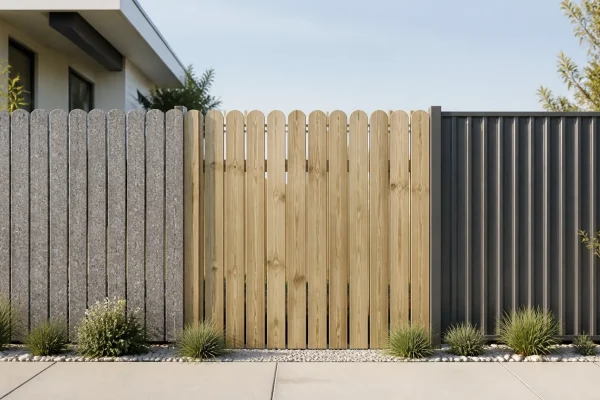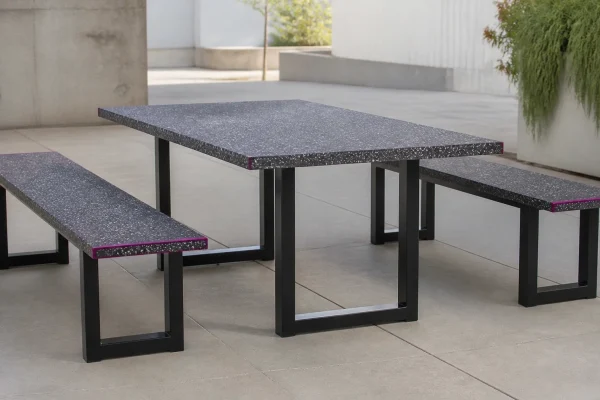
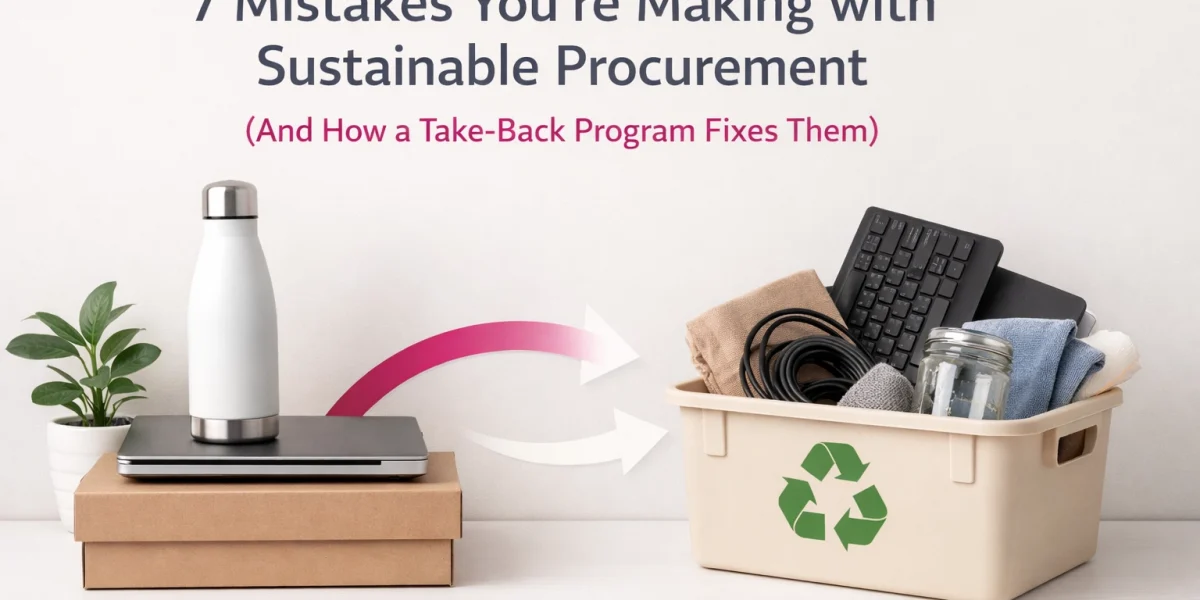
Sustainable procurement isn't just a "nice-to-have" anymore; it’s a core KPI for project managers and procurement officers across Australia. With the tightening of ESG reporting standards and the introduction of Australia’s new sustainable procurement policies, the pressure is on to find materials that don't just look good on a spreadsheet but actually perform in the real world.
However, many organisations are still falling into the same traps. They’re buying "green" products that end up in landfills, or sourcing "recycled" materials that have a higher carbon footprint than virgin plastic due to international shipping.
If you’re responsible for sourcing recycled plastic construction materials, you need to move beyond the marketing gloss. Here are the seven most common mistakes in sustainable procurement and how a structured Take-Back program creates a true circular economy.
1. Ignoring the End-of-Life (The "Cradle-to-Grave" Trap)
The biggest mistake in procurement is focusing solely on the "recycled content" of a product while ignoring what happens when that product is no longer needed. Many recycled plastic construction materials are technically recyclable, but if there is no established pathway to actually process them, they are destined for the bin.
When you buy a product without a disposal plan, you are simply delaying the waste problem, not solving it. A true circular strategy requires a "Cradle-to-Cradle" approach.
Expert Insight: "Recyclable" is a statement of potential; "Recycled" is a statement of fact. If you don't have a guaranteed way to recycle the material at the end of its life, it isn't a circular product.
2. Failing to Verify Local Provenance
We see this constantly: a company buys recycled plastic panels because they want to be sustainable, but those panels were manufactured in Europe or Asia and shipped halfway across the world. The embodied carbon from the shipping logistics often outweighs the environmental benefit of using recycled content.
To be truly sustainable, you must prioritise 100% Australian waste and manufacturing. Sourcing locally not only supports the Australian economy but ensures your materials haven't travelled 20,000 kilometres before arriving at your site.
3. Overlooking Material Traceability
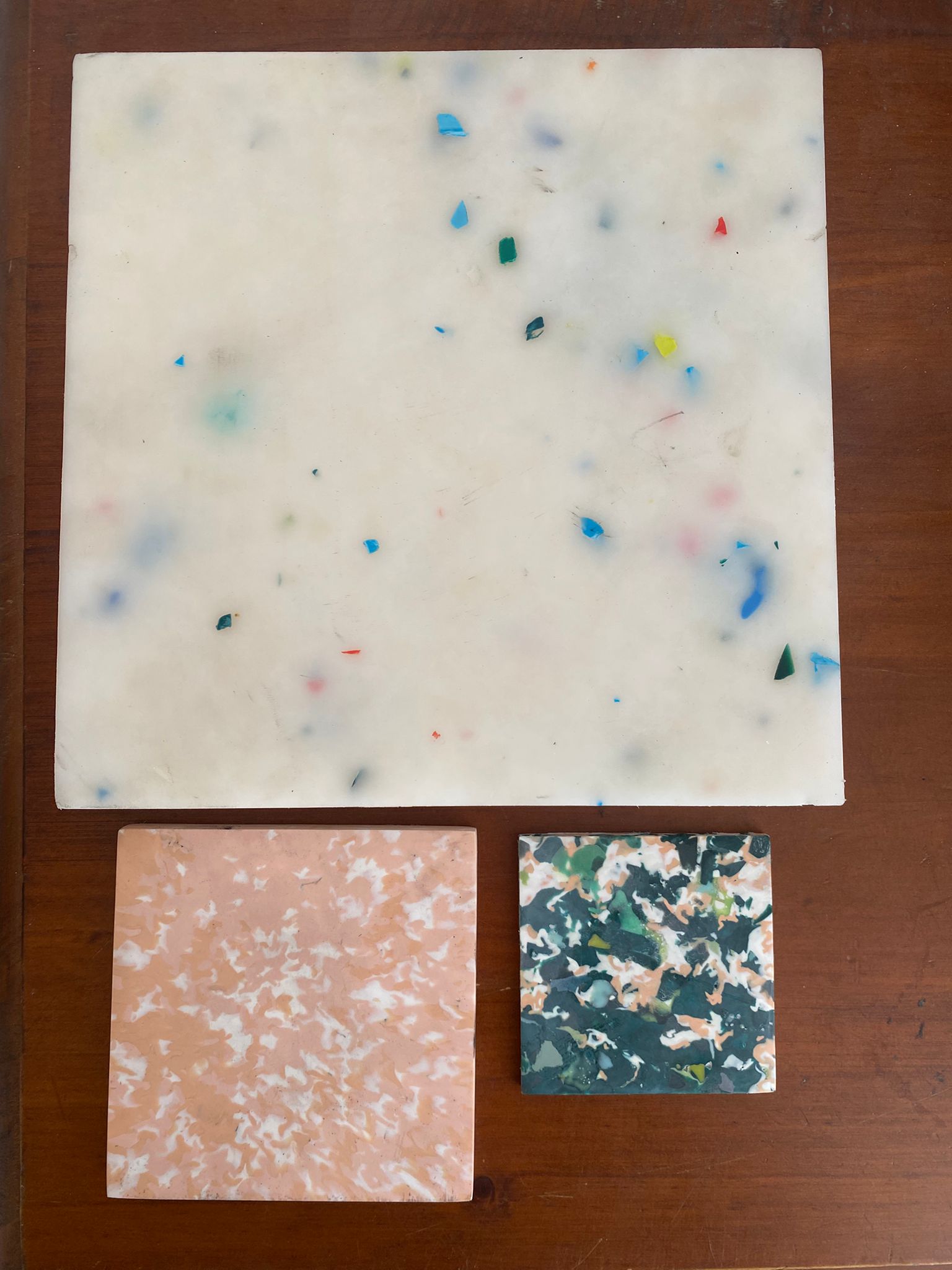
In the world of recycled plastic, "mystery plastic" is your worst enemy. If a manufacturer cannot tell you exactly where their raw material came from: down to the specific post-industrial or post-consumer source: you cannot be sure of the material's safety or its future recyclability.
Traceability is the backbone of passing your next green audit. Without it, you risk bringing contaminants onto your site or using materials that cannot be processed by Australian recycling facilities later.
4. Prioritising Short-Term Cost over Lifecycle Value
It is a common misconception that sustainable materials are always more expensive. While the upfront cost of recycled plastic construction materials might be higher than low-grade timber or imported steel, the Total Cost of Ownership (TCO) is significantly lower.
Recycled plastic doesn't rot, rust, or require painting. When you factor in the maintenance costs over 10 or 20 years, timber is often costing your business more than you think.
Comparison: Recycled Plastic vs. Traditional Materials
| Feature | Recycled Plastic (HDPE/LDPE) | Treated Timber | Galvanised Steel |
|---|---|---|---|
| Lifespan | 50+ Years | 10–15 Years | 20–25 Years |
| Maintenance | Zero | High (Staining/Sealing) | Medium (Rust watch) |
| Moisture Resistance | 100% Waterproof | Poor (Rots) | High (But prone to corrosion) |
| End-of-Life | 100% Recyclable | Landfill (Chemical treatments) | Recyclable |
5. Falling for the "Recycling Lie"
Many procurement officers assume that putting waste into a blue bin is enough. Unfortunately, the recycling lie is that most of that waste is actually processed.
Sustainable procurement means partnering with manufacturers who take direct responsibility for the waste. You need to look for partners who actively pull waste out of the system and turn it into high-value infrastructure, rather than just relying on municipal recycling streams.
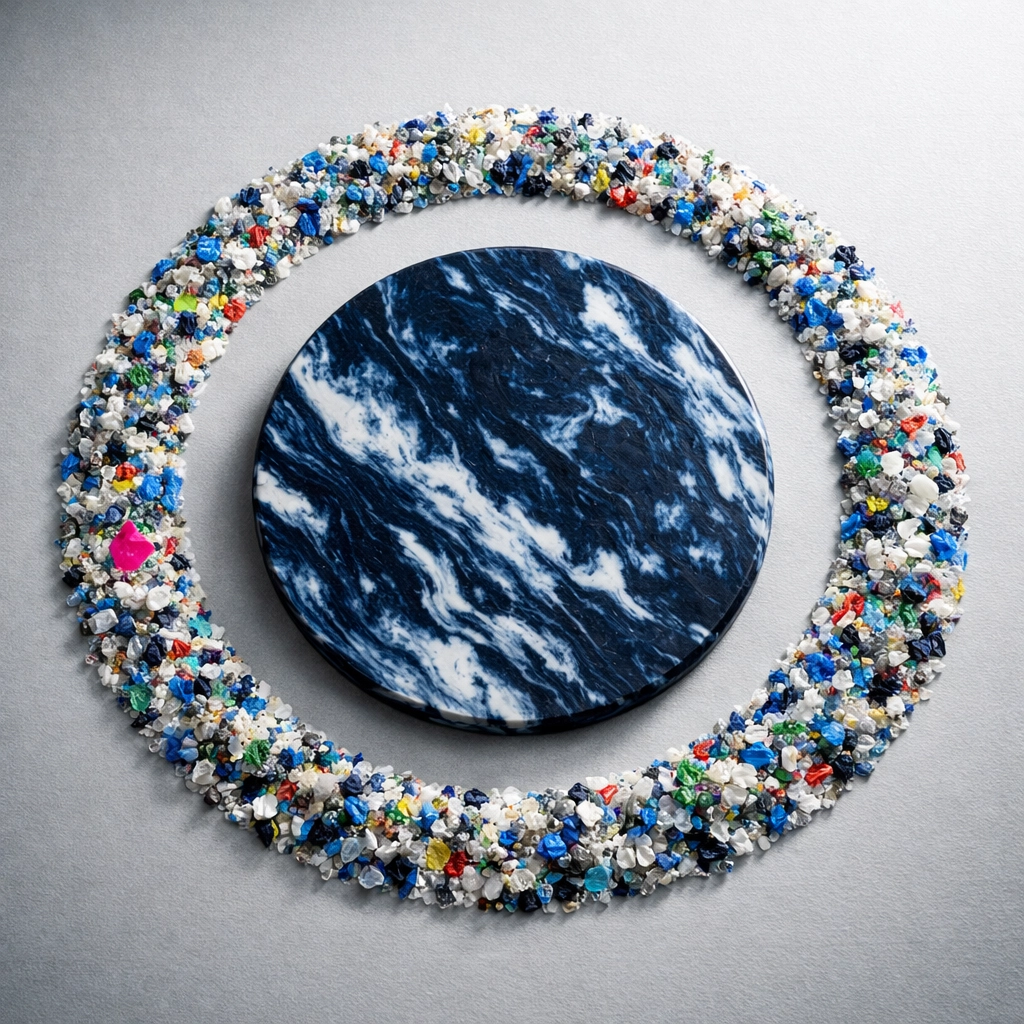
Alt text: An infographic showing the circular flow of Australian plastic waste from collection to manufacturing and back through a take-back program.
6. Neglecting the Logistics of On-Site Waste
Large-scale projects generate a massive amount of plastic waste: shink wrap, pallet covers, and offcuts. Most of this ends up in a skip bin, costing the project thousands in tipping fees.
A major mistake is treating "procurement" and "waste management" as two different silos. By integrating them, you can use the waste generated on-site as the feedstock for future projects. This is where on-site shredding units become a game-changer.
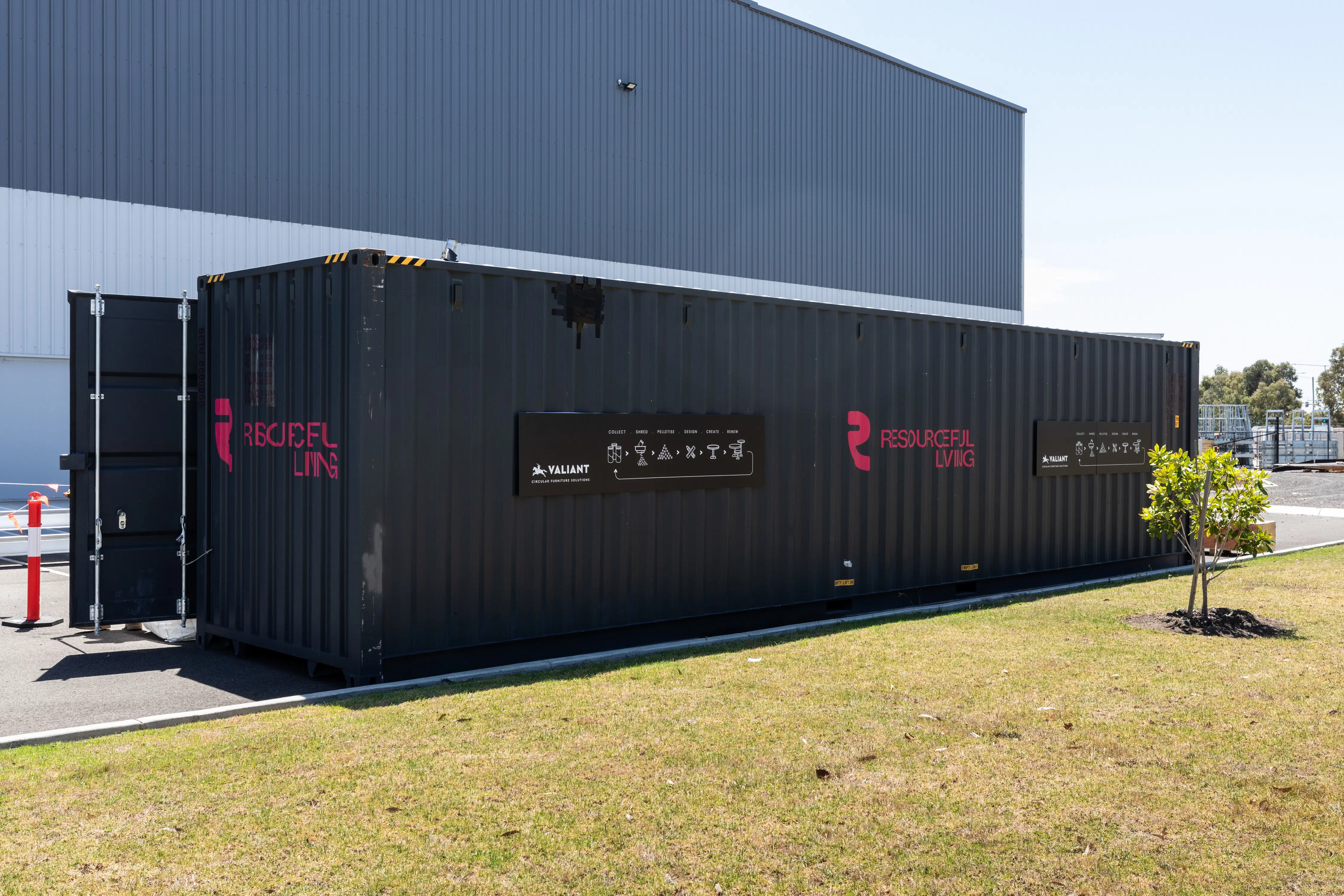
7. Lacking a Formal Take-Back Program
This is the ultimate procurement mistake. If your supplier doesn't have a formal Take-Back program, they aren't offering a circular solution: they’re offering a product with a dead end.
A Take-Back program is a legal or contractual guarantee that the manufacturer will accept the material back at the end of its functional life (or if there are offcuts during construction) to be re-shredded and re-manufactured into new sheets.
How a Take-Back Program Fixes Your Procurement Woes
At Resourceful Living, we don’t just sell recycled plastic construction materials; we manage a closed-loop ecosystem. Our Take-Back program is designed specifically to address the headaches faced by procurement officers and project managers.
✅ It Guarantees Circularity
When you specify our 100% recycled plastic panels, you aren't just buying a board. You are securing a guaranteed end-of-life pathway. This allows you to claim a 100% landfill diversion rate for those materials in your ESG reporting.
✅ It Lowers Waste Levies
Instead of paying high fees to send plastic offcuts to a landfill, we take them back. This reduces your project's waste management costs and simplifies the logistics of site clean-up.
✅ It Simplifies Reporting
Because we maintain total traceability of our 100% Australian waste stream, we provide the data you need for Green Star and NABERS certifications. You can point to the exact source of your material and the exact destination for its next life.

Procurement Checklist: 5 Questions to Ask Your Suppliers
Before you sign off on your next batch of recycled plastic construction materials, ask your supplier these five questions:
- Is this 100% Australian waste? (Avoid the carbon footprint of international shipping).
- Can you provide a certificate of traceability? (Ensure you aren't buying "mystery plastic").
- What is the specific polymer mix? (Crucial for knowing if it can be recycled again).
- Do you have a formal Take-Back program? (Ensure the product doesn't end up in a landfill).
- Is the manufacturing done locally? (Support Australian jobs and reduce lead times).
The Bottom Line
Sustainable procurement is shifting from a "feel-good" exercise to a rigorous, data-driven requirement. By avoiding these seven mistakes and choosing partners with established Take-Back programmes, you can ensure your project meets its environmental targets without sacrificing durability or blowing the budget.
Ready to close the loop on your next project? Explore our designers' cheat sheet for a true circular economy or contact us to discuss how our Take-Back program can work for your specific procurement needs.
Resourceful Living is proud to be at the forefront of Australian recycled material manufacturing. We don't just make panels; we make sure they never see a landfill again.