The construction industry in Australia is undergoing a massive shift. We’re moving away from the "take-make-dispose" model and sprinting toward a circular economy. For project managers, architects, and site supervisors, this means integrating recycled plastic construction materials into every tender and build.
However, simply ticking a box that says "sustainable" isn't enough anymore. Government audits are getting stricter, ESG (Environmental, Social, and Governance) reporting is becoming more granular, and the physical performance of materials is under the microscope.
If you’re just buying "recycled plastic" without looking at the data, you’re likely making one of these seven critical mistakes. Here’s how to spot them and fix your procurement strategy before your next site audit.
1. The Traceability Gap: Not Knowing Where Your Plastic Came From
Many suppliers claim their products are "recycled," but when pushed for a chain of custody, the trail goes cold. If you can’t prove the material was sourced ethically: or even that it’s actually recycled: your green credentials won't hold up in a professional audit.
The Problem: Using materials derived from "mixed waste" often means the plastic has been shipped across oceans, processed in facilities with low oversight, and sold back to Australia. This adds massive "hidden" carbon costs to your project.
The Fix: Demand traceability. Work with recycled plastic manufacturers in Australia who can show you exactly which waste stream your panels came from: whether it’s industrial piping or local agricultural waste.
"True sustainability isn't just about the end product; it's about the transparency of the entire supply chain."
2. Treating All Plastics as Equal (The "Mixed Waste" Myth)
A common mistake in recycled plastic building materials procurement is assuming that all recycled boards perform like virgin timber or steel. They don’t.
The Problem: Some products are made from "commingled" or mixed plastics (PE, PP, PET all thrown together). These different resins have different melting points and chemical properties. When mixed, they create structural weak points, leading to cracking and warping under load.
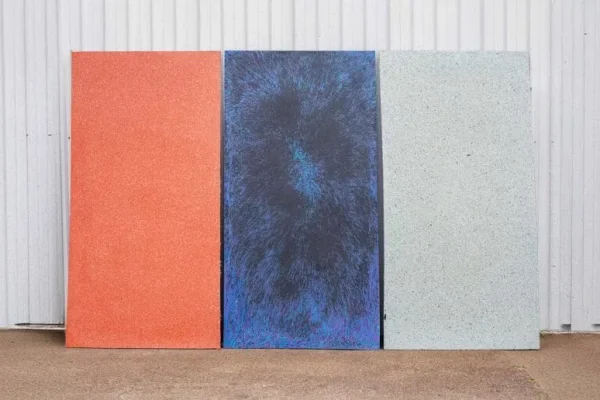
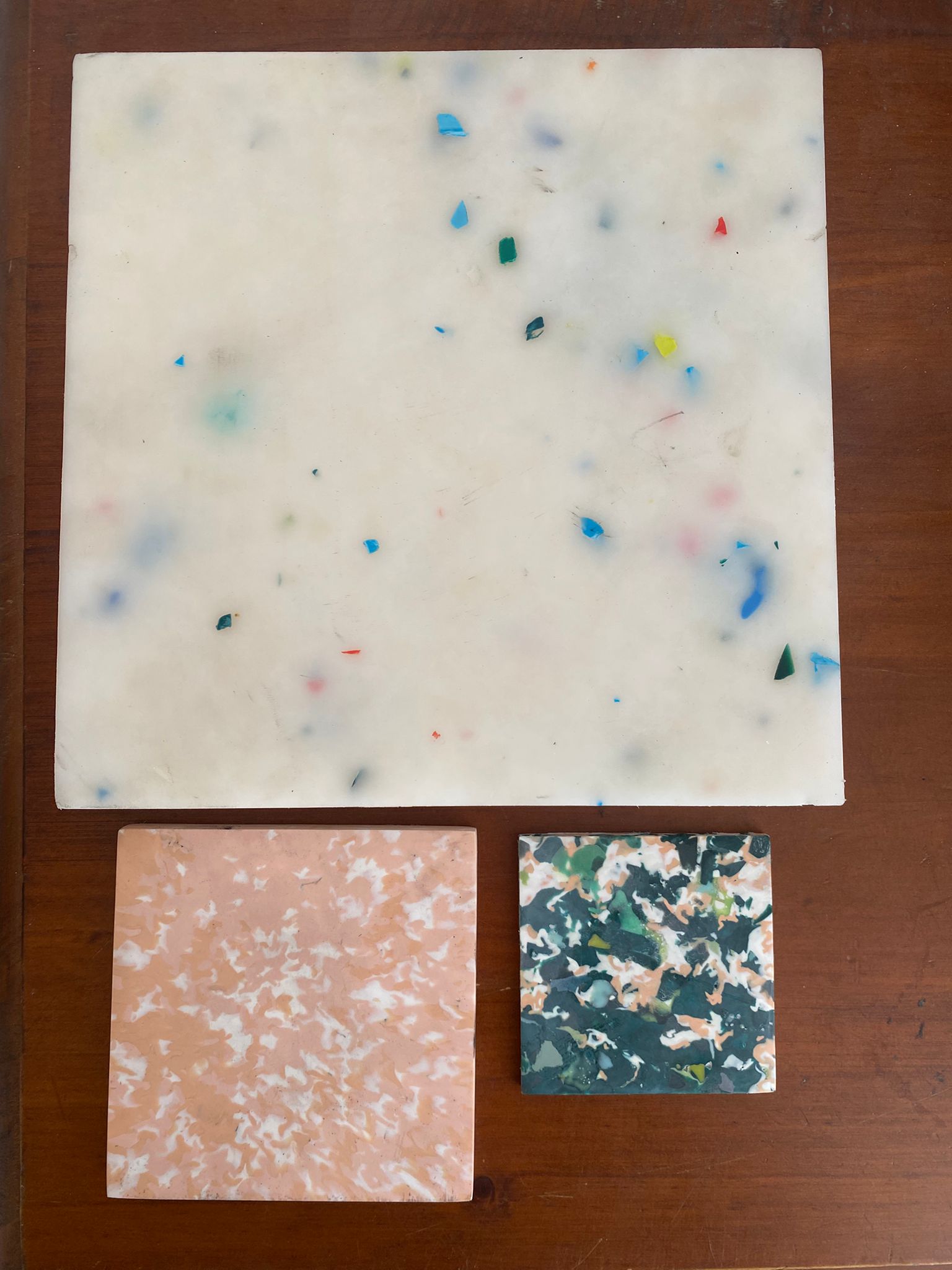
The Fix: Specify single-polymer materials wherever possible. High-Density Polyethylene (HDPE) is the gold standard for construction. It’s durable, impact-resistant, and predictable. Our recycled plastic sheet samples demonstrate how clean, sorted HDPE creates a consistent, high-performance finish.
3. Ignoring UV Degradation and Australian Weather Standards
Australia has some of the harshest UV conditions on the planet. A recycled plastic board that works in a European climate will likely fail within eighteen months on a site in Western Sydney or Queensland if it isn't specified correctly.
The Problem: Without proper UV stabilisation, recycled plastic construction materials can become brittle, lose their colour, and eventually "chalk" or flake off. This isn't just an aesthetic issue; it’s a structural failure.
The Fix: Ensure your materials are UV-stabilised and designed for the Australian sun. Industrial-grade HDPE (like the material used in heavy-duty piping) is naturally more resistant to environmental stress. Always ask for the material's UV rating and expected lifespan in outdoor applications.
4. Failing to Plan for the "End-of-Life"
This is the most ironic mistake: buying recycled materials that end up in a landfill anyway.
The Problem: If you choose a composite material: like plastic mixed with sawdust or glued to a plywood backing: you’ve created a "monstrosity" that cannot be recycled again. It’s a dead-end for the circular economy.
The Fix: Choose products that are 100% recyclable. At Resourceful Living, we offer a take-back programme. Once your temporary hoarding or retail fit-out is done, the panels can be shredded and remanufactured. This is the difference between downcycling and a true closed-loop system.

5. Overlooking Local Compliance and Fire Standards
In the rush to meet "green" quotas, some builders overlook the boring-but-essential part: Australian Standards.
The Problem: Imported recycled materials may not meet local fire retardancy or load-bearing requirements. If a fire audit reveals your "sustainable" wall cladding doesn't meet AS/NZS standards, the cost of replacement and potential legal liability will dwarf any initial savings.
The Fix: Always verify that your recycled plastic building materials have been tested for their specific application. Whether it's for modular construction or public infrastructure, the data sheets should be your first port of call. You can find more on this in our guide to sustainable construction materials.
6. Sourcing Overseas Instead of Supporting Local Innovation
It might seem cheaper to ship recycled plastic boards from overseas, but you are likely sabotaging your project's carbon footprint and supply chain security.
The Problem:
- Carbon Miles: Shipping heavy plastic panels across the globe negates much of the environmental benefit.
- Quality Control: It is much harder to verify the "recycled content" claims of a factory five thousand kilometres away.
- Lead Times: Global shipping is volatile. A local supplier can pivot much faster to your site needs.
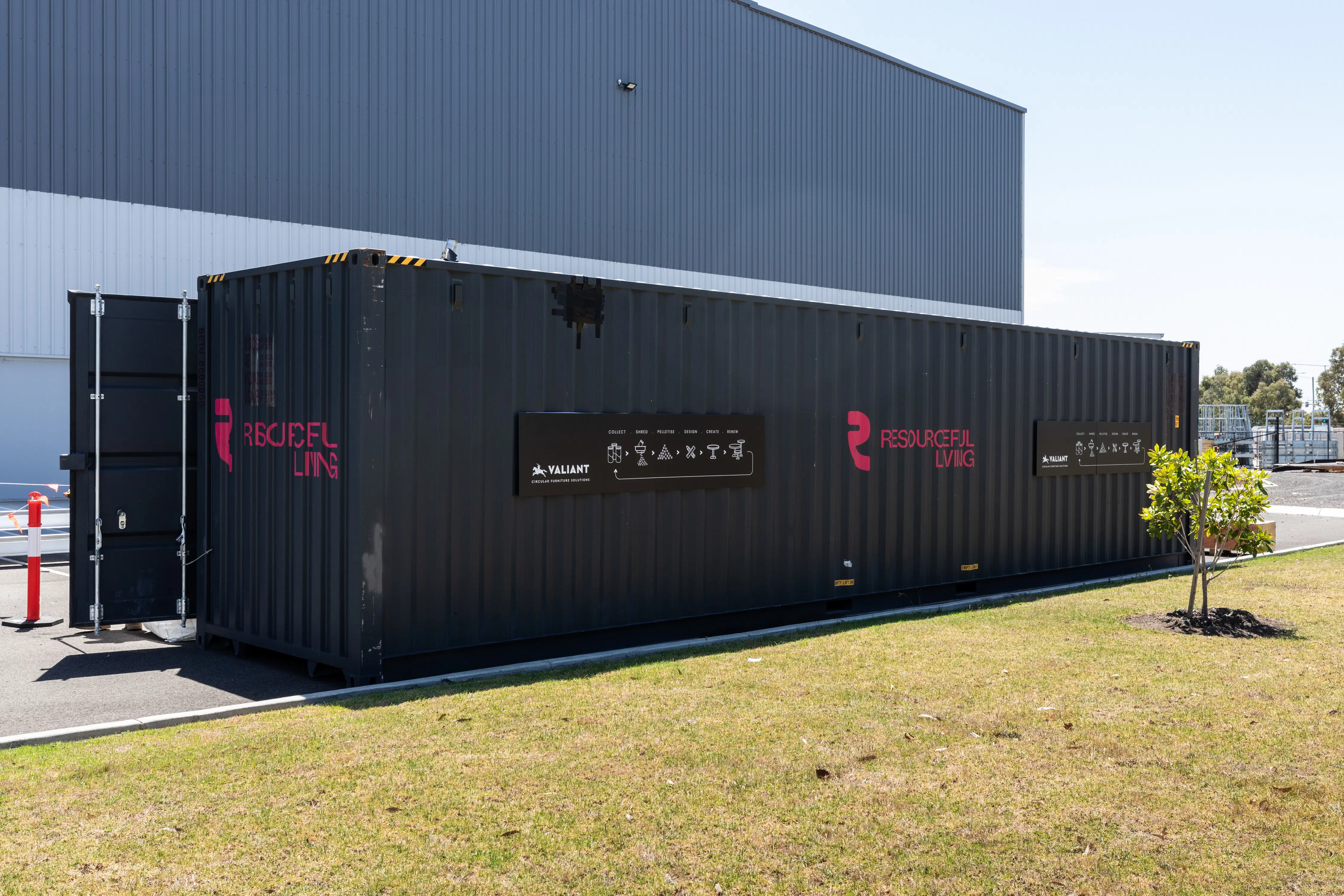
The Fix: Source locally. Using Australian-made recycled plastic supports the local circular economy and ensures you have a direct line to the manufacturer if something goes wrong. Plus, units like our onsite mobile recycling unit prove that the technology is right here in our backyard.
7. Lack of ESG Data for Your Sustainability Report
When the auditor knocks on your door, "We used recycled plastic" isn't a valid answer. They want to see the impact.
The Problem: Most companies fail to quantify the benefit. How many tonnes of plastic did you divert from Australian landfills? What was the CO2-equivalent saving compared to using virgin timber or steel?
The Fix: Partner with suppliers who provide impact data. For every project we supply, we can help quantify the amount of waste repurposed. This makes your ESG reporting seamless and turns your "sustainable choice" into a hard metric for your stakeholders.
The Audit-Ready Checklist
Before you sign off on your next material order, run through this quick checklist:
- ✅ Is it 100% Australian sourced? (Reduces carbon miles and supports local industry).
- ✅ Is it a single-polymer material (e.g., 100% HDPE)? (Ensures structural integrity and future recyclability).
- ✅ Is there a documented chain of custody? (Avoids the "Recycling Lie").
- ✅ Is it UV-stabilised for Australian conditions? (Prevents cracking and brittleness).
- ✅ Does the supplier have a "Take-Back" programme? (Ensures a true circular loop).
- ✅ Can they provide specific CO2 and landfill diversion metrics? (For your ESG audit).
Why HDPE is the Future of Construction
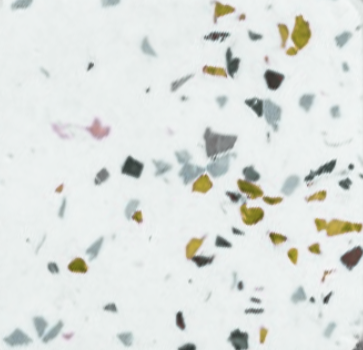
If you’re comparing materials, it's worth noting that HDPE outperforms traditional materials like timber in high-moisture or high-traffic areas. Unlike timber, it won't rot, swell, or require painting. While the initial cost might be higher, the ROI of recycled plastic sheets is far superior when you factor in maintenance and replacement cycles.
Wrapping Up: Don't Guess, Test.
Using recycled plastic construction materials is a brilliant way to future-proof your business, but only if you do it with your eyes open. Avoid the "mixed waste" traps, demand local traceability, and ensure your materials are fit for the brutal Australian climate.
If you’re ready to stop guessing and start building with high-performance, traceable materials, we can help. Our panels are designed to pass the toughest audits while looking incredible in any architectural setting.
Ready to see the difference for yourself? Explore our range of 100% recycled plastic panels or download The Designer's Cheat Sheet to get your technical specifications right the first time.