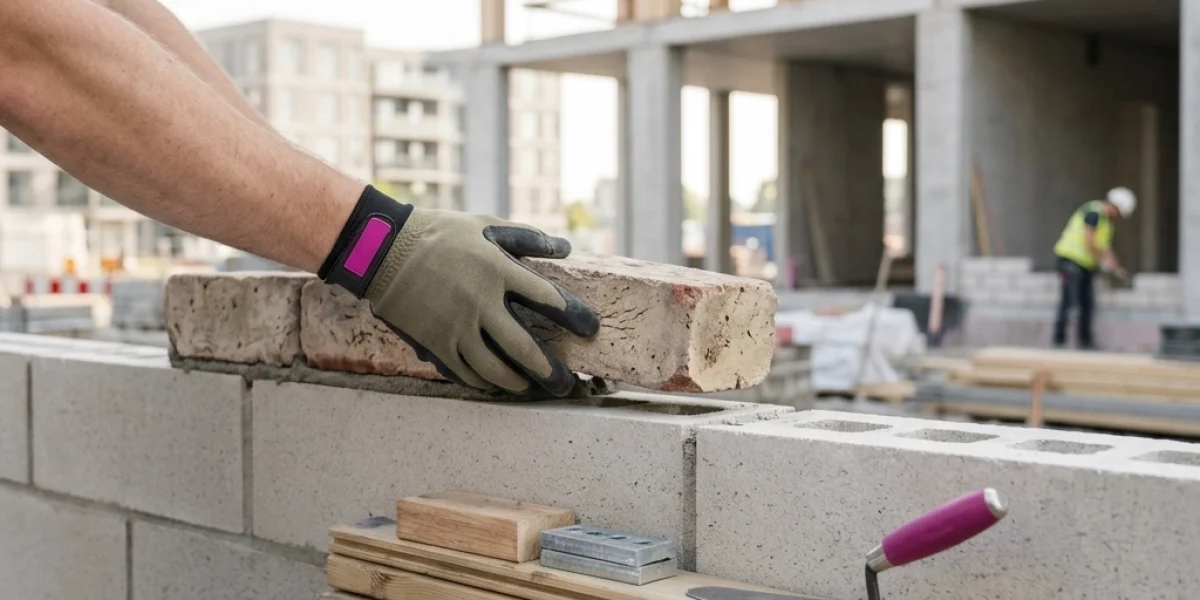
If you’re working in the Australian construction or fit-out space right now, you’ve probably felt the shift. It’s April 2026, and the "sustainability" talk has officially moved from the marketing department to the procurement office. The grace period is over. Circular construction 2026 isn't just a buzzword anymore; it’s a set of hard rules that determine whether you win that next government or Tier 1 tender.
The reality is that new procurement guidelines issued earlier this year have fundamentally changed how materials are sourced. By 2027, compliance becomes mandatory, which makes 2026 your critical "get-your-house-in-order" year.
At Resourceful Living, we’ve been prepping for this shift for years. We know that project managers and builders don’t just need "green" products: they need data, traceability, and ease of implementation. This guide breaks down exactly what you need to do first to stay ahead of the curve.
The New Procurement Landscape: What’s at Stake?
The updated procurement guidance released in February 2026 has embedded circular economy principles directly into planning law. This means that "cheapest price wins" is a dead strategy. Sustainable procurement now requires you to prove the circularity of every material you bring onto a site.
You are now being assessed on:
- Recycled Content: What percentage of the material is post-consumer waste?
- Locality: Was it made in Australia to reduce transport emissions?
- End-of-Life: Does the manufacturer have a verified "take-back" scheme?
- Embodied Carbon: Can you provide a clear report on the carbon footprint of the material?
If you can't tick these boxes, you’re looking at a massive regulatory and operational risk.
Phase 1: The 90-Day Audit (Do This First)
Before you start swapping out every sheet of plywood on your site, you need a baseline. The first 90 days of your circular transition should be about mapping your supply chain and understanding material dependencies.
1. Audit Current Suppliers
Catalog your existing network. Which of your raw materials carry the highest environmental risk? If you’re still relying on imported virgin plastics or high-emission timber products, those are your primary points of failure under the new 2026 rules.
2. Verify Material Traceability
You need to know where your "recycled" materials actually come from. A lot of products claim to be recycled but are actually made from industrial offcuts (pre-consumer) or, worse, imported from overseas with a massive shipping footprint. To meet sustainable procurement targets, prioritize 100% Australian-made and sourced materials.
Phase 2: Design for Circularity
One of the biggest 7 mistakes you're making in circular construction 2026 is trying to "fix" the project at the end. Circularity starts at the specification stage.
Design for Disassembly
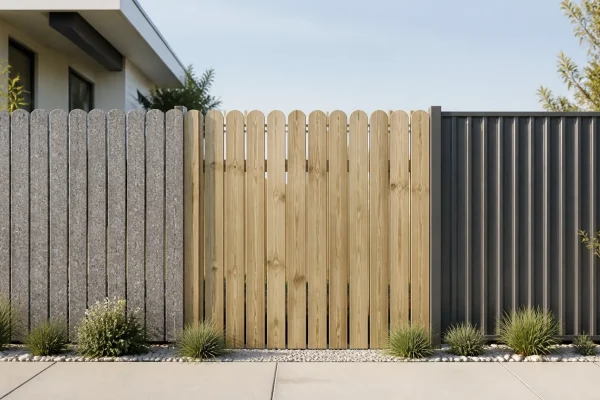
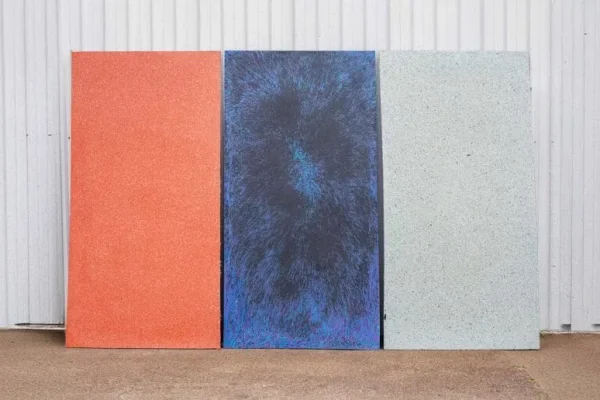
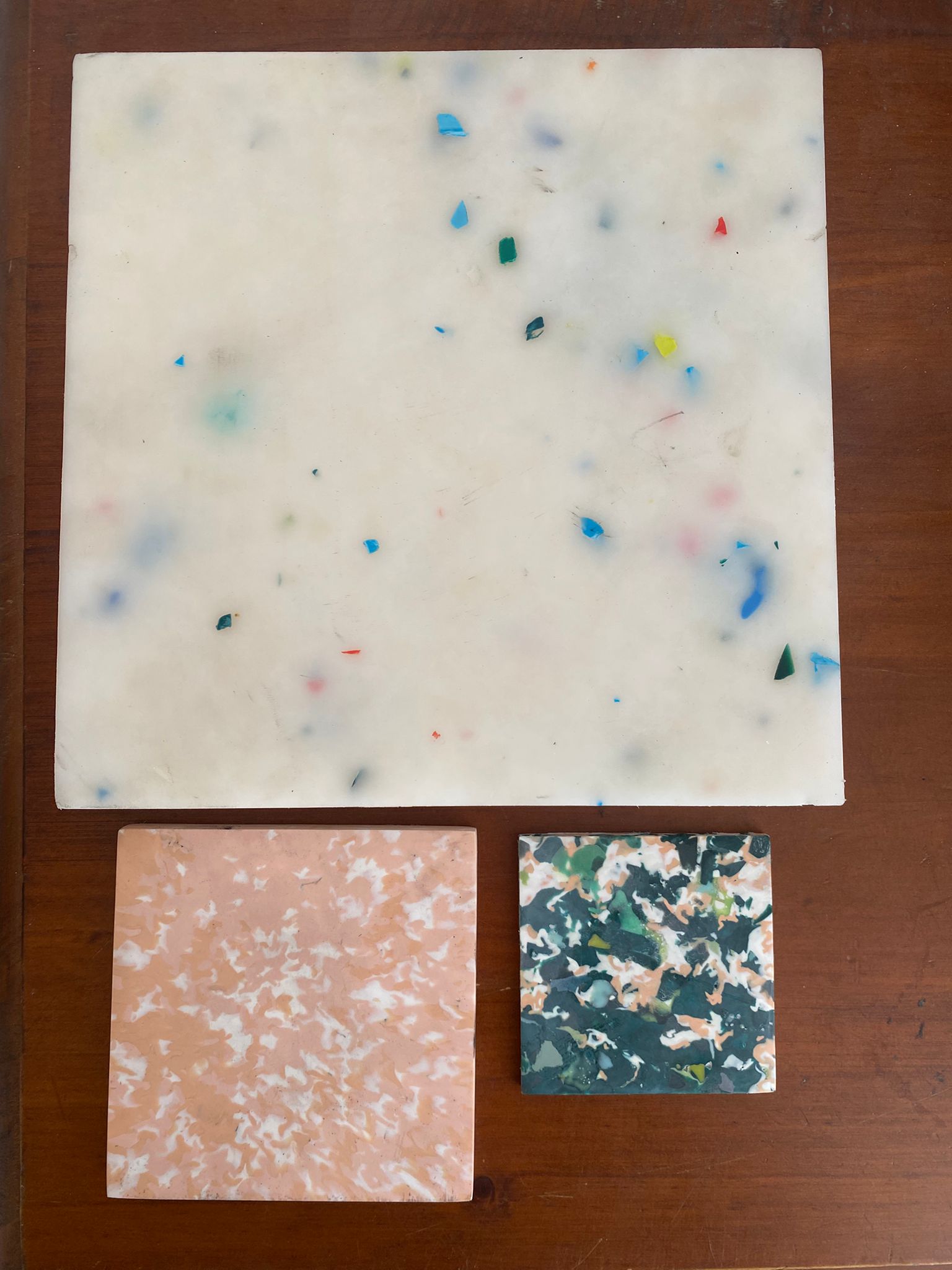
The procurement rules now favour materials that can be easily removed and reused. Instead of using adhesives that ruin materials during demolition, look for mechanical fixings and durable panels. Our recycled plastic sheets are perfect for this: they can be screwed, drilled, and routed just like timber, but they won't rot or degrade, making them prime candidates for reuse in future projects.
Product-as-a-Service
Consider whether you need to own the material or just the utility of it. Forward-thinking builders are now entering into "take-back" agreements with manufacturers. When you buy from Resourceful Living, you aren't just buying a panel; you're entering into a loop. We take our panels back at the end of their life to shred and remanufacture them into new sheets.
"The critical advantage of taking action in 2026 is that it limits your exposure when mandatory compliance kicks in next year. You don't want to be the builder who is still figuring out their supply chain while your competitors are already hitting Net Zero targets." : Jess Hodge, Resourceful Living.
Phase 3: Tracking and Reporting (The "Data" Layer)
You can't manage what you can't measure. In 2026, "trust me" isn't a reporting metric. You need to implement tools to track supplier emissions and conduct regular ESG audits.
We recommend using AI-powered platforms to track your embodied carbon reporting in Australia. When you use our 100% recycled panels, we provide the data you need to show exactly how much plastic you've diverted from landfill and how much carbon you've saved compared to traditional materials.
How Resourceful Living Makes Compliance Easy
We’ve designed our entire manufacturing process in Newcastle to align with the circular construction 2026 framework. Here is why project managers are switching to our sheets to meet their new procurement rules:
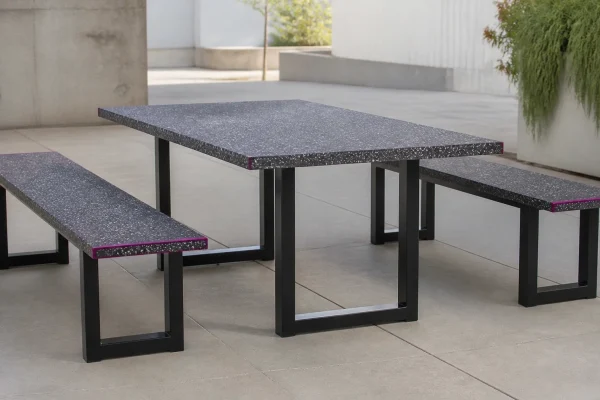
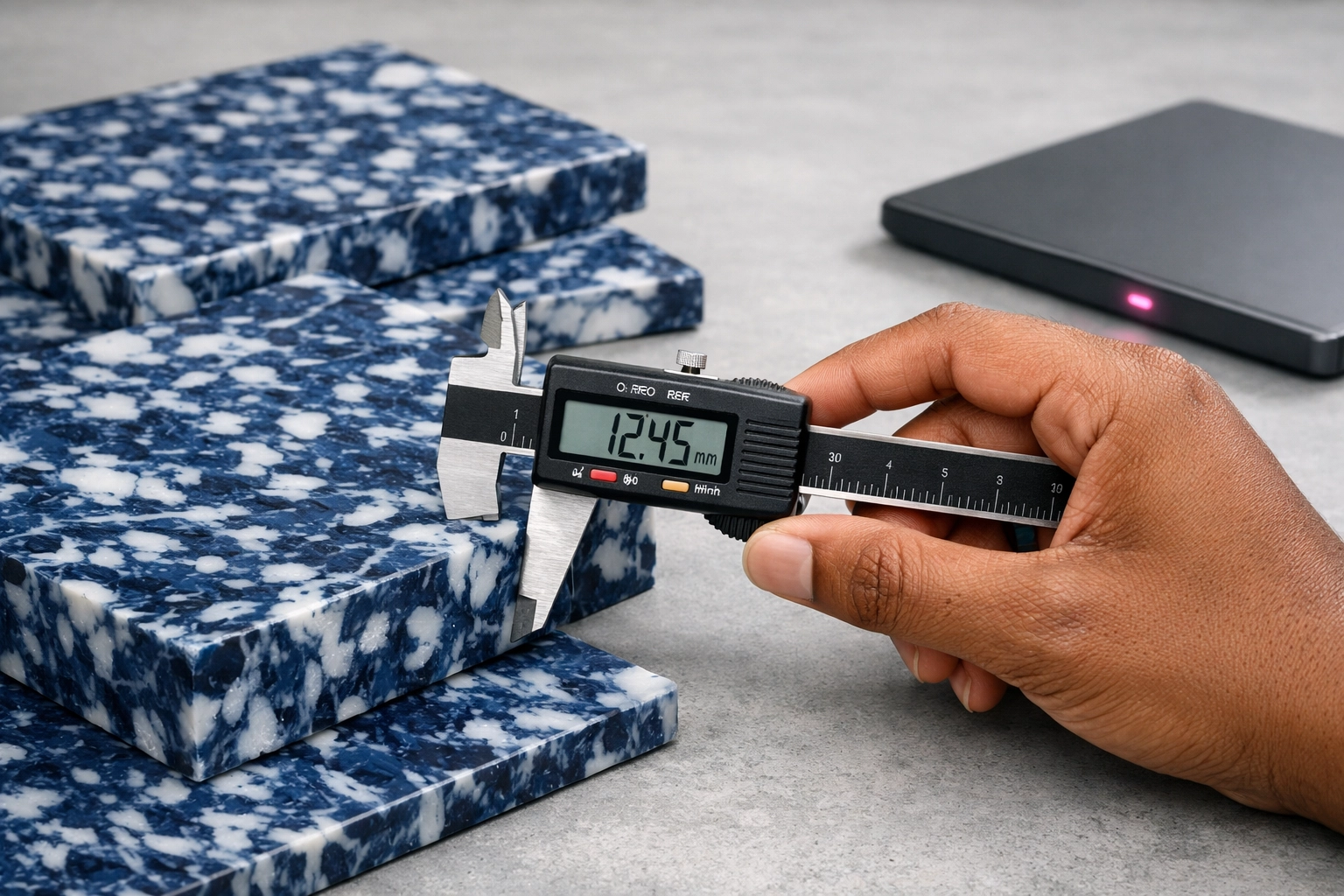
- 100% Traceable Waste: We use Australian post-consumer plastic. You can literally tell your client that their benchtop or hoarding was once household milk bottles or soft plastics collected right here in Australia. Check out the lifecycle of a recycled plastic panel to see how we do it.
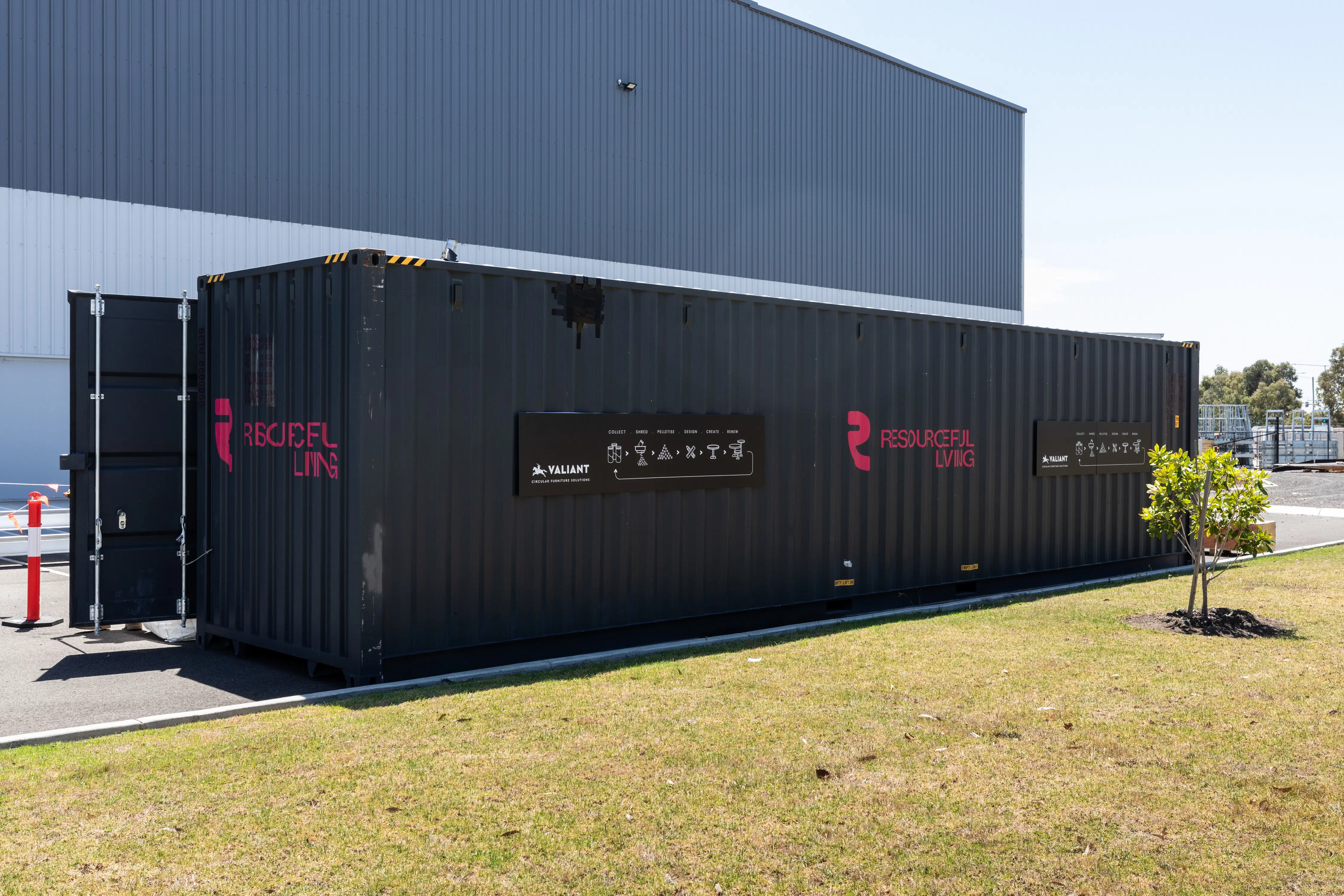
- Onsite Solutions: For larger Tier 1 projects, we even have onsite mobile recycling units. This allows you to process waste on-site, drastically reducing transport emissions and proving a closed-loop system to procurement officers.
- Durability Over Plywood: Stop buying materials that rot. Our panels are weather-resistant, chemical-resistant, and don't require the constant replacement that timber does. This directly helps you hit net zero by reducing the volume of materials required over the project's life.
Comparison: Traditional vs. Circular Procurement
| Feature | Traditional Procurement | Circular Procurement (2026 Rules) |
|---|---|---|
| Material Origin | Often imported/unknown | Verified Australian Recycled Content |
| Life Cycle | Linear (Extract -> Use -> Landfill) | Circular (Recover -> Use -> Re-manufacture) |
| Cost Basis | Initial purchase price | Total Cost of Ownership & Carbon Cost |
| Compliance | Minimal | High (ESG & Embodied Carbon Reporting) |
| End of Life | Waste disposal fees | Value recovery / Take-back schemes |
Your Short-Term Implementation Checklist
To ensure you aren't left behind as the 2027 mandatory compliance date approaches, follow these steps over the next 6 months:
- Update Specifications: Swap out high-impact materials (like virgin plastic or short-life timber) for 100% recycled alternatives in your "Standard Materials List."
- Engage Early: Don't wait until the tender is due. Engage with suppliers like Resourceful Living during the EPCM (Engineering, Procurement, and Construction Management) phase. This ensures circular outcomes are baked into the contract.
- Review Contract Clauses: Ensure your contracts include language regarding material recovery and recycled content verification.
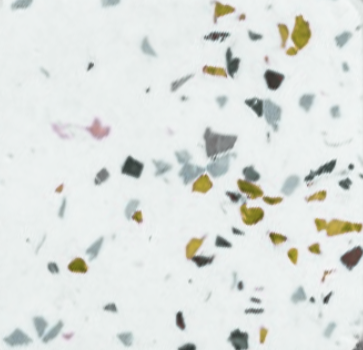
- Test the Product: Order samples to see how our materials perform under your specific project conditions. Whether it's for structural applications or high-end retail displays, you need to know the material works.
The Bottom Line
The shift to circular construction 2026 is the biggest change to hit the Australian building industry in decades. It’s a challenge, sure, but it’s also a massive opportunity. Builders who master sustainable procurement now will be the ones winning the high-value, high-visibility projects of the future.
By choosing locally manufactured, 100% recycled materials, you aren't just "doing the right thing": you're future-proofing your business.
Ready to audit your materials? Contact our team today to see how our recycled plastic sheets can help you smash those new procurement targets.