If you’re working in construction or project management in Australia right now, you’ve likely noticed a massive shift in the way we talk about "green" buildings. It’s no longer just about how many solar panels are on the roof or how efficient the HVAC system is. In 2026, the spotlight has swung firmly onto embodied carbon reporting in Australia.
We’re moving past the era where operational efficiency was the only metric that mattered. Why? Because as our grid gets cleaner and our appliances get smarter, the actual materials we use to build: the "upfront" carbon: become the biggest piece of the emissions pie.
If you’re staring down a NABERS Embodied Carbon rating and wondering how to move the needle without blowing your budget, this guide is for you. We’re going to break down the 2026 standards, why upfront emissions are the new priority, and how swapping traditional materials for recycled alternatives can make your reporting a whole lot easier.
What Exactly Is Embodied Carbon Reporting?
In simple terms, embodied carbon is the footprint of everything that happens before a building’s lights are turned on. It’s the CO2 generated during the extraction of raw materials, the manufacturing of products, the transport to the site, and the actual construction process.
According to the latest industry data, these upfront emissions can account for up to 80% of a building's lifetime embodied carbon. Unlike operational carbon, which can be improved over time with better tech or green energy, embodied carbon is "locked in" the moment the build is finished.
That’s why embodied carbon reporting in Australia has become a non-negotiable part of the tender process. If you want to stay competitive, you need to know your numbers.
The 2026 NABERS Standards: What’s Changed?
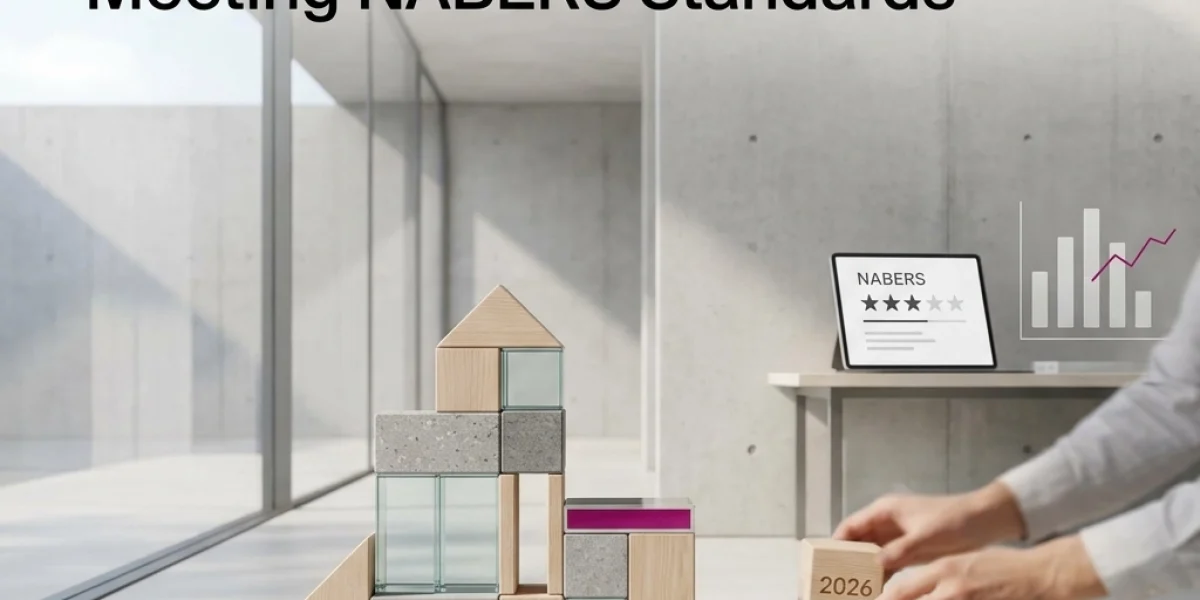
As of February 2026, the NABERS Embodied Rules Version 2.1 are officially in play. If you’re an assessor or a project manager, you need to be across these updates because they’ve tightened the screws on how we measure material impact.
The new standards focus heavily on upfront carbon, specifically because this is where builders have the most control. Here’s what you need to keep in mind for your next project:
- Verified Evidence: You can’t just "estimate" your impact anymore. NABERS now requires onsite delivery dockets and a detailed Bill of Quantities (BoQ) to prove exactly what materials went into the build.
- EPDs over Defaults: While NABERS provides a national database of default emission factors, they highly encourage the use of product-specific Environmental Product Declarations (EPDs). Using a product with a verified EPD (like our recycled panels) gives you a much more accurate: and usually much lower: carbon score than using generic industry averages.
- Partial Rebuilds: The rules have been clarified for renovations and partial rebuilds, ensuring that even smaller-scale works are contributing to the national net-zero target.
Why "Upfront" Carbon is the Priority
In the past, we looked at "Whole of Life" carbon, which involved a lot of guesswork about what might happen to a building in 50 years. The 2026 shift toward upfront carbon is much more practical.
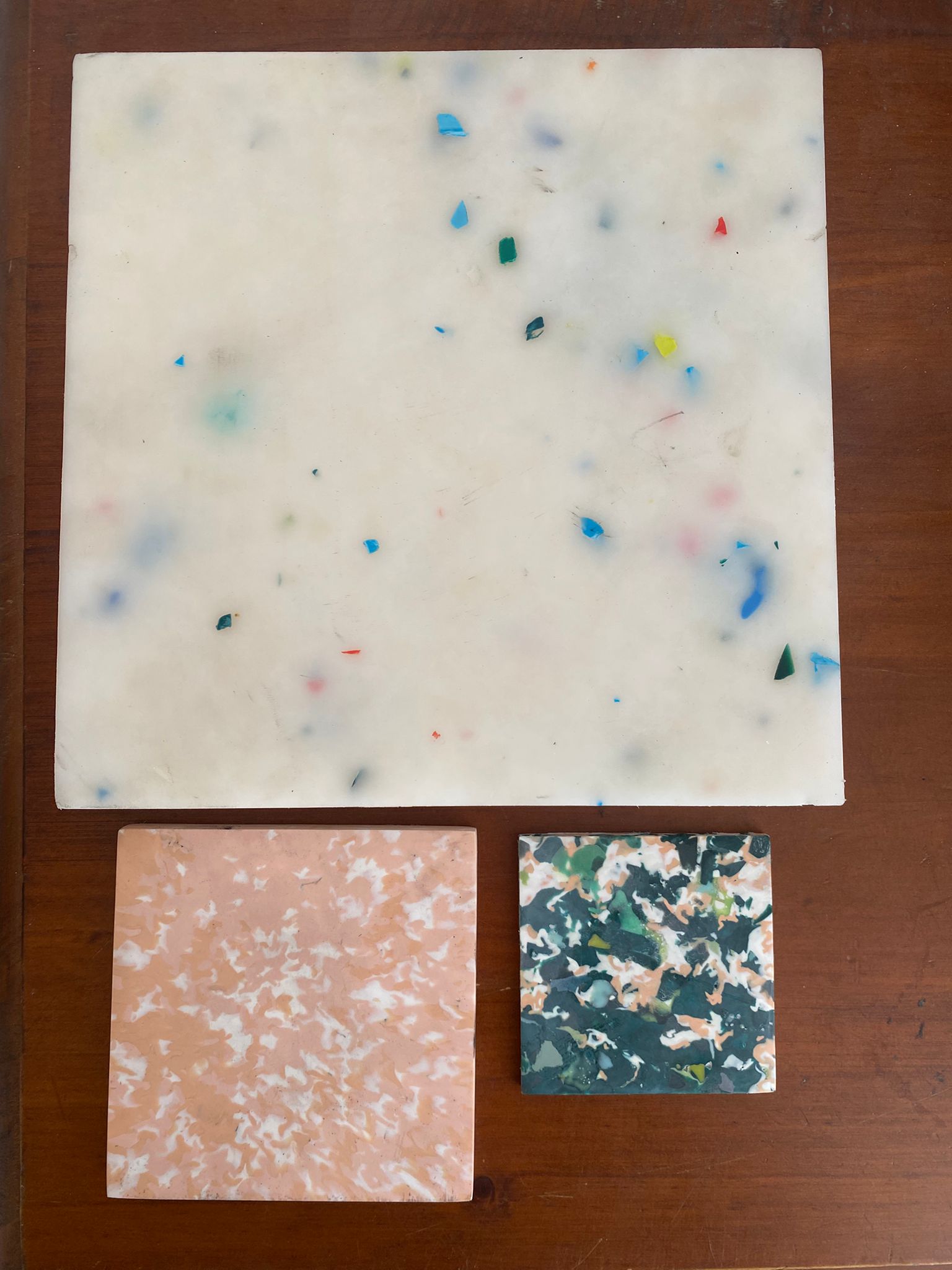
Upfront emissions are concrete and verifiable. By focusing on the manufacturing stage, the industry can make immediate reductions. This is where choosing materials like recycled HDPE (High-Density Polyethylene) becomes a total game-changer for your reporting.
"Measurement is the first step toward management. If we can't accurately report the carbon we're putting into the ground today, we can't hope to hit our targets for tomorrow."
How Resourceful Living Helps You Meet NABERS Standards
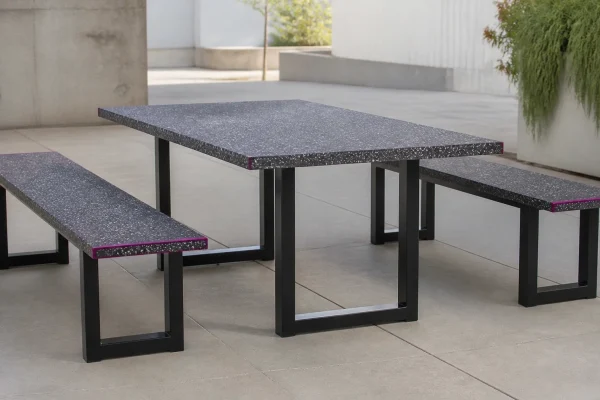
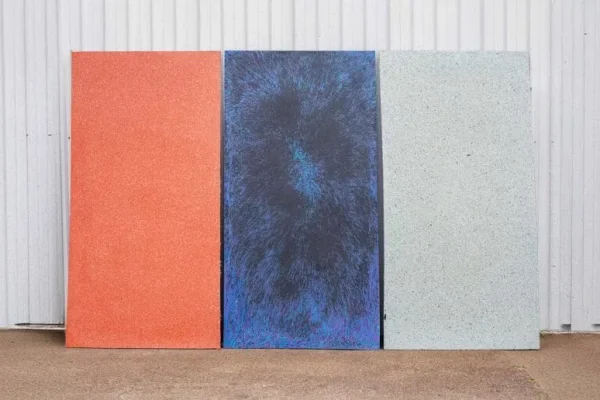
At Resourceful Living, we’ve built our business around making your embodied carbon reporting in Australia look good. We don't just make durable, weather-resistant panels; we provide the data you need to satisfy a NABERS assessor.
The Magic Numbers: CO2 Savings
When you choose our 100% recycled plastic sheets over virgin materials or carbon-heavy alternatives like concrete or certain timbers, you’re making a massive dent in your upfront emissions.
- For every ton of HDPE we recycle and manufacture into panels, we save between 0.9 to 1.75 tons of CO2 from entering the atmosphere.
When you’re compiling your NABERS report, those savings are directly attributable to your project’s "Rated Area." It’s an easy win that requires zero changes to your building’s design: just a smarter choice in material procurement.
Suggested Image Prompt: A professional project manager standing on a modern construction site, reviewing a NABERS compliance report on a tablet, with sustainable building materials visible in the background.
Traceability and Evidence
One of the biggest headaches in 2026 reporting is the "paper trail." NABERS Version 2.1 is strict about onsite delivery dockets. Because we manufacture locally right here in Australia, our supply chain is transparent and short.
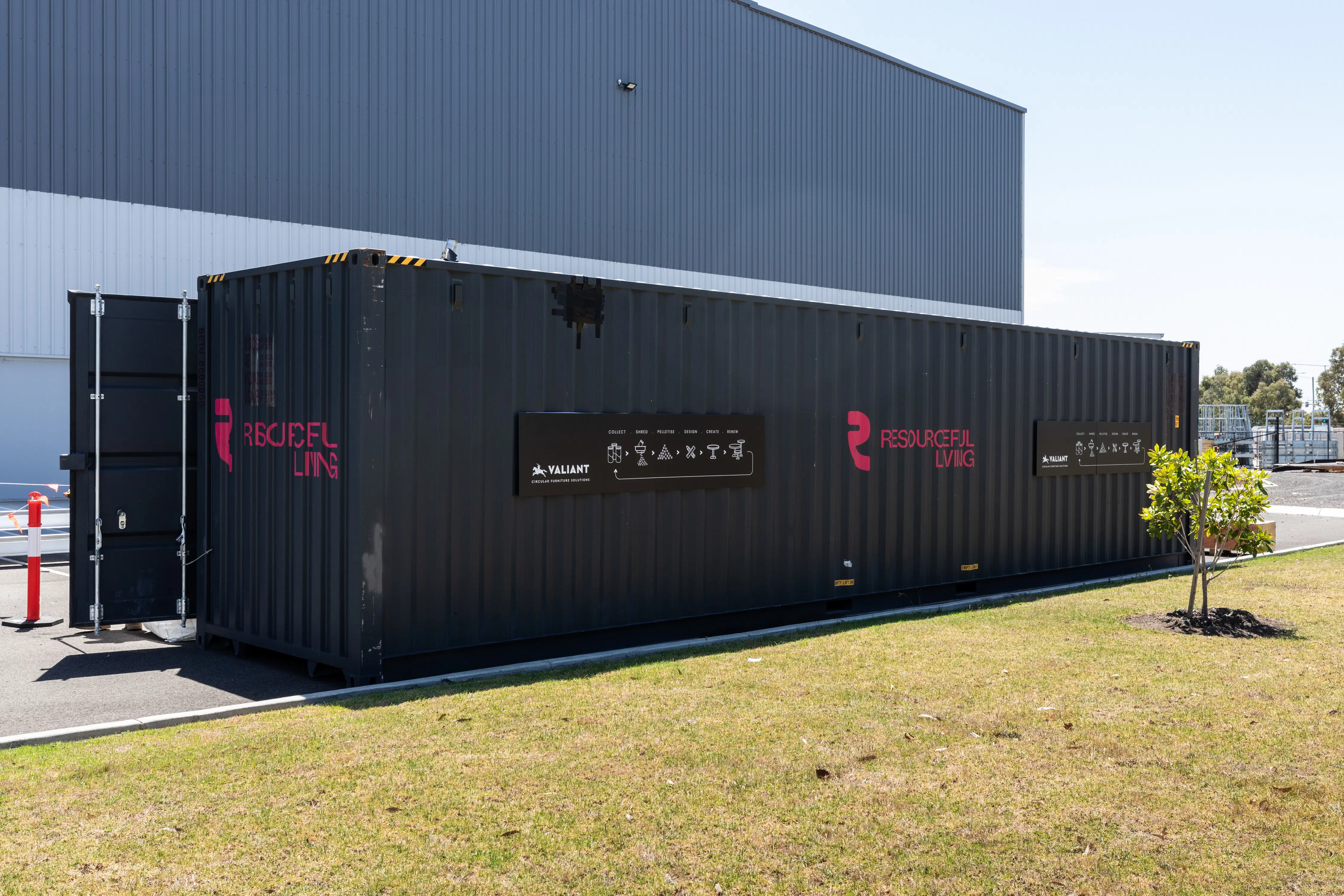
We can provide the exact documentation you need to prove your materials are circular. We even have an onsite mobile recycling unit that can process waste directly, further reducing the transport emissions (Scope 3) associated with your build.
Recycled Plastic vs. The Old Guard
If you’re still reaching for traditional materials, you might be making your carbon reporting harder than it needs to be. Let’s look at how recycled plastic stacks up in a 2026 context:
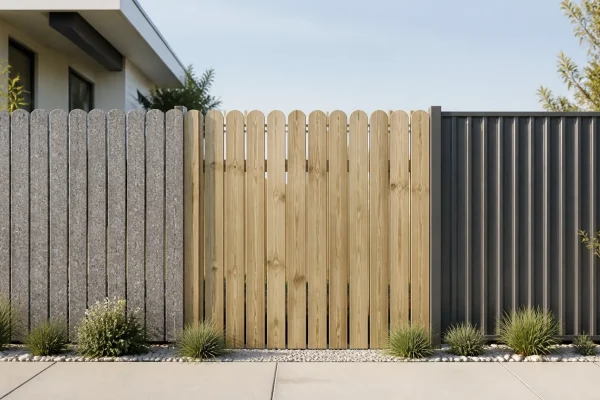
- Vs. Timber: While timber is often seen as "green," the chemicals used in treated timber and the emissions from global transport can complicate your report. Plus, timber rots. Recycled plastic is maintenance-free. (Check out our case study on councils replacing timber).
- Vs. Concrete: Concrete is one of the heaviest hitters in terms of embodied carbon. For non-structural elements like landscaping, site hoardings, or internal fit-outs, swapping concrete for recycled plastic can drastically lower your project's emissions profile. Learn more about the structural differences here.
- Vs. Virgin Plastic: This one is a no-brainer. Virgin plastic requires oil extraction and heavy processing. Recycled HDPE uses 100% Australian waste, closing the loop and giving you those 1.75-ton CO2 savings per ton.
Checklist for Project Managers: Nailing Your Next Rating
Ready to tackle your next embodied carbon reporting task? Here’s a quick checklist to keep you on track with the 2026 standards:
- Involve your NABERS Accredited Assessor early: Don’t wait until the build is finished. Get them involved during the design phase to set achievable targets.
- Prioritise EPDs: Ask your suppliers for Environmental Product Declarations. If they don’t have them, you’ll be stuck using higher default emission factors.
- Review the Bill of Quantities (BoQ): Ensure your BoQ is detailed enough to separate "Key Materials" (like structural steel and concrete) from "Non-Key Materials" (like fit-out panels).
- Collect Delivery Dockets: Set up a system onsite to capture every delivery docket. These are essential evidence for a NABERS rating.
- Use the NABERS Reverse Calculator: This tool lets you work backward from your desired rating to see exactly where you need to cut carbon.
The Bottom Line
Embodied carbon reporting in Australia isn't just a trend: it’s the new standard for how we build. With the NABERS 2026 updates, the pressure is on to prove that your projects are as sustainable as they claim to be.
By integrating 100% recycled materials into your builds, you aren't just doing the right thing for the planet; you’re making the reporting process smoother, the data more impressive, and your company more competitive in a net-zero market.
If you want to know more about how our panels can help you hit those NABERS targets, check out our guide on how recycled plastic sheets help you hit net zero.
Need specific CO2 data for your next tender? Reach out to us at Resourceful Living. We’re here to help you build smarter, report faster, and live more resourcefully.