For a long time, "sustainability" lived in the marketing department. It was about glossy brochures, feel-good LinkedIn posts, and the occasional tree-planting day. But the wind has shifted. Sustainability has moved down the hall, bypassed the PR office, and landed squarely on the desk of the CFO.
If you're managing a balance sheet for a construction firm, a local council, or a large-scale industrial operation, you’ve likely noticed that "green" is starting to look a lot like "black." We’re talking about the bottom line. Between rising landfill levies, tightening ESG (Environmental, Social, and Governance) reporting requirements, and the sheer cost of replacing rotting timber every five years, the financial argument for recycled plastic building materials has never been stronger.
At Resourceful Living, we’re seeing a surge in interest not just from environmental officers, but from accountants who’ve done the math. Here is why your finance team is about to become your biggest advocate for 100% Australian recycled plastic.
1. Slashing OPEX: The "Set and Forget" Financial Strategy
In the world of asset management, Operating Expenditure (OPEX) is the silent profit-killer. Traditional materials like timber and steel come with a hidden "tail" of costs. Timber rot, termite damage, rust, and the need for regular painting or sealing mean that the initial purchase price is just a down payment on a lifetime of maintenance.
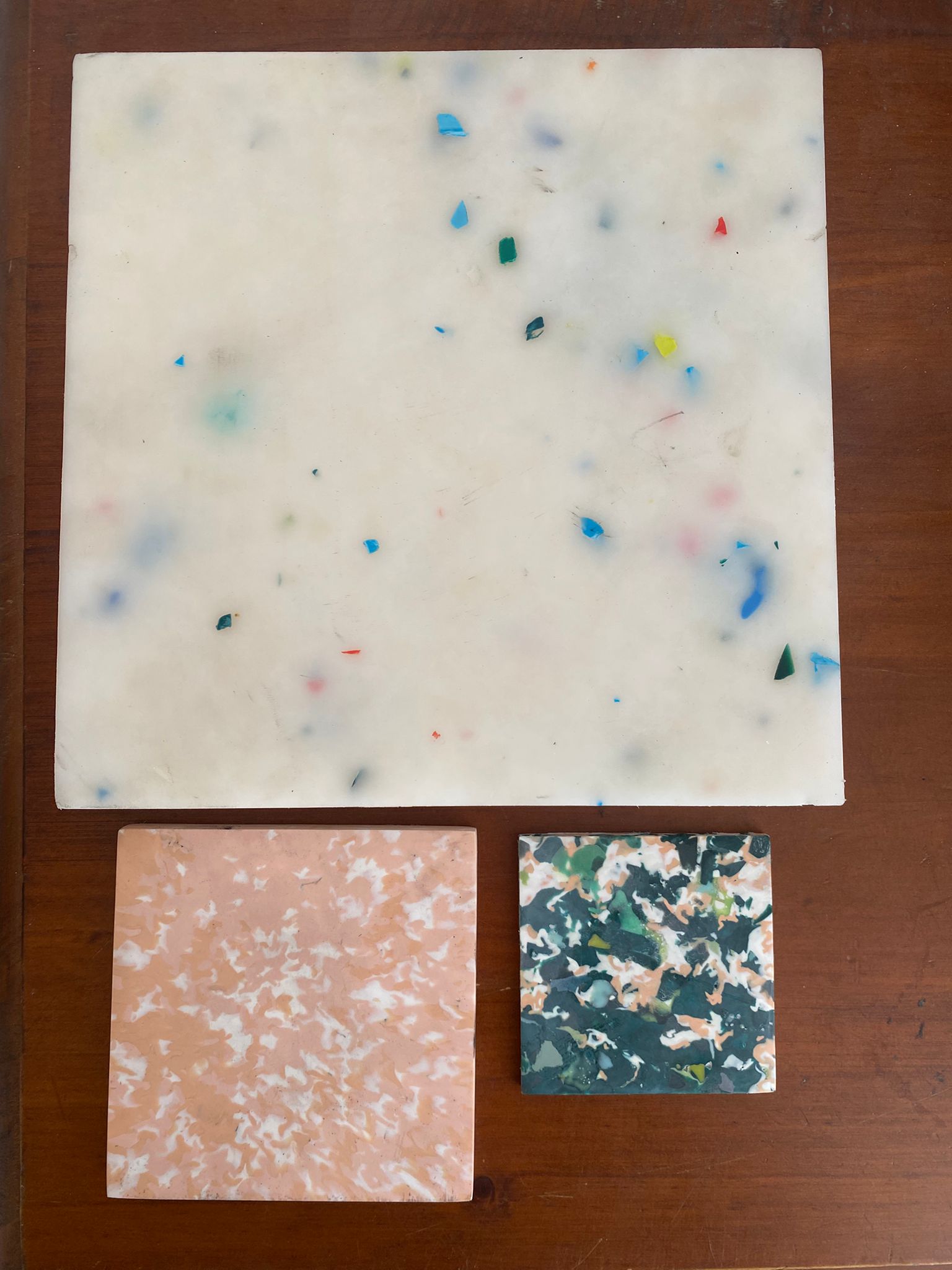
Recycled plastic, specifically the high-density polyethylene (HDPE) we process, is different. It’s chemically inert, UV-stabilised, and moisture-proof.
- Zero Painting/Sealing: The colour is baked into the material.
- Termite Proof: There’s no organic matter for pests to eat.
- Rust Proof: Ideal for coastal or high-moisture environments where steel fails.
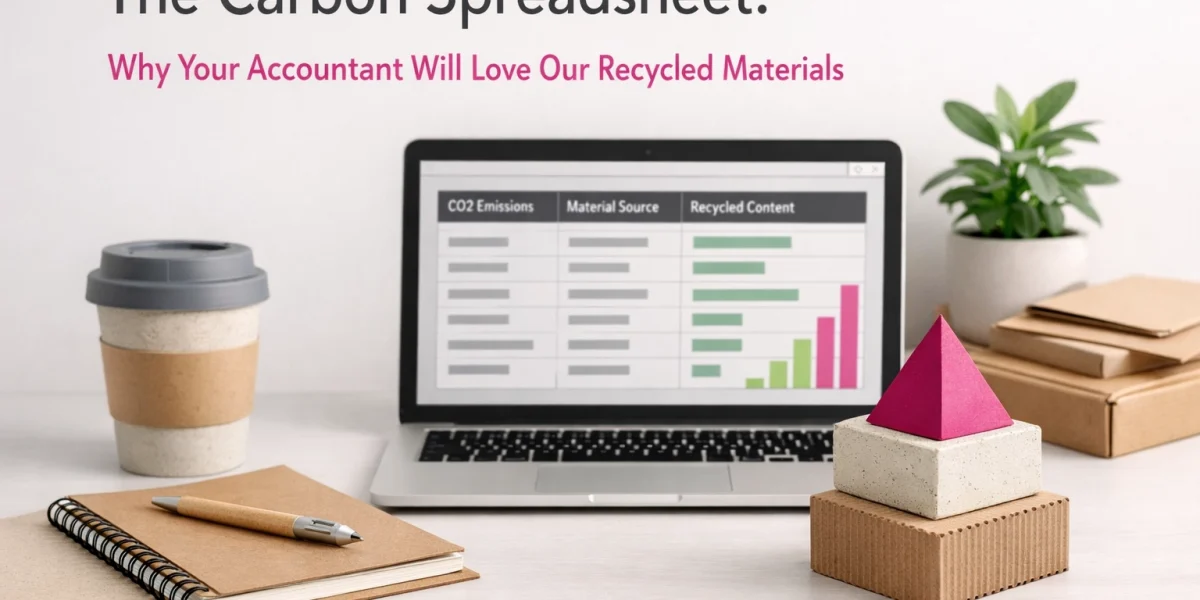
When you look at a recycled plastic vs. timber vs. steel cost-lifespan analysis, the "Carbon Spreadsheet" starts to tilt heavily in favour of recycled plastic. You might pay a slight premium upfront compared to low-grade timber, but by year five, the recycled material has usually paid for itself in saved labour and maintenance costs.
2. The Carbon Tax of the Future: Mitigating ESG Risk
ESG reporting is no longer "optional" for Tier 1 contractors and government-linked entities. Australia’s new circular construction reforms are putting a price on carbon and a penalty on waste. If your business can’t accurately report on the embodied carbon of its materials, you’re effectively carrying an unquantified financial risk.
By switching to sustainable construction materials in Australia, you are locking in lower embodied carbon figures. Manufacturing virgin plastic is an energy-intensive process that relies on fossil fuel extraction. In contrast, our process uses 100% recycled Australian plastic, which significantly lowers the carbon footprint of every panel or bollard produced.
When your accountant looks at the year-end ESG report, having a traceable, local supply chain makes their job infinitely easier. It’s the difference between "we think this is sustainable" and "we have the data to prove it."
3. Turning Disposal Costs into Assets: The Take-Back Program
One of the biggest headaches for any project manager is the cost of disposal. Landfill levies in states like NSW and Victoria are skyrocketing. In the old linear economy, you buy a material, use it, and then pay someone to take it away when it reaches its end-of-life.
Resourceful Living operates on a circular economy model. We offer a "Take-Back" program for our products.
"The true value of a material isn't just in its first life; it's in its ability to be reborn without losing structural integrity. That’s where the real financial savings hide."
Because our panels are made from 100% recyclable HDPE, we can take them back at the end of their 20+ year lifespan, granulate them, and turn them into brand-new products. This effectively eliminates the future liability of disposal costs. Your accountant will recognise this as a closed-loop asset management strategy.

Suggested Image: An infographic showing the financial flow of a circular take-back program vs. the linear "buy-use-dump" model.
4. Winning Tenders through Social Procurement
If you are chasing government contracts, you know that the "price" is only one part of the equation. Modern procurement policies, such as the Environmentally Sustainable Procurement Policy, award significant weight to local content and sustainability metrics.
Being a recycled plastic manufacturer in Australia means we help our partners hit these targets. Using our materials isn't just a "green" choice; it’s a competitive advantage that helps you win more work.
- Local Procurement: 100% Australian-made and sourced.
- Traceability: We can tell you exactly where the waste came from (like our case study on Telstra SIM cards).
- Compliance: We help you navigate Australia’s new circular construction reforms.
5. Logistics and the "Made in Australia" Efficiency
Global supply chains are volatile. If you’re waiting on a shipment of "sustainable" composite from overseas, a single port strike or shipping delay can blow your project timeline: and your budget: out of the water.
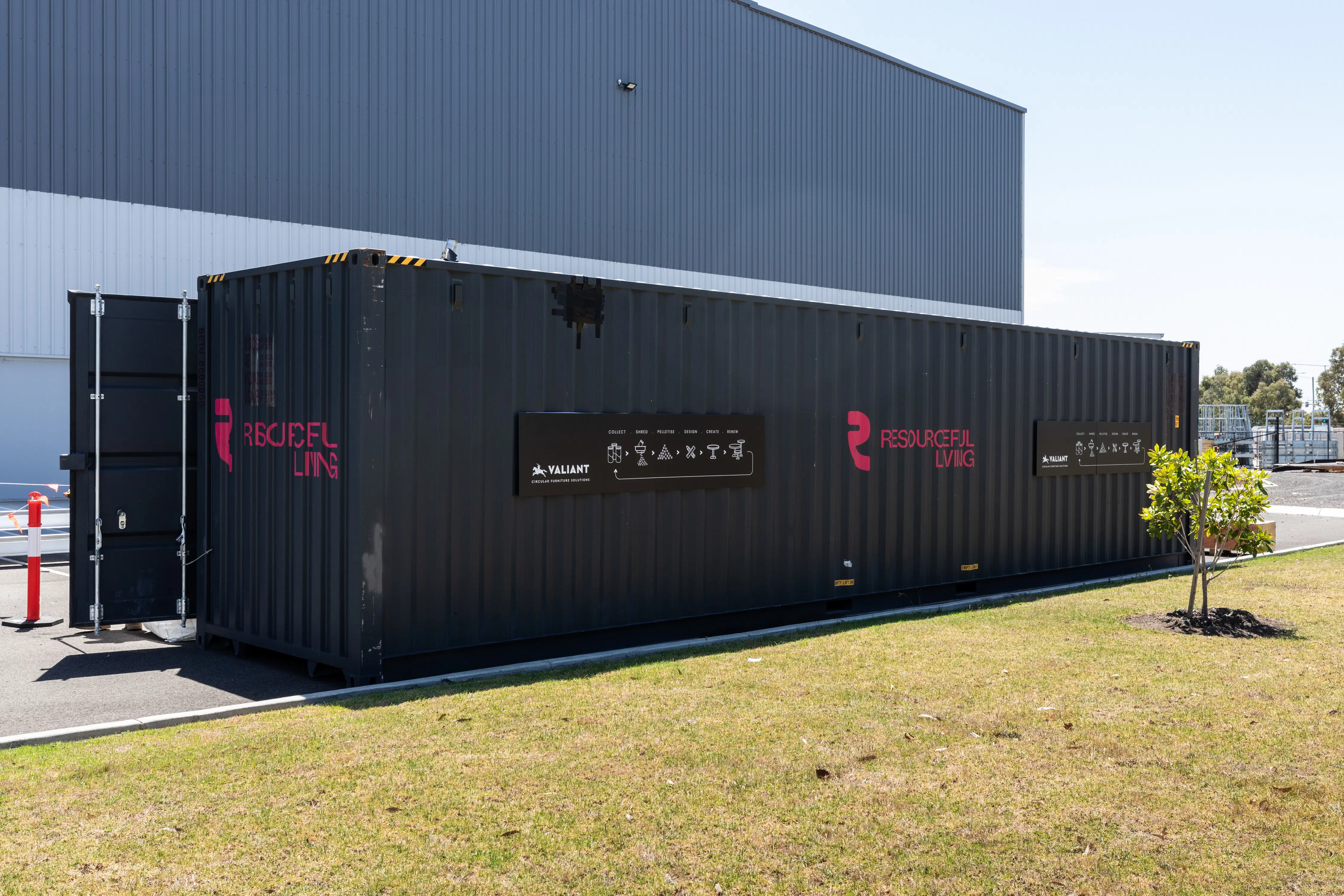
Working with a local manufacturer reduces lead times and shipping costs. It also means you are supporting a domestic industry that is actively diverting waste from Australian landfills. We even have onsite mobile recycling units that can process waste at the source, further reducing transport emissions and logistics costs.
The Financial Checklist: Questions for Your Next Procurement Meeting
To help your finance team wrap their heads around the switch to recycled materials, try framing the conversation with these specific metrics:
- What is the 10-year maintenance forecast? Compare the cost of oiling/replacing timber vs. the zero-maintenance profile of recycled plastic.
- What are the projected landfill levies at end-of-life? Factor in the savings provided by a guaranteed take-back programme.
- Does this material help us meet the 'Sustainable Procurement' weighting in our current tenders? Assign a dollar value to the increased likelihood of winning government contracts.
- How does this impact our Scope 3 emissions reporting? Lower embodied carbon in materials directly improves your ESG standing with investors and lenders.
Conclusion: Data-Driven Sustainability
The "Carbon Spreadsheet" isn't a myth; it's the new reality of doing business in Australia. As we move closer to 2030 sustainability targets, the gap between the cost of "business as usual" and the cost of "circular thinking" will only widen.
By choosing 100% recycled plastic panels and products, you aren't just doing the "right thing" for the planet. You are making a calculated, data-backed decision to reduce risk, lower OPEX, and future-proof your organisation’s assets.

Ready to see the math for yourself?
Explore our Tier 1 Council & Specifier Guide or reach out to the team at Resourceful Living to discuss how we can help your next project meet its ESG and financial goals simultaneously. Stop looking at sustainability as a cost( start looking at it as your most resilient asset.)