The Australian construction landscape is undergoing a radical shift. For decades, the industry has relied on timber, steel, and concrete: materials that, while functional, carry heavy environmental costs and high maintenance requirements. However, as we move through 2026, a new contender has moved from the fringes of "eco-niche" to the centre of mainstream specification: recycled plastic panels.
With the built environment contributing roughly 18% of Australia’s carbon footprint, developers, architects, and government bodies are under immense pressure to find viable, low-carbon alternatives. This isn’t just about "doing the right thing" anymore; it’s about meeting strict new sustainability quotas and future-proofing infrastructure against a changing climate.
At Resourceful Living, we’re seeing firsthand why sustainable construction materials in Australia are no longer a luxury: they are a necessity. Here is why the industry is finally talking about, and more importantly, using recycled plastic panels.
The Problem: Australia’s Plastic Crisis and Construction’s Carbon Debt
Australia produces millions of tonnes of plastic waste annually. Following the high-profile collapse of soft plastic recycling schemes in recent years, a massive volume of "hard-to-recycle" material: like bread bags, milk bottles, and food wrappers: was left without a home.
Simultaneously, traditional construction materials like steel and concrete are energy-intensive to produce. For every tonne of cement produced, approximately 600kg to 900kg of CO2 is released. When you factor in the transport emissions of importing materials from overseas, the environmental debt of a standard build is staggering.
The Solution: A Circular Economy Approach
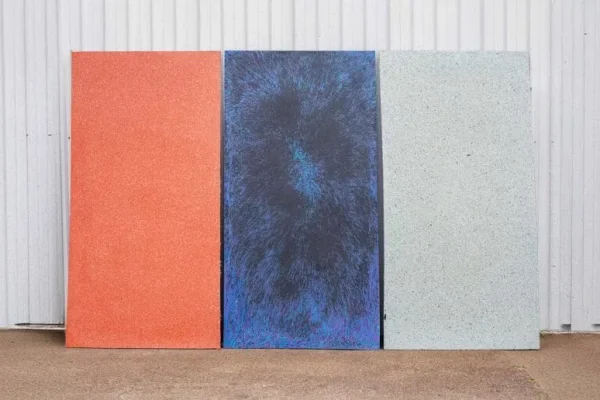
Recycled plastic panels offer a dual solution. They divert high-density polyethylene (HDPE) and other plastics from Australian landfills and turn them into high-performance building products.
- ✅ Waste Diversion: Every panel produced represents thousands of plastic containers saved from landfill.
- ✅ Carbon Reduction: Locally manufactured recycled plastic panels can reduce carbon emissions by up to 30% compared to steel and concrete.
- ✅ Local Sourcing: By manufacturing right here in Australia, we eliminate the massive carbon footprint associated with international shipping.
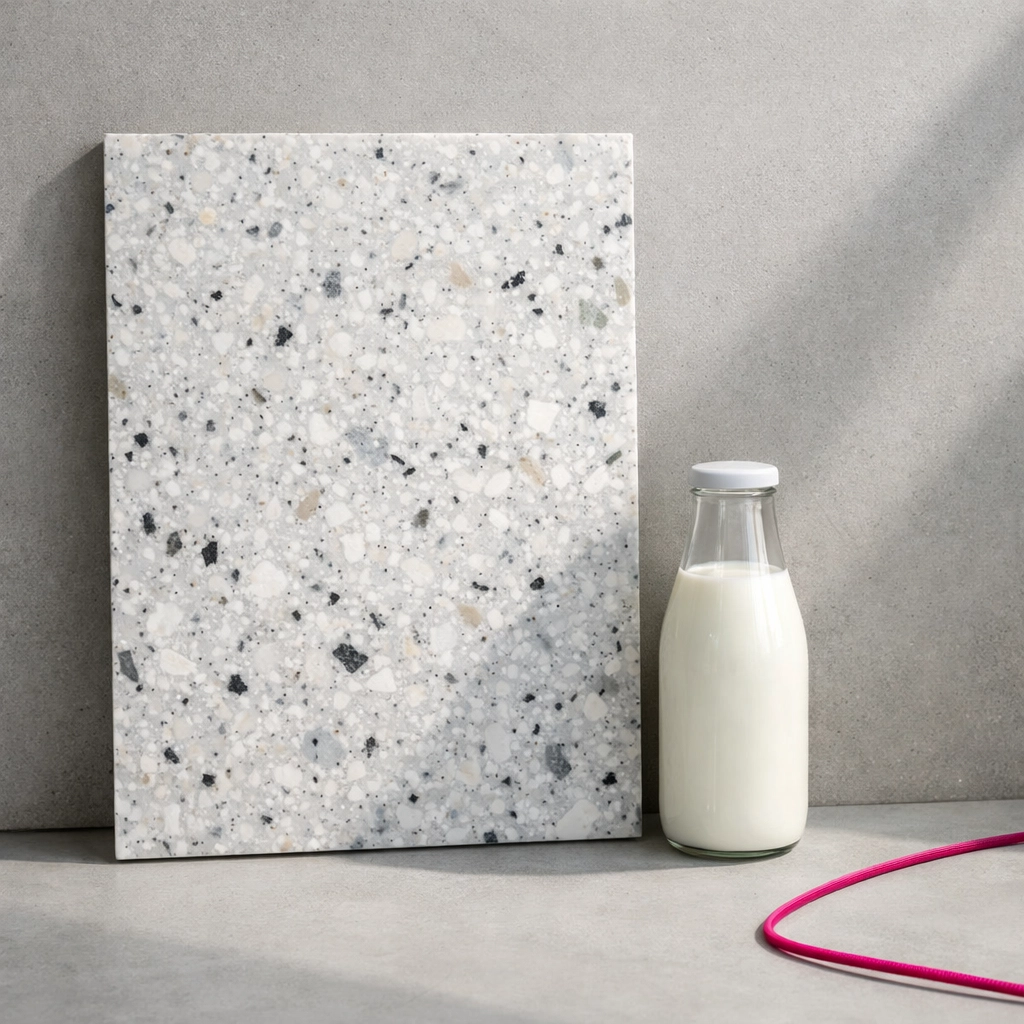
Why Performance Beats Tradition: Plastic vs. Timber and Steel
One of the biggest misconceptions about sustainable construction materials in Australia is that they are "weaker" than traditional options. The data suggests the opposite, especially when considering the harsh Australian climate.
1. Durability and Lifespan
Traditional timber rots, warps, and is highly susceptible to termite attacks. In marine or high-moisture environments, timber maintenance becomes a perpetual expense. Recycled plastic panels, however, are engineered for a 50+ year lifespan. They are:
- 100% Waterproof: They will never rot or swell.
- Termite Proof: Plastic offers no nutritional value to pests.
- UV Stabilised: Designed to withstand the intense Australian sun without degrading.
2. Weight and On-Site Efficiency
Recycled plastic panels are significantly lighter than concrete or steel equivalents. This has a direct impact on your project's bottom line:
- Smaller Cranes: Lighter materials often allow for smaller, less expensive lifting equipment.
- Reduced Labour: Easier handling means faster installation times and lower risk of manual handling injuries for your crew.
- Lower Transport Costs: You can fit more material on a single truck, reducing the number of site deliveries required.
You can view a detailed breakdown of how these materials stack up in our guide on recycled plastic vs timber vs steel cost and lifespan.
The Metrics of Sustainability: Real Data for Green Star Ratings
If you are working on a project aiming for Green Star or LEED certification, the metrics matter. It is no longer enough to claim a product is "green." You need data.
Our manufacturing process at Resourceful Living focuses on a low-energy extrusion method. The carbon emissions for our panels are remarkably low: typically ranging between 0.006–0.012 CO2e/kg. This is achieved by:
- Sourcing post-consumer waste locally within Australia.
- Using energy-efficient machinery to shred, wash, and press the panels.
- Eliminating toxic additives or resins that prevent future recyclability.
This last point is critical. Many "sustainable" materials are composites (like WPC) that glue plastic and wood together. These are almost impossible to recycle at the end of their life. In contrast, our panels are part of a true circular economy, meaning they can be ground down and remanufactured into new panels at the end of their 50-year life.
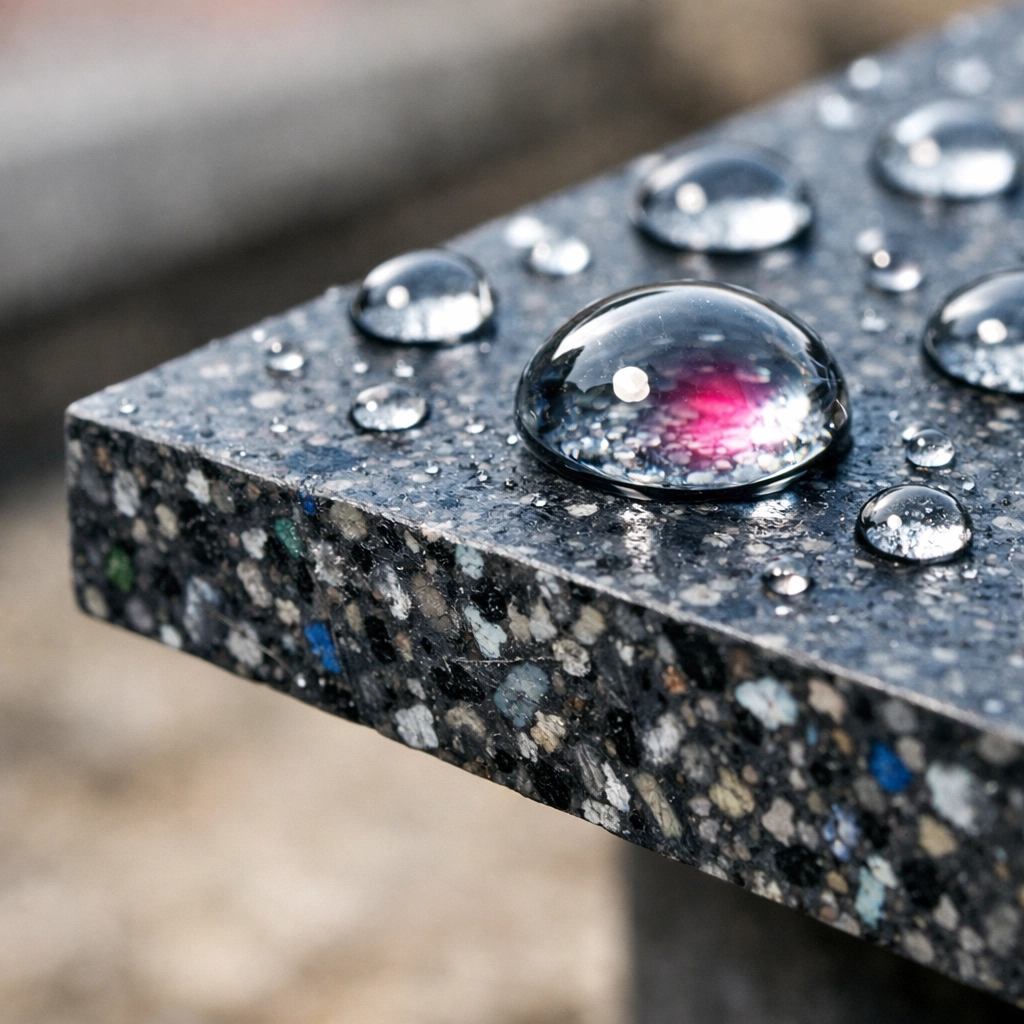
Versatile Applications: From Residential Benchtops to Mining Sites
The versatility of recycled plastic panels is a major reason for their surge in popularity. They aren't just for "eco-houses"; they are heavy-duty industrial solutions.
Commercial and Residential Construction
Architects are increasingly specifying recycled panels for:
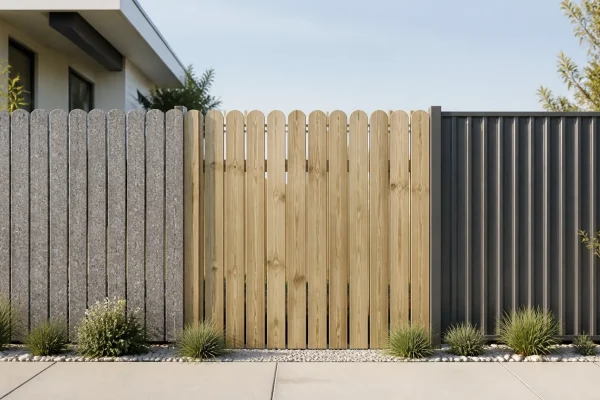
- External Cladding: Providing a modern, textured aesthetic that requires zero painting or sealing.
- Wet Area Fit-outs: Ideal for shower partitioning, bathroom vanities, and laundries where water resistance is paramount.
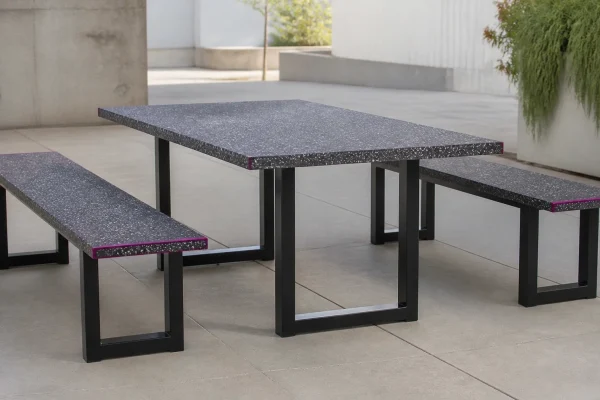
- Sustainable Kitchens: As a safer, silica-free alternative to engineered stone benchtops.
Mining and Industrial Infrastructure
The durability of recycled plastic makes it perfect for the rugged conditions of Australian mines. We provide specialised recycled plastic products for mining sites, including:
- Wheel Stops: Unlike concrete stops that crack and crumble, plastic stops absorb impact.
- Rehabilitation Products: Used in site restoration and erosion control.
- Heavy-duty Walkways: Providing slip-resistant, non-corrosive paths for workers.
"The shift toward recycled plastic isn't just an environmental trend: it's a logical evolution in material science. We are finally creating products that match the longevity of our infrastructure." : Industry Insight
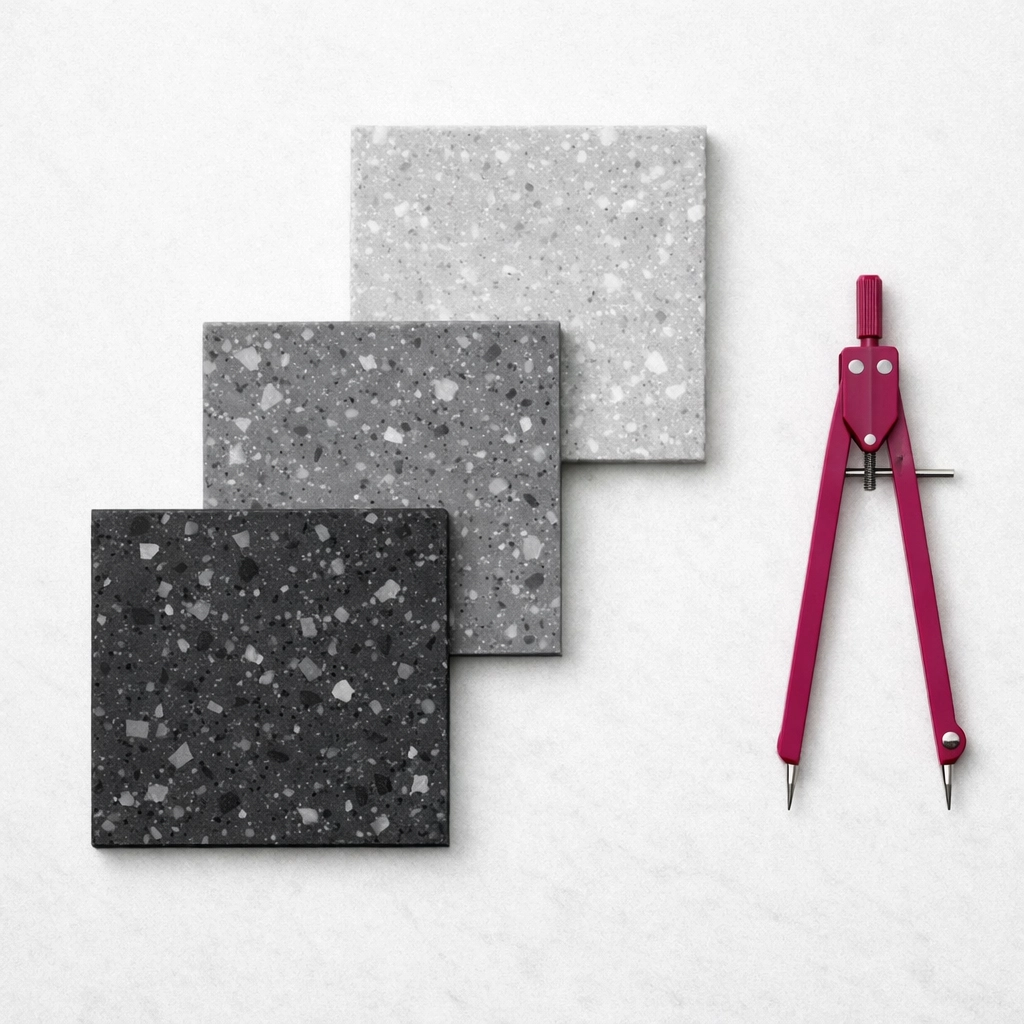
How to Transition to Sustainable Materials in Your Next Project
Switching to new materials can feel daunting for project managers accustomed to traditional supply chains. However, the transition to sustainable construction materials in Australia is becoming streamlined.
Step 1: Conduct a Waste and Material Audit
Understand where your current materials are failing or where your waste costs are highest. Transitioning to circular procurement can significantly reduce landfill costs.
Step 2: Compare Life-Cycle Costs
Don't just look at the upfront purchase price. Factor in the cost of maintenance, replacement intervals, and disposal fees. Recycled plastic panels often have a higher initial ROI because they eliminate the need for painting, oiling, and early replacement.
Step 3: Specify Local
Ensure your recycled plastic is actually Australian. Some "recycled" products are imported, which adds significant transport emissions. By choosing local manufacturers, you support the Australian recycling industry and ensure the material is suited for local conditions. Check out the latest eco-friendly building products in Australia for 2026 to see what’s available.
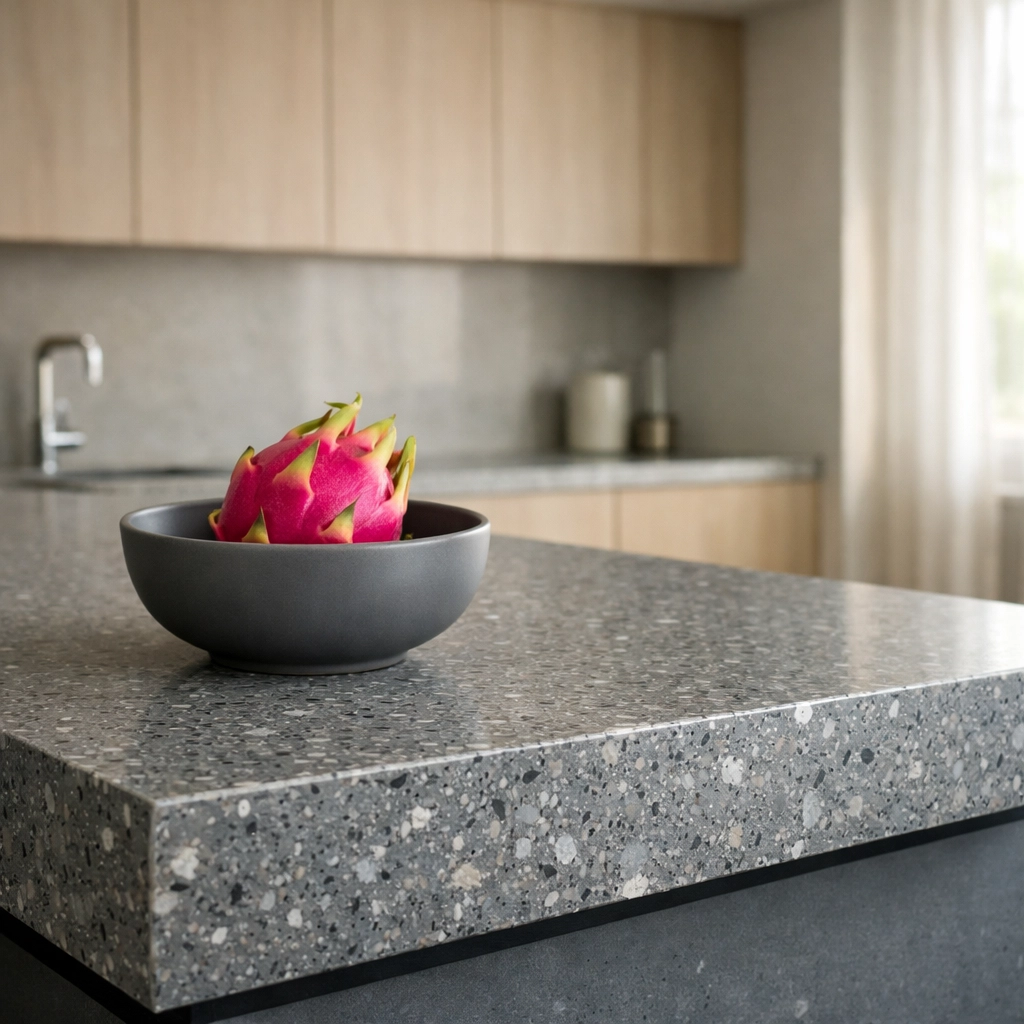
The Future: Why Recycled Plastic is Leading the Revolution
The "Green Construction Revolution" is no longer a future concept: it is happening now. As government regulations tighten and the cost of carbon increases, the companies that thrive will be those that have already integrated sustainable materials into their workflows.
Recycled plastic panels represent more than just a recycled product; they represent a smarter way to build. They take a waste problem and turn it into a structural solution. They offer the durability that Australia's harsh environments demand while providing the low-carbon metrics that the global market requires.
Whether you are looking for recycled plastic wheel stops for mining sites or high-end architectural cladding, the move to recycled plastic is the most practical step you can take toward a sustainable build.
Ready to make the switch?
The transition to a circular economy in construction starts with a single specification. By choosing recycled plastic panels, you are investing in a product that is built to last, manufactured locally, and designed to be reused forever.
To learn more about how these materials can fit your specific project, explore our future of sustainable building resource or contact the team at Resourceful Living today.