If you’ve ever spent a Saturday morning at a local footy oval or cricket pitch, you know the drill. You’re balancing a meat pie in one hand and a coffee in the other, looking for a spot to sit. You find a timber bench, sit down, and, crack, the sound of weathered wood protesting your weight is enough to make anyone nervous. Or worse, you get up and realise your kid has just inherited a fresh set of splinters.
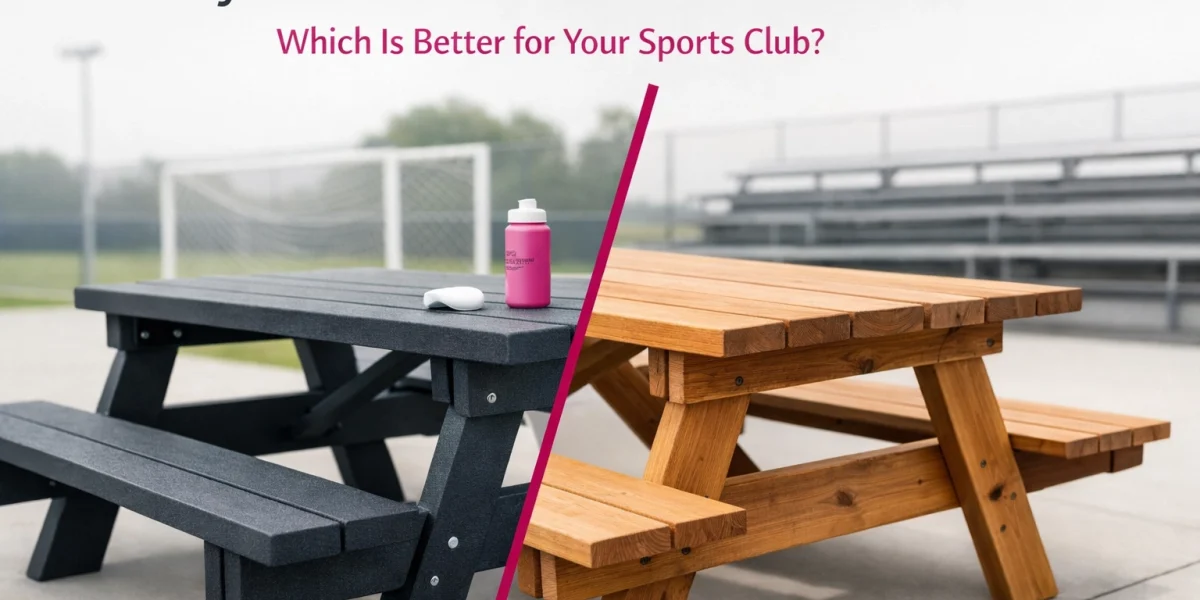
For sports club managers and council asset teams, the "Timber vs. Plastic" debate isn't just about aesthetics; it’s about safety, budget management, and long-term durability.
In the harsh Australian climate, where the sun is brutal and the rain is unpredictable, choosing the right sustainable construction materials in Australia can be the difference between a facility that thrives and one that becomes a maintenance nightmare.
At Resourceful Living, we’ve seen firsthand how high-performance recycled plastic furniture is disrupting the traditional market. Let’s dive into why your sports club might be ready to retire the timber and draft some recycled HDPE into the starting lineup.
Why Traditional Timber is Losing the Game
Don’t get us wrong, we love the look of natural timber. But in a high-traffic, outdoor sports environment, timber is high-maintenance. It’s like that talented player who looks great on paper but spends half the season on the physio bench.
1. The Maintenance Tax
Timber requires a constant cycle of sanding, staining, and oiling to prevent it from grey-ing and rotting. For a volunteer-run sports club or a stretched council maintenance team, these man-hours are expensive. If you skip a season of maintenance, the wood begins to check, warp, and eventually rot.
2. The UV Factor
The Australian sun is a beast. UV rays break down the lignin in wood, leading to surface degradation. Even "treated" timber eventually bows under the pressure of 40-degree January afternoons.
3. Safety Hazards
This is the big one. As timber ages, it splinters. For inclusive play areas and clubs catering to families, a splinter isn't just a nuisance, it’s a liability. If your club prioritises CPSARA (Cerebral Palsy Sporting and Recreation Association) standards or general inclusive play, surfaces must be smooth and safe for all users.

The Rise of Recycled Plastic Furniture
When we talk about recycled plastic furniture, we aren't talking about flimsy garden chairs. We’re talking about industrial-grade, 100% Australian recycled HDPE (High-Density Polyethylene). This is the same stuff used for milk bottles and detergent containers, transformed into heavy-duty recycled plastic sheets and profiles.
Why HDPE is the MVP of Sports Infrastructure:
- 100% Waterproof: It won’t rot, swell, or absorb moisture. Whether it’s a coastal breeze or a tropical downpour, the material stays structurally sound.
- Termite Proof: Unlike timber, termites have zero interest in recycled plastic.
- UV Stable: At Resourceful Living, our materials are engineered to withstand the Australian sun without losing structural integrity.
- Graffiti Resistant: Paint doesn't bond well to HDPE, making it much easier to clean if vandals decide to leave their mark.
Maintenance: From "Sanding Every Season" to "Hose and Go"
Let’s talk about the reality of running a sports club. You want your volunteers focused on the game, not on a belt sander.
One of the biggest draws of choosing recycled plastic furniture over timber is the virtually zero-maintenance lifestyle. You never have to sand it. You never have to oil it. You never have to paint it.
A quick blast with a high-pressure hose or a wipe-down with soapy water is usually all it takes to keep it looking brand new. When you compare recycled plastic vs timber vs steel cost and lifespan, the labour savings alone over a 10-year period often pay for the initial investment.
"We often see councils spending thousands annually just to keep timber assets safe and presentable. Switching to recycled plastic isn't just an environmental choice; it's a fiscal one." , Jess Hodge, CEO of Resourceful Living.

Safety First: Splinter-Free and Inclusive Spaces
Safety is paramount in community spaces. For sports facilities, this means ensuring that seating and spectator areas are accessible to everyone, including those with sensory sensitivities or mobility aids.
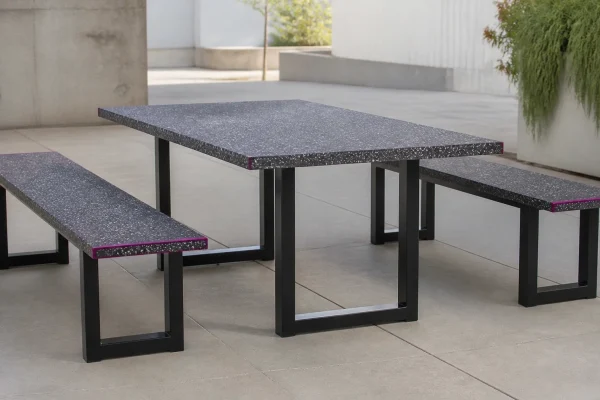
Recycled plastic furniture is inherently splinter-free. Because the material is consistent throughout, it doesn't "peel" or "crack" in the way wood grain does. This makes it the superior choice for:
- Player Dugouts: Where players are often sitting in short-shorts or shifting around frequently.
- Inclusive Playgrounds: Ensuring that children can crawl or play without the risk of skin tears.
- Spectator Benches: Keeping the local fans comfortable and injury-free.
By choosing HDPE, you are naturally aligning with inclusive design principles, ensuring your club is a welcoming space for everyone.
The Circular Economy: A Win for Your ESG Goals
If your sports club or council is looking to hit sustainability targets, procurement is your strongest lever. Using recycled plastic sheets manufactured right here in Australia helps reduce the massive plastic pollution in Australia problem.
The Resourceful Living Take-Back Program
We don't just sell you a product and walk away. We are committed to a closed-loop system. At the end of its very long life (we’re talking decades), our furniture can be returned to us. We’ll grind it down and turn it into something new again.
This is what a true circular economy looks like. Your club isn't just "buying green", it's becoming a partner in a waste-to-infrastructure revolution.

The Bottom Line: Upfront Cost vs. Lifetime Value
Let's address the elephant in the room: Price.
Yes, recycled plastic furniture can have a higher upfront cost than cheap pine or low-grade hardwood. But as any facility manager knows, the purchase price is only the tip of the iceberg.
The Breakdown:
- Initial Purchase: Timber is cheaper (initially).
- Installation: Comparable.
- Year 3: Timber needs its first major sand and oil. Cost: Labour + Materials. Recycled plastic: $0.
- Year 7: Timber starts to show rot in the joints or sun-cracking. Replacement of slats required. Recycled plastic: $0.
- Year 12: Timber bench is likely at the end of its life and needs full replacement. Recycled plastic: Still looks the same as the day it was installed.
When you look at the Total Cost of Ownership (TCO), recycled plastic wins by a landslide. You can learn more about how to justify these costs in our guide on how to reduce landfill costs with circular procurement.

Making the Switch at Your Club
So, is recycled plastic better than timber for your sports club?
The answer is a resounding yes. If you value durability, safety, and a "set and forget" maintenance schedule, there is no competition.
If you're a club manager or council specifier, here’s how to get started:
- Audit your current assets: How much are you spending on timber maintenance right now?
- Check the specs: Look for 100% Australian recycled HDPE to ensure you're getting the best UV resistance and traceability.
- Start small: Replace one high-traffic spectator area or dugout and watch the maintenance hours drop.
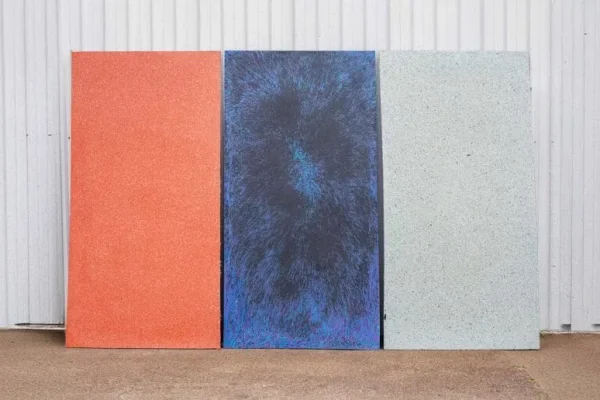
Ready to upgrade your facility? Whether you need custom bench seating or heavy-duty recycled plastic panels, we’re here to help you build something that lasts.
At Resourceful Living, we’re not just making furniture; we’re making sure Australian waste stays out of landfill and becomes the backbone of our community sports clubs.
Let’s build something better together. Reach out to our team to discuss your next project or to learn more about our closed-loop ESG partner program.