For decades, the construction industry has relied on a single, heavy-hitting champion: concrete. It’s the backbone of our cities, the literal foundation of our homes, and the default choice for everything from park benches to retaining walls. But as we move further into 2026, the conversation is shifting. The "build at any cost" mindset is being replaced by a circular economy approach that demands higher efficiency and lower environmental impact.
In the world of structural infrastructure, we’re seeing a fierce comparison between traditional concrete and 100% recycled plastic panels. While concrete remains the king of high-rise foundations, recycled plastic is rapidly becoming the superior choice for a wide range of "structural" applications in urban design and landscaping.
But which one is actually better? To answer that, we need to look past the surface and evaluate these materials based on four critical pillars: weight, installation time, durability, and environmental impact.
1. The Weight Factor: Logistics and Safety
In construction, weight is directly tied to cost and risk. Concrete is undeniably dense, which is great for holding up a skyscraper, but a nightmare for transport and onsite handling.
Concrete: The Heavy Burden
Concrete weighs approximately 2,400kg per cubic metre. This density requires heavy-duty machinery for transport, specialised cranes for placement, and a massive amount of fuel just to get the material to the site. If you're building a public boardwalk or a series of retaining walls in a remote area, the logistical costs of concrete can blow a budget before the first pour.
Recycled Plastic: The Lightweight Alternative
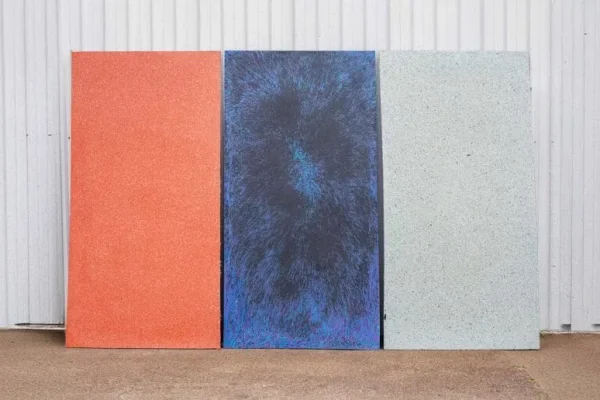
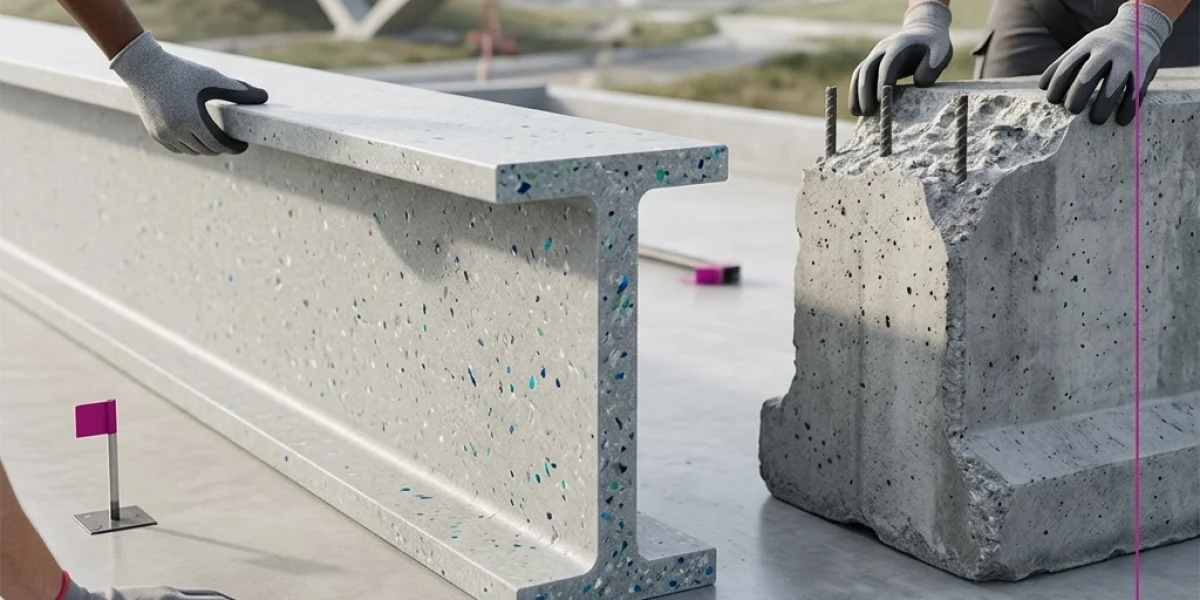
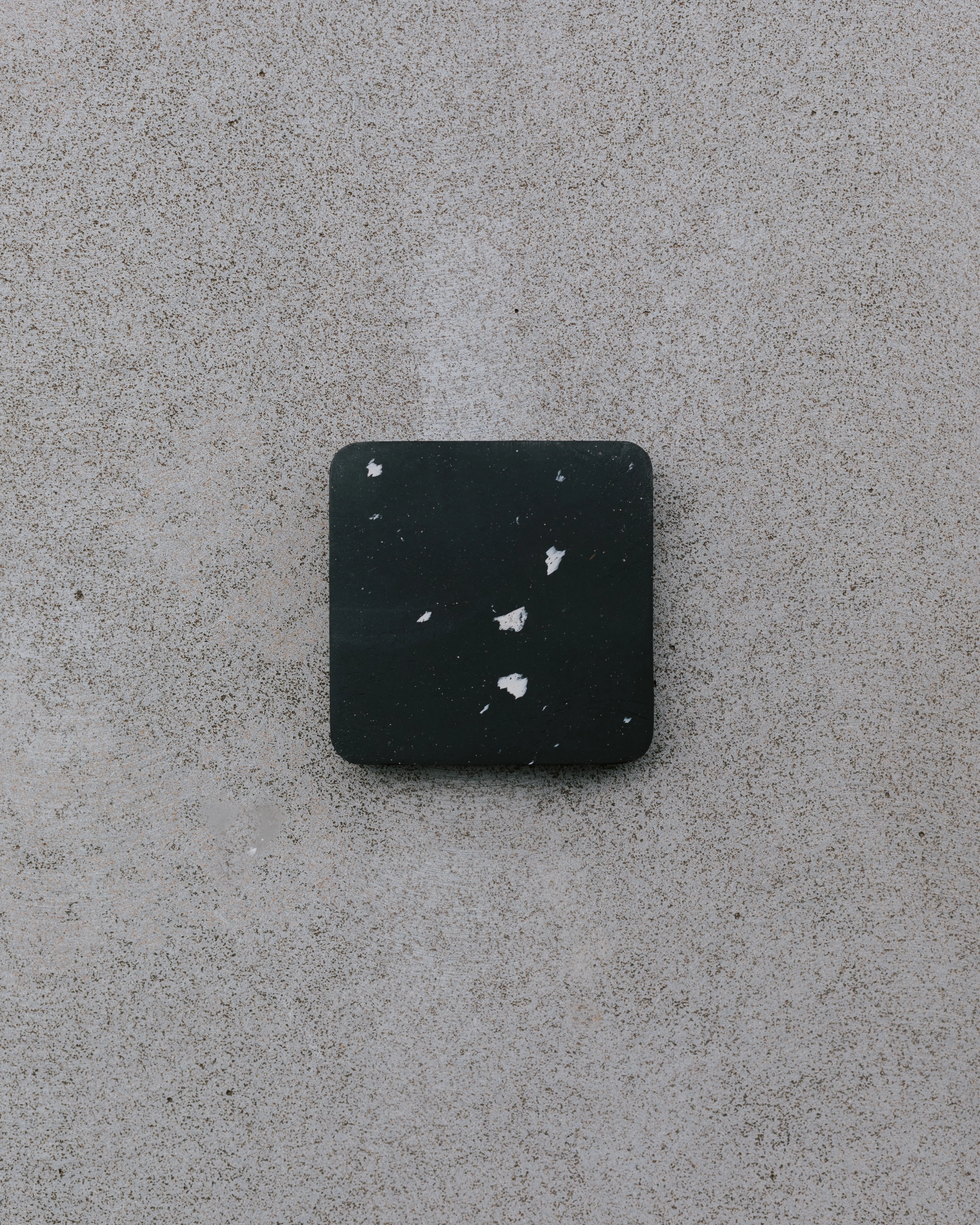
Our recycled plastic panels, manufactured right here in Australia, offer a significant weight advantage. They are roughly 35-40% lighter than concrete equivalents of the same volume.
- Easier Handling: Two workers can often carry and position plastic components that would require a forklift if made of concrete.
- Reduced Transport Costs: You can fit more material on a single truck, cutting down on carbon emissions and delivery fees.
- Safety: Lighter materials mean a lower risk of crush injuries and less physical strain on your crew.
2. Installation Time: Speed is Money
In 2026, the Australian building industry is under immense pressure to deliver projects faster. This is where the difference between a "wet" trade and a "dry" trade becomes glaringly obvious.
The Concrete Wait-Time
Concrete is a process, not just a product. You have to build the formwork, install the steel reinforcement (rebar), pour the mix, and then wait. Concrete typically takes 7 days to reach 70% strength and 28 days to fully cure. During this time, the site is often restricted, and weather delays: especially heavy rain: can bring a project to a grinding halt.
The Plastic Advantage
Recycled plastic arrives at the site pre-fabricated and ready to install. There’s no curing time and no specialised "pouring" required.
- Workability: You can cut, drill, and screw into recycled plastic using standard woodworking tools.
- Instant Load-Bearing: Once a recycled plastic structure is bolted together, it’s ready for use.
- Weather Independent: You can install plastic panels in the middle of a rainstorm without compromising the structural integrity of the material.
If you want to understand how this shift is playing out on modern sites, check out why builders are switching to 100% recycled plastic sheets in 2026.
3. Durability: Will It Last 50 Years?
When we talk about infrastructure, we aren't thinking about next year; we’re thinking about the next generation.
The Concrete Decay
While concrete is strong, it isn't invincible. Over time, it is susceptible to spalling (the "concrete cancer" caused by rusted internal steel), cracking from ground movement, and erosion from salt spray in coastal environments. Maintaining concrete infrastructure requires regular inspections and expensive repairs to fill cracks and prevent water ingress.
The Resilience of Plastic
Recycled plastic is chemically inert. It doesn't rot, it doesn't rust, and it doesn't provide a food source for termites.
- UV Resistance: High-quality recycled panels are treated with UV stabilisers to withstand the harsh Australian sun.
- Waterproof: Unlike concrete, plastic does not absorb moisture. This makes it ideal for marine environments, wetlands, and areas prone to flooding.
- Impact Resistance: While concrete can chip or shatter under high-impact loads, recycled plastic has a degree of flexibility that allows it to absorb shocks without failing.
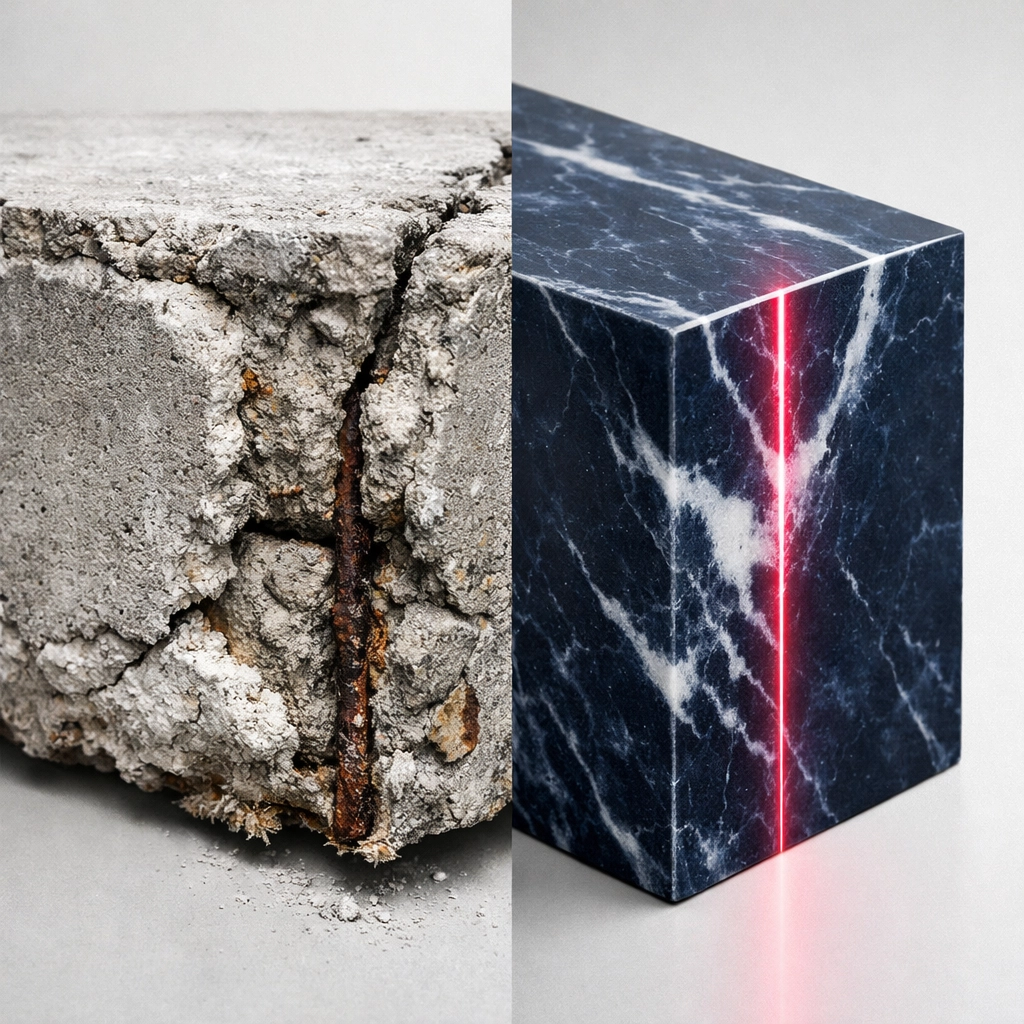
Suggested Visual: A side-by-side infographic showing the lifecycle of concrete vs. recycled plastic in a coastal environment.
4. Environmental Impact: The Hidden Cost
This is where the comparison becomes most stark. As the industry moves toward "Net Zero" targets, the carbon footprint of materials is no longer a "nice-to-have" metric: it’s a regulatory requirement.
The Carbon Debt of Cement
Concrete is one of the most environmentally damaging materials on earth. The production of cement is responsible for roughly 8% of global CO2 emissions. It requires massive amounts of heat and relies on the extraction of non-renewable sand and stone. When a concrete structure reaches the end of its life, it is often demolished and sent to landfill, as separating the steel rebar for recycling is labour-intensive.
The Circularity of Recycled Plastic
At Resourceful Living, we don’t just make products; we solve a waste problem.
- Waste Diversion: Every square metre of our panels diverts thousands of pieces of post-consumer plastic (like milk cartons and lids) from Australian landfills.
- Lower Emissions: Manufacturing recycled plastic panels uses significantly less energy and water than cement production, reducing overall emissions by up to 60%.
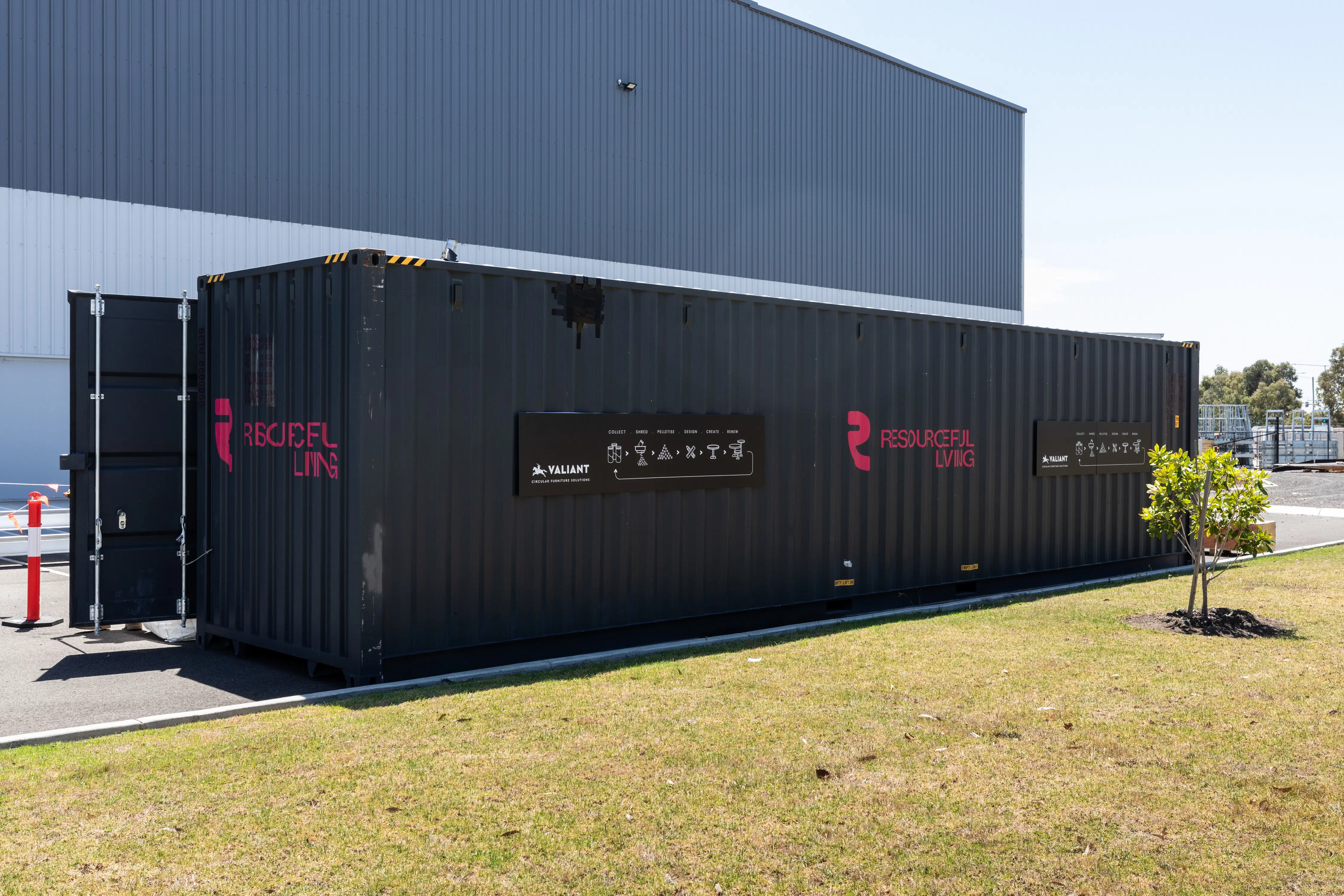
- Infinite Recycling: Unlike concrete, our panels are part of a take-back program. When a structure is no longer needed, the plastic can be shredded and remanufactured into brand-new panels. It’s a closed loop.
To see how this process works in the real world, read about why traceable recycled materials will change the way you meet sustainability targets.
Comparison Summary: At a Glance
| Feature | Concrete | Recycled Plastic |
|---|---|---|
| Weight | Very Heavy (High transport cost) | Lightweight (Easy handling) |
| Installation | Days/Weeks (Curing required) | Hours/Days (Instant use) |
| Maintenance | High (Sealing, crack repair) | Negligible (Inert, no rot) |
| CO2 Impact | High (8% of global emissions) | Low (Uses 100% waste) |
| Best Use | Foundations, Skyscrapers | Boardwalks, Cladding, Retaining Walls |
The Verdict: Which Should You Choose?
It is important to be realistic: Recycled plastic is not a 1:1 replacement for concrete in every scenario.
If you are building a 40-storey residential tower or a heavy-duty highway bridge, concrete's high compressive strength and rigidity make it the only viable choice. Research indicates that trying to mix plastic into concrete as an aggregate actually weakens the structure, making it more brittle and less durable under stress.
However, for almost every other type of "human-scale" infrastructure, recycled plastic is the clear winner. This includes:
- Public Boardwalks and Stairs: Where rot resistance and low maintenance are key.
- Retaining Walls and Garden Edging: Where ease of installation saves thousands in labour.
- External Cladding and Facades: Where weight reduction and aesthetics matter.
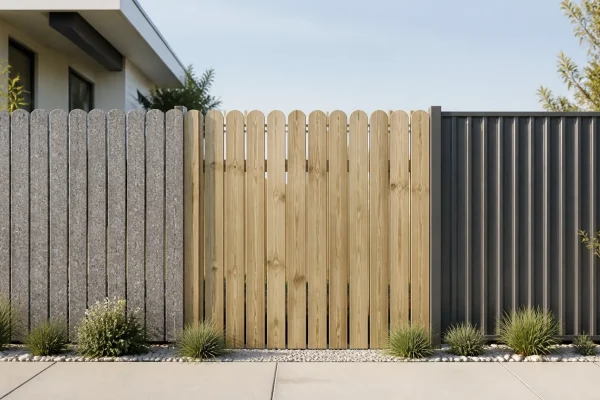
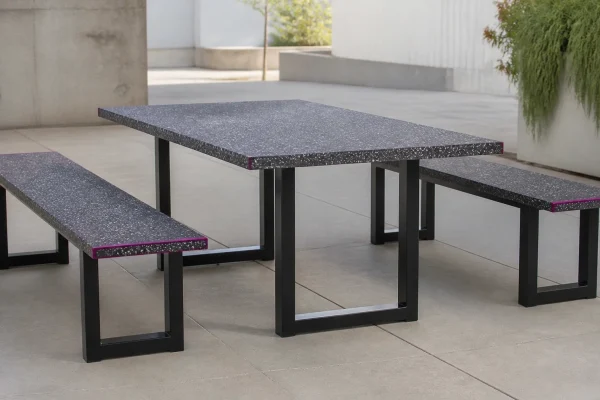
- Urban Furniture: Where the material needs to withstand vandalism and weather.
Moving Toward a Circular Future
The goal shouldn't be to eliminate concrete entirely, but to optimise its use. By using concrete only where it is strictly necessary (foundations and primary load-bearing elements) and switching to recycled plastic for everything else, we can build infrastructure that is faster to install, cheaper to maintain, and significantly better for the planet.
As we move toward more sustainable building practices, understanding the strengths of these materials allows us to make smarter, more responsible choices.
"Sustainability in construction isn't just about using 'green' materials; it's about choosing the right material for the right job to ensure the longest possible lifecycle with the lowest possible footprint."
Ready to make the switch for your next project? Whether you're a developer, a council planner, or a builder, our team at Resourceful Living can help you navigate the transition to circular materials.
Explore our 2026 Circular Construction Guide to see how you can integrate 100% Australian recycled plastic into your next infrastructure project.
Your Next Steps:
- Audit your materials: Identify non-structural concrete elements in your current plans.
- Compare the costs: Factor in installation time and long-term maintenance, not just the initial material price.
- Choose Traceability: Ensure your recycled plastic is 100% post-consumer and Australian-made to guarantee its environmental credentials.

By choosing recycled plastic over concrete for our urban infrastructure, we aren't just building better structures: we’re building a better future for Australia. Let's stop burying our plastic and start building with it.