In the current landscape of Australian civil engineering and construction, the default answer for "durable infrastructure" has historically been concrete. It’s heavy, it’s familiar, and it’s perceived as permanent. However, as we move through 2026, the industry is facing a massive shift. With the implementation of the Environmentally Sustainable Procurement Policy and the rising costs of maintenance, the "concrete-first" mindset is being challenged.
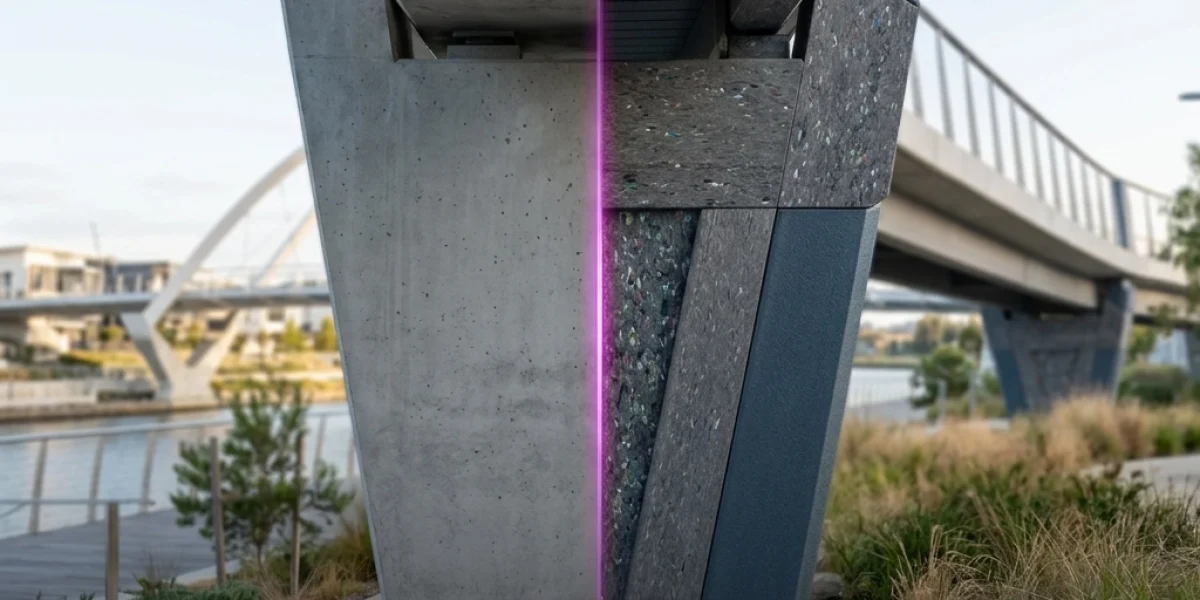
When comparing recycled plastic vs concrete structural performance, we aren't just looking at compressive strength; we’re looking at the total lifecycle of the asset. For non-structural and secondary structural applications: think retaining walls, boardwalks, and coastal infrastructure: High-Density Polyethylene (HDPE) is proving to be a superior, low-maintenance alternative.
At Resourceful Living, we’re seeing a surge in demand from builders who realise that over-engineering with concrete often leads to higher long-term costs and a massive carbon footprint. Let’s break down the technical reality of how these materials stack up.
The Brittleness Problem: Why Concrete Cracks While HDPE Flexes
One of the most significant differences between these two materials is how they handle stress. Concrete is exceptionally strong in compression but notoriously poor in tension. It is a brittle material. This means that when the ground shifts: common in Australian clay soils or coastal dunes: concrete cracks.
Once a crack appears in concrete:
- Water ingress begins.
- Steel reinforcement (rebar) starts to corrode.
- Spalling occurs, eventually leading to structural failure.
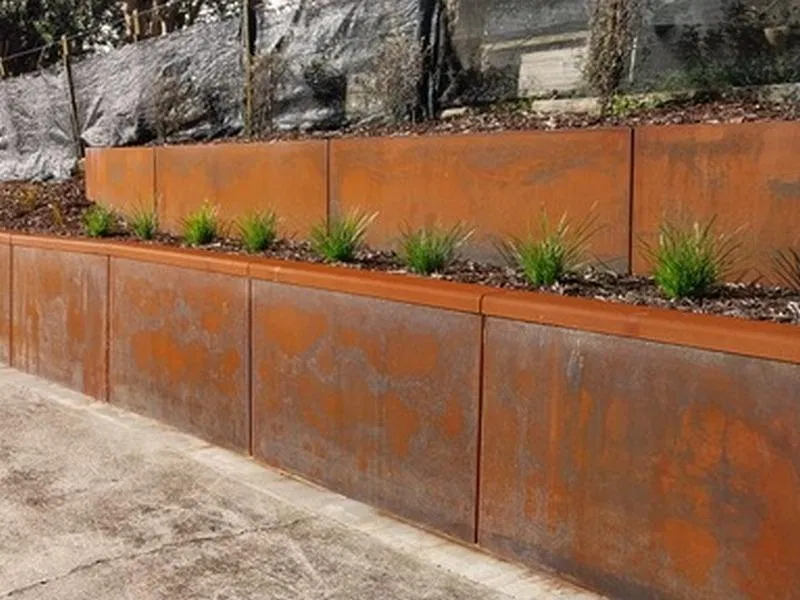
In contrast, recycled HDPE panels are ductile. They possess high impact resistance and a degree of flexibility that allows them to absorb energy without shattering. In secondary structural roles, like garden edging or modular retaining walls, this flexibility is a feature, not a bug. It allows the structure to move with natural soil fluctuations rather than fighting against them.
Weight and Logistics: The Cost of Moving Mass
If you’ve ever managed a site, you know that weight equals cost. Concrete is incredibly heavy, requiring heavy machinery, specialised transport, and significant man-hours for installation.
Recycled plastic panels are approximately 70-80% lighter than pre-cast concrete of the same volume. This weight advantage has three massive benefits for your next project:
- Safety: Lighter materials mean a lower risk of manual handling injuries.
- Speed: You can often install recycled plastic components with smaller crews and without the need for a 20-tonne crane.
- Accessibility: For coastal boardwalks or remote mining sites, getting heavy concrete trucks on-site is often impossible or environmentally damaging.
For those working in the resources sector, check out our guide on recycled plastic products for mining sites to see how this weight saving translates to faster shutdowns and lower freight costs.
Coastal Infrastructure: The Saltwater Verdict
In Australia, our infrastructure has to survive some of the harshest conditions on Earth. Coastal environments are particularly brutal for concrete. The salt spray accelerates the carbonation process, leading to "concrete cancer" in a matter of decades.
Recycled plastic is chemically inert. It does not react to salt, it does not rot like timber, and it is completely impervious to moisture. This makes it the logical choice for:
- Boardwalks and beach access ramps.
- Retaining walls in high-moisture zones.
- Marine fenders and wharf components.
While we often compare recycled plastic vs timber, the comparison to concrete in these zones is just as vital. Concrete requires expensive sealants and regular inspections to maintain its integrity in coastal zones; HDPE requires almost zero maintenance for its entire 50+ year lifespan.
The 60% Carbon Reduction: Meeting 2026 Targets
The most compelling argument for recycled plastic vs concrete structural choices in 2026 isn't just physical performance: it’s the environmental data. Concrete is one of the world's largest CO2 emitters, responsible for roughly 8% of global emissions.
By switching secondary structures from concrete to Resourceful Living’s recycled HDPE, you can achieve an immediate 60% reduction in embodied carbon.
With the new government procurement rules, winning government tenders now requires detailed reporting on these metrics. Using recycled materials isn't just "nice to have" anymore; it’s a core requirement for Tier 1 and Tier 2 contractors.
"The shift toward circular construction isn't just about waste; it's about decarbonising the built environment. Every tonne of plastic we keep out of landfill and put into a retaining wall is a tonne of virgin concrete we didn't have to pour."
: Resourceful Living Engineering Team
Understanding the Limits: Where Concrete Still Wins
To be a truly educational partner, we have to talk about where recycled plastic should not be used. If you are building the foundations for a 40-storey skyscraper or a bridge span over a highway, you need concrete.
The compressive strength of concrete is still unmatched for high-load, primary structural applications. Research shows that as you increase the amount of recycled plastic aggregate in a concrete mix, the compressive strength can drop by up to 47%.
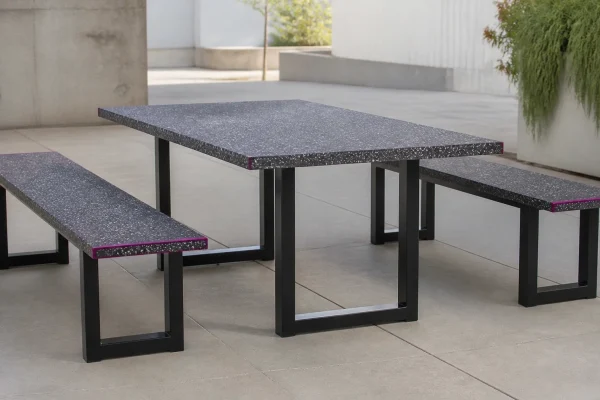
However, the mistake many engineers make is applying those same "primary structural" standards to secondary infrastructure. Does a park bench need to withstand the same load as a bridge pylon? No. Does a 1-metre retaining wall need the carbon intensity of a dam wall? Absolutely not.
By identifying these "secondary" opportunities, you can significantly lower your project's embodied carbon without compromising on safety.
Procurement and the Circular Economy
We are currently in a period of rapid transition. Circular Construction 2026 has changed the way materials are specified. Projects are now being audited not just for their cost, but for their "circularity score."
Recycled HDPE is a "circularity superstar" because:
- It uses waste: We transform local Australian waste into high-value assets.
- It is recyclable: At the end of its 50-year life, the HDPE can be shredded and turned back into a new panel. Concrete, once demolished, is often downgraded to low-value road base or sent to landfill.

Making the Switch: A 3-Step Implementation Guide
If you’re looking to replace concrete with recycled plastic in your next project, here is how to start:
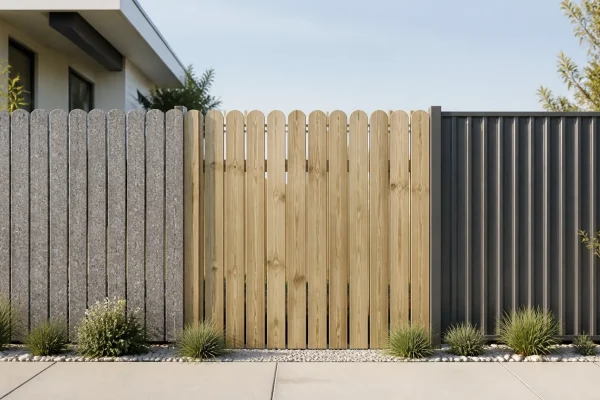
- Audit Your Secondary Structures: Identify elements that are currently spec'd as concrete but don't carry primary structural loads (e.g., noise barriers, low retaining walls, drainage covers, pathway edging).
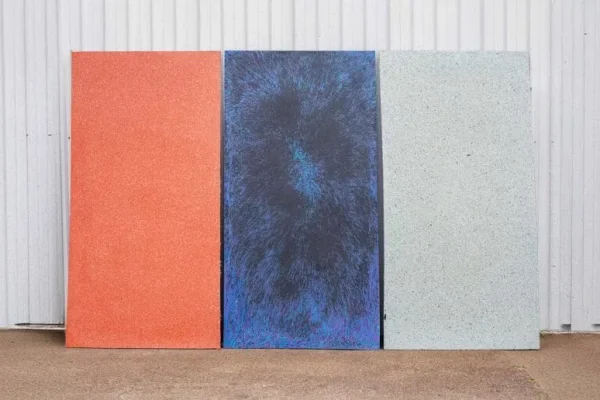
- Review the Specs: Look for sustainable building materials in Australia that meet the required impact resistance. Our HDPE panels come in various thicknesses to suit different load requirements.
- Engage with Local Manufacturers: Working with an Australian-based manufacturer like Resourceful Living ensures you have a traceable supply chain. You can even see how we process the material in our mobile recycling unit.
Summary: The Better Choice for Low-Maintenance Infrastructure
When we weigh up recycled plastic vs concrete structural performance, the winner depends on your definition of "performance."
- If performance means maximum load-bearing capacity for a skyscraper foundation: Concrete wins.
- If performance means zero maintenance, impact resistance, 60% lower carbon, and 80% less weight for secondary infrastructure: Recycled Plastic is the clear victor.
The infrastructure of 2026 needs to be smarter, lighter, and more sustainable. By choosing HDPE for your secondary structures, you aren't just building a wall or a boardwalk: you’re building a circular future.
Ready to see how our panels can replace concrete on your next site? Check out why builders are switching to 100% recycled plastic sheets or get in touch for a technical data sheet.