
If you’re reading this in 2026, you’ve likely noticed that the "green" buzzwords of five years ago have evolved into strict site requirements. We aren’t just talking about solar panels and double-glazed windows anymore. The conversation has shifted from how a building operates to what it is actually made of.
We’re four years out from the 2030 milestone, a date climate scientists have circled in red for a decade. In the Australian construction industry, 2026 is the year of the "embodied carbon" reckoning. It’s no longer a niche concern for high-end eco-resorts; it’s a fundamental metric for every council project, retail fit-out, and infrastructure upgrade across the country.
So, does embodied carbon really matter right now? The short answer: Yes, more than ever.
The "Upfront" Problem: Understanding Embodied Carbon
To understand why this matters, we need to look at the lifecycle of a project. While "operational carbon" refers to the energy used to light, heat, and cool a building, embodied carbon is the greenhouse gas emissions generated during the extraction, transport, and manufacturing of materials.
Think of it as the "carbon debt" a project starts with before the first light switch is even flipped.
By 2026, the Australian grid is becoming significantly greener. As our energy sources shift to renewables, the operational footprint of buildings is shrinking. However, the carbon locked into the steel, concrete, and plastic of the structure remains. In fact, research shows that between now and 2050, upfront carbon will account for approximately half of the entire carbon footprint of new construction.
Why 2026 is the Critical Tipping Point
We’ve reached a stage where design decisions made today have permanent climate consequences. You can upgrade an HVAC system in ten years to improve efficiency, but you can’t "undo" the carbon emitted to produce the materials already in your walls.
- The 2030 Deadline: To meet the 1.5°C warming threshold, global emissions need to drop by 65% by 2030. Every project designed in 2026 that ignores embodied carbon is effectively locking in a high-carbon future.
- Market Standards: Systems like the GRESB (Global Real Estate Sustainability Benchmark) are now scoring embodied carbon elements more strictly. If you want to attract institutional investment, your carbon data needs to be airtight.
- Regulatory Pressure: Australian local councils are increasingly mandating the use of sustainable construction materials in Australia. If your tender doesn't address the carbon footprint of your supply chain, you're likely going to lose out to a competitor who does.
The HDPE Advantage: Cutting Emissions by 70%
When we talk about reducing embodied carbon, the first instinct is often to look at low-carbon concrete or green steel. While those are vital, the role of recycled plastic building materials: specifically High-Density Polyethylene (HDPE): is one of the most effective levers we have right now.
At Resourceful Living, we specialise in transforming Australian plastic waste into durable, high-performance panels. The data is clear: recycling HDPE reduces emissions by 50% to 70% compared to using virgin plastic.
Let’s break that down into numbers that matter for your next project:
- 1 ton of recycled HDPE saves approximately 0.9 to 1.75 tons of CO2.
- By choosing a recycled panel over a virgin alternative, you are essentially "buying back" a significant portion of your project’s carbon budget.
This isn't just about feeling good; it's about measurable impact. When you swap traditional materials for recycled alternatives, you are directly lowering the embodied carbon of your build. For a deep dive on how this compares to other options, check out our comparison on recycled plastic vs timber vs steel.
Beyond the Hype: The Reality of Sustainable Construction Materials in Australia
In 2026, the "greenwashing" era is over. Stakeholders are demanding transparency. They want to know where the material came from, how it was processed, and where it goes at the end of its life.
This is where local manufacturing becomes a massive strategic advantage. Transporting materials across oceans adds a significant "shipping tax" to your embodied carbon tally. By using materials manufactured right here in Australia from local waste, you eliminate those long-haul transport emissions.
"True circularity isn't just about what you buy; it's about where it came from and where it's going. If you aren't accounting for the carbon cost of shipping 'recycled' goods from overseas, you're only seeing half the picture."
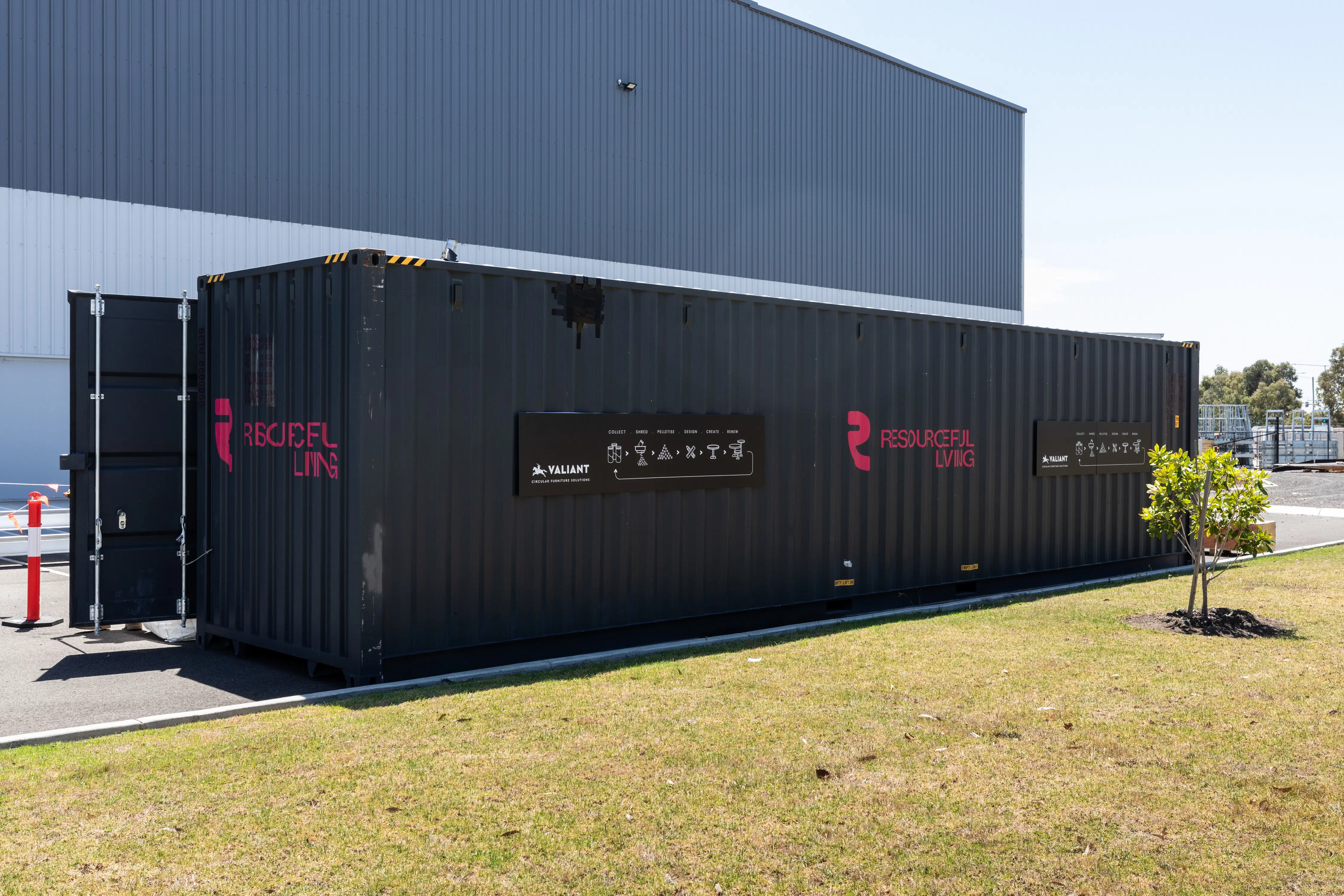
Our onsite mobile recycling unit is a perfect example of how we’re shortening the supply chain. We process waste closer to the source, reducing the carbon footprint of the recycling process itself.
Why Traditional Materials are Losing the Carbon War
For a long time, treated timber was the go-to for outdoor infrastructure and commercial fit-outs. But in 2026, the "True Cost" of timber is becoming harder to justify. Beyond the maintenance issues and the chemicals used in treatment, the carbon sequestration benefits of timber are often overstated when you factor in the emissions from logging, processing, and eventual decomposition (which releases methane in landfills).
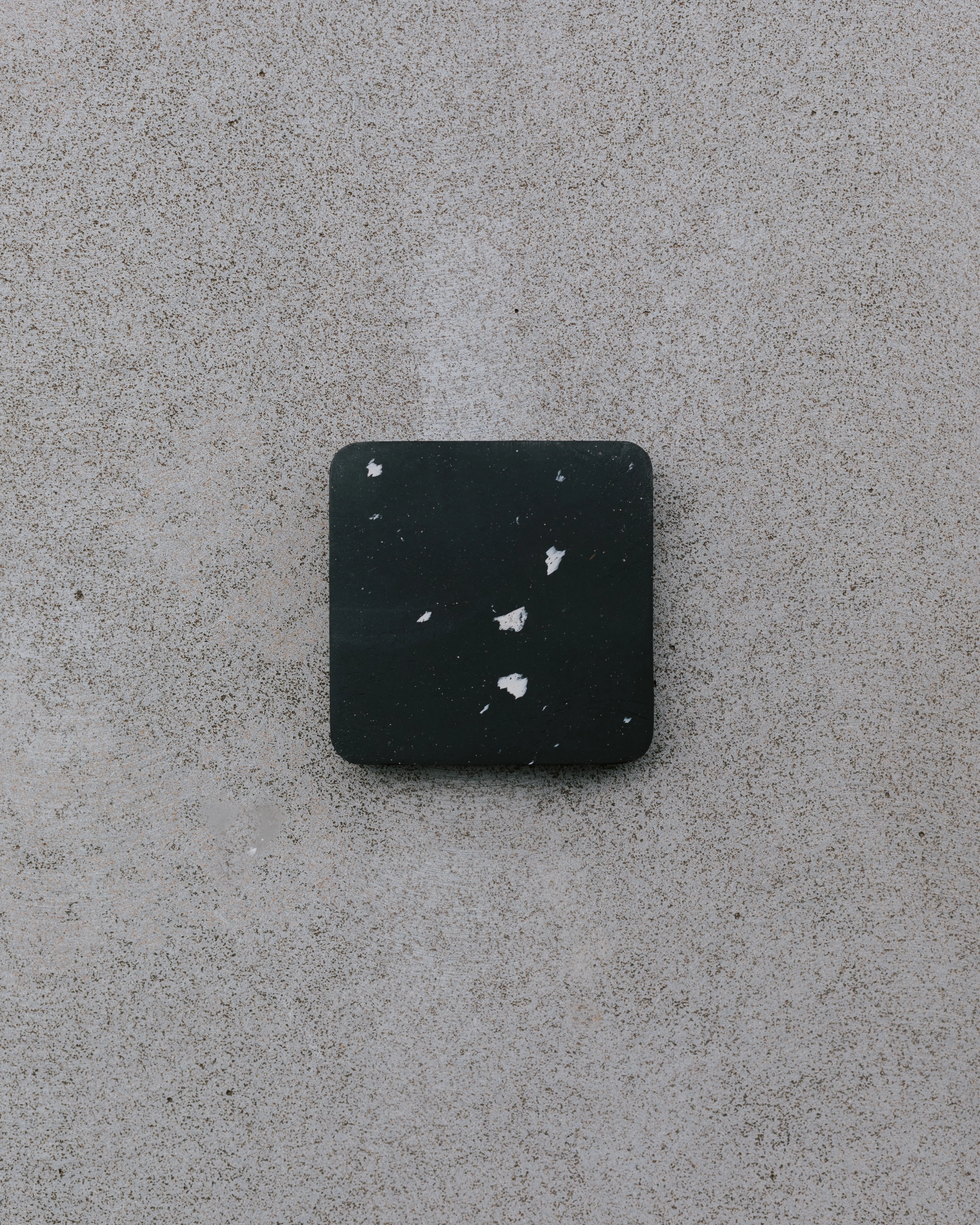
Recycled plastic, on the other hand, acts as a carbon sink for waste that would otherwise be incinerated or left to degrade. It is weather-resistant, rot-proof, and: most importantly: fully recyclable.
When you use a Resourceful Living panel, you aren't just delaying waste; you are participating in a closed-loop manufacturing system. At the end of the product's life, we take it back and turn it into the next generation of materials. That is how you truly master embodied carbon.
5 Steps to Reducing Embodied Carbon in Your 2026 Projects
If you're a developer, architect, or procurement officer, here is how you can practically apply this:
- Prioritise Material Efficiency: Use fewer materials through better design. Check out our Designer’s Cheat Sheet for tips on designing for circularity.
- Specify Recycled Content: Look for materials with a high percentage of post-consumer recycled content. Aim for 100% Australian-made to keep transport emissions low.
- Ask for Data: Demand Environmental Product Declarations (EPDs). If a supplier can't tell you the CO2 impact of their product, they haven't done the work.
- Avoid High-Emission "Basics": Where possible, swap virgin plastics and treated timbers for recycled HDPE.
- Plan for Deconstruction: Ensure the materials you use today don't become the embodied carbon problem of tomorrow. Use mechanical fixings instead of glues so materials can be reclaimed.
Common Pitfalls (And How to Fix Them)
Many teams make the mistake of focusing solely on the "recycled" label without looking at the broader context. In our guide on 7 mistakes you’re making with sustainable construction materials, we highlight that "sustainable" doesn't always mean "low carbon" if the product has to travel 10,000 kilometres to get to your site.
The Fix: Source local. By supporting Australian manufacturing, you’re not just lowering your carbon footprint: you’re also building a more resilient, transparent supply chain.
The Bottom Line: Carbon is the New Currency
In 2026, embodied carbon is no longer an "extra." It is a core performance indicator. Whether you’re trying to hit an ESG target, win a government contract, or simply do the right thing for the planet, the materials you choose today define your legacy.
Switching to recycled plastic building materials isn't just a design choice; it's a strategic move to future-proof your business against rising carbon costs and stricter regulations.
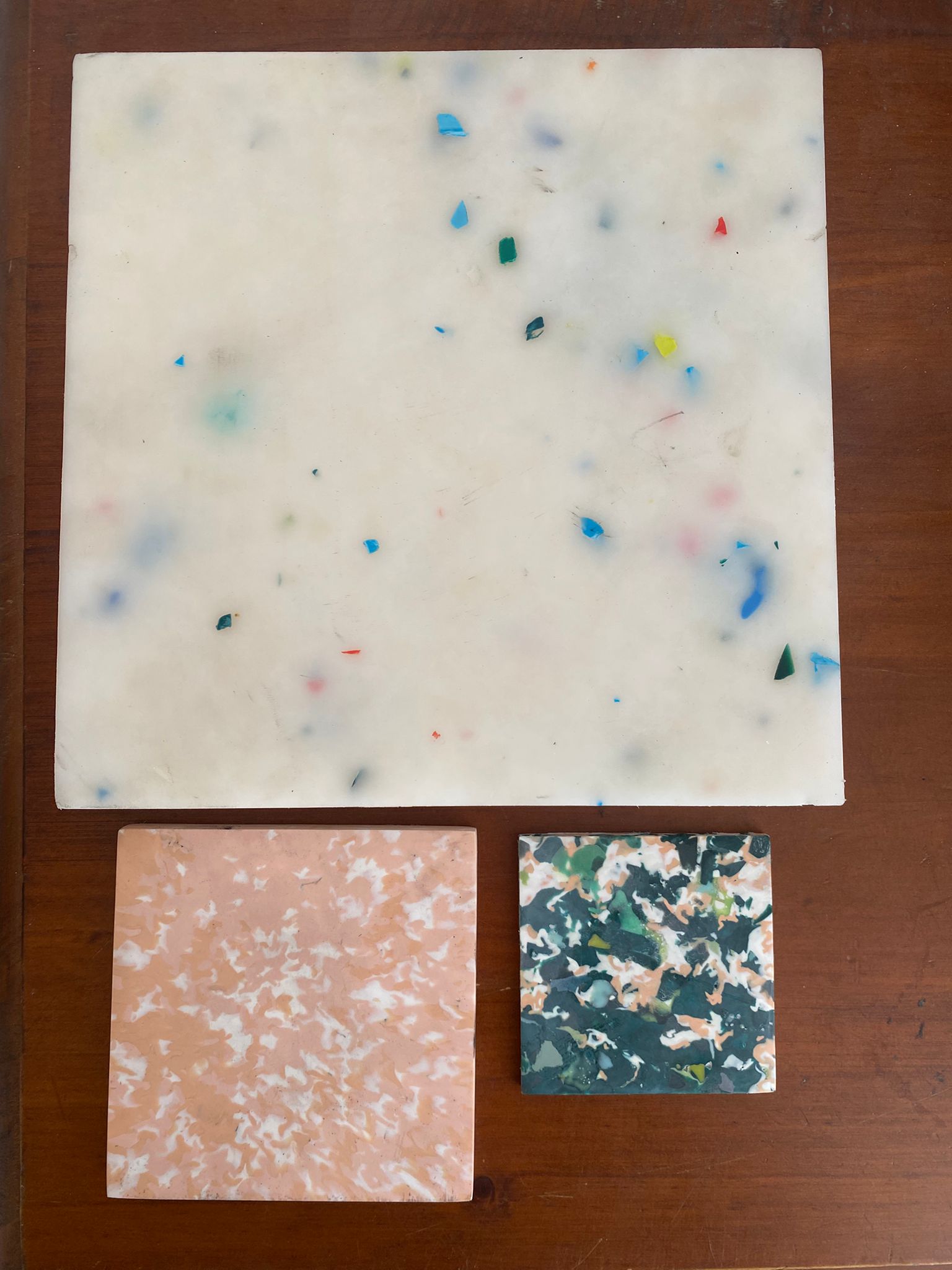
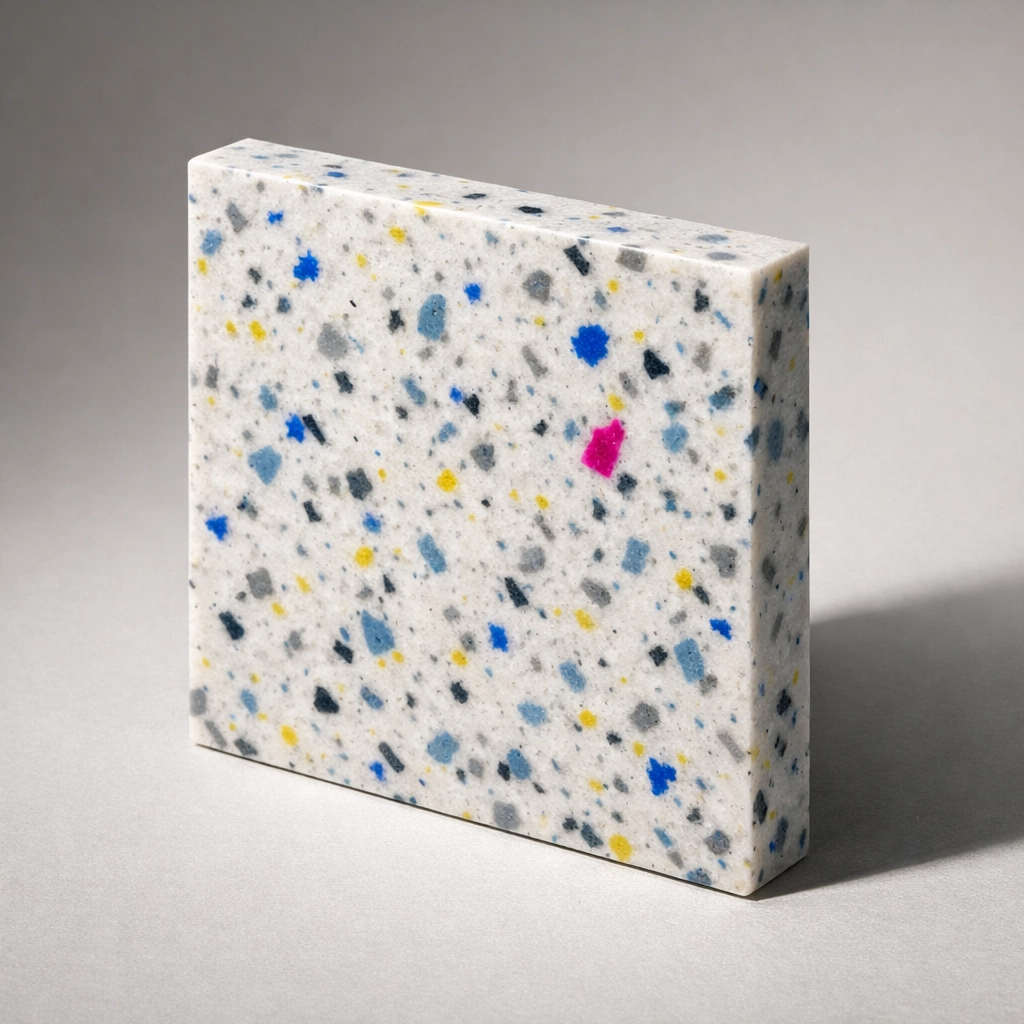
At Resourceful Living, we’re here to help you navigate this shift. From our N70 White Confetti panels to bespoke infrastructure solutions, we provide the materials that make low-carbon building a reality.
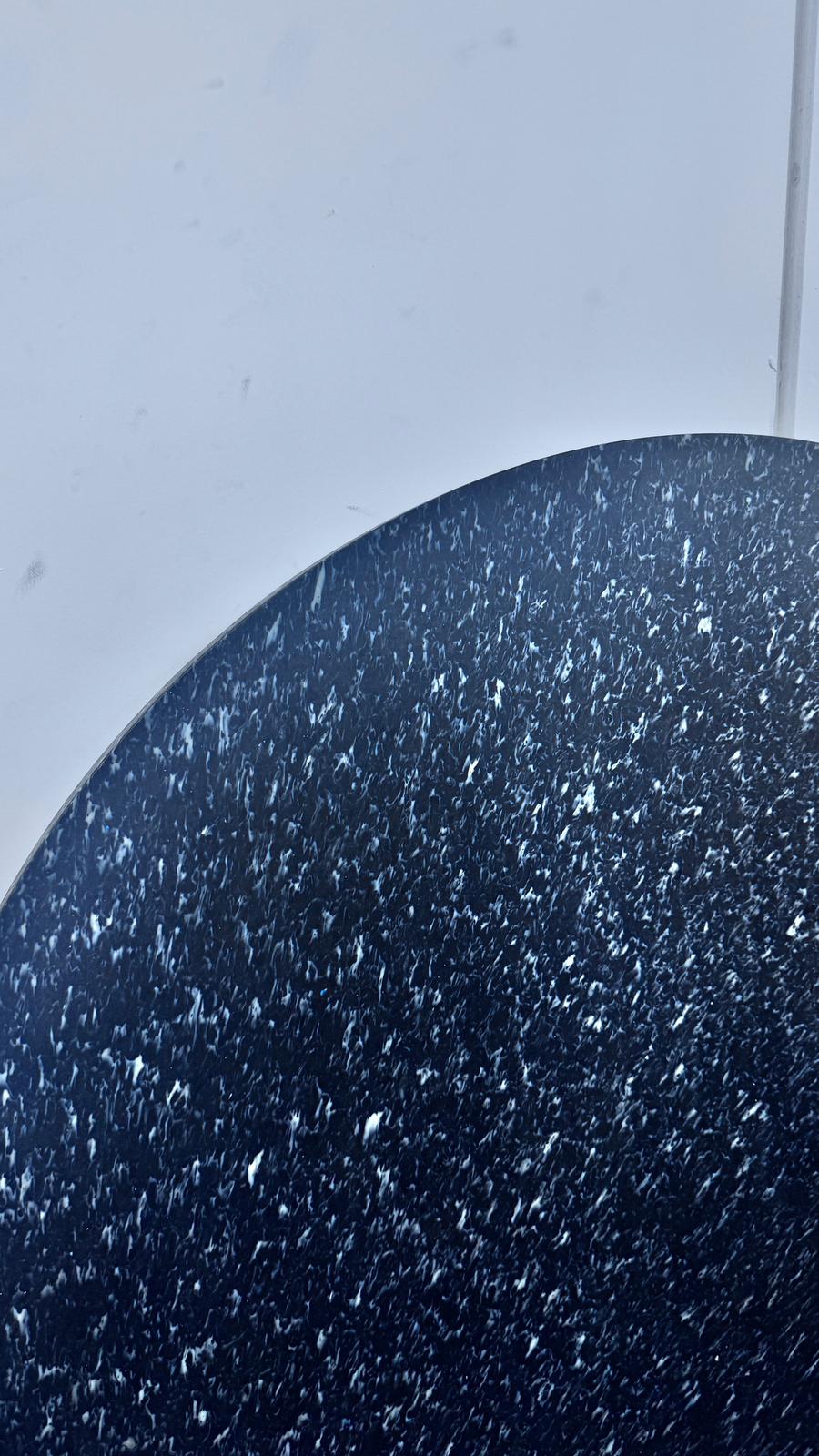
Ready to lower the carbon footprint of your next project? Let’s stop talking about "one day" and start building for 2030, right now. Explore our range of 100% recycled Australian materials and see how easy it is to make an impact.