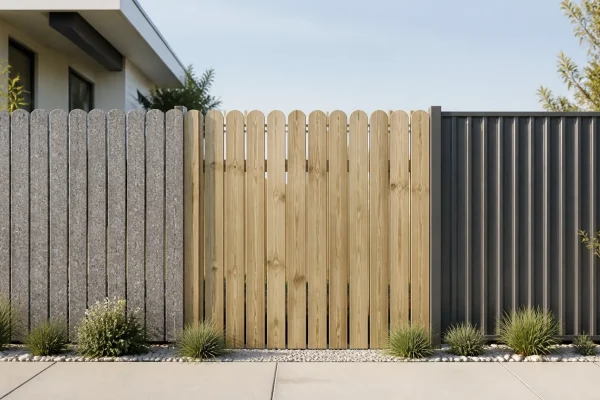
The Australian construction landscape is shifting. With the rise of Circular Construction 2026 and tightening regulations on embodied carbon, builders and designers are no longer just looking for "green" alternatives: they are looking for high-performance materials that solve waste problems while hitting strict project KPIs.
Enter the recycled plastic sheet. Once relegated to niche DIY projects, these heavy-duty panels are now becoming the go-to for sustainable building materials in Australia. Whether you’re working on a commercial retail fit-out, a government infrastructure project, or high-end storage solutions, mastering the use of recycled plastic sheets is a competitive advantage you can't afford to ignore.
In this guide, we’ll break down everything you need to know about specifying, sourcing, and installing recycled plastic sheets in Australia.
What Exactly Are Recycled Plastic Sheets?
At their core, these are large-format panels engineered from post-consumer and post-industrial plastic waste. At Resourceful Living, we focus on transforming 100% Australian waste: things like milk bottles, soft plastics, and industrial offcuts: into solid, structural-grade sheets.
The Industry Standard: 2400mm x 1200mm
In the construction world, size matters. To truly replace traditional materials like plywood, MDF, or plasterboard, recycled plastic needs to fit existing workflows. That’s why our standard sheets are manufactured in the 2400 x 1200mm format.
- Thickness Range: Typically available from 10mm to 30mm, depending on the structural requirement.
- Composition: Often made from HDPE (High-Density Polyethylene) or LDPE, providing a mix of rigidity and impact resistance.
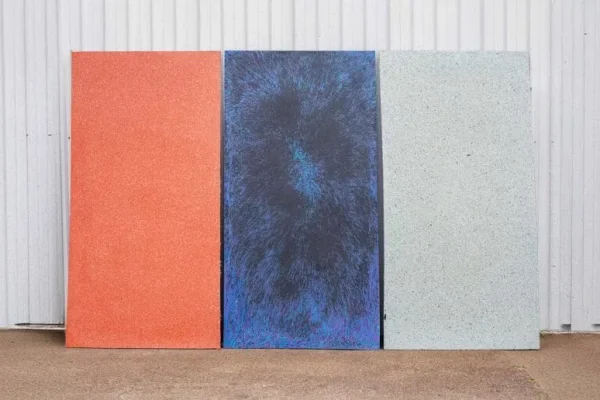
- Finish: From smooth, "stone-like" finishes to textured surfaces designed for high-traffic retail environments.
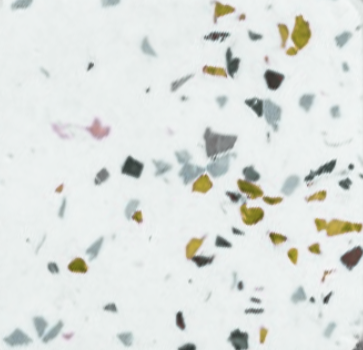
Close-up of a 100% recycled plastic sheet in 'N70 White Confetti' style. Ideal for construction and retail displays.
Why the Switch? Recycled Plastic vs. Traditional Materials
If you’ve been using timber or concrete for decades, why change now? The answer lies in durability and lifecycle costs.
1. Timber vs. Recycled Plastic
Timber rots, swells, and requires constant staining or sealing, especially in the harsh Australian climate. Recycled plastic sheets in Australia are inherently waterproof and UV-stabilised. This makes them the ultimate choice for wet areas, outdoor furniture, and coastal infrastructure.
👉 Move over timber: Why the next generation of Aussie builders is picking plastic
2. Concrete vs. Recycled Plastic
While concrete has high compressive strength, it has a massive carbon footprint. Recycled plastic panels offer a significant reduction in embodied carbon and are much lighter, which reduces transport costs and onsite labour.
👉 Recycled plastic vs concrete: Which is actually better for structural infrastructure?
High-Value Applications for 2026
To hit those big sales targets and sustainability goals, you need to look at where these sheets provide the most value.
Commercial Retail Displays
Retailers are under pressure to prove their sustainability credentials. Using 100% recycled plastic for point-of-sale displays and shelving is a visible, tangible way to show customers that a brand is serious about the environment.
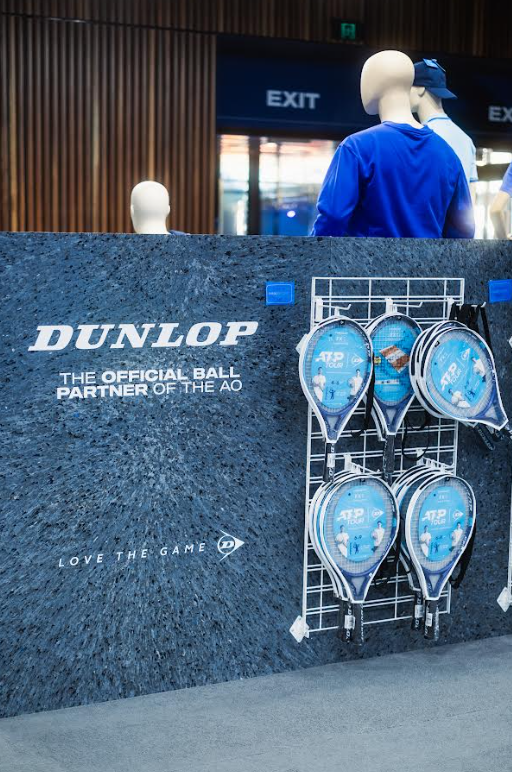
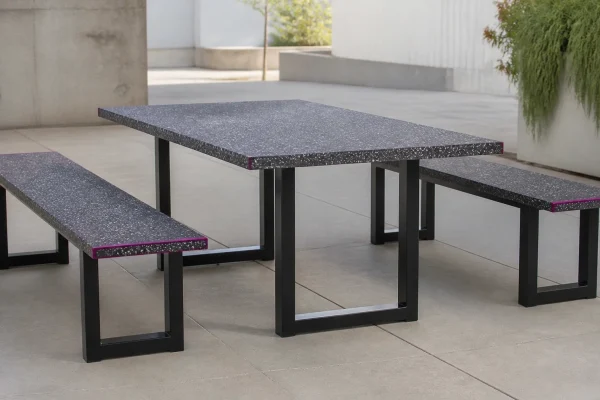
A retail display made from 100% recycled Australian plastic, demonstrating sustainable panel applications in commercial settings.
Construction & Formwork
Because the sheets are durable and easy to clean, they are increasingly used as sustainable alternatives for construction site hoarding, internal wall cladding, and even formwork where moisture resistance is critical.
Heavy-Duty Storage & Fit-outs
From school locker rooms to industrial shelving, these panels handle impact better than almost any other material on the market. They don't delaminate, they don't rust, and they can be hosed down at the end of the day.
The Technical Edge: How to Master the Specification
If you're a builder or architect, "sustainable" isn't enough: it has to work. Here’s how to ensure you’re specifying the right sustainable building materials in Australia.
✅ Check the Waste Source
Not all recycled plastic is created equal. Some "recycled" sheets contain as little as 10-20% recycled content. At Resourceful Living, our panels are 100% recycled Australian waste. This is crucial for hitting Net Zero targets.
✅ Understand Embodied Carbon
With the introduction of mandatory reporting, you need to know the CO2e/kg of your materials. Producing plastic from recycled material saves roughly 88% of the energy required for virgin plastic. This makes a massive difference in your embodied carbon reporting.
✅ Maintenance and End-of-Life
The true "mastery" of circular construction is ensuring the material never hits a landfill. Look for manufacturers that offer a take-back program. When a retail fit-out is decommissioned in 10 years, those sheets should be shredded and turned back into new panels.
Masterclass: Working with Recycled Plastic Sheets
You don't need a specialised toolkit to work with these panels. If you can work with timber, you can work with recycled plastic.
- Cutting: Use standard woodworking tools. A circular saw with a fine-toothed blade works best for clean edges.
- Fastening: Pre-drilling is recommended as the material is dense. Use stainless steel screws for outdoor applications to match the lifespan of the plastic.
- Expansion: Like all polymers, these sheets will expand and contract slightly with temperature changes. Always allow for a 3-5mm expansion gap in your designs.
- Finishing: The beauty is in the raw material. You don’t need to paint or laminate these sheets. The colour goes all the way through, meaning scratches are virtually invisible.
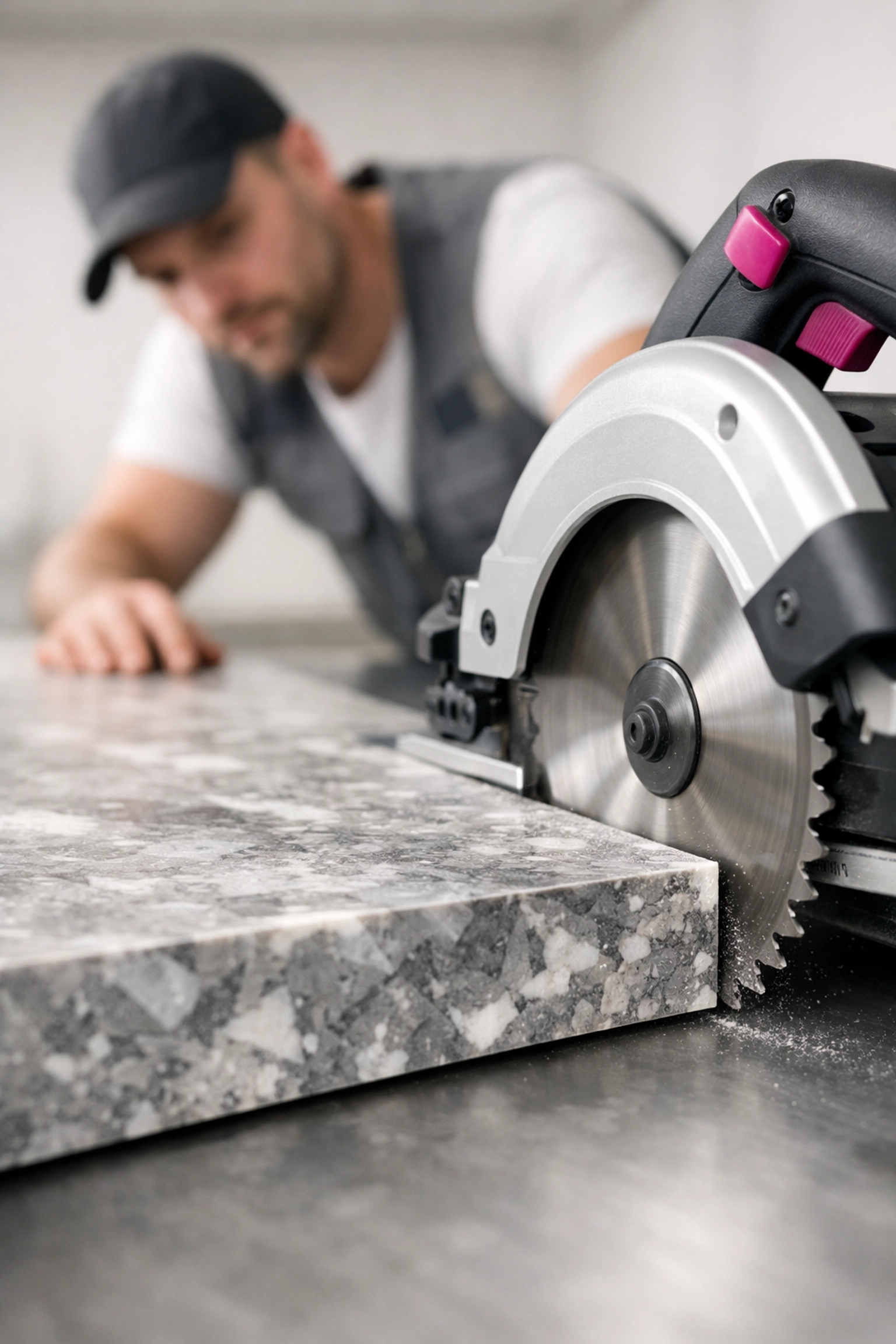
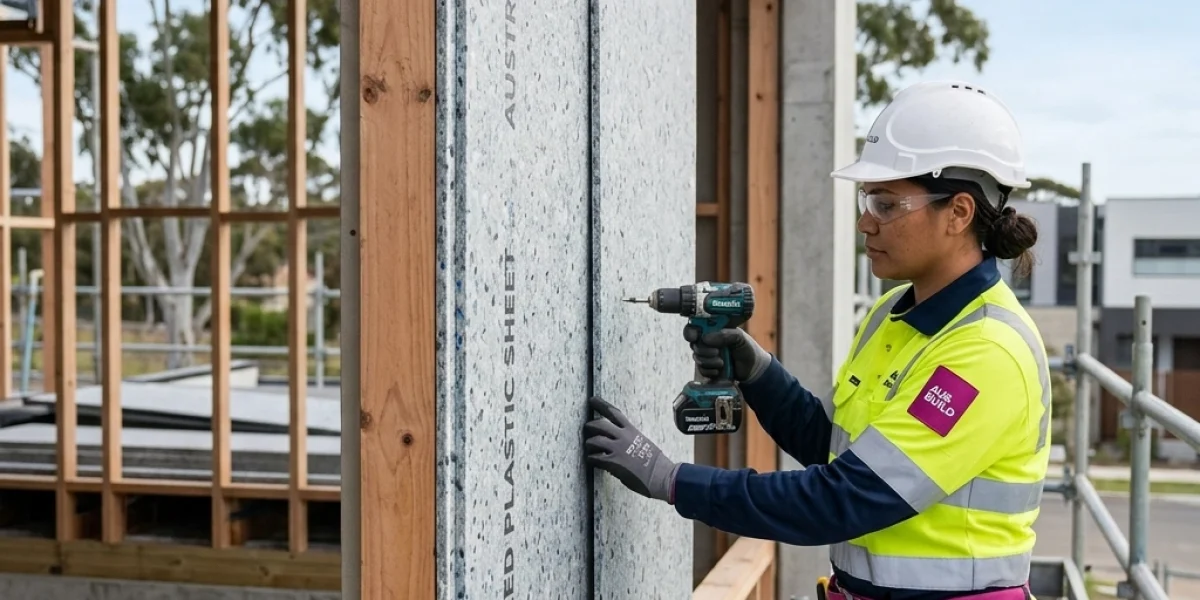
Caption: A professional builder using standard woodworking tools to cut a 2400x1200mm recycled plastic sheet onsite.
Meeting Government and Tender Requirements
In 2026, the "lowest price" is no longer the only factor in winning tenders. Local councils and state governments are now mandating recycled content percentages.
If you are bidding on a project, using 100% recycled plastic sheets can give you the edge over competitors using traditional, high-carbon materials.
- Step 1: Calculate the volume of waste you are diverting (e.g., "This project diverts 4 tonnes of soft plastic from Australian landfills").
- Step 2: Include the technical data sheets for durability and fire ratings.
- Step 3: Highlight the circular nature of the material.
For a deeper dive into winning these contracts, check out our guide on 5 steps to meet recycled content targets and win tenders.
The "Resourceful Living" Difference: Traceability
One of the biggest risks in the "green" market is greenwashing. How do you know that "recycled" sheet actually came from waste?
We operate with full transparency. Our onsite mobile recycling units and industrial facilities process local waste directly into panels. When you buy our recycled plastic sheets in Australia, you aren't just buying a board; you're buying a piece of the Australian circular economy.
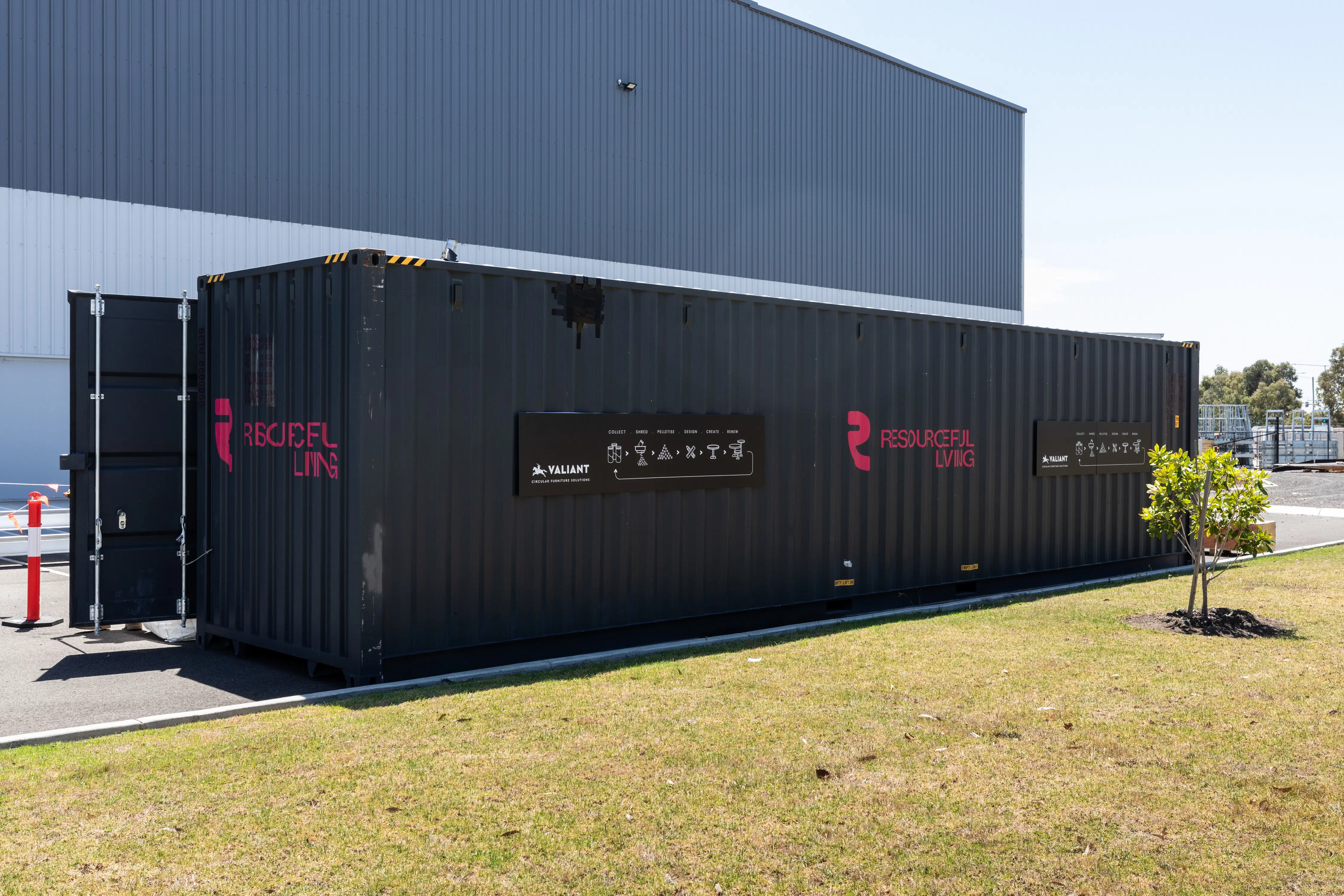
Resourceful Living’s onsite processing unit. We turn 100% Australian plastic waste into sustainable panels and products.
Summary Checklist for Your Next Project
To master sustainable building materials in Australia, keep this checklist handy:
- Standard Size: Ensure your design uses 2400 x 1200mm sheets to minimise waste.
- Recycled Content: Confirm it is 100% recycled (not a blend).
- Locally Sourced: Opt for Australian-made to reduce transport emissions and support local industry.
- Durability: Check that the material is UV-stabilised and waterproof for the specific application.
- End-of-Life: Verify there is a take-back scheme in place to close the loop.
The shift toward Circular Construction 2026 is already happening. By mastering the use of recycled plastic sheets now, you’re not just building better structures: you’re building a better future for the Australian construction industry.
Ready to specify recycled plastic for your next project? Browse our range of high-performance sheets here or get in touch with our team to discuss custom sizes and colours.