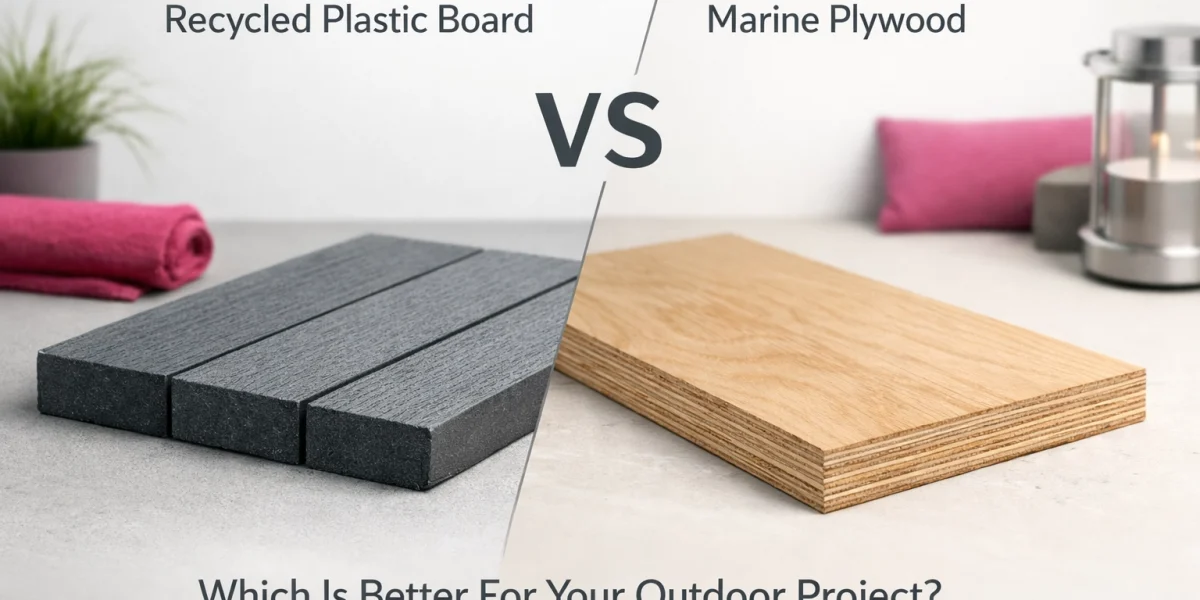
If you’re planning an outdoor build, whether it’s a high-end deck, a custom planter box, or a rugged outdoor kitchen, you’ve likely stood in the timber aisle at the local hardware store staring at the price tag of marine plywood.
For decades, marine ply has been the "gold standard" for anything that might get a splash of water. But as we move into a more sustainable and tech-forward era of construction, we have to ask: Is "good enough" actually good enough anymore?
When you compare traditional timber products to a modern recycled plastic board, the gap in performance, longevity, and environmental impact is staggering. Let’s break down the "Old Guard" versus the "New Wave" to see which material deserves a spot in your next project.
What is Marine Plywood? (The Traditional Choice)
Marine plywood is a high-quality structural plywood made with waterproof glue (usually phenolic resin) and high-grade veneers. Unlike standard ply, it has no core gaps, which prevents water from getting trapped inside the layers.
However, it is important to remember one critical fact: Marine plywood is still wood.
Even with the best glues in the world, the organic fibres of the wood remain susceptible to the elements. Without constant maintenance, we’re talking annual sanding, sealing, and painting, marine ply will eventually succumb to the Australian sun and humidity.
What is Recycled Plastic Board? (The Circular Alternative)
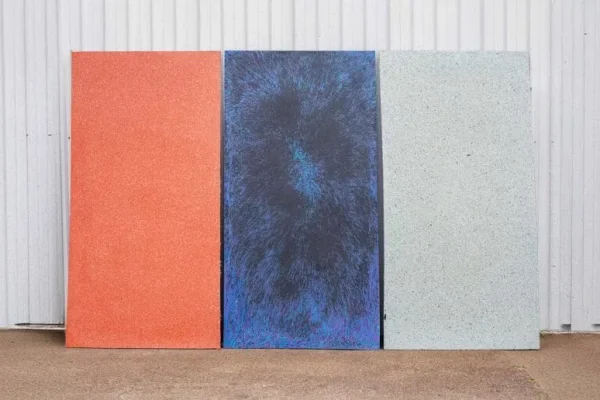
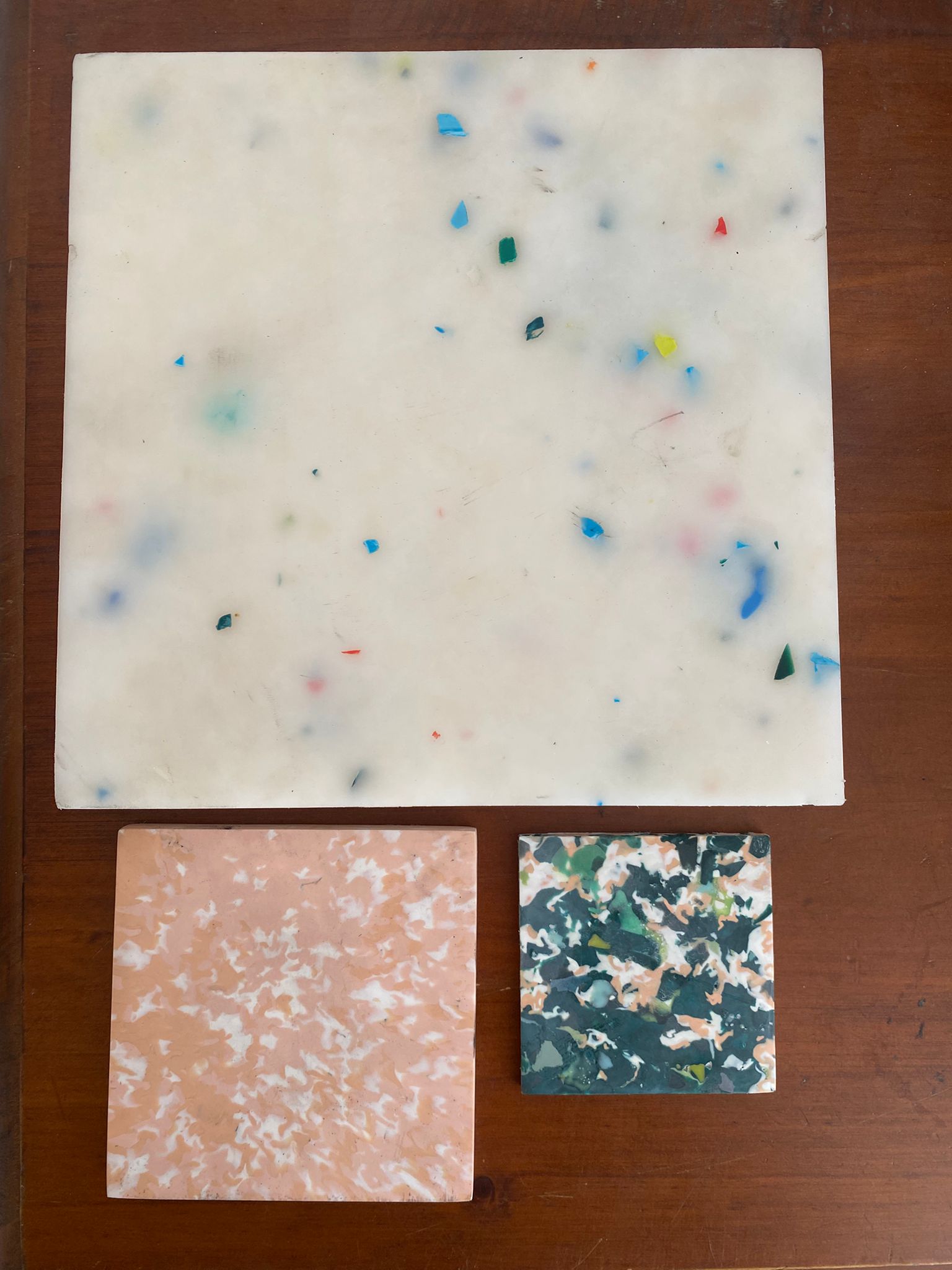
At Resourceful Living, we manufacture our recycled plastic board from 100% post-industrial and post-consumer plastic waste, specifically HDPE (High-Density Polyethylene) and LDPE (Low-Density Polyethylene).
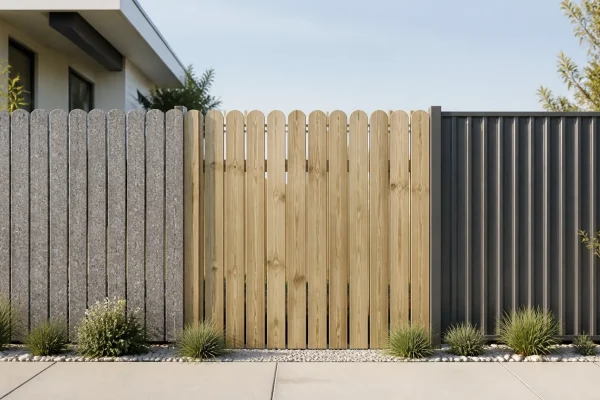
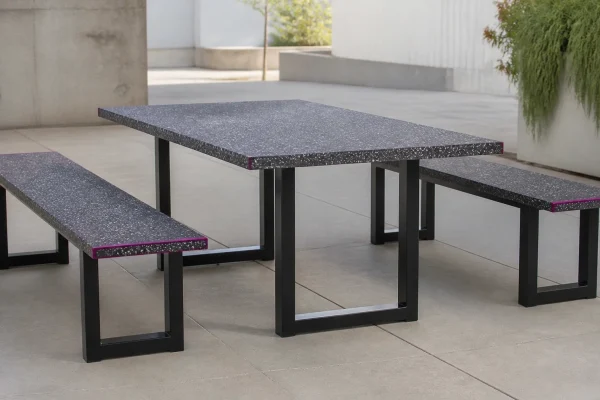
These aren't just "plastic sheets." They are engineered panels designed to replace timber in heavy-duty applications. Because they are made from non-porous polymers, they don't just "resist" water; they are entirely impervious to it.
Head-to-Head: The Breakdown
When you're deciding between these two materials, you need to look at more than just the upfront cost. You need to look at the Life Cycle Cost.
1. Lifespan: 10 Years vs. 50+ Years
Marine plywood, if perfectly maintained, might give you 10 to 15 years in a harsh outdoor environment before the layers start to delaminate or rot sets in.
In contrast, a recycled plastic board is built to last. We estimate a lifespan of 50+ years. Because it doesn't biodegrade and isn't affected by moisture, the board you install today will likely look the same when your grandkids are running the house.
2. Maintenance: The "Set and Forget" Factor
This is where the real "hidden cost" of timber kicks in. To keep marine plywood functional, you need to:
- Seal every edge meticulously.
- Re-coat with UV-rated paint or varnish every 12-24 months.
- Check for soft spots or fungal growth.
With recycled plastic board, your maintenance schedule consists of… well, nothing. If it gets dirty, you hit it with a hose or a bucket of soapy water. It doesn't need oil, it doesn't need stain, and it will never, ever rot. For a deeper look at this, check out our guide on how to choose the best recycled plastic board.
3. Pest and UV Resistance
Termites don't eat plastic. Neither do marine borers or carpenter ants. While marine plywood is often treated with chemicals to ward off pests, those chemicals can leach into the soil over time.
Our boards are naturally UV stabilised. While timber turns grey and "silver" under the Australian sun due to lignin breakdown, our recycled panels hold their structural integrity and colour much longer.

The Sustainability Truth: Closing the Loop
One of the biggest misconceptions in the building industry is that timber is always the "greenest" choice because it's "natural." While timber does sequester carbon, the reality of the timber industry involves high-energy processing, chemical treatments, and the eventual end-of-life problem: treated timber cannot be easily recycled.
When marine plywood reaches the end of its life, it usually heads straight to a landfill.
At Resourceful Living, we operate on a closed-loop manufacturing model. Every recycled plastic board we produce is:
- Made from waste: We divert tonnes of plastic from landfill and oceans.
- 100% Recyclable: If you decide to renovate in 20 years, you can bring the boards back to us.
- Part of a "Take-Back" Program: We will shred your old boards and turn them into brand-new sheets.
This is a true circular economy in action.
Comparison Table: Marine Ply vs. Recycled Plastic
| Feature | Marine Plywood | Recycled Plastic Board |
|---|---|---|
| Expected Lifespan | 10–15 Years (with maintenance) | 50+ Years |
| Water Resistance | High (but porous) | 100% Waterproof |
| Maintenance Required | Sanding, Sealing, Painting | None (Wash only) |
| UV Resistance | Poor (Fades/Cracks) | Excellent (UV Stabilised) |
| Sustainability | Renewable but high waste | 100% Recycled & Recyclable |
| Workability | Standard wood tools | Standard wood tools |
| End of Life | Landfill | Take-Back Program |
Workability: Can You DIY with Plastic?
A common question we get from home renovators and DIYers is: "Do I need special tools to work with recycled plastic?"
The answer is a resounding no.
You can treat recycled plastic board almost exactly like timber. You can use your existing:
- Table saws and circular saws.
- Drills and drivers.
- Routers (it creates beautiful, clean edges).
- Sanders (to smooth out any rough cuts).
The only major difference is that plastic expands and contracts slightly more with temperature changes than timber does. Just like when you're installing a floating floor, you just need to leave a small expansion gap.
Why the Upfront Investment Pays Off
We won't sugarcoat it: recycled plastic board can have a higher upfront price point per sheet compared to mid-range marine ply. However, looking at the "sticker price" is a mistake.
When you factor in the cost of:
- High-quality marine sealant and paint ($100+ per project).
- The time spent maintaining the wood every year.
- The cost of replacing the entire structure in 12 years.
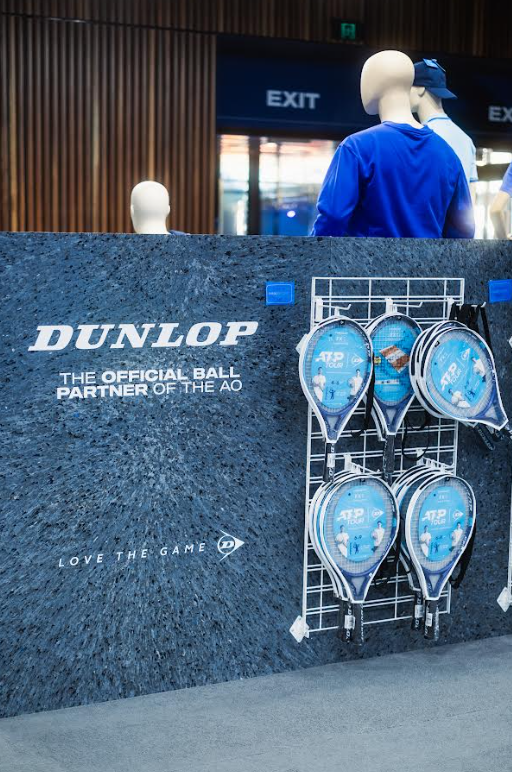
The ROI (Return on Investment) of recycled plastic becomes clear. You’re essentially buying a "lifetime" product. We’ve seen Australian councils switching to recycled plastic for exactly this reason: it saves taxpayers thousands in long-term maintenance.
"In the long run, timber is actually costing your business: and your home: more than you think." : Jess Hodge, Resourceful Living Sales
Common Applications for Outdoor Projects
If you're wondering where to start, here are some of the most popular ways our customers use our boards:
- Outdoor Kitchen Cabinetry: Say goodbye to swollen doors and peeling veneers.
- Planter Boxes: Since the material is non-toxic and doesn't rot, it's perfect for soil contact.
- Animal Shelters: Chicken coops and dog houses stay hygienic because they can be hosed out easily.
- Pool Area Storage: Total resistance to chlorine and salt water.
- Pontoon & Marine Decking: The ultimate test for any material.
Ready to Make the Switch?
Choosing the right material isn't just about how the project looks on Day 1. It’s about how it looks on Day 3,000.
By choosing a recycled plastic board, you’re making a choice for durability, for your schedule (no more painting!), and for the planet. You are actively participating in the solution to Australia's plastic crisis by giving waste a permanent, functional home.
If you’re ready to stop the "rot-and-replace" cycle, check out our full range of recycled plastic construction materials.
Don't settle for material that dies. Build with material that lives on.
Key Takeaways for Your Next Build:
- Marine Ply is a short-term fix for a long-term environment.
- Recycled Plastic Board offers a 50+ year lifespan with zero rot.
- Standard woodworking tools are all you need for installation.
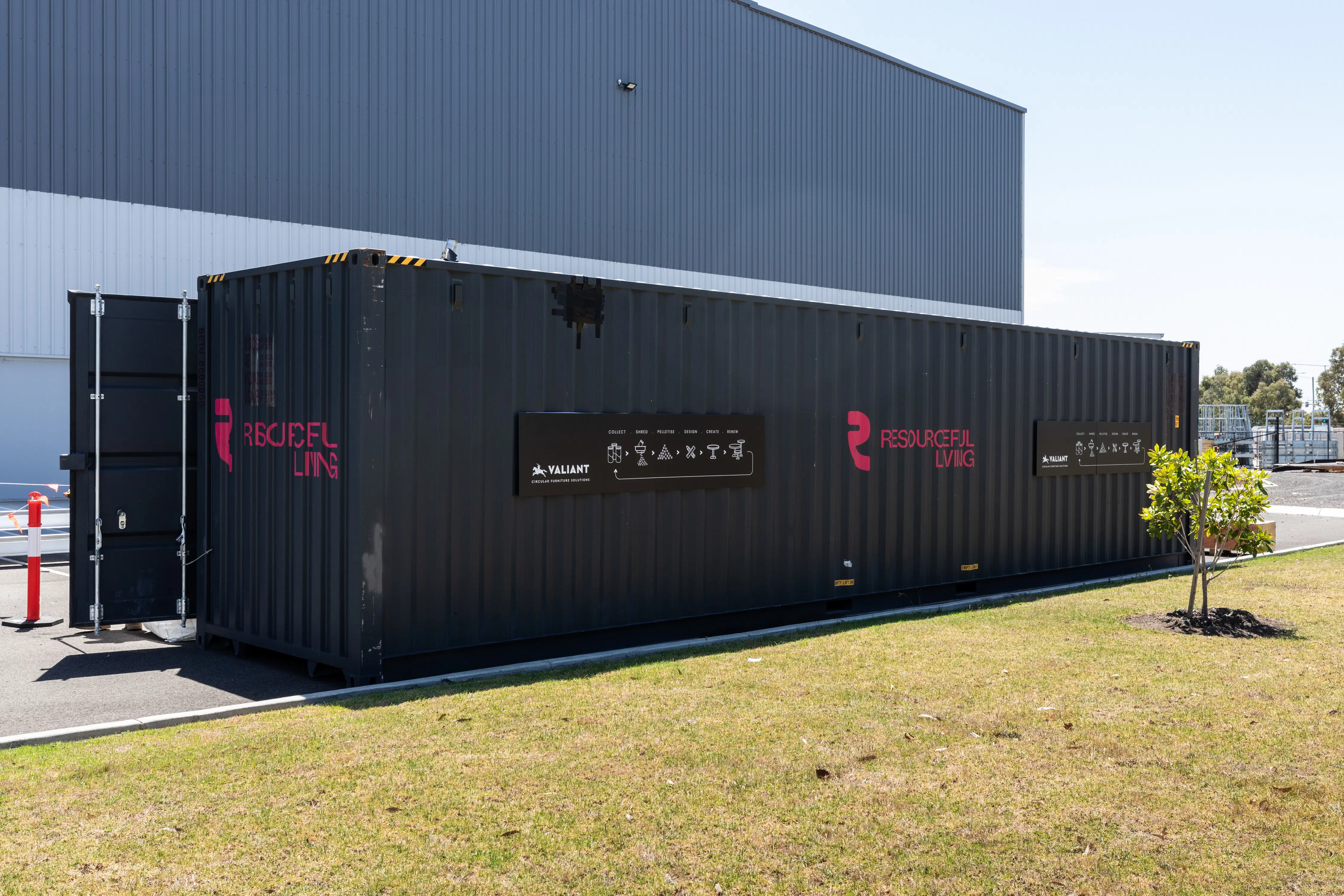
- Our on-site shredding units ensure that our process remains traceable and truly sustainable.