If you’ve been working in the Australian construction industry for a while, you’re used to seeing "90% landfill diversion" on site reports. For a long time, that was the gold standard. If it didn't end up in a hole in the ground, we called it a win.
But as we move through 2026, the goalposts have shifted. Government tenders, Green Star ratings, and embodied carbon reporting standards now demand more than just "not throwing it away." They demand circularity.
The gap between "landfill diversion" and a "true circular system" is where most projects are currently losing value: both environmentally and financially. In this guide, we’re breaking down why simple diversion isn't enough anymore and how to ensure your project meets the rigorous circular construction 2026 requirements.
1. The Landfill Diversion Trap: Why Your Stats Might Be Lying
Landfill diversion is a broad metric. It simply tracks what didn't go to the tip. The problem is that it doesn't account for downcycling.
When we talk about sustainable building materials in Australia, we have to look at the "highest and best use" of a material.
- Diversion: Crushing high-grade plastic or timber into low-grade fill or burning it for energy.
- Recovery: Transforming that same waste back into a structural product that can be used: and recycled: again.
In 2026, if you are downcycling your site waste, you aren't being circular; you're just delaying the inevitable trip to the landfill. To truly understand how this affects your bottom line, you might want to look at why circular construction in 2026 will change how you value site waste.
2. The 100% Rule: No Additives, No Veneers, No Excuses
One of the biggest hurdles to true recovery is contamination. Many "recycled" products hitting the Australian market are actually composites. They might contain 40% recycled plastic mixed with 60% sawdust, glues, or resins.
"A material that cannot be recycled at the end of its life isn't a circular solution: it's a dead end."
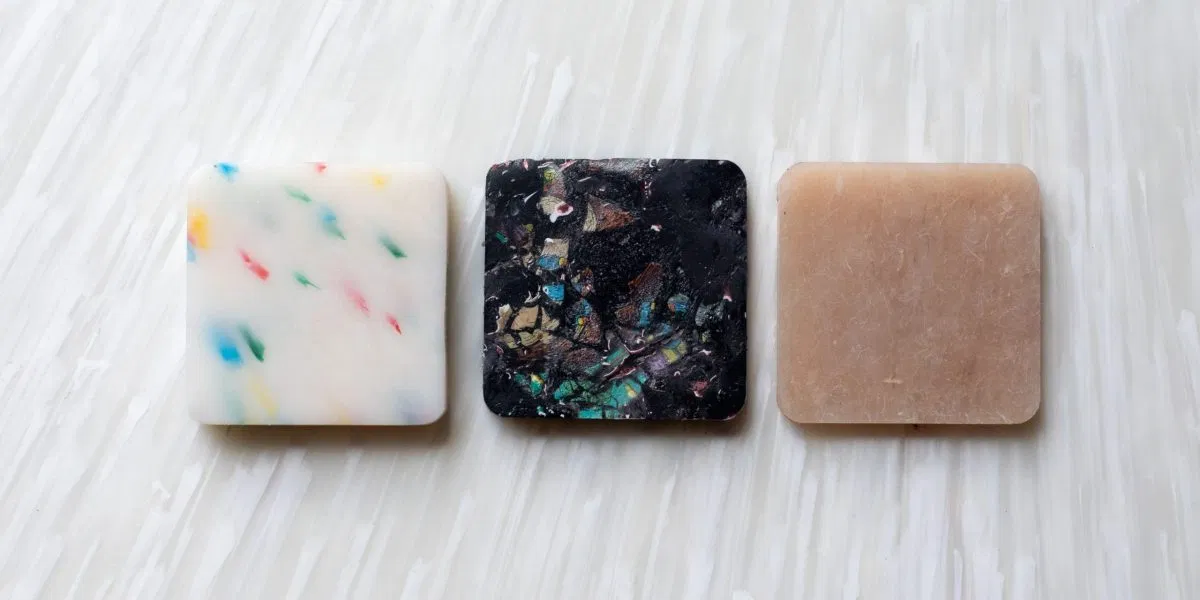
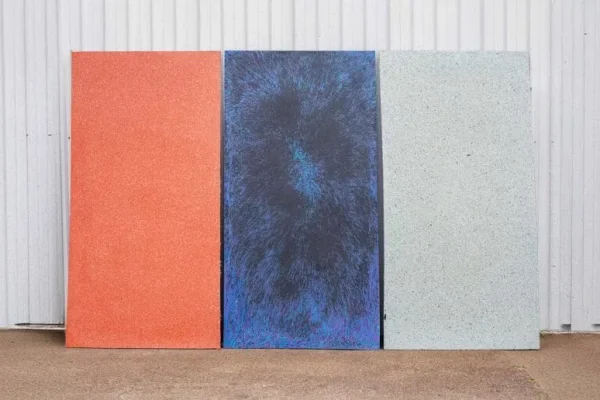
For a project to be truly circular, the materials you choose must be 100% recyclable. At Resourceful Living, we manufacture our sheets from 100% recycled Australian HDPE (RHDPE). There are no resins, no glues, and no toxic additives. This means that when a hoarding board or a fit-out panel reaches the end of its life, it doesn't need "special processing": it just goes right back into the shredder to become a new sheet.

3. Why "Australian Made" is Non-Negotiable for Circularity
You cannot have a circular economy that relies on a 10,000km supply chain. If you are importing "recycled" sheets from overseas, you've already lost the circularity battle before the material even arrives on site.
Local traceability is the backbone of the 2026 mandates. When you use Australian Made materials, you are:
- Reducing Transport Emissions: Drastically lowering the embodied carbon of your project.
- Verifying the Source: Knowing exactly what went into the material (essential for embodied carbon reporting).
- Ensuring Recovery: Local manufacturers can actually take the material back. An offshore factory isn't going to pay to ship your offcuts back to Europe or Asia.
We take this seriously. Every panel we produce is backed by the Australian Made and Owned certification. This ensures your project supports local industry while meeting the strictest environmental audits.
4. Closing the Loop: The Resourceful Living Take-Back Program
The "Recovery" phase of the waste hierarchy is where the magic happens. To support circular construction 2026, we don't just sell you a product and walk away. We offer a dedicated take-back program.
When your project is finished: whether it's in 12 months or 20 years: we take our HDPE sheets back. We shred them, melt them, and press them into new panels for the next project. This is a closed-loop system in its purest form.
How our recovery process works:
- Step 1: You specify Resourceful Living 100% recycled plastic sheets.
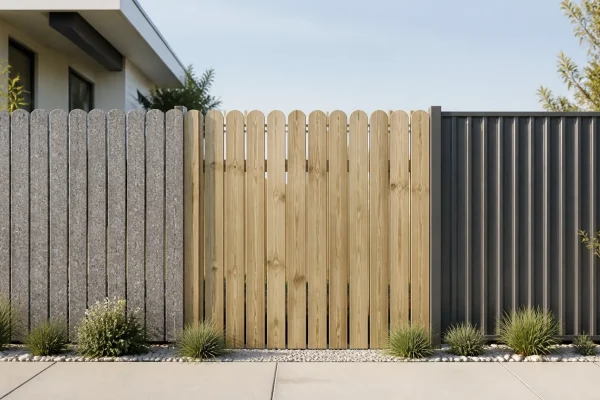
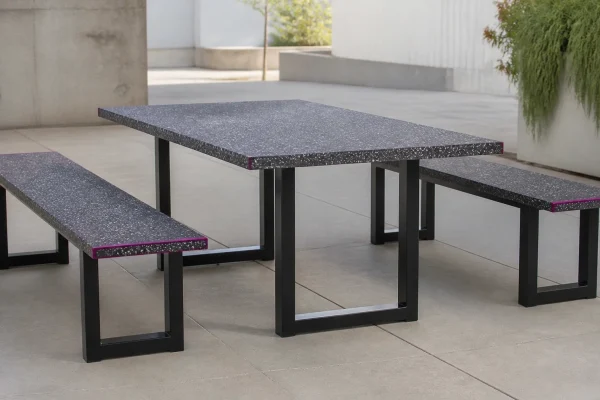
- Step 2: The material serves its purpose (as retained walls, hoarding, or furniture).
- Step 3: At end-of-life, we collect the material.
- Step 4: The material is re-processed in our Australian facility.
- Step 5: New products are created, and you receive a certificate of circularity for your ESG reporting.
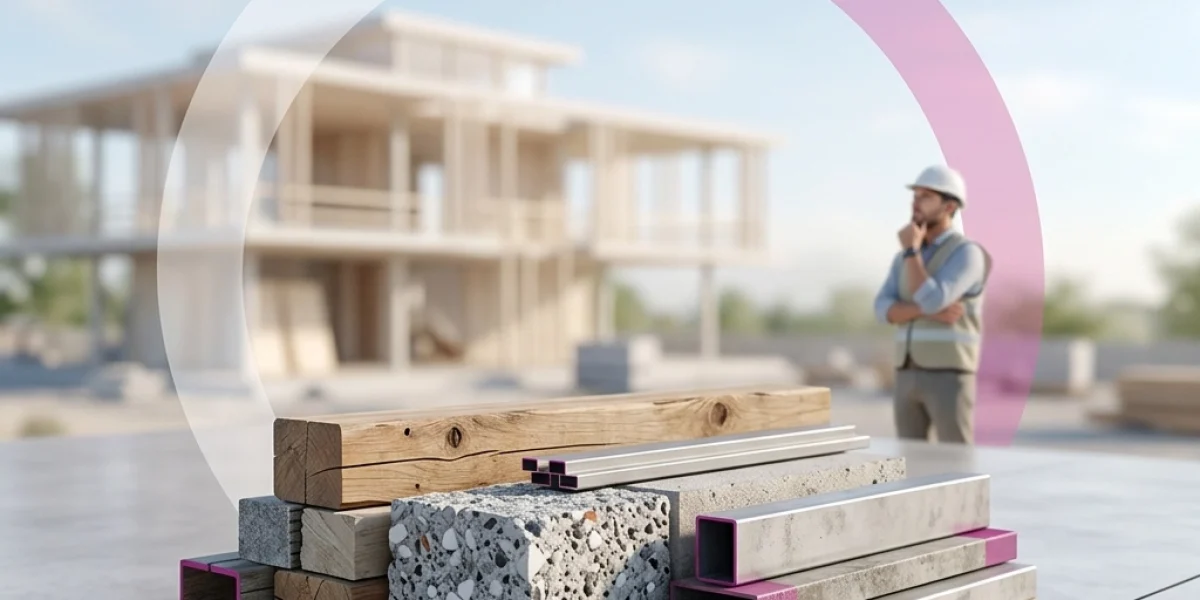
5. Comparing Recovery Potential: Plastic vs. Timber vs. Concrete
When choosing sustainable building materials in Australia, it's helpful to compare how "recoverable" they actually are.
| Material | Recovery Rating | Circular Potential |
|---|---|---|
| Timber (Treated) | Low | Usually downcycled to mulch or sent to landfill due to chemical treatments. |
| Concrete | Medium | Can be crushed for road base (downcycling), but rarely becomes new structural concrete. |
| Resourceful Living RHDPE | High | 100% recyclable back into the same high-value product indefinitely. |
If you're weighing up your options, check out our deep dive on recycled plastic vs. timber to see how the numbers stack up over the long term.

6. Practical Steps to Move Beyond Landfill Diversion
Transitioning to a recovery-focused model doesn't have to be a headache. Here is how you can implement these changes on your next Australian project:
✅ Audit Your Procurement
Ask your suppliers for a Certificate of Origin and a Product Specific EPD. If they can't prove the material is 100% Australian waste with zero additives, it’s not a circular product. For more tips on this, read our guide on 10 things you should know about local traceability.
✅ Design for Disassembly
Don't glue or weld your recycled panels if you don't have to. Use mechanical fixings (screws, bolts) that allow the panels to be removed cleanly at the end of the project. This keeps the material "clean" for our recycling process.
✅ Separate at the Source
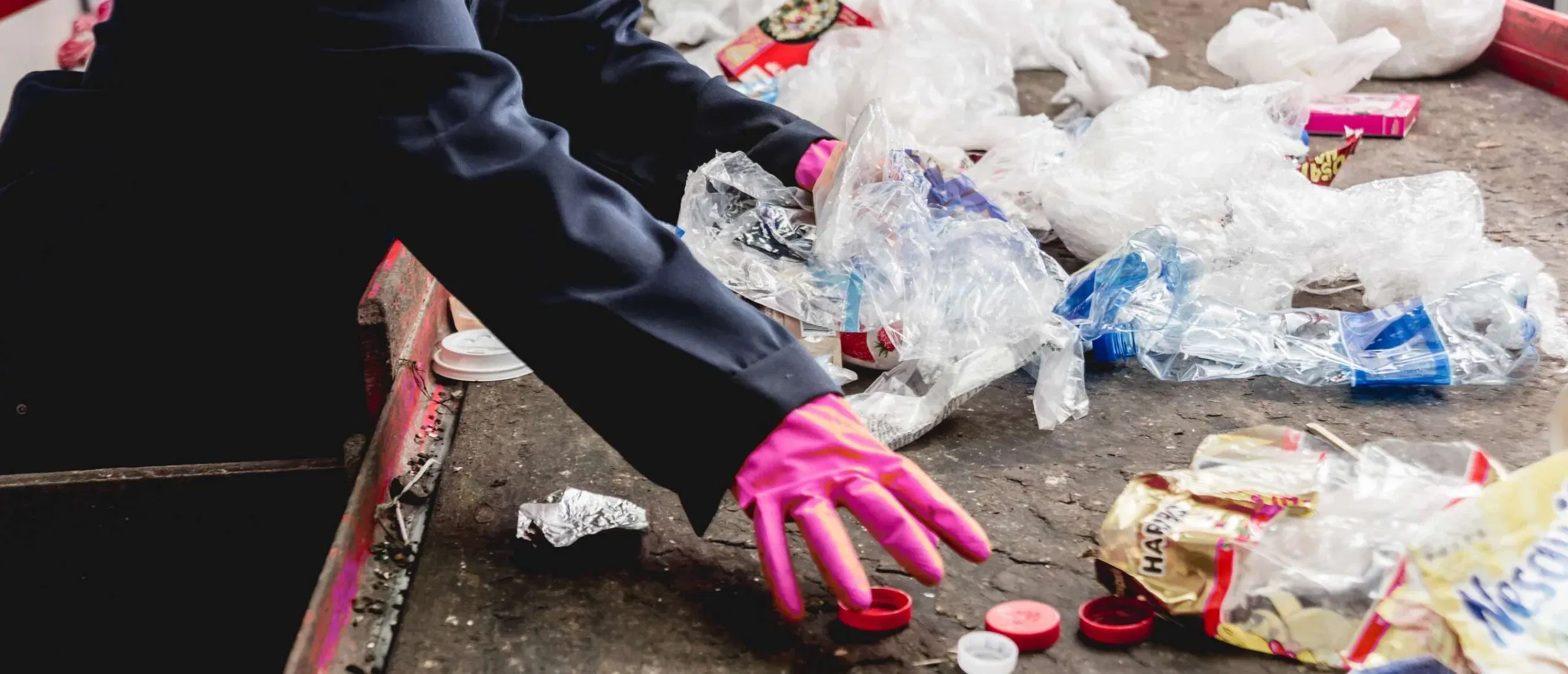
Encourage your site teams to separate plastics from general C&D waste. When waste is mixed, the cost of "recovery" skyrockets. When it's clean, it's a valuable resource.
Why This Matters for 2026 Tenders
The Australian government is increasingly looking at Circular Economy Procurement as a weighted criteria. It’s no longer enough to say you'll recycle; you have to show how you are keeping materials in the economy.
By using 100% recycled, Australian-made HDPE with a guaranteed take-back scheme, you aren't just doing the right thing for the planet: you're future-proofing your business. You are moving from being a "waste generator" to a "resource manager."
The Bottom Line
Landfill diversion was a great start for the 2010s, but in 2026, it’s the bare minimum. True recovery requires a commitment to local supply chains, pure material streams, and active take-back programs.
At Resourceful Living, we’re here to help you bridge that gap. Whether you're looking for durable retaining wall panels or bespoke internal fit-outs, we can ensure your project is a benchmark for circularity.
Ready to move beyond the skip bin? Let’s talk about how our 100% Australian recycled materials can transform your next site.