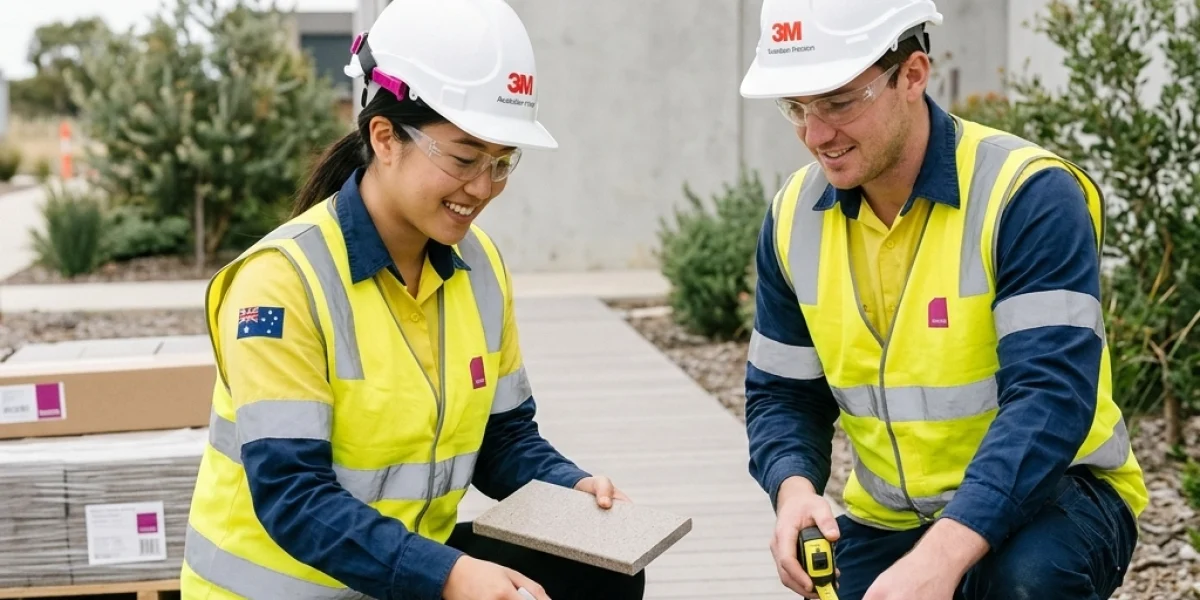
As we navigate through 2026, the landscape of the Australian building and construction industry has fundamentally shifted. For Tier 1 and Tier 2 builders, as well as local councils and government procurement officers, sustainability is no longer a "nice-to-have" or a marketing footnote. It is now a core contractual requirement.
With the Australian Government’s commitment to a circular economy by 2030 and increasingly stringent ESG (Environmental, Social, and Governance) reporting, the pressure is on to find sustainable building materials that aren’t just "greenwashed" but are backed by data and domestic reliability.
At Resourceful Living, we’ve seen first-hand how the circular economy in Australia construction is evolving from a concept into a daily operational reality. If you’re looking to hit your net-zero targets while supporting local industry, here is how 100% Australian-made recycled materials are the key to unlocking your next successful tender.
The Regulatory Shift: Why 2026 is Different
The days of simply ticking a box for "recycled content" are over. Today, procurement processes for major infrastructure and government projects require granular data. Whether it's meeting NABERS (National Australian Built Environment Rating System) standards or complying with the embodied carbon reporting requirements, every material choice is scrutinised.
State and federal governments are now prioritising the "ReMade in Australia" initiative. This means preference is given to materials that aren’t just recycled, but are recycled here, using Australian waste, to create Australian jobs. This reduces the carbon footprint associated with international shipping and ensures that our waste doesn't become another country's problem.
Key Drivers for Change:
- Net Zero 2050 Goals: Intermediate 2030 targets are forcing immediate changes in material procurement.
- Waste Export Bans: Australia’s strict rules on exporting plastic waste mean we must find domestic uses for our resources.
- Circular Economy Targets: A national goal of 80% resource recovery across all waste streams by 2030.
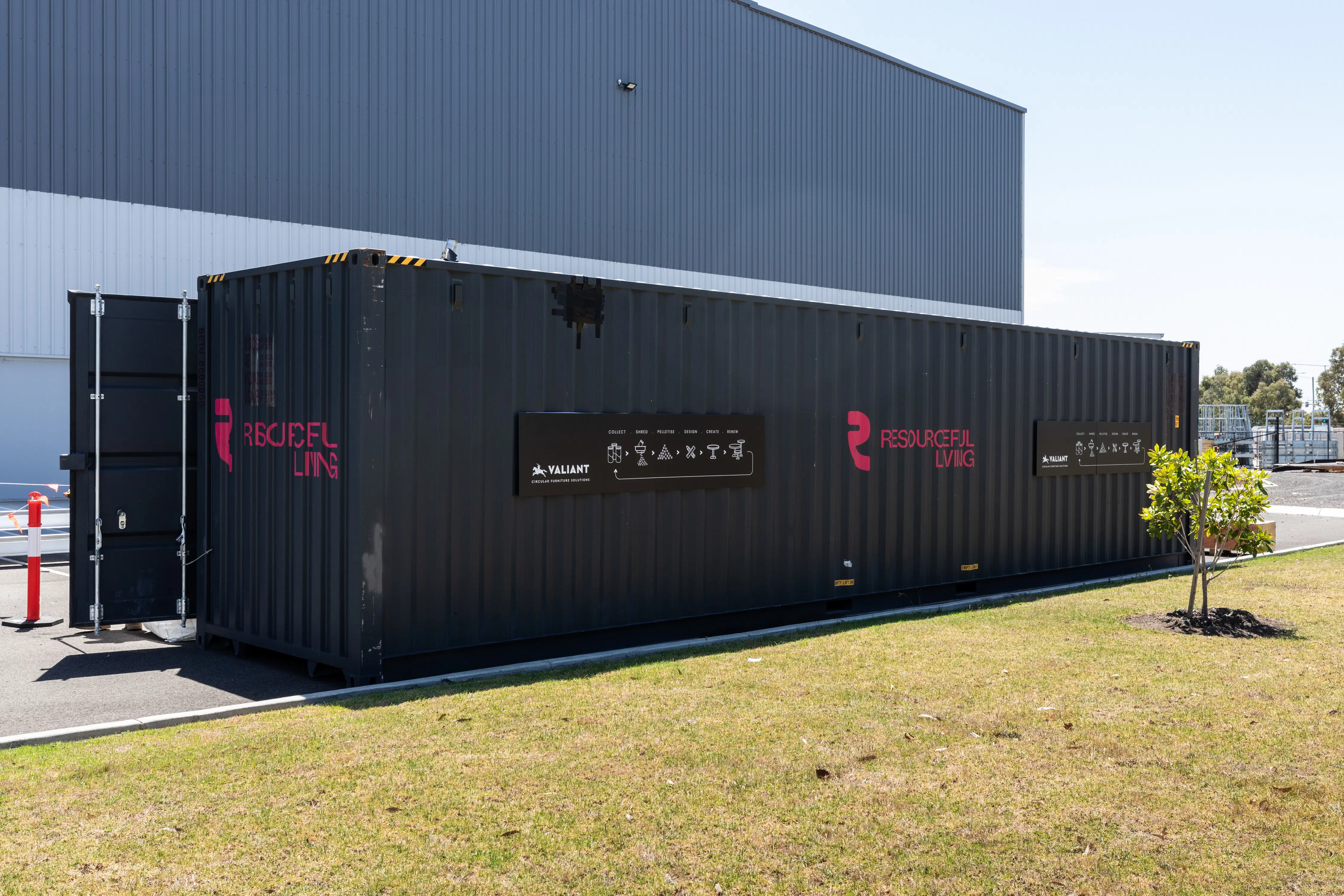
Understanding the Impact: 20kg of Waste Diversion Per Sheet
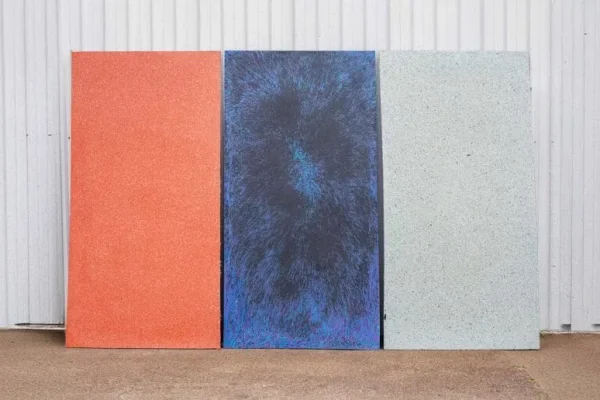
One of the most effective ways to communicate sustainability to stakeholders is through tangible metrics. At Resourceful Living, every single 100% recycled plastic sheet we produce diverts approximately 20kg of plastic waste from Australian landfills.
When you consider a medium-scale fit-out or a council park project using dozens: or hundreds: of these sheets, the impact scales rapidly. This isn't just about avoiding landfill; it's about resource productivity. We are taking high-density polyethylene (HDPE) and other polymers and turning them into a high-performance alternative to traditional timber, MDF, or virgin plastics.
Why Resourceful Living Panels Stand Out:
- 100% Recycled: No virgin "fillers" or imported resins.
- 100% Recyclable: At the end of its life, the material stays in the loop.
- Traceable Supply Chain: We know exactly where our waste comes from, providing the transparency required for modern ESG reporting.

Circular Economy vs. Traditional Linear Construction
The traditional "take-make-dispose" model is the primary reason the construction industry accounts for such a massive percentage of global waste. By switching to a circular model, builders can significantly lower the environmental impact of their projects.
In a circular economy australia construction context, the material's end-of-life is planned before it is even installed. This is where many builders fail in their tenders. If you can’t prove where the material goes when the building is eventually renovated or demolished, you aren't truly participating in a circular economy.
"The true value of a sustainable material isn't just in what it was, but in what it can become next. If it ends up in a landfill in 10 years, the cycle is broken." – Jess Hodge, Resourceful Living.
To help you avoid common pitfalls, we’ve put together a guide on 7 mistakes you’re making in circular construction that can cost you your next government contract.
Meeting ESG and NABERS Requirements
For Tier 1 builders, reporting on embodied carbon is now mandatory for many large-scale projects. Embodied carbon refers to the greenhouse gas emissions generated during the manufacturing, transportation, and installation of building materials.
By using locally manufactured, recycled materials, you achieve three things simultaneously:
- Lower Transport Emissions: Reducing the distance from factory to site.
- Lower Upstream Emissions: Recycled plastic requires significantly less energy to process than virgin plastic or the energy-intensive production of concrete and steel.
- Waste Credits: Direct diversion of waste can often be factored into project sustainability scores.
If you’re unsure if these materials can actually help you hit your specific targets, check out our deep dive: Can recycled plastic sheets really help you hit Net Zero?
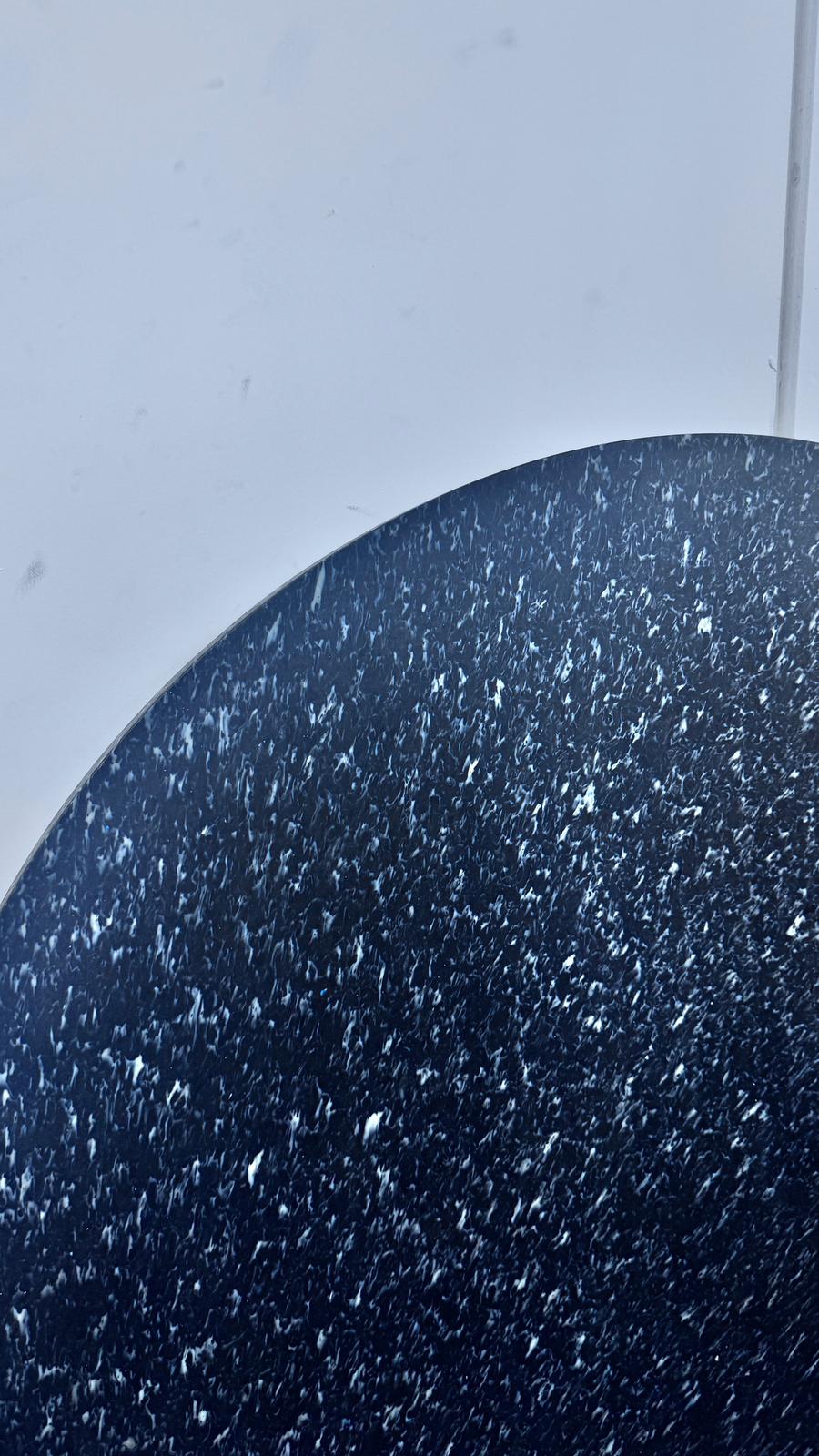
The Closed-Loop Take-Back Program: The Ultimate Sustainability Flex
One of the biggest concerns for government procurement is the long-term liability of materials. What happens to the "sustainable" panels in 15 years?
At Resourceful Living, we offer a Closed-Loop Take-Back Program. This means we don't just sell you a product; we offer a solution for its entire lifecycle. When a project is decommissioned or a fit-out is updated, we take the material back, granulate it, and turn it into new sheets.
This guarantees a zero-waste outcome and provides builders with the ultimate evidence for their ESG reports. You can learn more about the lifecycle of a recycled plastic panel on our dedicated process page.
Maintenance-Free Durability for Councils and Infrastructure
For local councils, the choice between timber and recycled plastic often comes down to long-term maintenance costs. Timber rots, requires painting, and eventually splinters.
Our recycled plastic panels are:
- UV Stabilised: Designed for the harsh Australian sun.
- Moisture Proof: They will never rot, swell, or harbour mould.
- Graffiti Resistant: Most paints and markers can be cleaned off without damaging the surface.
We’ve documented how these benefits play out in the real world in our case study on how an Australian council replaced rotting timber. It’s a perfect example of how sustainable choices are also the most fiscally responsible ones over the long term.
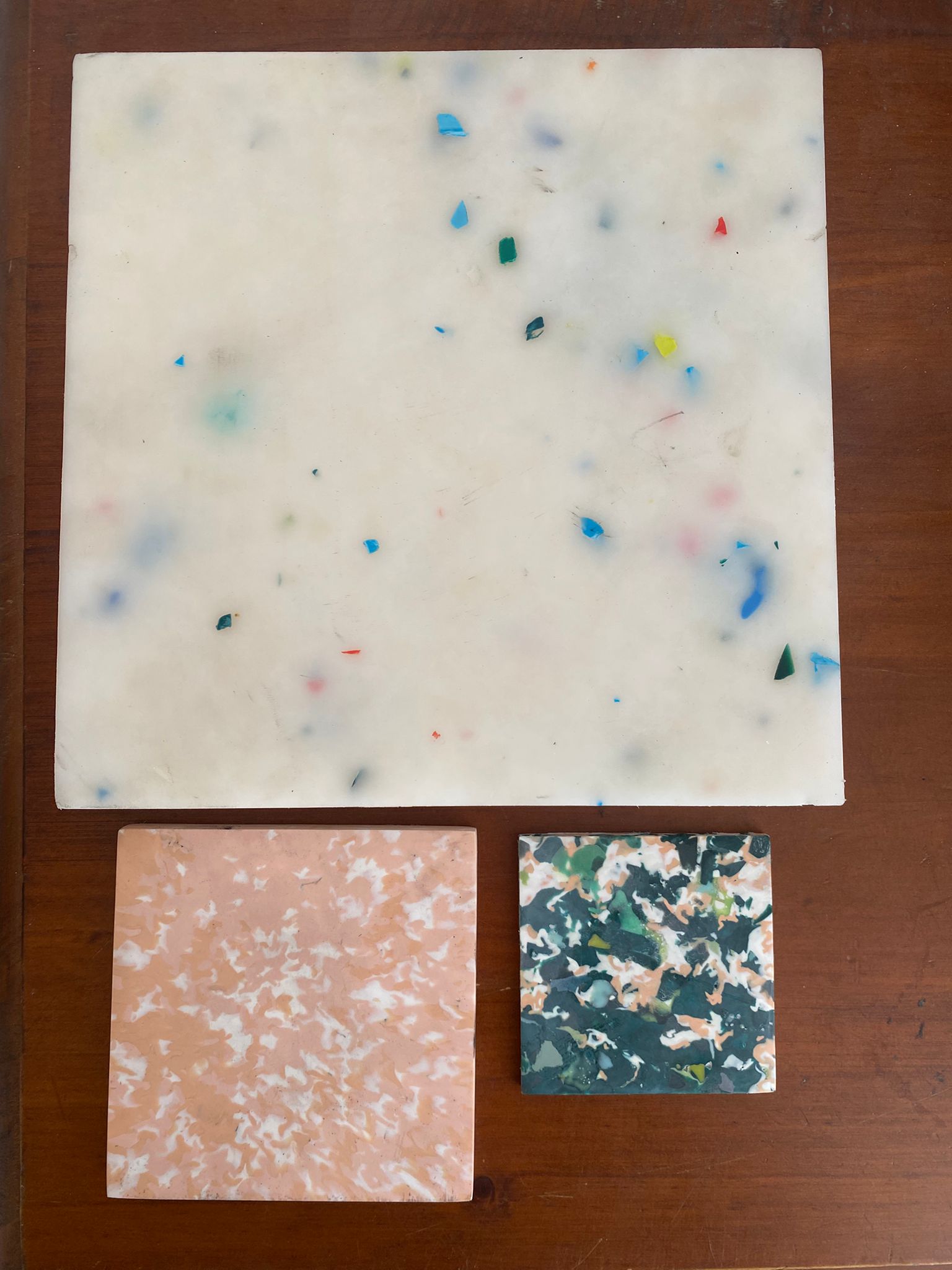
How to Implement These Materials in Your Next Tender
If you are preparing a bid for a government or large-scale private project, here is a quick checklist to ensure your material selection strengthens your position:
- Request a Circularity Statement: Don't just take a supplier's word for it. Ask for data on waste diversion and domestic origin.
- Verify End-of-Life Plans: Ensure there is a legitimate take-back program in place.
- Calculate the Carbon Save: Use the 20kg per sheet metric to provide a concrete "waste diverted" figure for your proposal.
- Highlight "Australian Made": Emphasise the supply chain security and the support of local industry, which aligns with "Future Made in Australia" policies.
Why Circular Construction is the Future
The shift we are seeing in 2026 isn't a temporary trend. It is a permanent restructuring of how we build. By choosing sustainable building materials that are manufactured locally from 100% recycled content, you aren't just meeting a target: you are future-proofing your business.
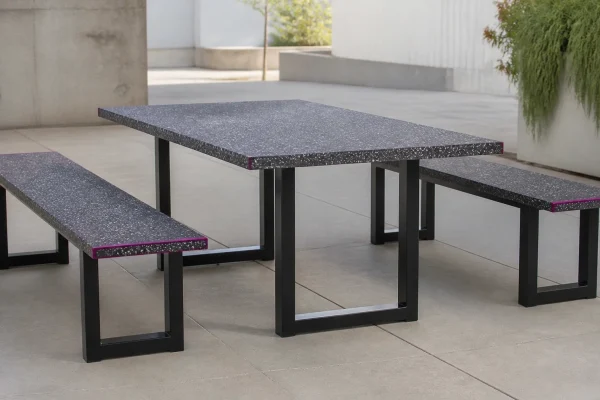
Whether you are designing retail displays, park furniture, or structural infrastructure, the material you choose sends a message about your organisation's values. As the industry moves toward more transparent reporting, being able to point to a truly circular, Australian-made product is your greatest competitive advantage.
Ready to see how our materials can fit into your next project? Browse our full product range or reach out to our team to discuss your specific sustainability targets. We’re here to help you build a more resourceful Australia, one sheet at a time.
For more insights on the changing industry, read our full report on why circular construction will change the way you buy materials forever.