The landscape of the Australian building industry has undergone a massive transformation. If you’re still sourcing materials the same way you did in 2020, you’re likely falling behind. By 2026, circular construction isn't just a buzzword used in sustainability reports; it’s a core requirement for winning tenders and meeting strict new Australian building codes.
For developers, architects, and builders, the shift toward sustainable building materials in Australia has moved from "voluntary green initiatives" to mandatory compliance. Whether you're working on a government infrastructure project or a private residential development, understanding circular procurement is now essential for your bottom line.
Here are the five critical things you need to know about circular procurement in 2026 and how you can adapt your material sourcing to stay ahead.
1. Circularity Is Now a Mandatory Procurement Requirement
Gone are the days when choosing a recycled product was simply a "nice to have" extra. In 2026, government and major commercial contracts now include circularity clauses as a standard part of the selection criteria.
The traditional linear model: take, make, and discard: is being phased out by regulatory bodies. Procurement teams are now required to demonstrate how materials are being kept in use for as long as possible. This means when you look for sustainable building materials in Australia, you aren't just looking for "recycled content." You are looking for materials that are:
- Recyclable at end-of-life: Can the material be processed back into the same high-quality product?
- Durable: Does it reduce the need for frequent replacement?
- Traceable: Can you prove where the waste came from?
For a deeper dive into why these rules have changed, check out our guide on why circular construction 2026 will change the way you buy materials forever.
2. Embodied Carbon Is the Metric That Matters Most
While energy efficiency (operational carbon) used to be the primary focus, the industry has shifted its gaze toward embodied carbon. This refers to the emissions generated during the extraction, manufacture, and transport of building materials.
In 2026, the Australian building sector is strictly monitoring these "upfront" emissions. If you are importing "recycled" materials from overseas, the carbon footprint of the shipping alone might disqualify you from meeting NABERS or Green Star targets.
"Embodied carbon can represent up to 50% of a high-performance building’s total emissions over its lifecycle. If you aren't measuring it at the procurement stage, you aren't building sustainably."
By choosing local manufacturers like Resourceful Living, you significantly slash the transport component of your embodied carbon reporting. You can read more about the new embodied carbon rules here to see how they impact your next project.
3. Transparency Through EPDs Is Non-Negotiable
In 2026, marketing claims like "eco-friendly" or "green" are no longer sufficient to pass a compliance check. Procurement professionals now demand Environmental Product Declarations (EPDs).
An EPD is a standardised document that provides transparent, verified data about the environmental impact of a product. It allows builders to make "apples-to-apples" comparisons between different sustainable building materials in Australia.
When sourcing materials in 2026, always ask for:
- ✅ Verified EPDs: Ensuring the data is third-party audited.
- ✅ Lifecycle Assessments (LCA): Understanding the impact from "cradle to gate" or "cradle to grave."
- ✅ Recycled Content Certification: Proof that the material isn't just "recyclable" but actually contains post-consumer or post-industrial waste.
Using data-backed materials is the only way to avoid the risks of greenwashing and potential legal repercussions under the tightened 2026 Australian Consumer Law guidelines.
4. Local Sourcing and Traceability Are Competitive Advantages
Supply chain disruptions over the last few years have taught the industry a valuable lesson: local is more reliable. In the context of circular construction 2026, local sourcing isn't just about logistics; it’s about the "closed loop."
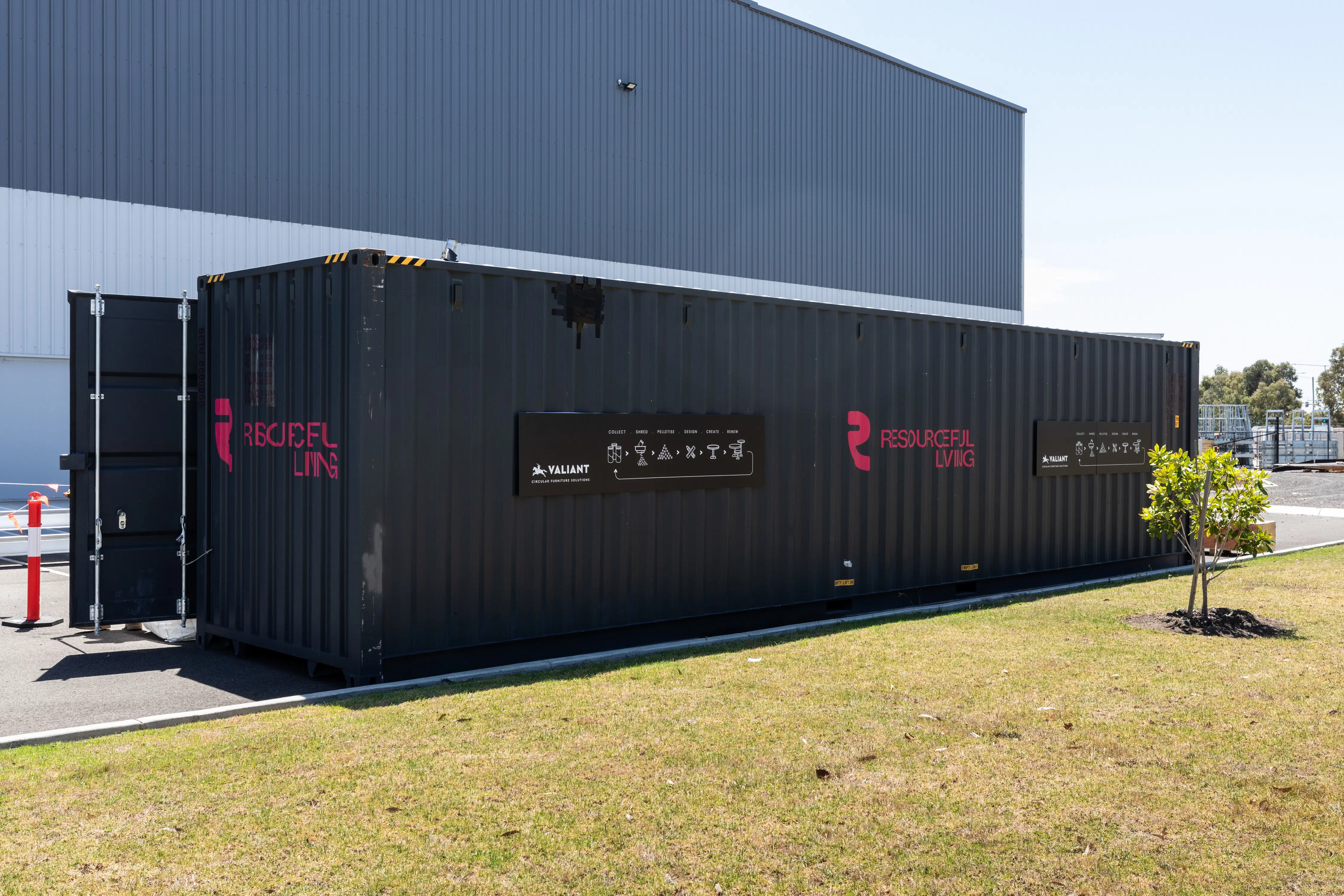
When you source materials locally, you have a direct line to the manufacturer. At Resourceful Living, we process 100% Australian plastic waste right here in New South Wales. This provides a level of traceability that imported materials simply cannot match. You can literally point to the waste stream: like commercial soft plastics or kerbside recycling: that went into your building's kitchen benchtops or internal wall cladding.

The Benefits of Australian-Made Circular Materials:
- Reduced Lead Times: No waiting on international shipping lanes.
- Lower Carbon Footprint: Drastically reduced transport emissions.
- Supporting Local Economy: Keeping jobs and innovation within Australia.
- Verified Waste Streams: Certainty that you are actually helping solve Australia's plastic crisis.
For more on how local manufacturing works, explore the lifecycle of a recycled plastic panel.
5. Designing for Disassembly (DfD)
The final pillar of circular procurement in 2026 is Design for Disassembly. This concept requires architects and builders to think about how a building will be "unbuilt" in 30, 50, or 100 years.
If you glue and screw materials in a way that they cannot be separated, they are destined for the landfill, regardless of how "sustainable" they were when they were bought. Circular procurement prioritises materials that can be easily removed and repurposed.
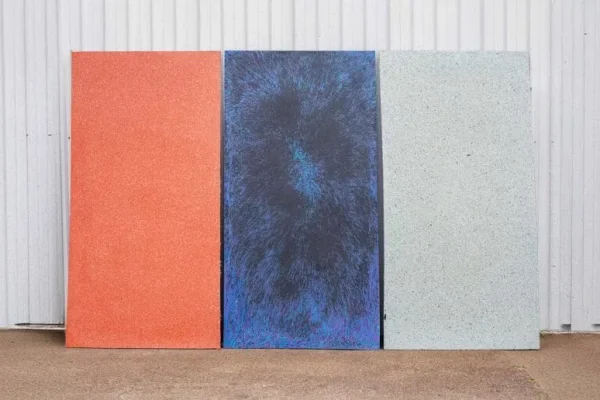
Resourceful Living’s Take-Back Program is a prime example of this. When our recycled plastic panels reach the end of their life in a retail fit-out or a commercial office, they don't go to the skip. They come back to us, we grind them down, and we turn them into new panels. This is the definition of a true circular economy.
Checklist: How to Ace Your Next Circular Procurement Tender
If you’re preparing a bid for a project in late 2026, use this checklist to ensure your material selection meets the new industry standards:
- Does the supplier have a Take-Back Program? (Crucial for DfD requirements).
- Is there a verified EPD available for the material? (Required for Green Star/NABERS).
- Is the material manufactured in Australia? (Essential for lowering embodied carbon).
- What is the percentage of post-consumer recycled content? (Higher is better for circularity scores).
- Can the supplier provide a traceability report for the waste source? (Protects against greenwashing).
Failing to address these points is one of the 7 mistakes people make in circular construction, and it could cost you the contract.
Why Recycled Plastic is the "Hero" Material of 2026
In the search for sustainable building materials in Australia, recycled plastic has emerged as a high-performance alternative to traditional timber and concrete in many applications.
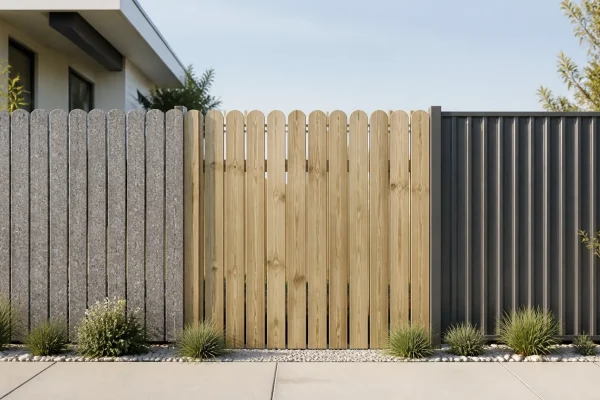
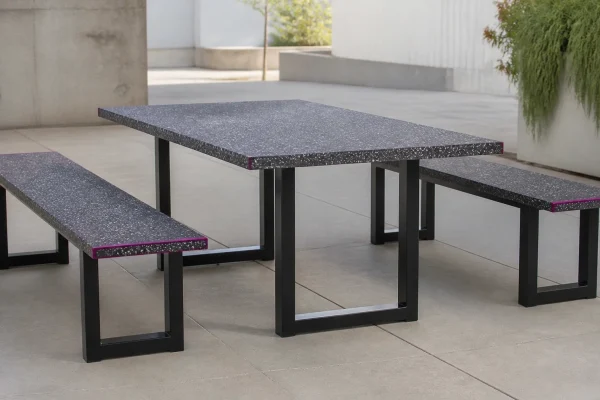
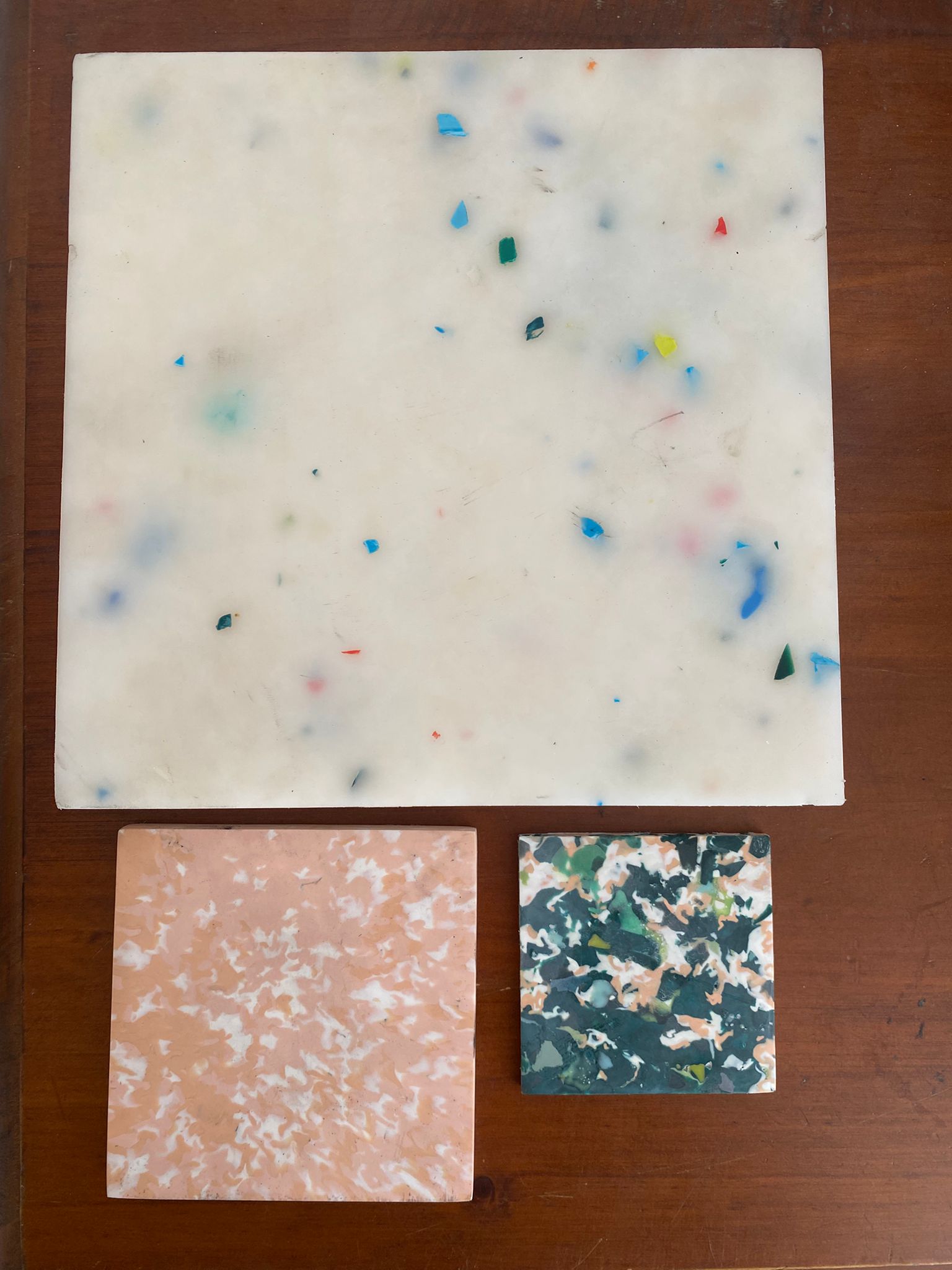
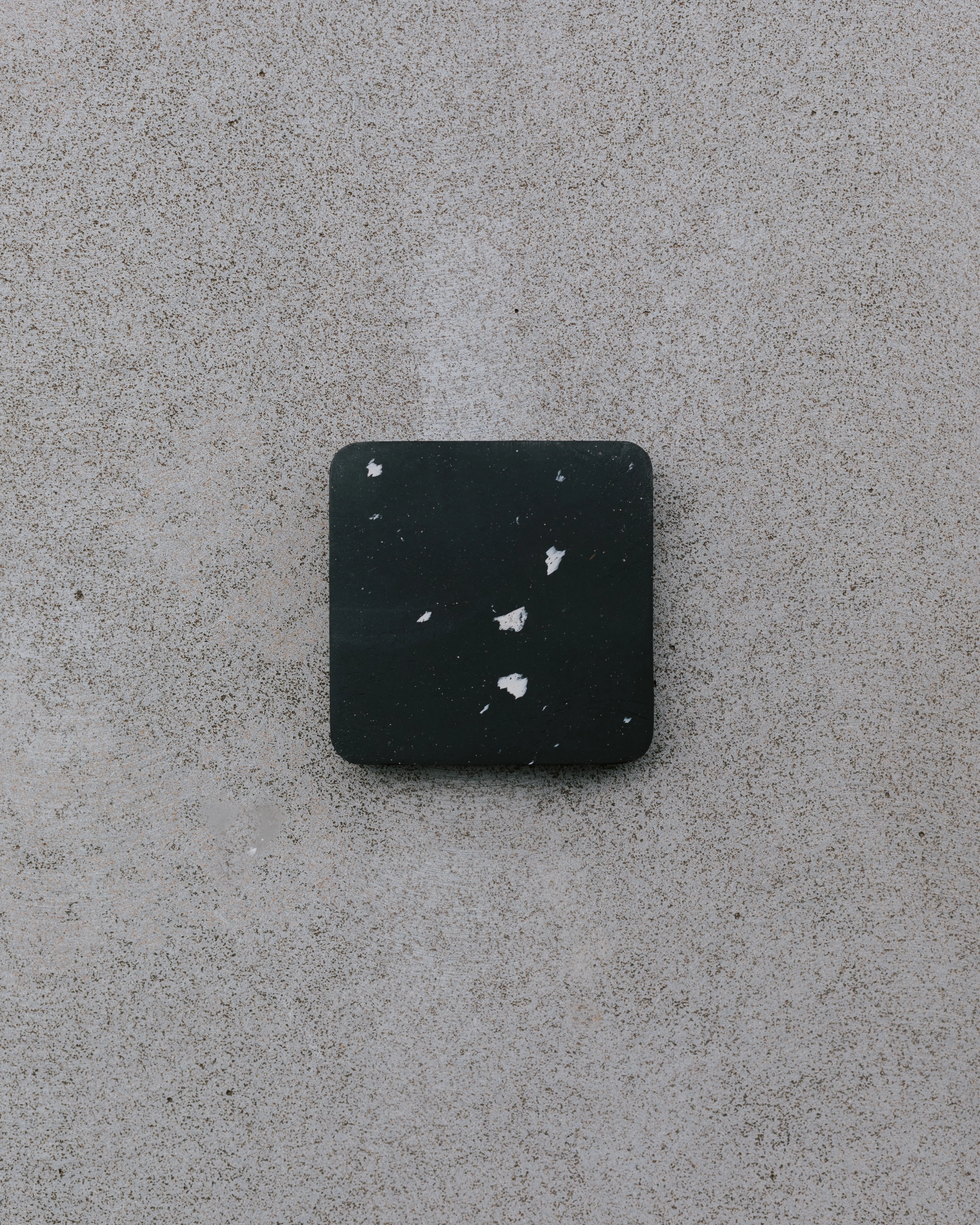
Unlike timber, it doesn't rot, splinter, or require chemical staining. Unlike concrete, it has a significantly lower carbon footprint and is much lighter to transport. At Resourceful Living, our panels are being used for everything from moisture-resistant cabinetry to structural landscaping and high-traffic retail displays.
Quick Comparison: Linear vs. Circular Procurement
| Feature | Linear Procurement (Traditional) | Circular Procurement (2026 Standard) |
|---|---|---|
| Material Origin | Virgin resources (mined/logged) | Recycled waste streams |
| End of Life | Landfill / Demolition waste | Take-back / Reprocessing |
| Carbon Focus | Operational only | Whole-life / Embodied carbon |
| Documentation | Basic spec sheets | EPDs and Traceability reports |
| Value Focus | Lowest upfront cost | Long-term value and ESG compliance |
Moving Forward with Resourceful Living
Navigating the world of circular construction 2026 can feel overwhelming, but it’s also an incredible opportunity to innovate. By choosing materials that are locally made, fully traceable, and 100% recyclable, you aren't just checking a compliance box: you’re building a more resilient future for the Australian construction industry.
If you're ready to start sourcing high-quality, sustainable materials for your next project, our team is here to help you navigate the reporting and procurement process.
Ready to make the switch?
- Browse our range of recycled plastic products.
- Learn how to choose the best recycled plastic sheets for strength and UV resistance.
- Contact us for a custom quote on your next circular project.
The future of building is here, and it’s circular. Let’s build it together.