If you’re currently in the market for recycled plastic sheets in Australia, you’ve probably noticed that the landscape has shifted. We’re well into 2026, and "being green" isn't just a nice-to-have marketing badge anymore; it's a strict procurement requirement.
Whether you’re a builder, a fit-out specialist, or a project manager for a local council, the pressure to prove your sustainability claims is at an all-time high. It’s no longer enough to say a product is "recycled." You need to know where it came from, how it was made, and exactly what’s in it.
This is where local traceability comes into play. If you can't trace the material back to its source, you might be opening yourself up to "greenwashing" risks that could tank your next tender.
Here are 10 things you absolutely need to know about local traceability when sourcing recycled plastic sheets in Australia.
1. The 2025 National Traceability Framework is Your New Best Friend
Late last year, the Australian Government published the National Framework for Recycled Content Traceability. This was a game-changer for our industry. While it’s technically voluntary, the tier-one construction firms and government bodies are already using it as the gold standard for material selection.
When you’re looking at recycled plastic sheets Australia, ask your supplier if they align with this framework. It’s designed to provide a consistent way to track materials through the supply chain. If they look at you blankly, that’s a red flag. Traceability isn't just about a sticker on a crate; it’s about a documented journey from waste bin to building site.
2. Not All "Recycled" Plastic is Created Equal
There is a massive difference between post-consumer waste (stuff from kerbside recycling) and post-industrial waste. Kerbside plastic can be messy, contaminated, and hard to track. Industrial waste: like the clean offcuts from manufacturing or high-grade agricultural plastics: is much more predictable.
At Resourceful Living, we focus on high-quality, traceable streams. Knowing the "pedigree" of the plastic allows us to create panels that aren't just sustainable, but actually outperform traditional materials like plywood.

3. Importing Recycled Sheets Often Defeats the Purpose
You might find "recycled" plastic sheets online that are significantly cheaper, but check the origin. If those sheets are being shipped from overseas, the embodied carbon from the shipping alone often outweighs the environmental benefit of the recycled content.
Furthermore, traceability becomes a nightmare once you cross international borders. Can that overseas supplier prove they didn't use forced labour or that the "recycled" content isn't just virgin plastic with a fancy label? Sticking to local traceability ensures you are supporting the Australian circular economy and keeping your carbon footprint as low as possible.
You can read more about why circular construction 2026 will change the way you buy materials forever on our blog.
4. ESG Reporting Requires Hard Data
If your company has ESG (Environmental, Social, and Governance) targets, your "Sustainability Officer" is likely breathing down your neck for data. You need more than a brochure; you need a Material Declaration.
Local traceability means your supplier can give you the exact metrics:
- Weight of plastic diverted from Australian landfill.
- Specific type of polymer used (e.g., HDPE or LDPE).
- Geographic source of the waste.
This data is gold when it comes to embodied carbon reporting in Australia. Without it, your sustainability report is just a collection of nice stories.
5. Onsite Processing is the Ultimate Traceability Flex
The most transparent way to handle recycling is to do it right where the waste is generated. We’ve been pioneering this with our mobile units.
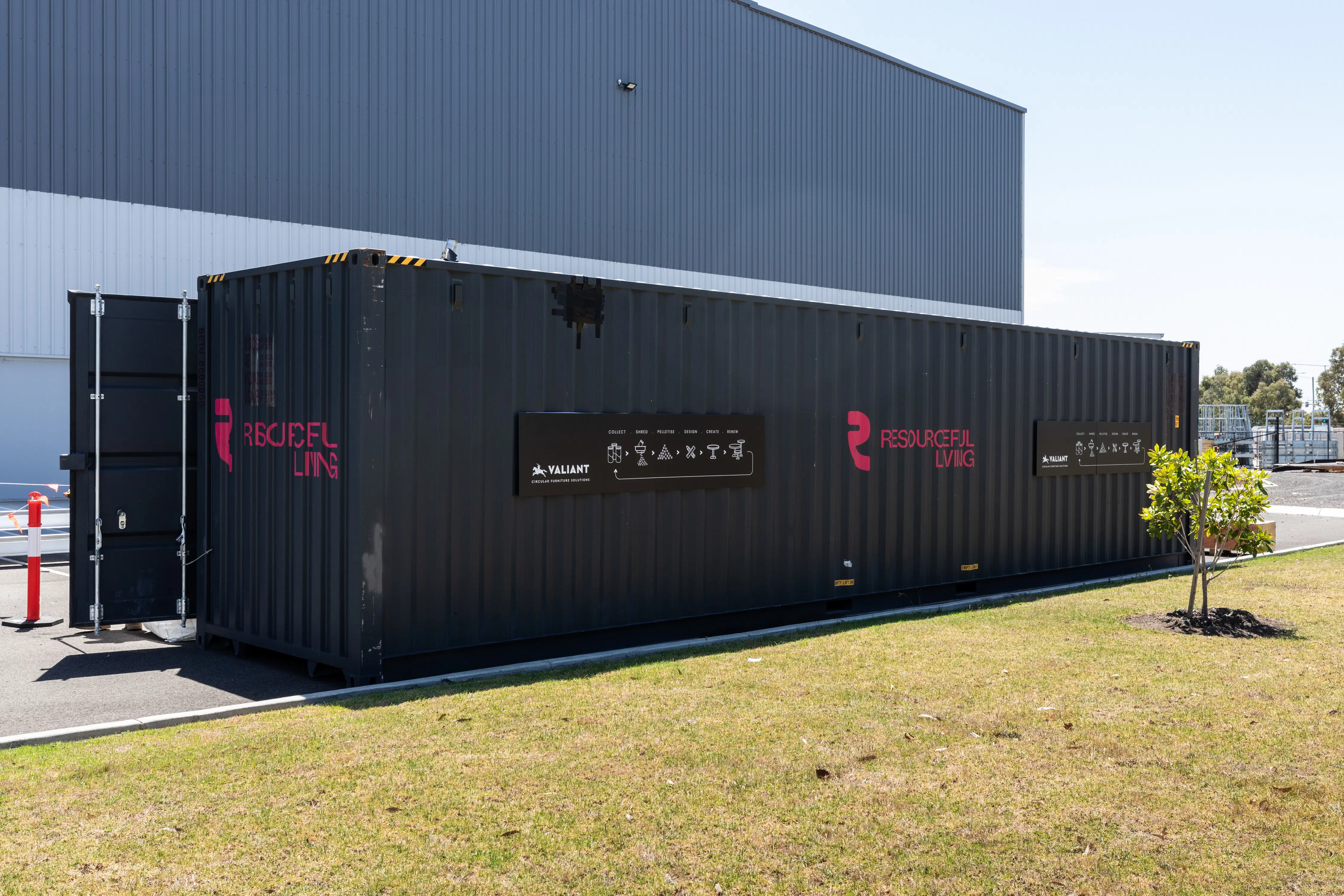
When you process waste onsite, the chain of custody is 100% clear. There is zero doubt about the source because the material never left your sight until it was transformed into a new, functional product. This level of integration is the future of recycled plastic sheets Australia.
6. Closed-Loop Systems Reduce Risk
A "closed-loop" system means the manufacturer takes responsibility for the product at the end of its life. If your supplier doesn't have a take-back program, you’re just buying a product that will eventually become someone else’s landfill problem.
True traceability includes the "afterlife." When you buy a sheet from Resourceful Living, we know exactly what went into it, which makes it easy for us to recycle it again in 10, 20, or 50 years. This is the core of the lifecycle of a recycled plastic panel.
7. Verification Trumps Promises
Don't just take a salesperson's word for it. Look for certifications. High-performing suppliers should be able to provide documentation that aligns with standards like EN 15343. This covers:
- Incoming material control.
- Quality assessment.
- Recycled content calculation.
If you’re comparing materials, check out our guide on how to choose the best recycled plastic sheets in Australia to see how we stack up against the competition.
8. Consistency is a Product of Traceability
One of the biggest complaints about recycled materials is that "the colour or strength changes from batch to batch." This happens when a manufacturer doesn't have control over their source material.
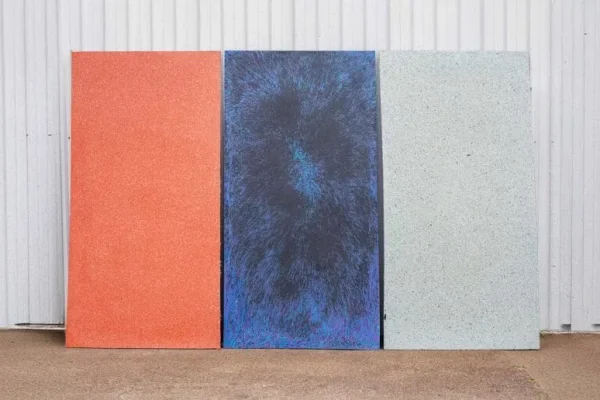
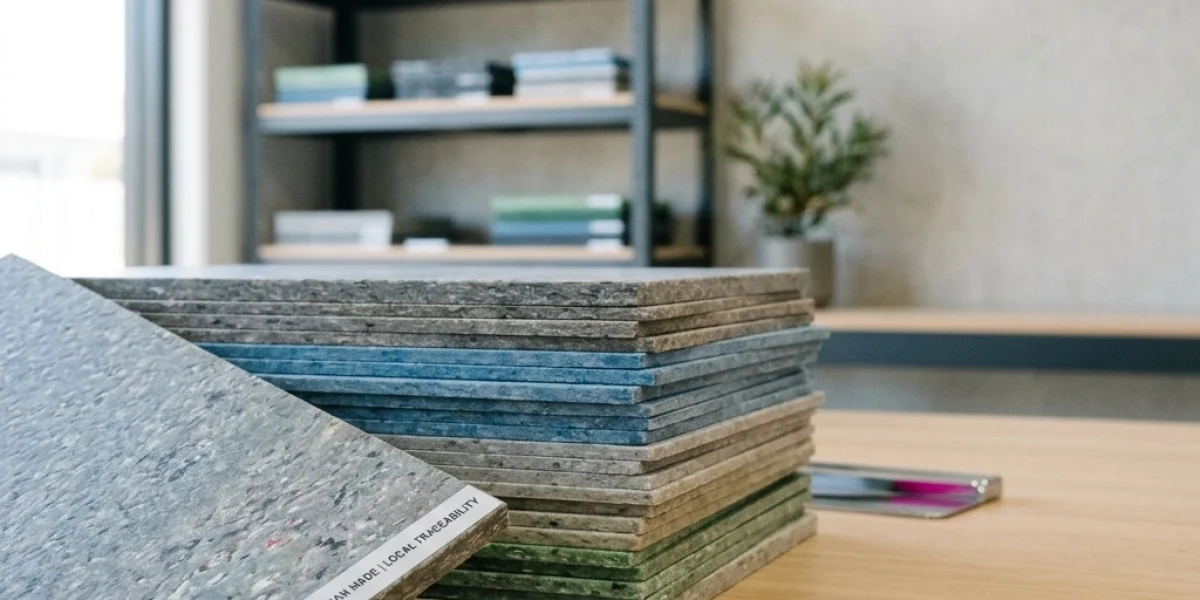
By maintaining local traceability and working with specific waste streams, we can ensure that our "N70 White Confetti" or "Navy Marble" panels look and perform the same way every single time. You get the aesthetic of a bespoke material with the reliability of an industrial product.

Caption: A infographic showing the step-by-step process of local Australian plastic waste being tracked from collection to the final manufactured sheet.
9. It Helps You Win Tenders
In 2026, government tenders are heavily weighted towards local content and verified sustainability. If you can prove that your project used 100% Australian-made, traceable recycled plastic, you have a massive competitive advantage.
We’ve seen this first-hand with councils. Check out this case study on how an Australian council replaced rotting timber with maintenance-free recycled plastic. They didn't just want a "plastic bench"; they wanted a bench they could tell their ratepayers was made from the community's own waste. That story is only possible with traceability.
10. Traceability Protects Your Reputation
Greenwashing is a legal risk. The ACCC is cracking down on vague environmental claims. If you claim a project is "sustainable" based on recycled sheets that turn out to be mostly virgin plastic or sourced unethically, your brand reputation will take the hit: not the supplier's.
By insisting on local traceability, you’re protecting your business. You’re ensuring that every claim you make is backed by a solid paper trail of Australian waste invoices and production logs.
How to Vet Your Supplier: A 30-Second Checklist
Next time you’re chatting with a supplier for recycled plastic sheets Australia, throw these three questions at them:
- "Can you provide a material declaration showing the specific Australian post-industrial or post-consumer source?"
- "Do you have a take-back program for offcuts or end-of-life panels?"
- "Is your production process third-party verified or aligned with the National Traceability Framework?"
If they stutter, you might want to keep looking.
Why We Care So Much
At Resourceful Living, we aren't just making "plastic boards." We’re building a system that proves Australia can handle its own waste responsibly. From our "White Confetti" panels used in retail displays to our heavy-duty structural sheets, every single millimetre of material is accounted for.

Using traceable materials is the smartest way to hit your net-zero targets without compromising on quality or aesthetics.
Ready to switch to a material you can actually trust? Let’s get to work. Whether you need a few samples for a fit-out or you’re looking to divert tonnes of waste from your next construction project, we’ve got the data (and the sheets) to back you up.
Explore our range of 100% traceable Australian recycled plastic panels here.