As we navigate through 2026, the construction and manufacturing industries in Australia are hitting a critical turning point. It is no longer enough to simply "buy green." The focus has shifted toward circular procurement: a strategic approach where products are purchased with their entire life cycle in mind.
At Resourceful Living, we’ve seen a massive surge in demand for recycled plastic building materials. However, moving from traditional procurement to a circular model requires a shift in mindset. You aren't just buying a panel; you're investing in a system that eliminates waste and lowers long-term costs.
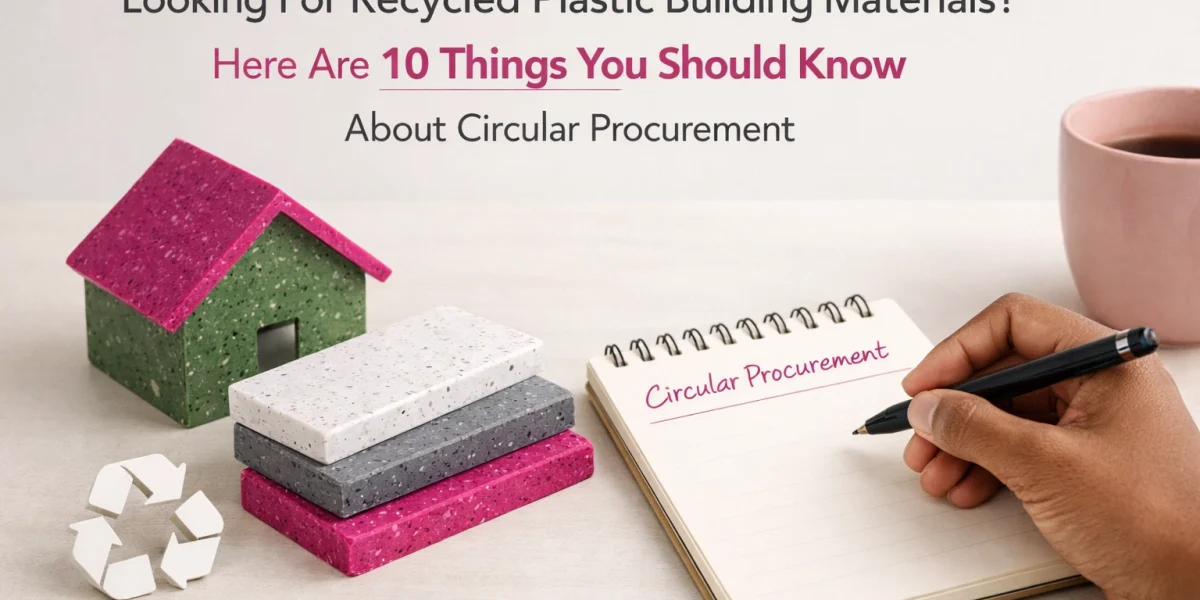
Whether you are a site manager, an architect, or a procurement officer, here are 10 essential things you need to know about sourcing recycled plastic for your next project.
1. Understand the Fundamentals of Circularity
Circular procurement is about more than just buying a product made from recycled content. It is about ensuring that the material stays within the economy and out of the landfill for as long as possible.
The traditional model is "Take-Make-Waste." The circular model is "Reduce-Reuse-Recycle-Recover." When you specify recycled plastic sheets, you are implementing a system that minimizes energy use and carbon emissions by bypassing the extraction of virgin petroleum.
"True circularity means designing out waste from the very beginning. If a material cannot be recovered at the end of its life, it isn't truly circular." : Resourceful Living Design Team
2. Local Sourcing and Material Traceability
In 2026, "Where did this come from?" is the most important question in your supply chain. Many "recycled" products on the market are actually shipped across oceans, racking up a massive carbon footprint before they even arrive on-site.
Buying Australian-made recycled plastic ensures that you are supporting local waste management and reducing transport emissions. At Resourceful Living, we focus on 100% Australian plastic waste, giving you full traceability for your ESG reporting.
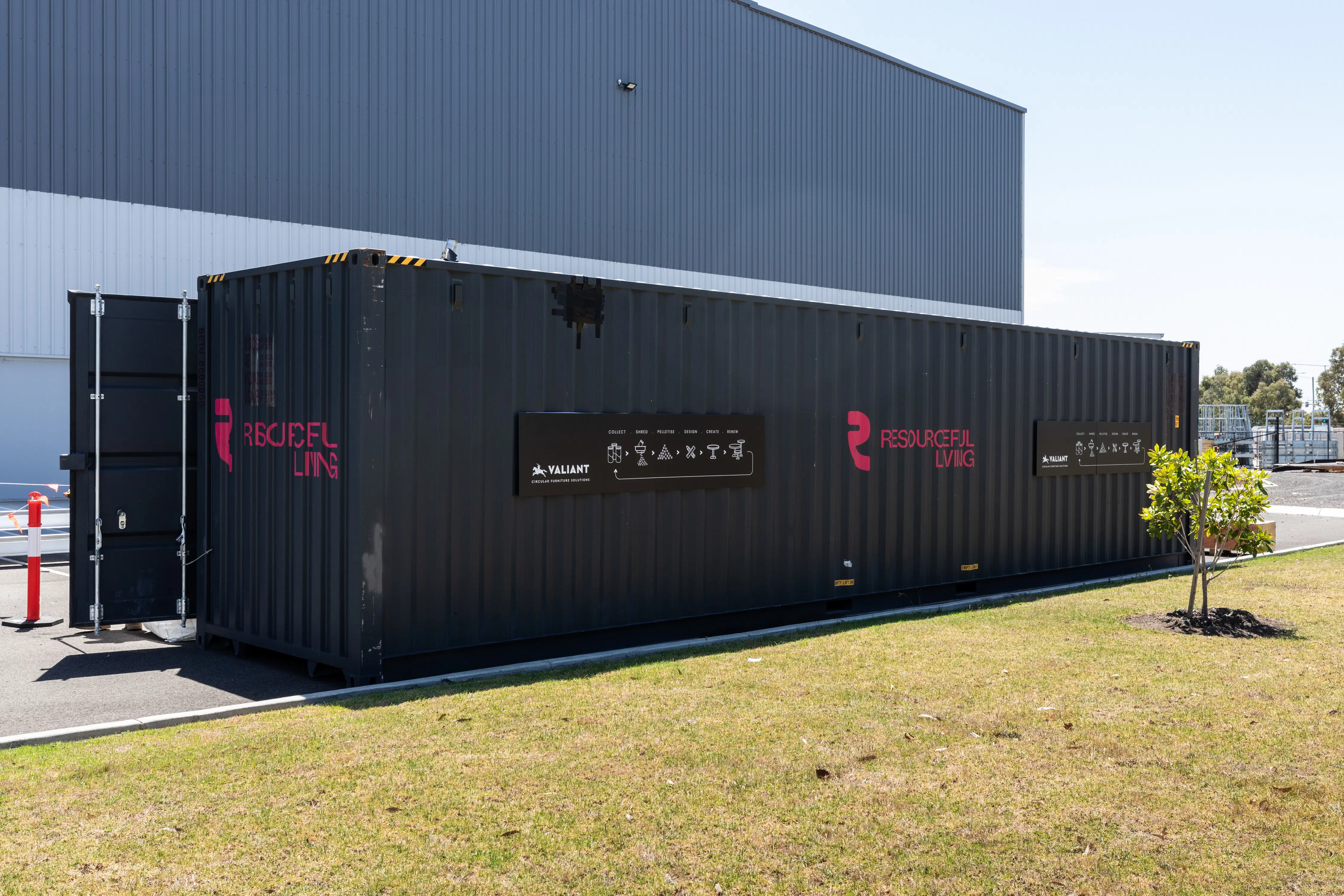
Our onsite units allow for efficient collection and processing of Australian waste, ensuring a transparent supply chain.
3. Performance Often Exceeds Traditional Materials
A common misconception is that recycled materials are "weaker" than virgin ones. In reality, recycled plastic offers specific engineering advantages over timber, concrete, and steel in certain environments.
- Timber vs. Plastic: Unlike treated timber, recycled plastic panels are impervious to rot, termites, and moisture. This makes them ideal for coastal projects or wet-area fit-outs.
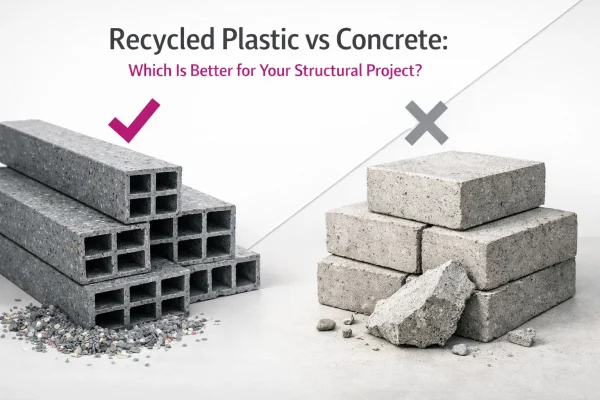
- Concrete vs. Plastic: Recycled plastic building blocks maintain similar strength to concrete but at a fraction of the weight, reducing structural load and transport costs.
- Roadworks: Did you know that plastic roads incorporating recycled materials can be up to 75% more resistant to cracks and potholes?
If you're weighing up your options, check out our deep dive on recycled plastic board vs. marine plywood.
4. Navigating Australia’s New Embodied Carbon Rules
As of 2026, the regulatory landscape in Australia has tightened. Procurement teams are now required to account for embodied carbon: the emissions generated during the manufacturing and transport of building materials.
Using recycled plastic is one of the fastest ways to slash these numbers. For every unit of recycled plastic produced, roughly 16.3 barrels of oil are saved compared to virgin plastic production. Understanding these metrics is vital for compliance with Australia’s new embodied carbon rules.
5. Integration with NABERS and Green Star Ratings
If you are working on a commercial build, your material choices directly impact the building's final certification. Circular procurement of recycled plastic panels can significantly boost your NABERS rating and Green Star points.
These materials contribute to "Sustainable Products" credits and "Waste Management" targets. We recommend learning how to integrate low-carbon recycled plastic panels with your NABERS rating early in the design phase to maximise your score.
6. Cost Advantages: CapEx vs. OpEx
While the initial purchase price (CapEx) of recycled plastic can sometimes be higher than low-grade timber, the Total Cost of Ownership (OpEx) is significantly lower.
- Zero Maintenance: Recycled plastic doesn't need painting, staining, or sealing.
- Longevity: These materials are designed to last decades, whereas traditional materials may need replacing every 5–10 years in harsh Australian conditions.
- Waste Reduction: Precision-cut panels mean less site waste, saving you money on skip bins and disposal fees.
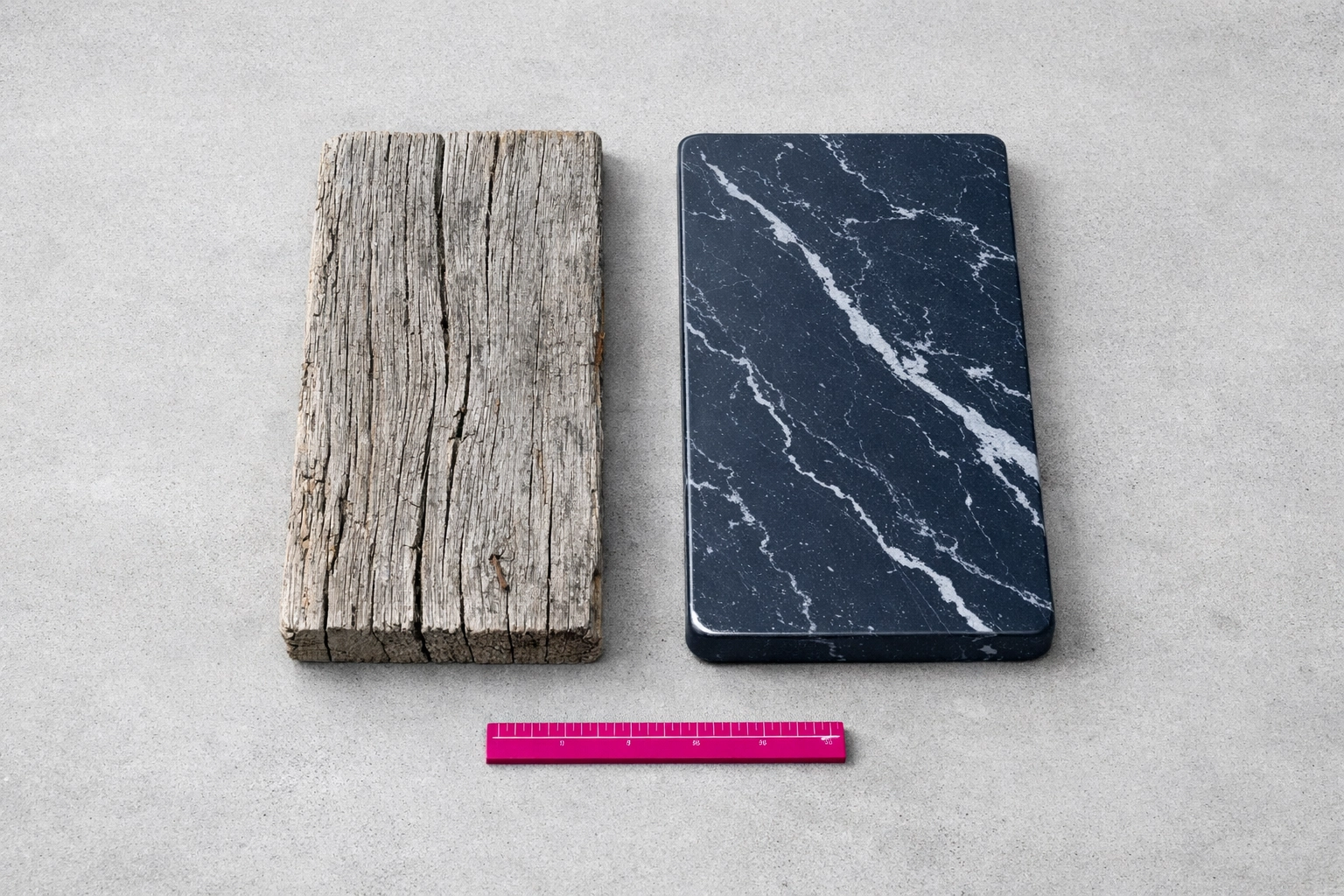
Comparison of long-term maintenance costs between treated timber and recycled plastic panels.
7. Versatility Across Multiple Applications
Recycled plastic is no longer just for park benches. In 2026, we are seeing it used across the entire construction spectrum:
- Roofing Tiles: Lighter and better insulation than concrete.
- Acoustic Barriers: Excellent sound dampening for highway and rail projects.
- Retail Fit-outs: High-aesthetic finishes for cabinetry and displays.
- Formwork: Durable, reusable sheets for concrete pouring.
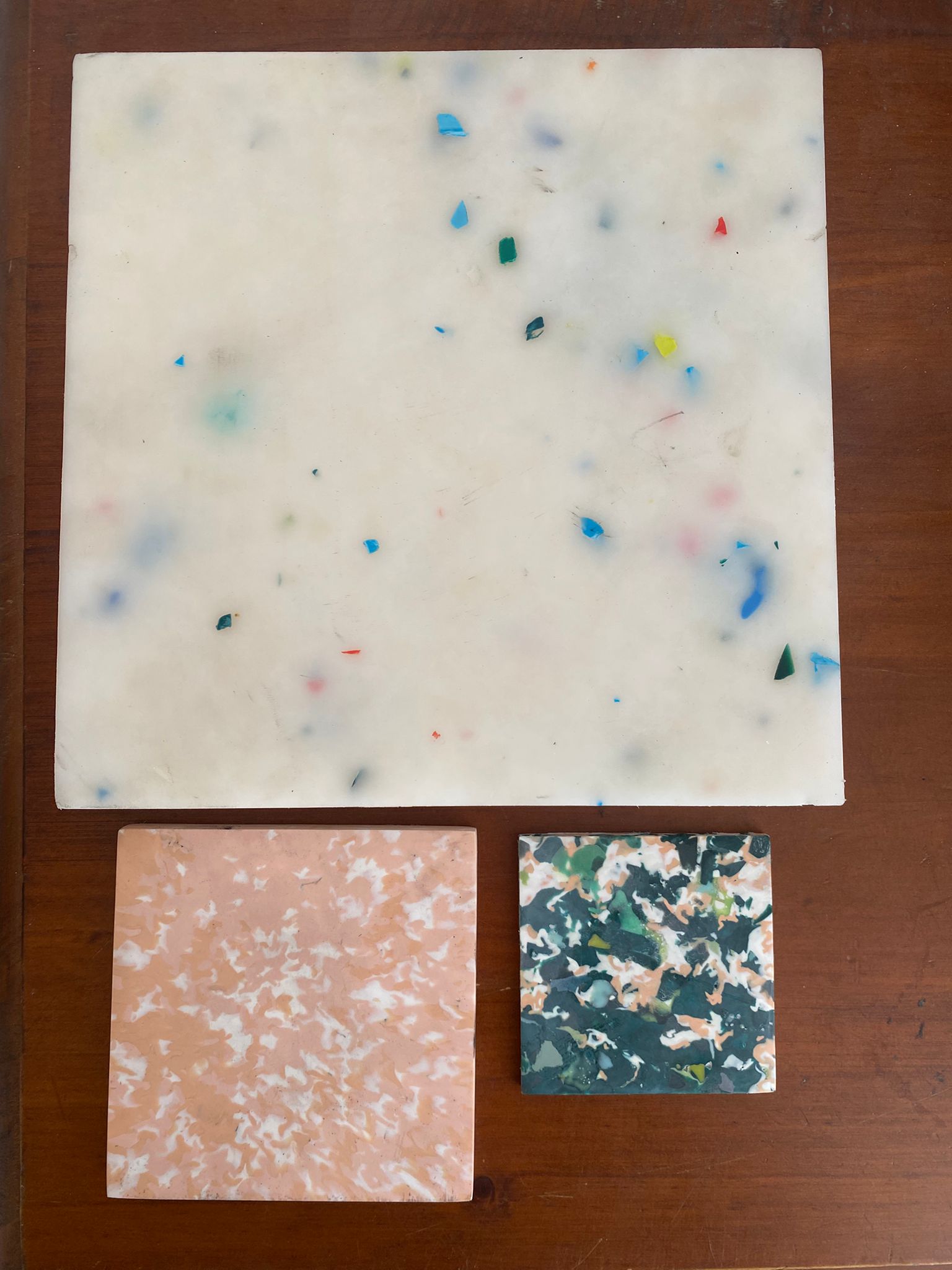
The variety of finishes: from 'White Confetti' to 'Forest Green': allows for architectural creativity without sacrificing sustainability.
8. The "Take-Back" Program: Closing the Loop
The most critical part of circular procurement is the End-of-Life (EoL) plan. Before you sign a contract, ask the manufacturer: "What happens to this material in 20 years when the building is renovated?"
A true circular partner, like Resourceful Living, offers a Take-Back Program. We take back our old panels, granulate them, and turn them into brand-new products. This ensures the plastic never enters the waste stream. You can learn more about joining our ESG Partner Program here.
9. Energy Efficiency and Thermal Performance
Plastic is a natural insulator. In building applications, recycled plastic insulation and wall panels markedly reduce heat loss. This decreases the building's reliance on HVAC systems, leading to lower operational carbon emissions for the lifetime of the structure.
By choosing these materials, you are effectively "locking in" energy savings for the end-user, which is a massive selling point in the current real estate market.
10. Driving Social and Economic Impact
Procurement isn't just about "stuff"; it's about people. By shifting your budget toward recycled materials, you are helping to create an estimated 13,000 jobs in the Australian recycling and manufacturing sectors.
Currently, only 9% of global plastic is recycled. Every tonne of material you procure for a project helps increase the demand that makes large-scale recycling infrastructure viable in Australia.
Procurement Checklist: 5 Steps Before You Buy
To ensure your project stays on track, follow this quick guide:
✅ Conduct a Waste Audit: Understand what materials you are currently throwing away. You can use our simple waste audit template to get started.
✅ Verify Recycled Content: Ask for certification that the material is 100% recycled and Australian-sourced.
✅ Check the Fire Rating: Ensure the panels meet the specific NCC (National Construction Code) requirements for your building type.
✅ Plan for Installation: Recycled plastic expands and contracts differently than wood. Avoid the 7 common mistakes by following the manufacturer's installation guide.
✅ Confirm the Take-Back Clause: Get it in writing that the manufacturer will accept the material back at the end of its life.
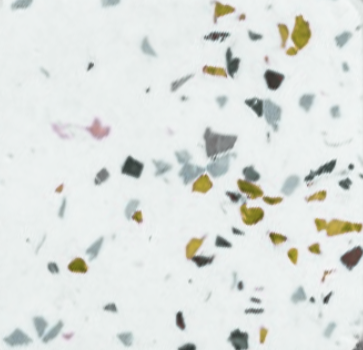
Our N70 White Confetti style is a favourite for high-end sustainable fit-outs.
The Future of Construction is Circular
The move toward recycled plastic building materials isn't just a trend: it's the new standard for a resilient Australian economy. By focusing on circular procurement, you aren't just building a structure; you're building a legacy of resourcefulness.
Ready to specify recycled plastic for your next tender? Explore our range of recycled plastic sheets for construction or reach out to our team for a technical data sheet.

Sustainable beauty: Our navy and white marbled panels are durable, weather-resistant, and 100% circular.