Sustainable design is no longer a “nice to have” in the Australian architectural landscape: it’s a prerequisite. As firms race to meet ambitious ESG (Environmental, Social, and Governance) targets, the search for materials that offer both high performance and a genuine circular story has intensified.
Recycled plastic benchtops have emerged as a frontrunner for commercial fit-outs, retail environments, and residential projects. However, specifying these materials isn’t quite the same as picking out a slab of engineered stone or a sheet of laminate.
At Resourceful Living, we manufacture 100% recycled plastic panels right here in Australia. We see the challenges architects and designers face when moving from traditional materials to circular ones. To help you navigate your next project, here are 10 critical things you need to know before you spec.
1. It’s a Solid Surface, Not a Veneer
One of the most common misconceptions is that recycled plastic surfaces are a thin decorative layer applied to a substrate like MDF or particleboard.
Resourceful Living panels are solid blocks of 100% recycled HDPE (High-Density Polyethylene).
Because the material is consistent all the way through, you don’t have to worry about “edge banding” or unsightly seams where a veneer might chip or peel. If you scratch the surface, the colour remains the same underneath. This makes it incredibly resilient in high-traffic commercial environments where durability is non-negotiable.
2. Thickness Versatility: From 3mm to 40mm
Unlike many traditional materials that come in a standard one-size-fits-all thickness, our manufacturing process allows for significant range.
- 3mm to 10mm: Ideal for cabinetry facings, wall panelling, and lightweight retail displays.
- 12mm to 20mm: The “sweet spot” for standard table tops and office desking.
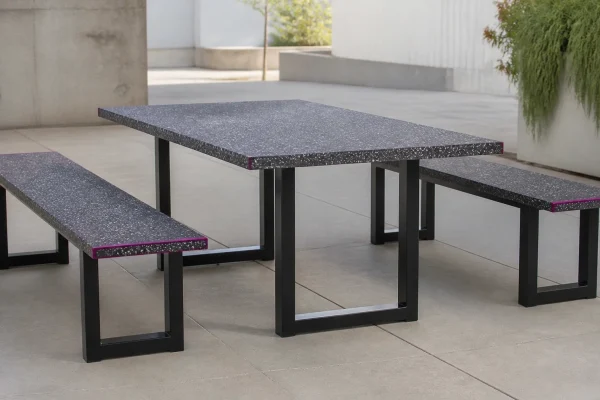
- 30mm to 40mm: Heavy-duty, structural-grade thickness for workbenches, laboratory tops, or statement communal tables.
When specifying, consider the weight-to-strength ratio. You can find more technical data in our Tier 1 Council Specifier Guide.
3. Colour Consistency vs. “The Beauty of the Mix”
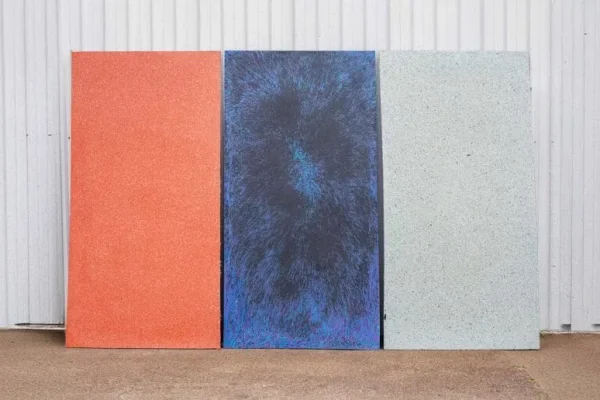
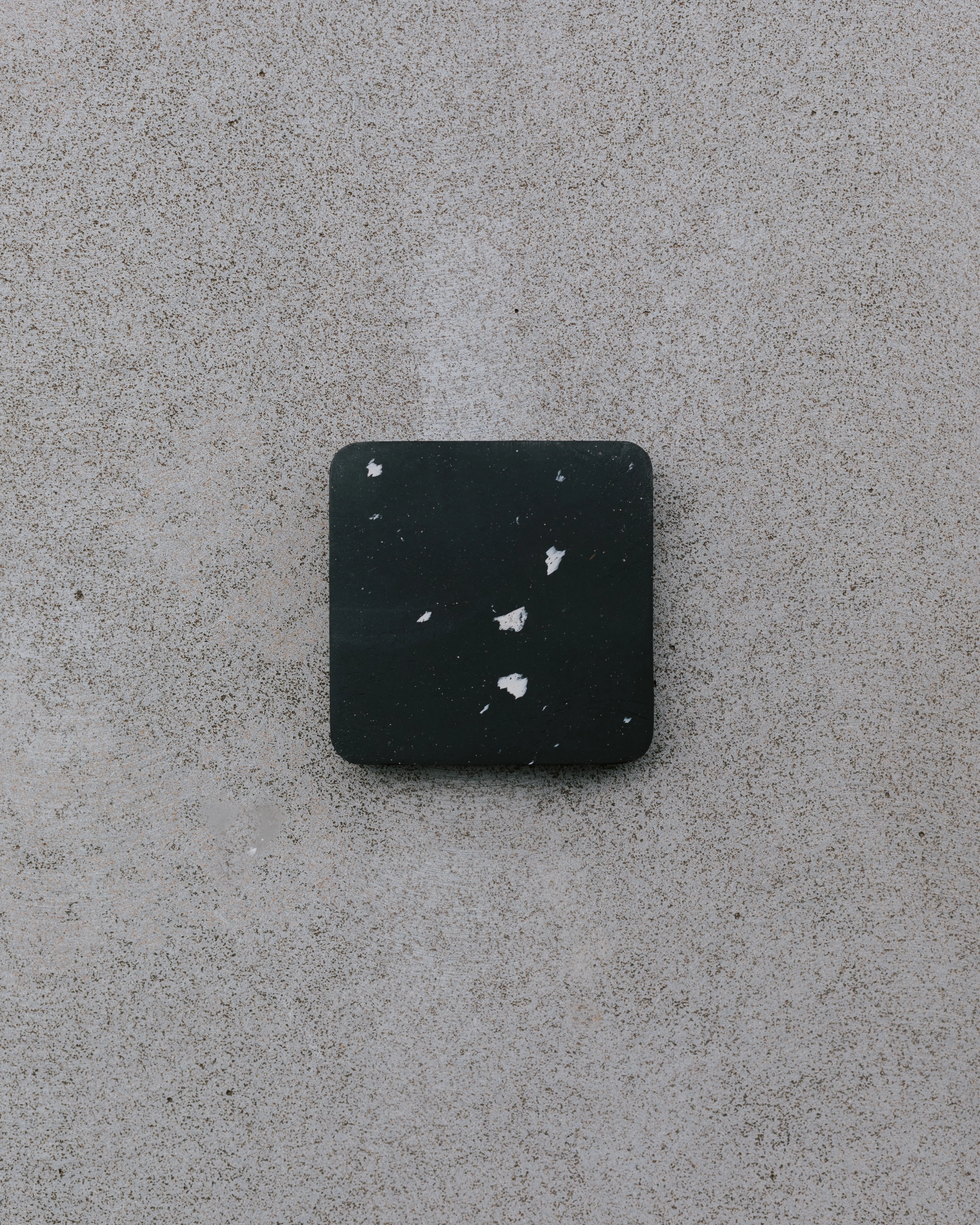
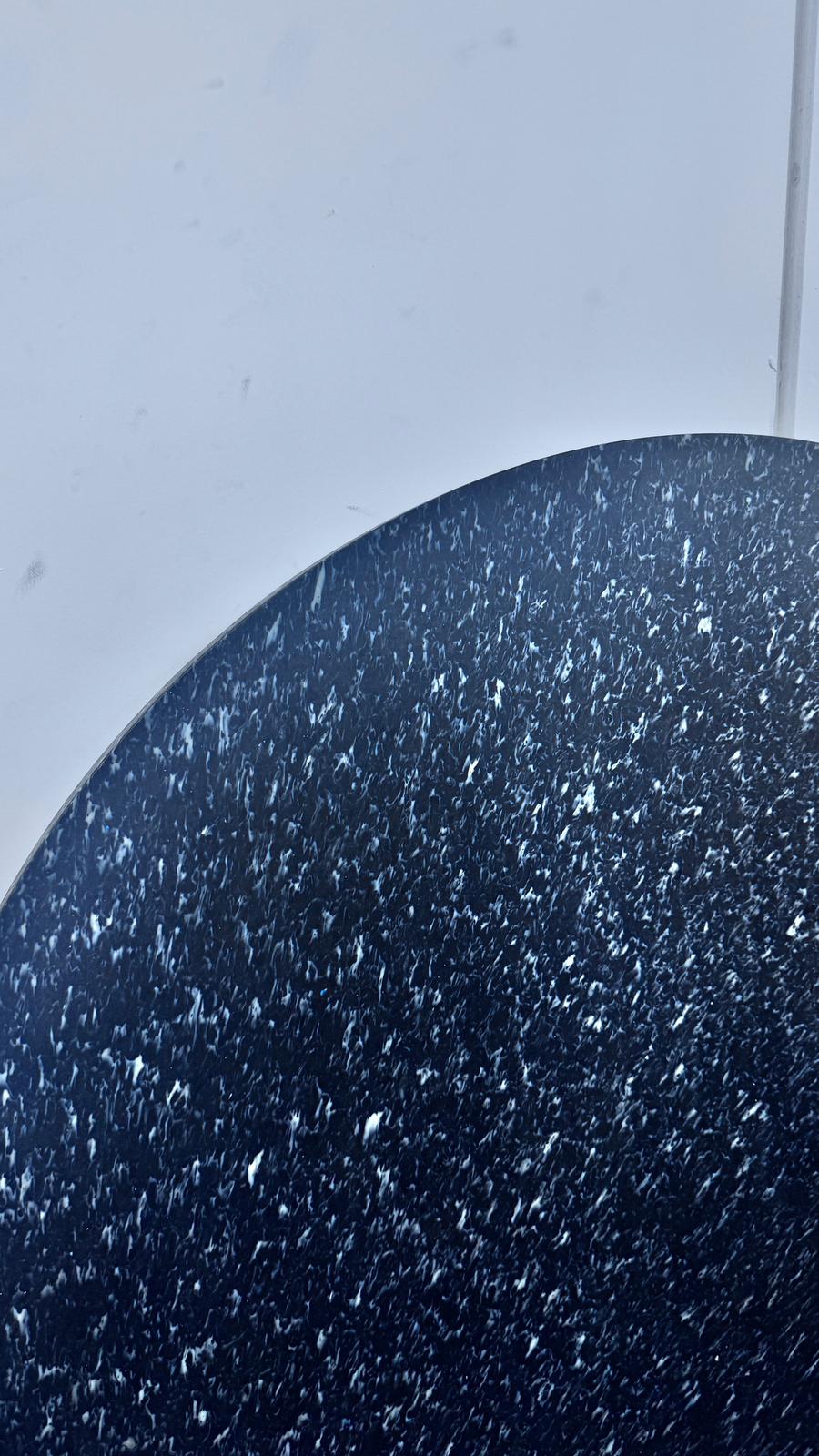
We maintain 6 standard colourways to provide designers with a level of predictability. However, it is important to understand that because we use 100% post-consumer and post-industrial waste, there will always be a slight “DNA” variation between batches.
✅ What to expect: A consistent base tone (e.g., our N70 White Confetti or Navy Marble).
❌ What to avoid: Expecting a sterile, perfectly uniform industrial finish like a painted surface.
The charm of recycled plastic lies in its visible history. You can often see tiny fragments of the original source material: whether it’s a milk bottle cap or a detergent container: which serves as a visual proof of the material’s circular origins.
4. Understanding Heat Resistance
This is a critical point for kitchen and laboratory specifications. Recycled HDPE is a thermoplastic, meaning it can be melted and reformed (which is why it’s so great for the circular economy).
- Melting Point: Approximately 130°C.
- Heat Deflection: We recommend avoiding direct contact with items exceeding 60-70°C.
The Rule of Thumb: If you wouldn’t put a hot pan directly onto a laminate benchtop without a trivet, don’t do it with recycled plastic. While it is incredibly tough, prolonged exposure to high heat can cause the material to soften or deform.
5. Fabrication is Similar to Hardwood
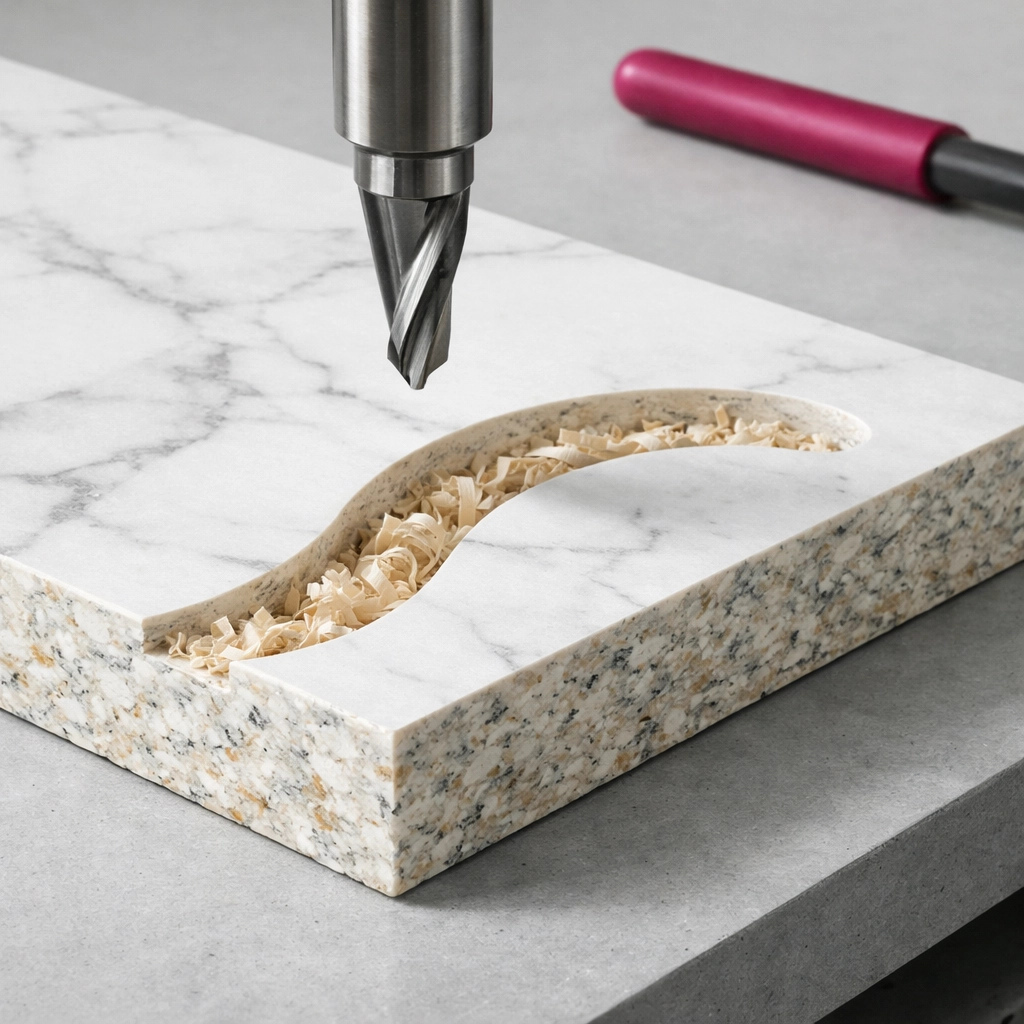
If your fabricator knows how to work with timber, they can work with our recycled plastic panels. You don’t need specialised stone-cutting water jets (though they work beautifully).
Our panels can be:
- CNC Machined: For precision shapes, branding, or intricate cut-outs.
- Sawn and Drilled: Using standard carbide-tipped woodworking tools.
- Routed: To create chamfered or “bullnose” edges.
This ease of fabrication significantly reduces lead times and costs compared to specifying bespoke stone or specialized composites. For a deeper look at how these materials perform in the field, check out our sustainable commercial fit-out guide.
6. Superior Moisture and Chemical Resistance
Unlike Marine Plywood or MDF, recycled HDPE is completely non-porous. It does not absorb water, it will not rot, and it is impervious to mould and mildew.
This makes it the superior choice for:
- End-of-trip facilities (showers and change rooms).
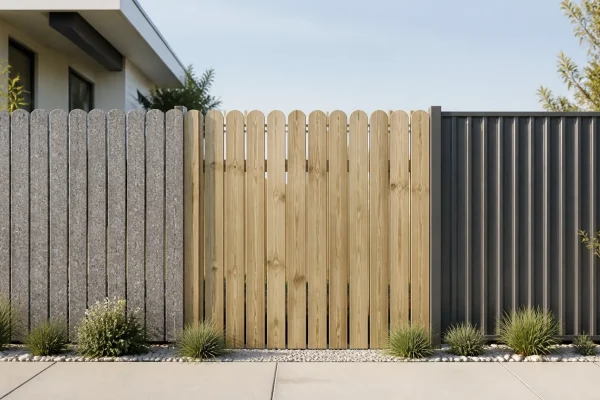
- Outdoor communal spaces and park furniture.
- High-hygiene areas like healthcare or hospitality.
It also stands up to most household and industrial chemicals, making it a “fit and forget” solution for high-use areas.
7. The Take-Back Program: Closing the Loop
The biggest mistake you can make when specifying “sustainable” materials is ignoring the end-of-life plan. Many “green” materials end up in landfill because they are composites that cannot be separated.
At Resourceful Living, we offer a circularity guarantee. If a project is decommissioned in 10 or 20 years, we don’t want those benchtops in the bin. We will take them back, shred them, and turn them into new panels. This is the definition of a closed-loop system and a major win for meeting circular construction reforms.
8. Weight Considerations
Recycled plastic panels are dense. While this contributes to their durability and “high-end” feel, it means you need to ensure your substructure is up to the task.
“When specifying a 40mm thick communal table, you aren’t just choosing a surface; you’re choosing a structural element. The density of HDPE means these tops are heavy, providing a sense of permanence and quality that lightweight alternatives lack.” : Jess Hodge, CEO of Resourceful Living.
9. Traceability and Social Procurement
Where does your plastic come from? For many imported “recycled” boards, the answer is a mystery.
We take pride in our 100% Australian supply chain. We process local waste in our Kurri Kurri facility, meaning your project directly contributes to the Australian economy and diverts waste from Australian landfills. Whether it’s millions of Telstra SIM cards or industrial waste from mining, we provide the traceability data you need for your ESG reporting.
10. Cost of Ownership vs. Initial Outlay
While the upfront cost of a 100% recycled plastic benchtop may be higher than a cheap laminate or imported plywood, the Total Cost of Ownership (TCO) is significantly lower.
Consider the following:
- Zero Maintenance: No sanding, oiling, or painting required. Ever.
- Longevity: 25-50 year expected lifespan.
- Graffiti Resistance: Most paints and markers can be easily wiped off with a citrus-based cleaner because they cannot “bond” to the non-porous surface.
By avoiding the 7 common mistakes when choosing sustainable materials, you ensure that your project remains functional and beautiful for decades.
How to Spec Resourceful Living Panels
Ready to add recycled plastic to your material schedule? Here is the shorthand for your next specification:
- Manufacturer: Resourceful Living
- Material: 100% Recycled HDPE Panel
- Origin: Australian Made & Sourced
- Finish: Matte / Smooth (As machined)
- Edge Profile: Square / Bullnose / Chamfered
- End-of-Life: Manufacturer Take-Back Program Applicable
For custom colour matching or to request a physical sample pack for your library, visit our product page or contact our team directly. Let’s build something that doesn’t just look good, but does good.