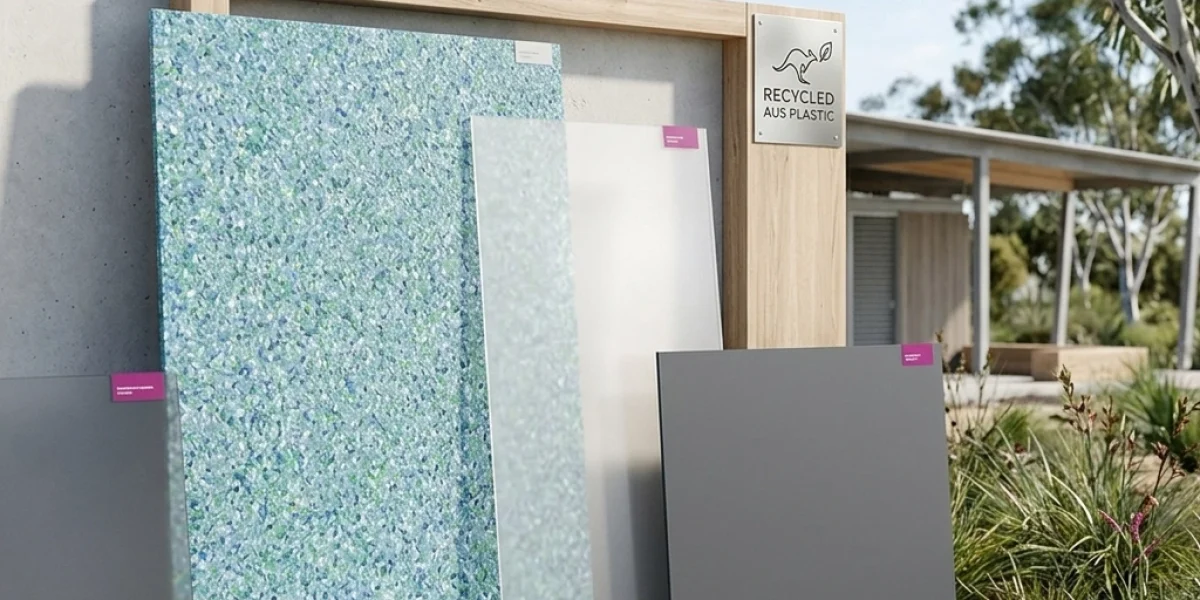
As we move further into 2026, the Australian construction landscape has shifted. For architects, renovators, and builders, the question is no longer if you should use sustainable materials, but which ones will actually stand the test of time.
Recycled plastic sheets have emerged as a frontrunner for everything from kitchen joinery to commercial fitouts. However, not all sheets are created equal. Choosing the wrong polymer or a board without proper UV stabilisation can lead to warping, fading, or structural failure.
This guide breaks down the technical specifications of recycled plastic panels, comparing the most common polymers used in the industry today: HDPE, LDPE, and PP: and what you need to look for to ensure your project remains "circular" for decades.
1. Decoding the Polymers: HDPE vs. LDPE vs. PP
The first step in choosing a sheet is understanding the base resin. At Resourceful Living, we focus on these three primary post-consumer and post-industrial streams because they offer the best balance of workability and durability.
High-Density Polyethylene (HDPE)
- Common Source: Milk bottles, shampoo containers, and bottle caps.
- Characteristics: HDPE is the industry workhorse. It is stiff, strong, and has excellent impact resistance. It is the go-to for structural furniture and heavy-duty shelving.
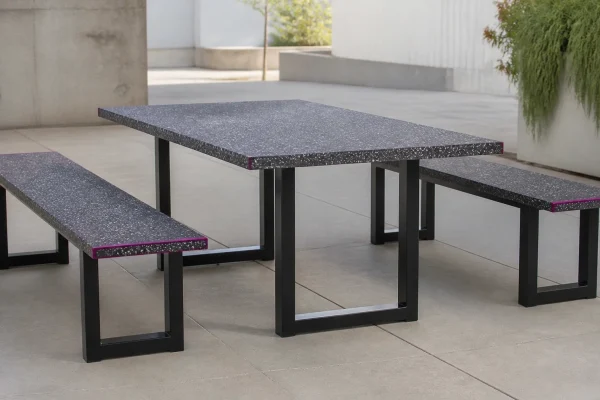
- Best For: Benchtops, cabinetry, and outdoor furniture.
Low-Density Polyethylene (LDPE)
- Common Source: Soft plastics, pallet wrap, and some lids.
- Characteristics: LDPE is significantly more flexible than HDPE. While it is incredibly tough and difficult to crack, it has a lower melting point and is softer, making it more prone to surface scratches.
- Best For: Flexible linings, wall cladding, or artistic installations where a degree of "give" is required.
Polypropylene (PP)
- Common Source: Yoghurt containers, takeaway tubs, and some automotive parts.
- Characteristics: PP is highly resistant to heat and chemicals. It has a higher "flexural modulus" than HDPE, meaning it is more rigid and holds its shape exceptionally well under tension.
- Best For: Industrial applications, laboratory surfaces, and high-heat environments.
2. UV Stabilisation and the Australian Sun
In Australia, the UV index is a material killer. Standard virgin plastics often include chemical UV stabilisers, but when dealing with recycled content, the origin of the plastic matters.
When choosing a recycled sheet for external use, you must ensure it has been UV stabilised.
- The Carbon Black Factor: Many dark-toned recycled sheets (like our charcoal or black ranges) inherently perform better in the sun because the pigments act as a natural UV barrier.
- Stabilising Additives: For lighter colours, high-quality manufacturers integrate UV stabilisers during the melting process. Without this, a panel used in an outdoor setting: such as a public bench: may become brittle and "chalky" within 24 months.
"Specifying a material without understanding its UV rating in the Australian climate isn't just a design flaw; it's a future maintenance liability." : Resourceful Living Engineering Team
3. Thickness Options: From 3mm to 40mm
The versatility of recycled plastic panels lies in their range. Unlike timber, which is limited by natural growth, or stone, which is limited by weight, plastic sheets can be engineered to specific depths.
| Thickness | Recommended Application |
|---|---|
| 3mm – 6mm | Wall panelling, drawer liners, decorative cladding, and signage. |
| 10mm – 15mm | Cabinet carcasses, retail displays, and lightweight shelving. |
| 19mm – 25mm | The Standard. Ideal for benchtops, desks, and heavy-duty joinery. |
| 30mm – 40mm | Structural outdoor benches, heavy-duty industrial worktops, and infrastructure. |
Choosing the right thickness is vital for managing span and deflection. Plastic is more flexible than timber; therefore, if you are using a 19mm sheet for a long desk, you must ensure the sub-frame provides enough support to prevent sagging over time.
4. The Importance of 'No Additives' for True Recyclability
One of the most critical factors for architects focusing on Circular Construction is the purity of the material. Many "recycled" products on the market are actually composites: mixing plastic with wood fibres (WPC), glass, or glues.
While these composites can be durable, they are often impossible to recycle a second time. They become a "dead-end" material that eventually ends up in a landfill.
At Resourceful Living, our sheets are made from 100% recycled plastic with no added resins or glues. This means:
- Circular Life: When the fitout is eventually decommissioned, the sheets can be returned to us, shredded, and turned into new panels.
- Safety: No off-gassing of VOCs (Volatile Organic Compounds) often found in glues used in MDF or particle board.
- Traceability: You can track the material's journey from waste to finished product. You can learn more about why this is changing the industry in our article on traceable recycled materials.
5. How to Check for Strength and Durability
If you are evaluating samples for a tender or a renovation, use these three practical tests to determine the quality of the recycled sheet:
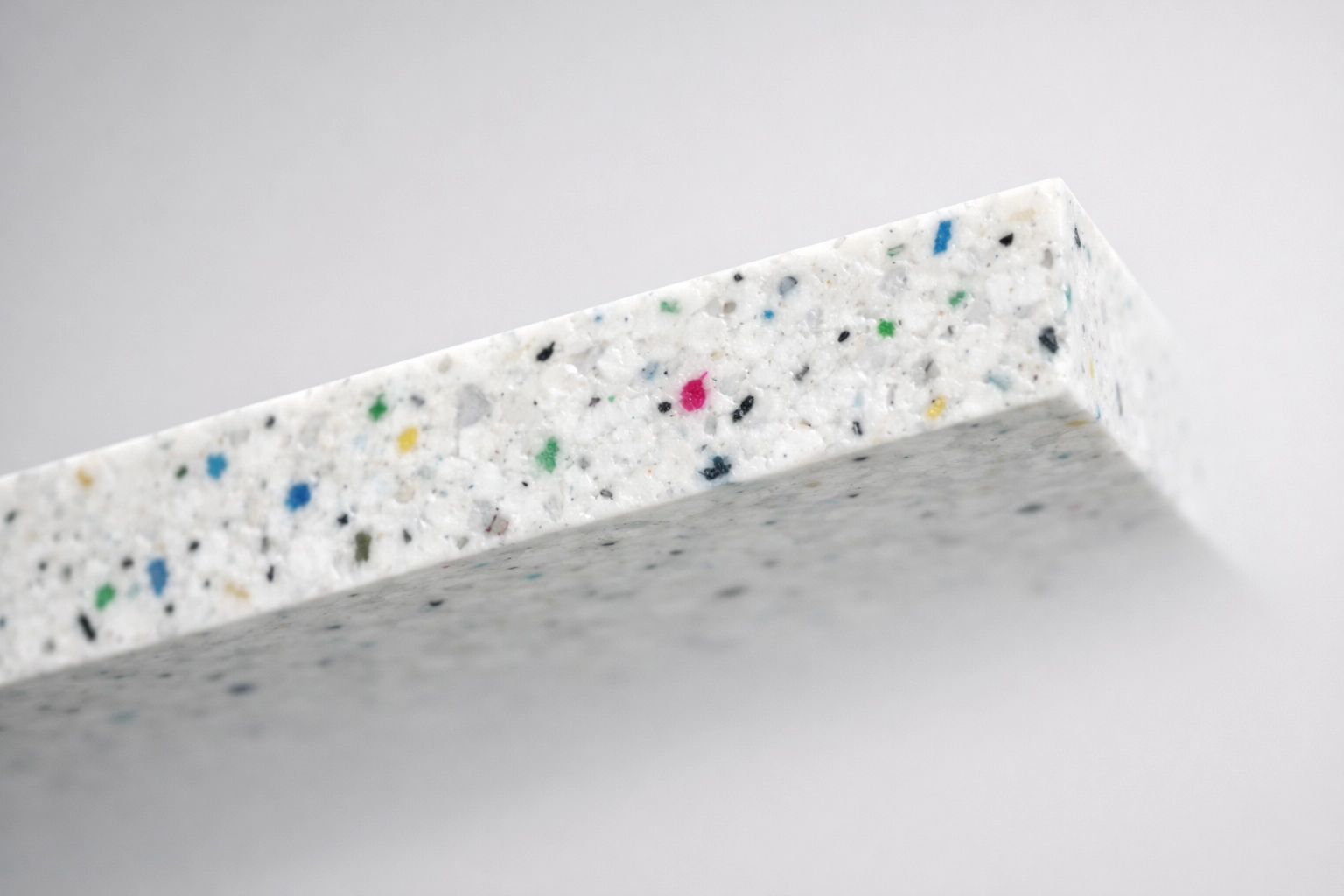
- The Cross-Section Check: Look at the edge of the sheet. Is the colour and texture consistent throughout, or can you see "voids" (air bubbles)? High-quality panels are pressed under immense pressure to ensure a solid, void-free core.
- The Scratch Test: Take a key or a coin and firmly scratch the surface. HDPE and PP will resist deep gouging, whereas LDPE will mark more easily. If the project is a high-traffic retail counter, you want the hardest polymer available.
- The Flex Test: For thinner sheets (below 12mm), try to bend the sample. It should feel "springy" but not brittle. If it snaps or shows white "stress marks" quickly, the plastic may have been overheated during manufacturing, compromising its integrity.
6. Design and Aesthetics: The 2026 Palette
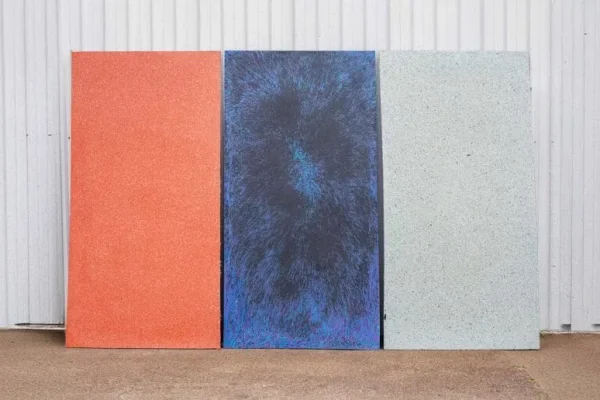
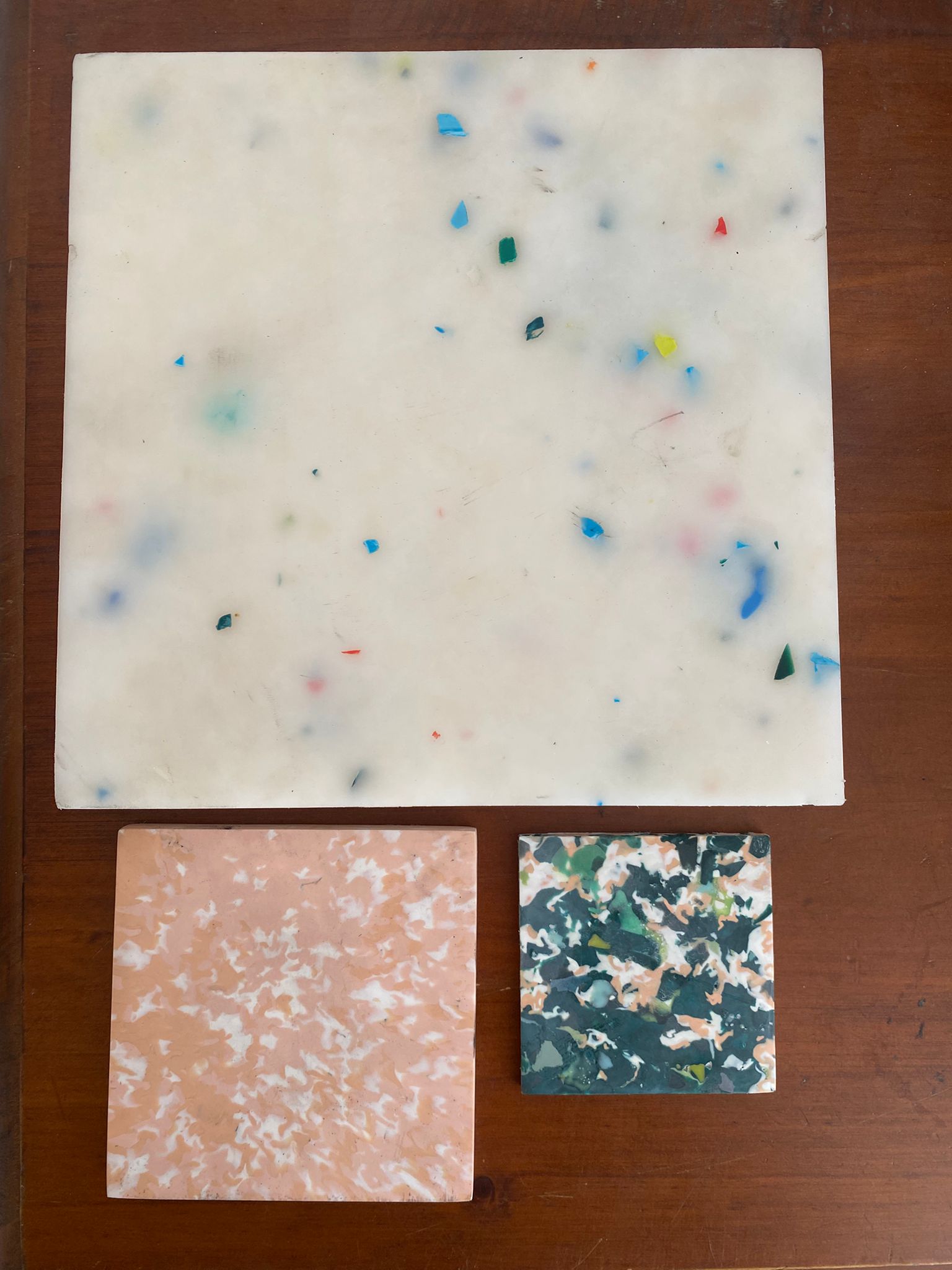
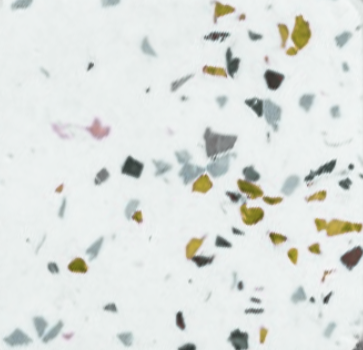
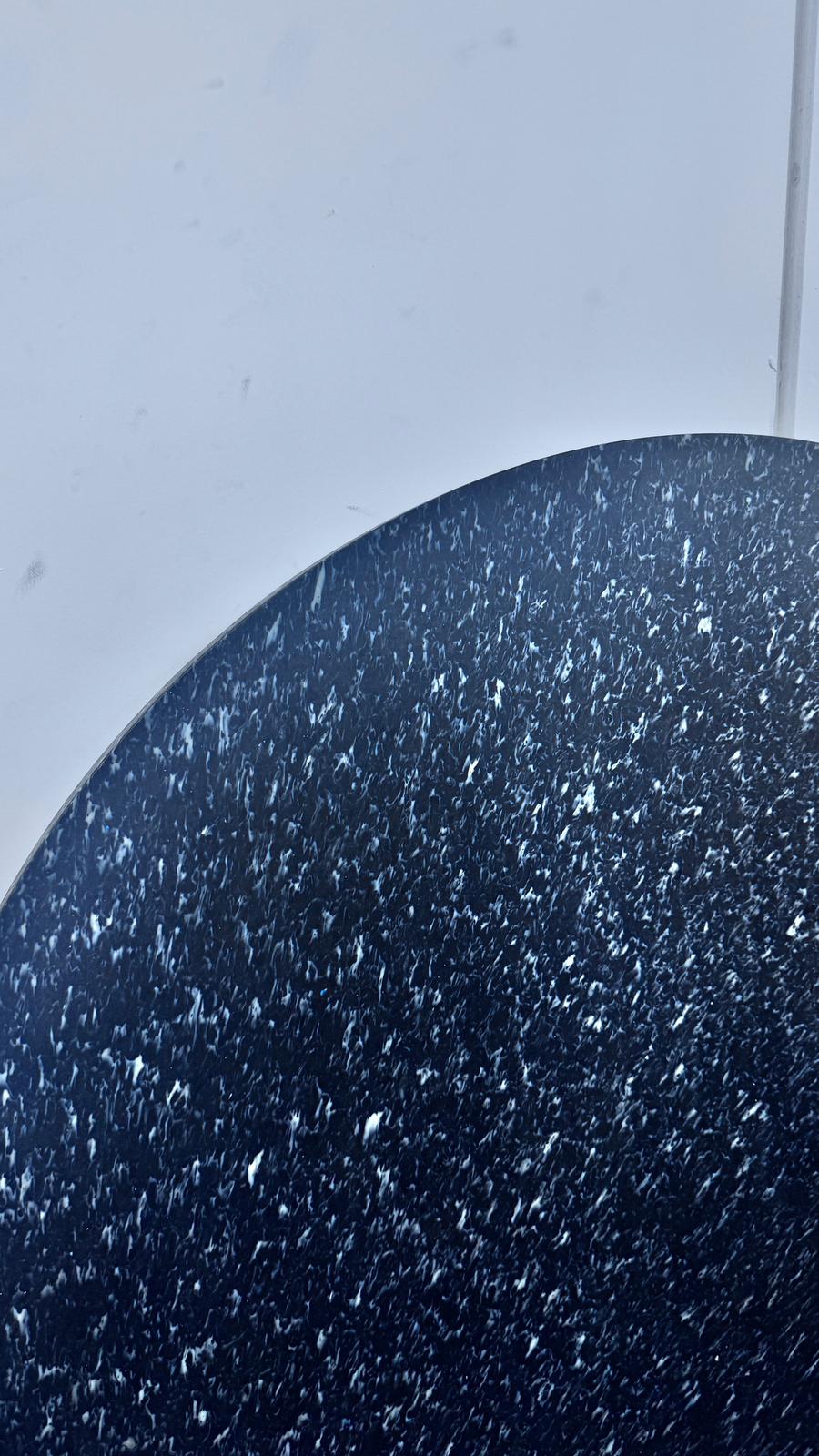
Gone are the days when recycled plastic only came in "industrial grey." Architects now use these materials as statement pieces. Resourceful Living offers 6 popular base colours, including our signature 'N70 White Confetti' and 'Navy Marble.'
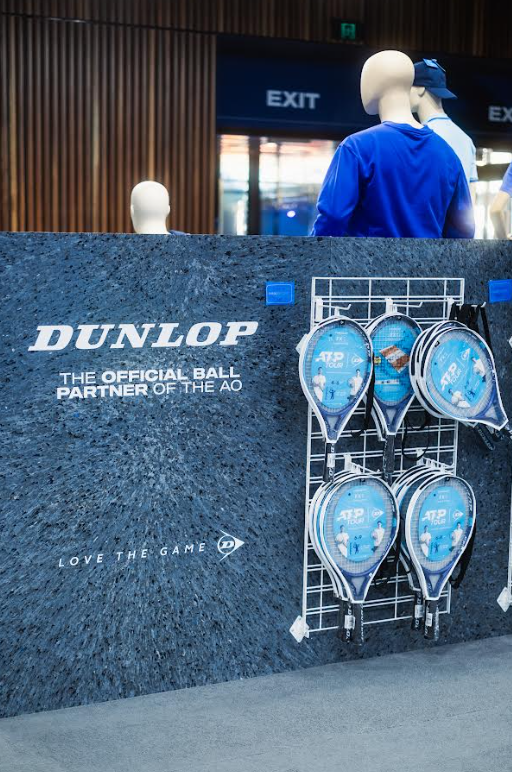
- Custom Manufacturing: Because we control the process from shredding to pressing, we can create custom colourways to match a specific brand identity. For example, we’ve created custom blue panels for retail merchandising displays.
- Finishing: Recycled plastic can be worked with standard woodworking tools. You can CNC it, router the edges for a "bullnose" finish, and even sand it to a matte or polished sheen.
7. Implementation Checklist for Architects
When you are ready to spec recycled plastic sheets for your next project, follow this checklist to ensure the best outcome:
- Identify the Environment: Is it indoor or outdoor? (Requires UV stabilisation).
- Determine the Load: Will it hold weight (HDPE/PP) or is it decorative (LDPE)?
- Select Thickness: Are you using 19mm for joinery or 30mm+ for structural work?
- Verify Circularity: Does the manufacturer have a take-back program? (Resourceful Living does).
- Request Data Sheets: Ask for the technical specifications regarding thermal expansion: plastic expands and contracts more than wood, so you need to allow for "expansion gaps" in your design.
For a deeper dive into how these materials fit into the wider building industry, check out our 2026 Circular Construction Guide.
Why the Switch is Happening Now
In 2026, the push for "Net Zero" and "Zero Waste" is no longer a suggestion; it's a requirement in many commercial tenders. Builders are switching to 100% recycled plastic sheets because they offer a waterproof, rot-proof, and termite-proof alternative to traditional timber products like marine plywood or MDF.
Whether you are designing a school fitout or a residential kitchen, choosing the right recycled plastic sheet is a vote for a more resourceful Australia. It’s about taking what was once "waste" and turning it into a high-performance building material that looks as good as it performs.
If you're ready to see the material in person, you can browse our product categories or contact us for a sample pack of our current 2026 colour range.