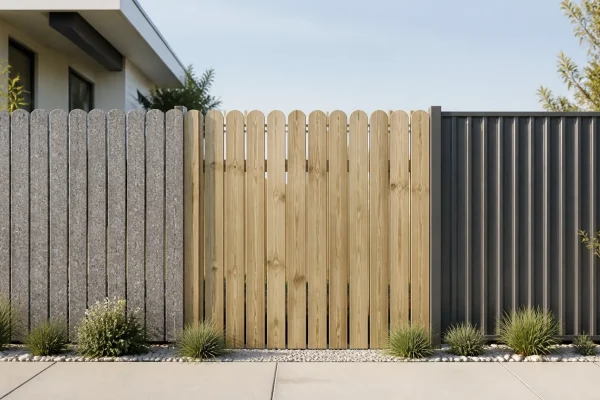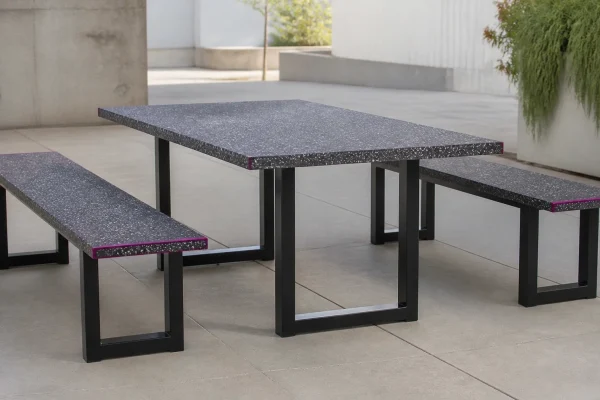
If you’re a builder or renovator in Australia, you’ve likely noticed the shift. The days of defaulting to marine plywood or chemically treated timber for every wet-area or outdoor project are fading. Why? Because the maintenance cycle is a killer for both your margins and your reputation.
Choosing the right recycled plastic board isn’t just about being "green": it’s about choosing a material that performs where traditional options fail. Whether you're looking for recycled plastic sheets for cabinetry or heavy-duty recycled plastic panels for site hoarding, understanding the technical nuances of the material is the difference between a project that lasts five years and one that lasts fifty.
In this guide, we’ll break down exactly how to evaluate these boards based on durability, cost, and application-specific requirements.
1. The Material Reality: HDPE vs. Mixed Plastics
Not all recycled plastic is created equal. If you’ve ever seen a plastic bench that’s warped, faded, or become brittle after one summer in the Australian sun, you’ve seen the result of poor material selection.
High-Density Polyethylene (HDPE)
At Resourceful Living, we focus heavily on HDPE. Why? Because it’s the workhorse of the circular economy. HDPE offers:
- Uniform Density: Unlike mixed plastic "lumber" which can have air pockets or inconsistent cores, high-quality HDPE boards maintain structural integrity throughout the entire cross-section.
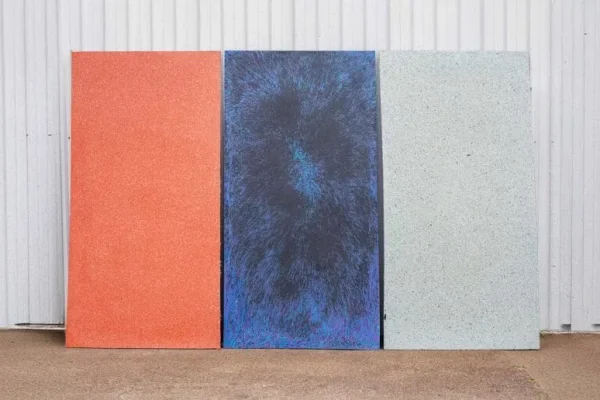
- Colour Consistency: The colour is mixed into the molten plastic during extrusion. If you scratch a navy marbled panel, it’s navy all the way through.
Mixed Recycled Plastics
Often more affordable upfront, mixed plastics (a blend of different polymer types) are suitable for non-structural, low-visibility applications. However, they lack the predictable expansion and contraction rates of pure HDPE, making them trickier for precision joinery.
Expert Tip: For any project requiring precision cutting or visible finishes, always specify 100% recycled HDPE. It mimics the workability of timber but with the longevity of high-grade polymers.
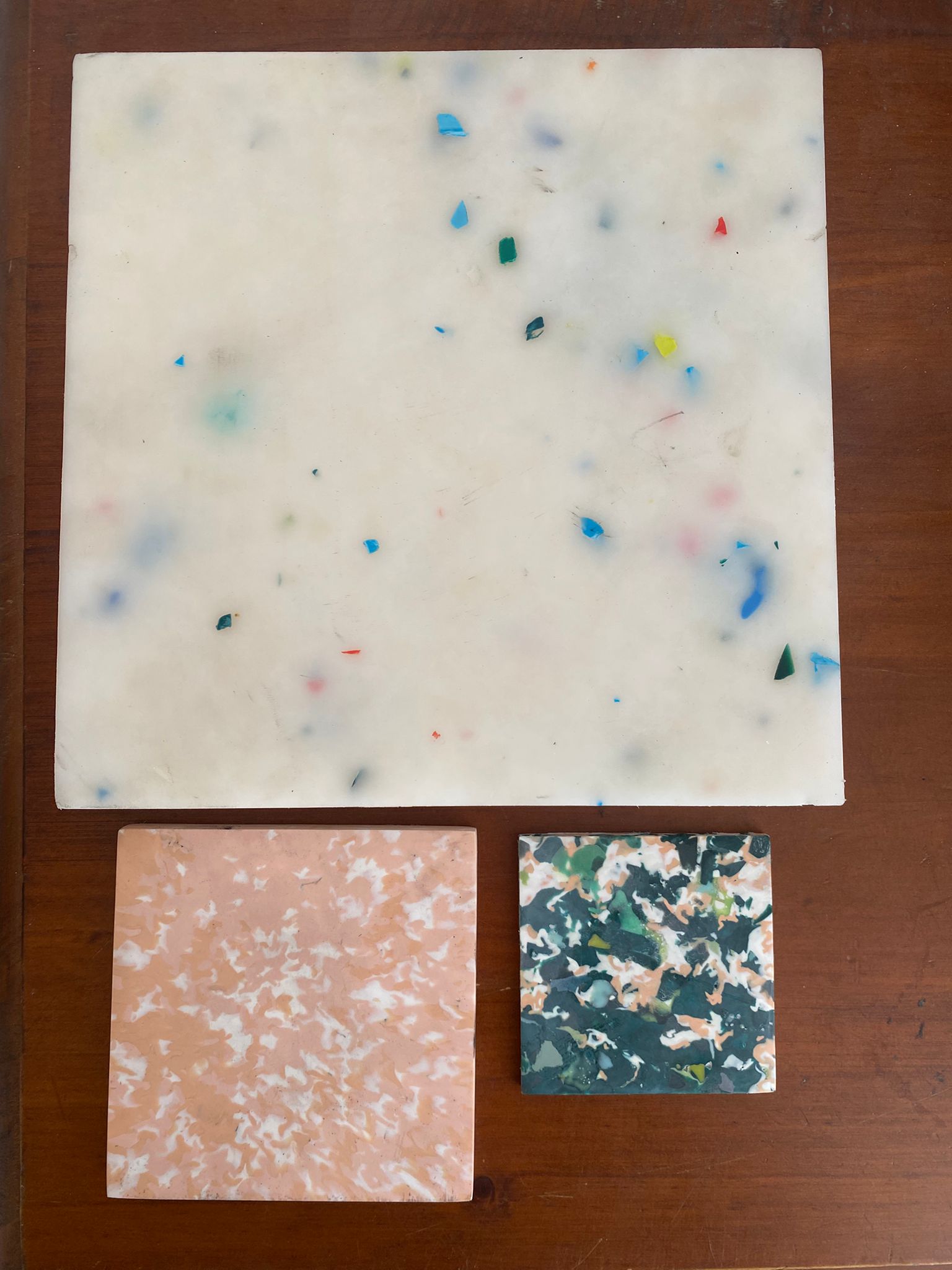
2. Durability: Why Plastic Outlasts Plywood 5 to 1
The biggest hurdle for builders when switching to recycled plastic sheets is the initial price point. It’s no secret that a sheet of 100% recycled plastic costs more than a sheet of standard formply or CD-grade plywood.
However, looking at the initial cost is a rookie mistake. You need to look at the Total Cost of Ownership (TCO).
The 5x Rule
Standard plywood in an outdoor or high-moisture environment has a predictable failure rate. Even with regular staining and sealing, delamination and rot are inevitable. Research and field testing show that recycled plastic board lasts at least five times longer than traditional timber alternatives in harsh environments.
- Zero Rot: It is biologically inert. It won't grow mould, it won't rot, and termites won't touch it.
- No Delamination: Because it’s a solid, homogenous sheet, there are no layers to peel apart.
- Abrasion Resistance: Our panels are designed to handle high-traffic impact, making them ideal for commercial fit-outs and mining rehabilitation products.
For a deeper dive into how these materials hold up in extreme industrial environments, check out why mining operations are switching to recycled plastic.
3. Comparing the Specs: A Quick Guide
When you're comparing quotes, use this table to see how different grades of recycled plastic board stack up.
| Feature | HDPE Recycled Board | Mixed Plastic Board | Plywood (Marine/Exterior) |
|---|---|---|---|
| Lifespan | 50+ Years | 15–20 Years | 5–10 Years (Maintained) |
| Maintenance | Zero (Soap & Water) | Low | High (Sanding/Sealing) |
| UV Resistance | Excellent (Stabilised) | Variable | Poor (Fades/Cracks) |
| Moisture Absorption | 0% | <1% | High (Swelling) |
| Workability | Like Hardwood | Variable | Excellent |
4. Thickness and Versatility: 3mm to 40mm
One of the most common questions we get is, "What thickness do I actually need?" Unlike timber, which comes in standard increments, recycled plastic panels offer a broader range of functional thicknesses for specific trades.
- 3mm – 6mm: Ideal for wall linings, splashbacks, and lightweight retail displays. These are flexible enough to follow slight curves but rigid enough to provide a clean finish.
- 10mm – 15mm: The "sweet spot" for cabinetry, furniture components, and signage. This thickness provides excellent screw-holding strength.
- 19mm – 25mm: Perfect for heavy-duty workbenches, tabletops, and partition systems.
- 30mm – 40mm: Structural-grade thickness. Used for heavy-duty industrial flooring, load-bearing steps, and playground equipment.
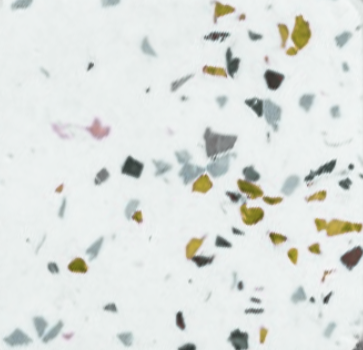
5. UV Stabilisation: The "Invisible" Must-Have
In Australia, the sun is your material’s worst enemy. If you are using recycled plastic sheets outdoors, you must ensure they are UV stabilised.
Low-grade recycled plastics often only have a surface UV coating. Within 36 months, the Australian sun eats through that coating, leading to "chalking" and brittleness. At Resourceful Living, our UV stabilisers are integrated at the molecular level during the manufacturing process. This ensures the board remains structural and aesthetically consistent for decades, not just seasons.
If you're unsure about the longevity of your chosen material, read our guide on 7 mistakes to avoid when choosing sustainable materials.
6. Workability: Can You Use Standard Tools?
One of the biggest myths about recycled plastic board is that you need specialised industrial equipment to work with it.
You don't.
If you have a well-equipped woodshop, you’re ready to go.
- Cutting: Use standard circular saws or table saws. We recommend high-tooth-count carbide-tipped blades for the cleanest finish.
- Drilling: Standard high-speed steel (HSS) bits work perfectly. Just remember that plastic expands and contracts slightly with temperature, so "oversizing" your pilot holes by 1-2mm for outdoor installs is a smart move.
- Routing: These boards CNC and hand-route beautifully. They don't splinter or grain-rip, allowing for incredibly intricate designs.
7. The Environmental and Social "Win"
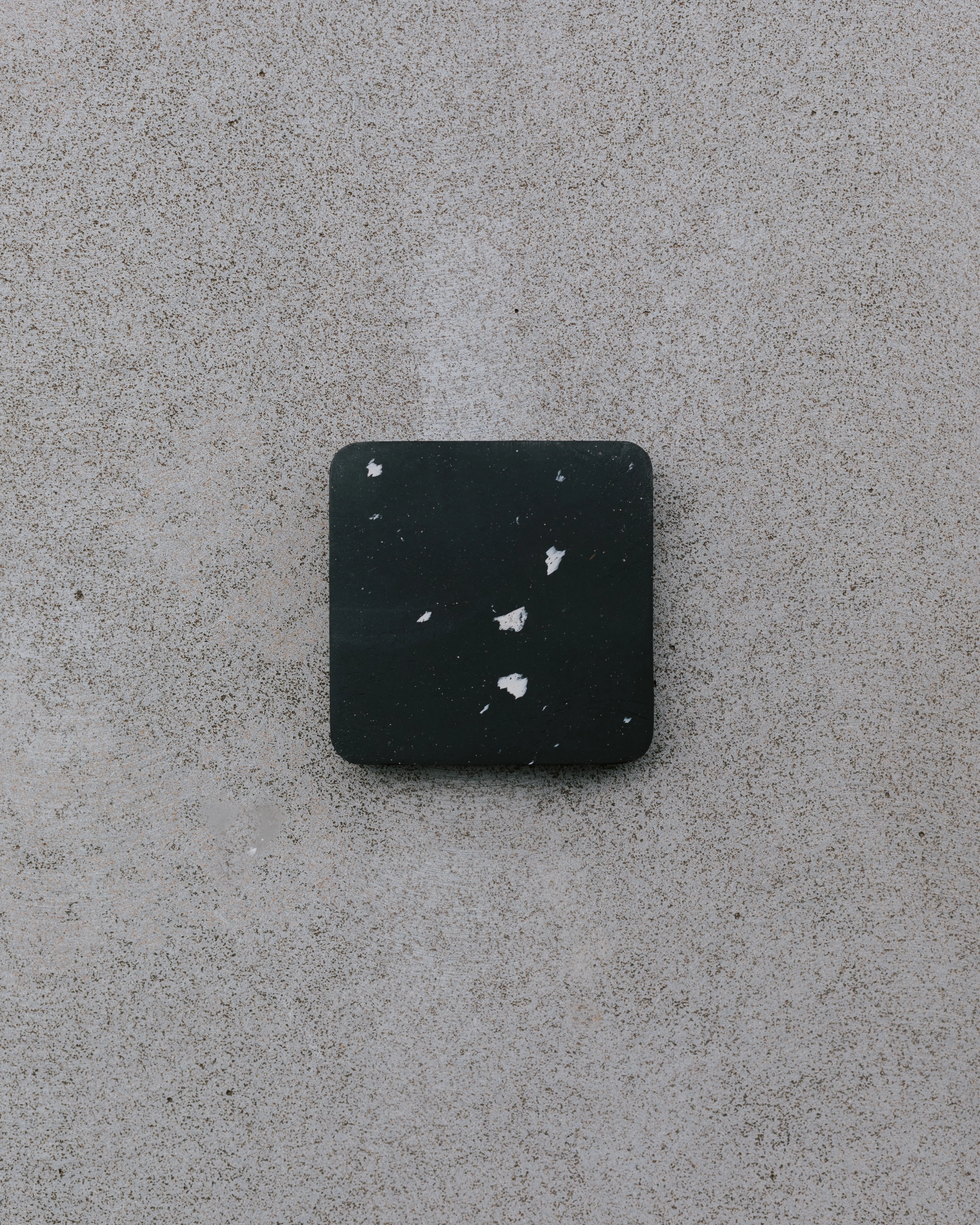
For many Tier 1 builders and government contractors, the choice is increasingly driven by procurement policies. Using 100% recycled Australian plastic helps you meet Social Procurement and Circular Economy targets.
Every sheet we produce is traceable back to Australian waste streams. This isn't just a board; it's a documented diversion of waste from landfill. Many of our clients find that using these materials helps them win tenders by demonstrating a tangible commitment to sustainable infrastructure.
"We aren't just selling plastic; we're providing a circular solution that keeps Australian waste out of the ground and in the economy." : Jess Hodge, CEO, Resourceful Living

Checklist: How to Choose Your Board
Before you place your order, run through this quick checklist to ensure you're getting the right tool for the job:
- ✅ Is it 100% Recycled? Avoid "virgin-heavy" blends if your goal is sustainability.
- ✅ What is the Polymer? HDPE is preferred for most construction and furniture applications.
- ✅ Is it UV Stabilised? Vital for any outdoor exposure.
- ✅ Does the manufacturer offer a take-back program? True circularity means the board can be recycled again at the end of its life.
- ✅ Is it Australian Made? Minimise your carbon footprint by reducing transport distances.
Summary
Choosing the best recycled plastic board comes down to balancing the upfront investment with the long-term performance. While a 19mm recycled plastic sheet might cost more than a sheet of ply today, the fact that it won't require replacement in five years makes it the most cost-effective choice for any serious builder or renovator.
Ready to see how these panels can transform your next project? Explore our range of 100% recycled plastic panels for commercial fit-outs or get in touch for a custom quote.
Key Takeaways for Your Next Build:
- Go for HDPE for maximum durability and finish quality.
- Calculate TCO, not just the purchase price.
- Specify thickness based on load: 3mm for aesthetics, 19mm+ for structure.
- Demand UV stabilisation for any outdoor project.