The Australian building industry is currently undergoing one of its most significant shifts in decades. With the recent bans and tighter regulations surrounding engineered stone due to silicosis risks, builders, designers, and homeowners are looking for a safer, more sustainable alternative that doesn’t sacrifice style or durability.
Enter recycled plastic benchtops.
At Resourceful Living, we’ve seen a massive surge in interest as people realise that high-density polyethylene (HDPE) and other recycled polymers aren’t just “waste”: they are high-performance building materials. If you’re weighing up your options for a kitchen renovation, a commercial fit-out, or an outdoor BBQ area, choosing the right material is critical.
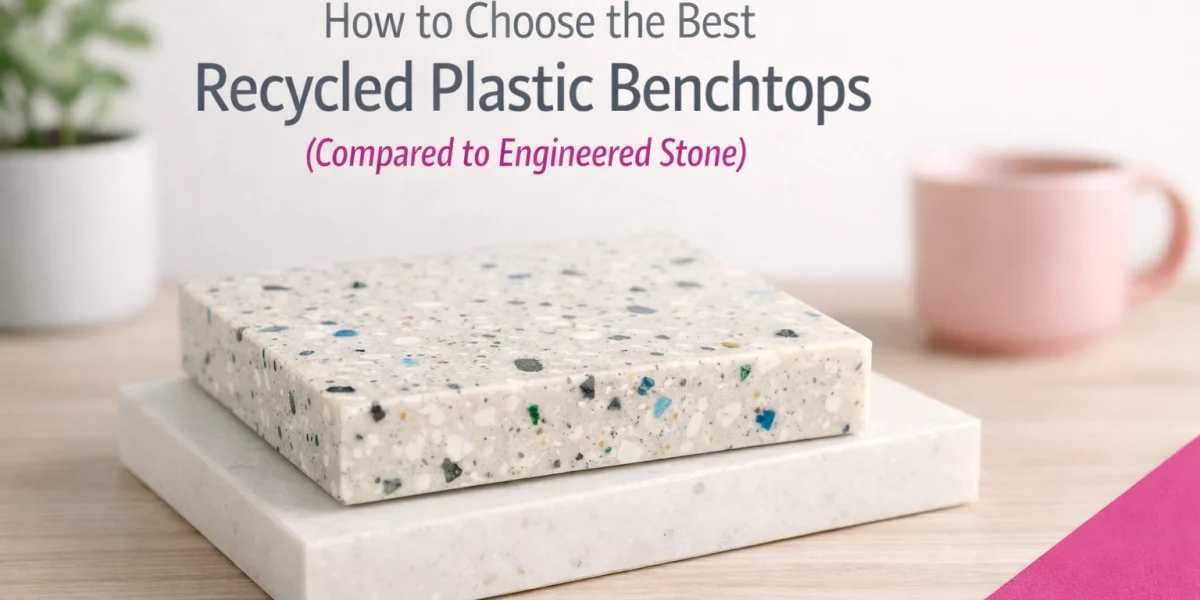
This guide will break down how to choose the best recycled plastic benchtops and why they are rapidly becoming the preferred choice over traditional engineered stone.
The Silica-Free Revolution: Why Safety Matters
The most pressing reason many Australians are moving away from engineered stone is health. Engineered stone is typically composed of up to 90% crushed quartz, which contains high levels of crystalline silica. When this material is cut, ground, or polished, it releases fine dust that can cause fatal lung diseases.
Recycled plastic benchtops are 100% silica-free.
By choosing recycled plastic, you aren’t just protecting the environment; you are protecting the tradespeople who fabricate and install your surfaces.
- ✅ Zero Respirable Crystalline Silica (RCS): Safe for cutting and joining on-site.
- ✅ No Specialist PPE Required: Standard woodworking tools and basic safety gear are all that’s needed.
- ✅ Peace of Mind: You are installing a product that is inherently safe for everyone involved in its lifecycle.
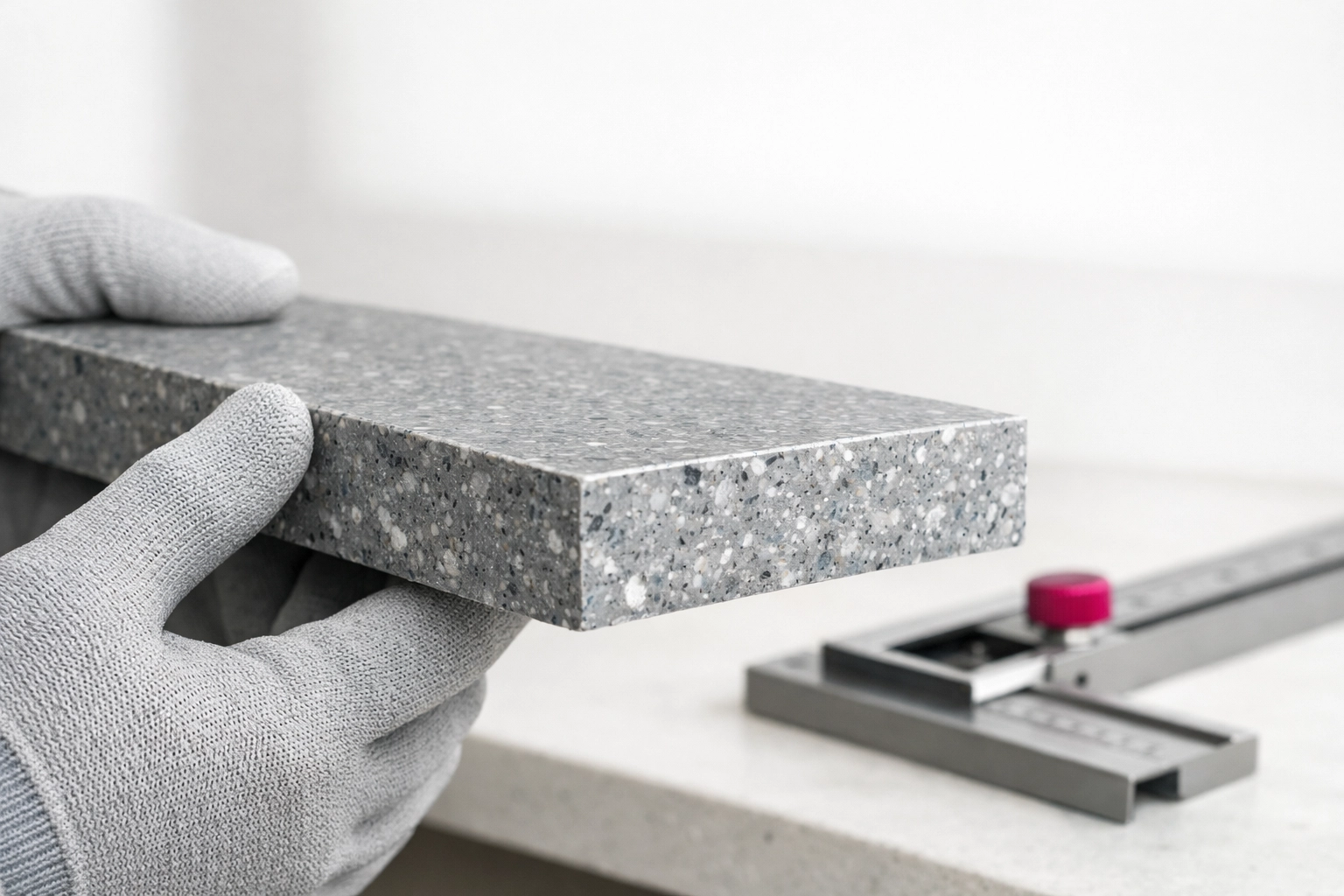
Recycled Plastic vs. Engineered Stone: The Direct Comparison
When choosing a benchtop, you need to look at more than just the surface-level appearance. You need to consider durability, weight, and the circular economy.
| Feature | Engineered Stone | Recycled Plastic (Resourceful Living) |
|---|---|---|
| Material Composition | Quartz, Resins, Pigments | 100% Post-Consumer/Industrial Plastic |
| Silica Content | High (Dangerous) | Zero (Safe) |
| Weight | Very Heavy (approx. 50-60kg/m²) | Lightweight (approx. 18-22kg/m²) |
| Repairability | Difficult/Professional only | Easy (Can be sanded or buffed) |
| Sustainability | Low (Mining & Landfill-bound) | High (Circular & Fully Recyclable) |
| Porosity | Non-porous | Non-porous & Antibacterial |
Weight and Installation Efficiency
One of the most overlooked benefits of recycled plastic benchtops is their weight. Recycled plastic is approximately one-third the weight of engineered stone.
This means easier transportation, lower shipping costs, and a significantly reduced risk of injury during installation. Because the material can be worked with standard woodworking tools, installers can make precision adjustments on-site without needing heavy-duty masonry equipment. For a deep dive into how these materials compare to others, check out our analysis on recycled plastic vs timber vs steel.
Sustainability and the Circular Economy
Traditional engineered stone is a “linear” product. It is mined, manufactured, installed, and eventually ends up in a landfill. It cannot be easily repurposed or recycled once it has been bonded with resins.
Recycled plastic benchtops operate within a circular economy. At Resourceful Living, we take plastic waste that would otherwise clog our oceans or landfill: like detergent bottles and milk crates: and turn them into high-value architectural surfaces.
“Sustainability isn’t just a buzzword; it’s about material transparency. Every benchtop we produce tells a story of diverted waste and carbon reduction.”
By choosing these products, you are actively participating in circular procurement. Furthermore, if the benchtop is ever removed in 20 or 30 years, it can be re-ground and recycled again, ensuring it never enters the waste stream.
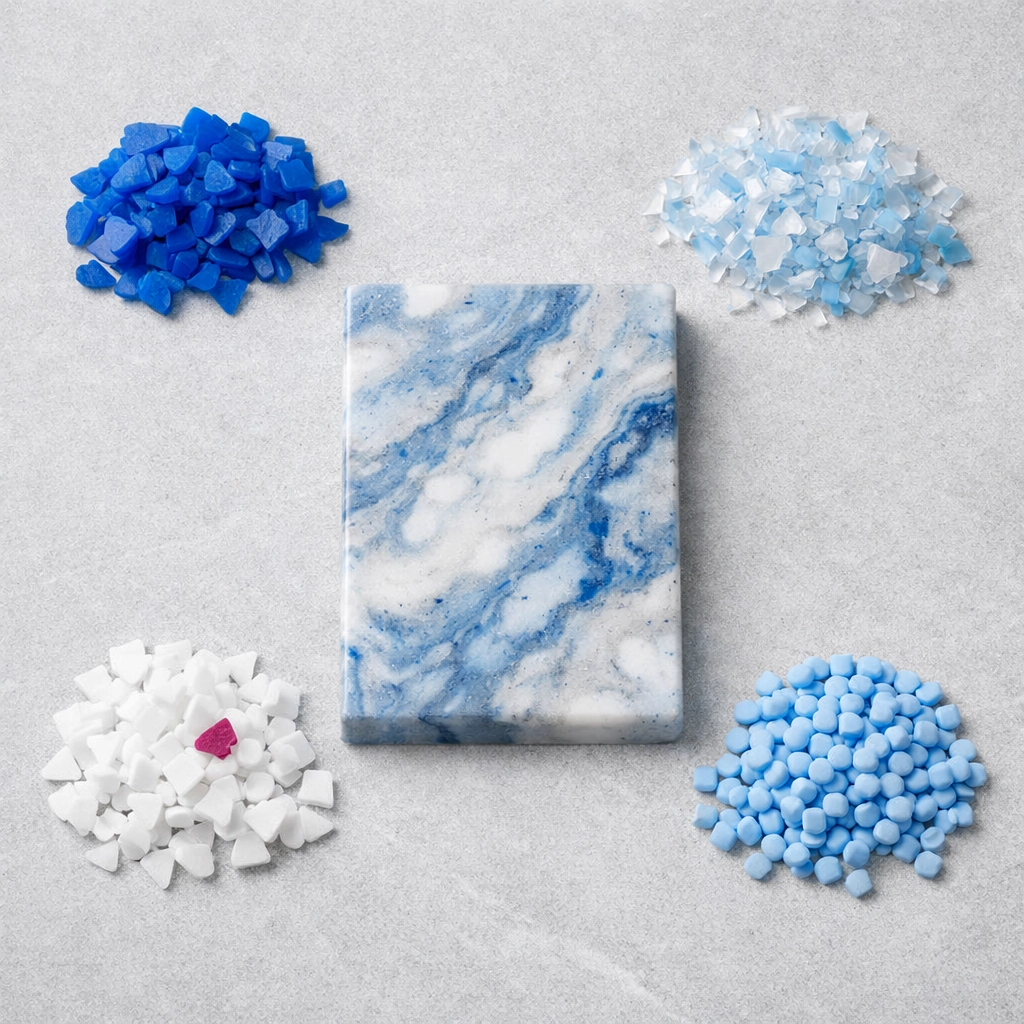
Key Criteria for Choosing a Quality Recycled Plastic Benchtop
Not all recycled plastic panels are created equal. When sourcing your material, look for these three key indicators of quality:
1. Material Density and Consistency
Ensure the benchtop is made from 100% recycled HDPE (High-Density Polyethylene) or LDPE. Some cheaper imports may contain fillers that compromise the structural integrity. A high-quality panel should be solid through the core, with no air pockets or “honeycombing.”
2. UV Stability
If your benchtop is for an outdoor kitchen or a high-sunlight area, ask about UV stabilisation. While HDPE is naturally hardy, specific additives ensure the colours remain vibrant under the harsh Australian sun. This is a major factor in the future of sustainable building.
3. Surface Finish and Workability
A premium recycled plastic benchtop should arrive with a consistent finish but offer the flexibility to be finished to your preference (matte, satin, or gloss).
The Aesthetic Factor: Why “Unique” is the New “Luxury”
For years, the goal of benchtops was to look like a uniform slab of marble. But design trends are shifting toward authenticity and storytelling.
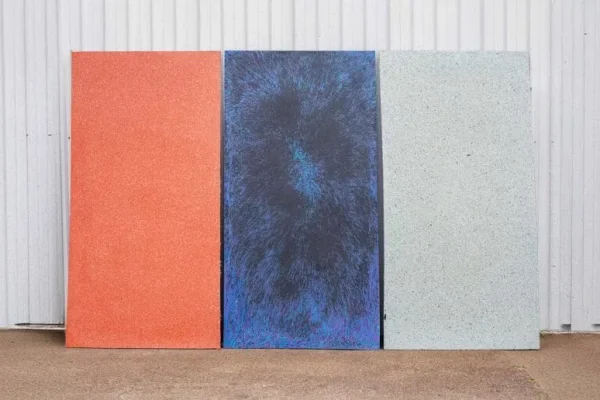
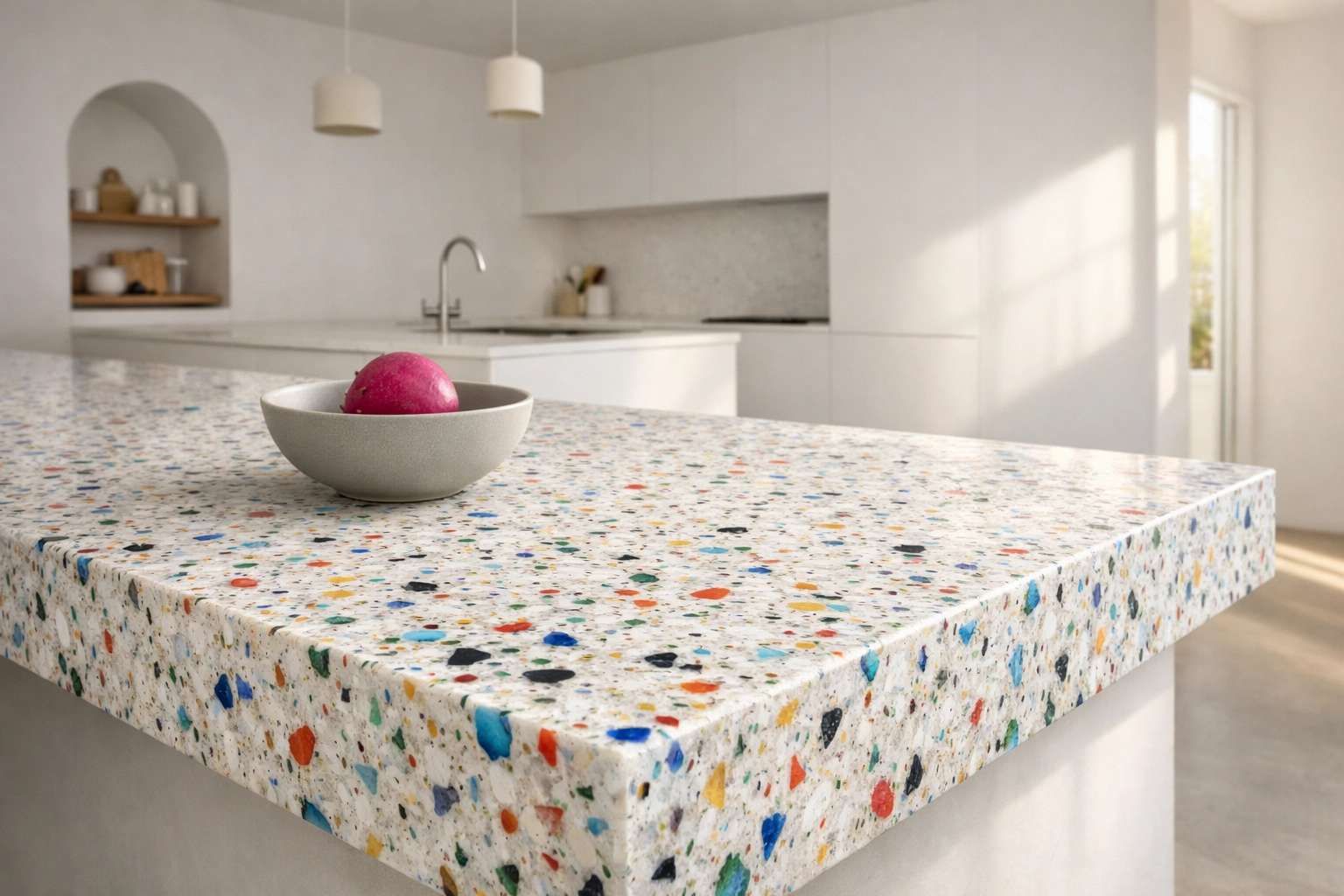
Recycled plastic benchtops offer a unique “confetti” or “marbled” aesthetic that cannot be replicated. Because the colours come from the original plastic waste (think blue bottle caps or yellow detergent tubs), each slab has its own character.
- Custom Colour Paths: You can often choose “colour ways” that suit your brand or interior palette.
- Tactile Warmth: Unlike stone, which is cold to the touch, plastic has a natural warmth and “softness” while remaining incredibly hard-wearing.
- Storytelling: Being able to tell your clients or guests that their benchtop saved 5,000 milk bottles from landfill is a powerful narrative.
Maintenance: Keeping Your Benchtop Pristine
Maintaining a recycled plastic benchtop is arguably easier than maintaining stone. Because the material is non-porous, it won’t absorb wine, beetroot, or coffee stains.
Maintenance Tips:
- Cleaning: Simply use warm soapy water and a soft cloth. Avoid abrasive scouring pads.
- Heat Resistance: Like most surfaces (including engineered stone), you should use a trivet for hot pots and pans straight off the stove.
- Repairing Scratches: This is where recycled plastic shines. Minor scratches can often be buffed out with fine-grit sandpaper or a scouring pad, something that is impossible with stone without professional help.
Applications Beyond the Kitchen
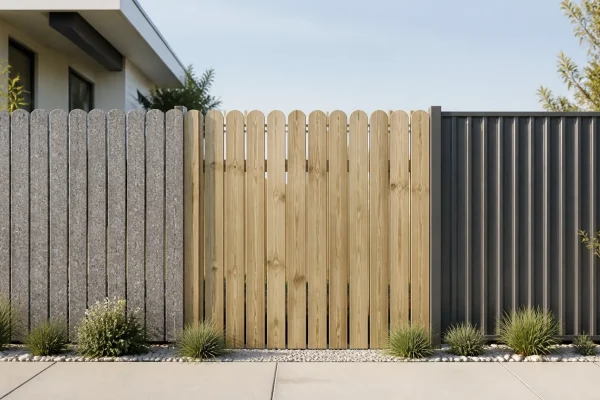
While we often talk about kitchen benchtops, the versatility of this material makes it ideal for a range of eco-friendly building products in Australia. Consider using recycled plastic for:
- Commercial Vanities: High-traffic bathroom areas where hygiene is paramount.
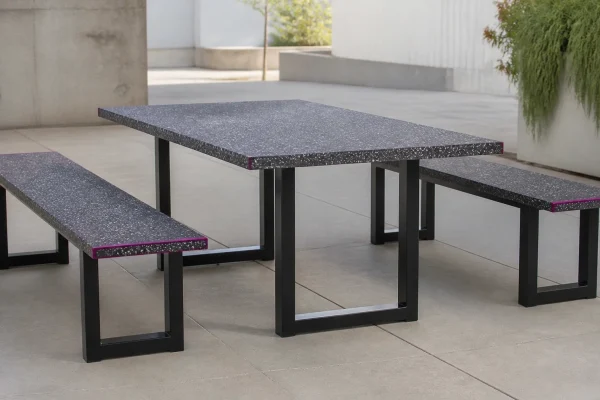
- Outdoor BBQ Areas: Where timber would rot and stone might crack in the heat.
- Retail Point-of-Sale Counters: Where high impact resistance is required.
- Laboratory Benches: Due to its excellent chemical resistance.
For those in more heavy-duty industries, we even provide recycled plastic products for mining sites, proving the material’s incredible durability in the toughest environments.
Final Thoughts: Making the Switch
Choosing the best recycled plastic benchtop comes down to understanding the life cycle environmental impact. When you compare the health risks of silica and the carbon footprint of stone mining to the circular, safe, and aesthetic benefits of recycled plastic, the choice becomes clear.
If you are ready to specify recycled plastic for your next project, look for Australian manufacturers who provide full transparency on their waste sources and manufacturing processes.
Ready to start your sustainable build? Explore our range of recycled plastic panels and let’s turn your waste into a masterpiece.
Summary Checklist for Buyers:
- Silica-free certification? (Crucial for safety)
- 100% recycled content? (Avoid blends if you want true circularity)
- UV Stable? (If using outdoors)
- Solid core? (Check for density and consistency)
- Local Australian manufacturing? (Reduce transport emissions)