When we talk about "sustainability" in the construction world, it often feels like a box-ticking exercise. We look at carbon offsets, energy ratings, and waste management plans because the tender requires it. But every so often, a project comes along that reminds us why we’re actually doing this.
The Currumbin Wildlife Sanctuary project is one of those moments.
Located on the Gold Coast, the sanctuary isn’t just a tourist destination; it’s a frontline defense for Australian biodiversity. Every year, their wildlife hospital treats thousands of animals, many of whom are victims of the very thing we produce too much of: plastic.
By integrating recycled plastic sheets Australia-wide into their infrastructure, Currumbin didn't just build a functional space; they closed a loop that directly protects the wildlife they serve. For Tier 1 builders and developers, this project serves as a definitive circular economy case study on how to balance heavy-duty performance with genuine environmental stewardship.
The Hard Truth: Why This Project Mattered
Australia has a plastic problem. It’s estimated that over 130,000 tonnes of plastic leak into our marine environment annually. For the vets at Currumbin Wildlife Hospital, this isn't a statistic, it’s a daily reality. They see the turtles entangled in ghost nets and the seabirds with bellies full of microplastics.
The sanctuary recognised that they couldn't simply preach conservation; they had to embody it in their physical footprint. They needed a sustainable construction project that could withstand the harsh, humid, and high-traffic environment of a world-class wildlife park while ensuring that no "virgin" plastic was added to the cycle.
"By choosing materials made from 100% Australian waste, we aren't just preventing plastic from entering the ocean; we are giving that waste a structural purpose that lasts decades."
How Resourceful Living Stepped In
For the Currumbin project, the requirements were non-negotiable. The materials had to be:
- 100% Recycled: No fillers, no resins, no "greenwashing."
- Weather-Proof: Able to handle the subtropical QLD climate (intense UV and high humidity).
- Aesthetically Versatile: Fitting the natural, educational vibe of the sanctuary.
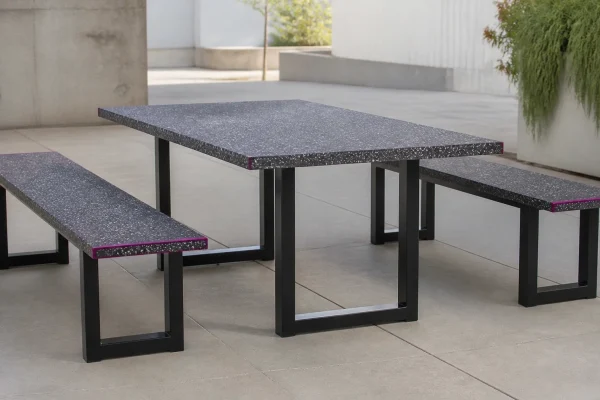
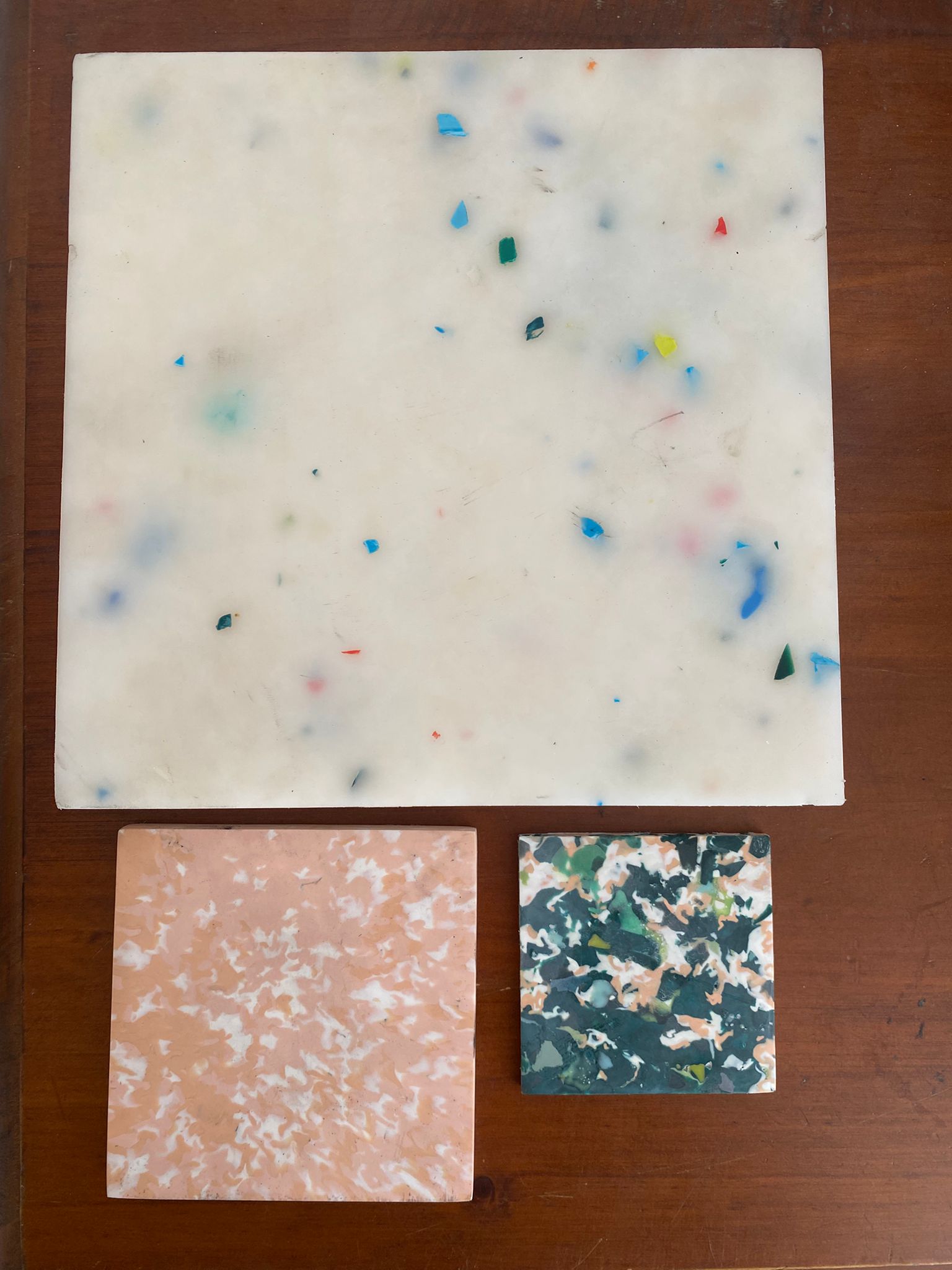
We supplied our premium recycled plastic sheets, manufactured right here in Australia. These panels were used for everything from high-use benchtops to educational displays and outdoor signage.
Diverting Waste by the Tonne
One of the most significant impacts of this project was the sheer volume of waste diverted from landfills. For every square metre of 20mm panel used, we effectively "locked away" roughly 18kg of plastic waste.
When you scale that across a commercial fit-out, you aren't just hitting an ESG target; you’re physically removing a mountain of waste from the Australian ecosystem. If you're looking to replicate these results, our 5 steps to choose sustainable construction materials is a great place to start.
Why Recycled Plastic Beats Traditional Materials in "The Wild"
Builders often ask me: "Jess, is it actually as good as timber or marine ply?"
In an environment like Currumbin, recycled plastic panels actually outperform traditional materials. Here is why Tier 1 builders are increasingly making the switch:
1. Zero Rot, Zero Maintenance
Traditional timber or even treated plywood eventually succumbs to the "big three" of outdoor failure: moisture, termites, and rot. In a wildlife sanctuary where hygiene is paramount, you can't afford porous materials that harbour bacteria. Our panels are completely non-porous. You can pressure wash them, scrub them with industrial cleaners, and leave them in a tropical downpour, they won't swell, delaminate, or degrade.
2. UV Stability
The Australian sun is brutal on building materials. We've engineered our recycled plastic sheets Australia range to be UV-stabilised, ensuring they don't become brittle or fade significantly over time. This makes them ideal for public infrastructure. Check out our deep dive on why recycled plastic panels are taking over in 2026 for more technical data.
3. Impact Resistance
Let’s be honest: public spaces take a beating. Whether it's kids climbing on displays or heavy equipment being moved around, our panels offer a high strength-to-weight ratio. They don't dent like metal or splinter like wood.
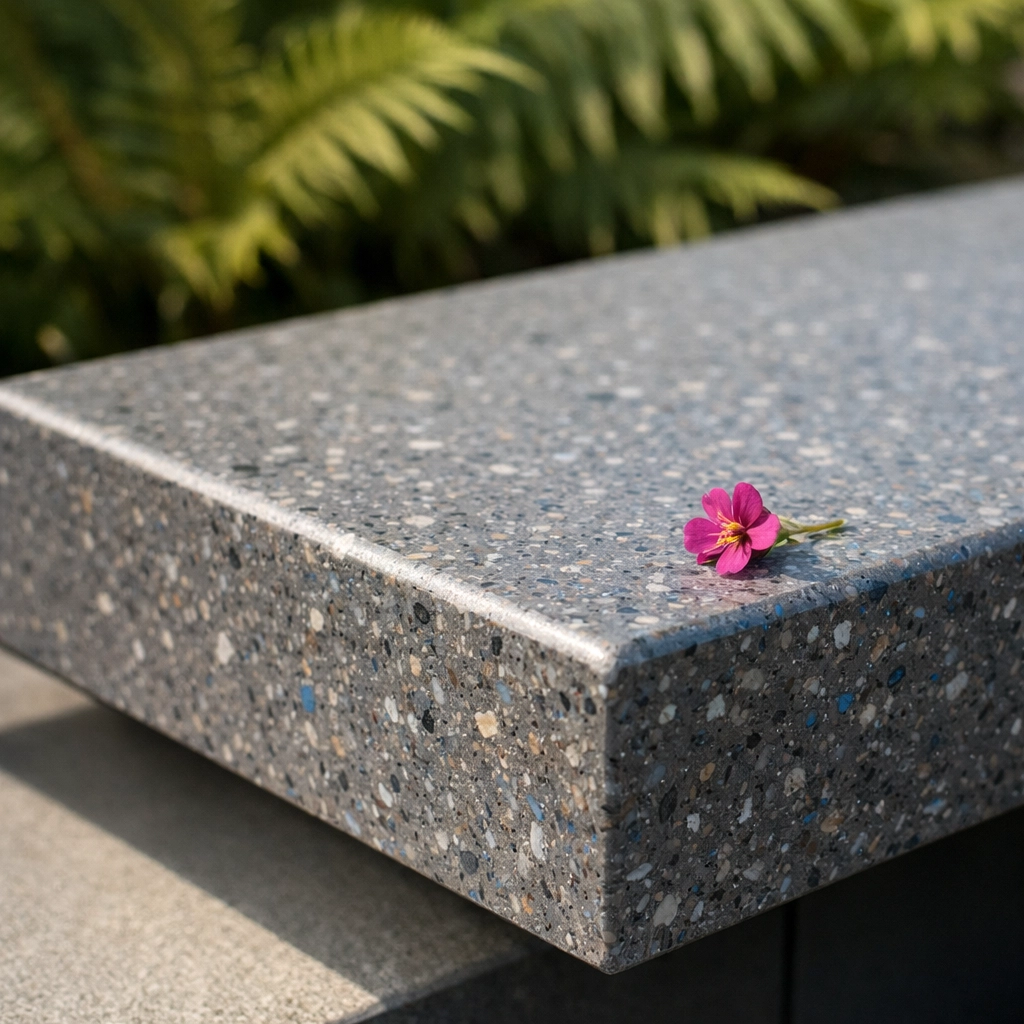
Caption: A close-up of a high-traffic installation area, showing the seamless finish and durability of the recycled plastic sheets.
Proving Quality to Tier 1 Builders
We know that for major contractors, "sustainability" is only attractive if it doesn't come with a "reliability" penalty. The Currumbin project proves that you can have both.
If you are working on a Tier 1 tender, you are likely facing strict embodied carbon requirements. Using 100% recycled plastic panels is one of the fastest ways to slash the carbon footprint of a project's "Material Life Cycle." Because our materials are sourced and made in Australia, the transport emissions are significantly lower than imported "eco" products.
For a full breakdown of how to integrate these materials into your next major bid, see The 2026 Circular Construction Guide.
The "Aesthetic" Win
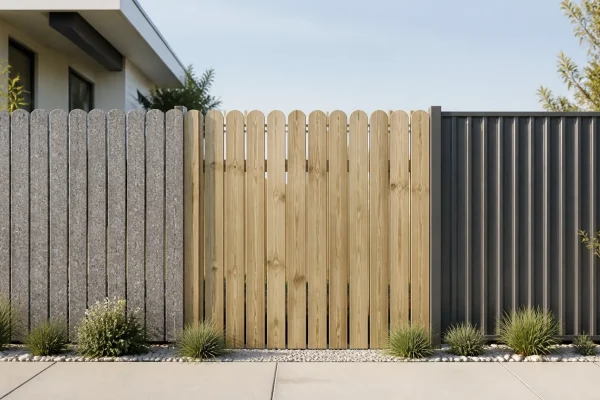
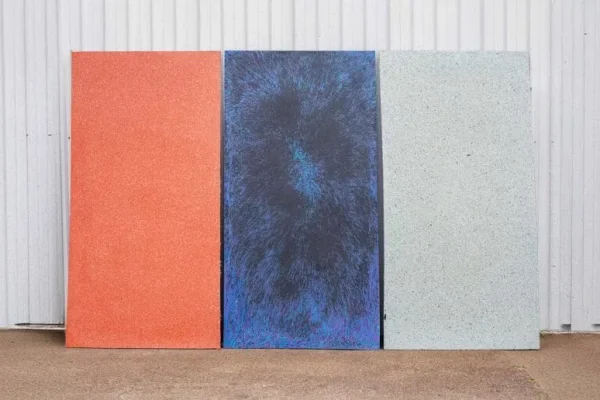
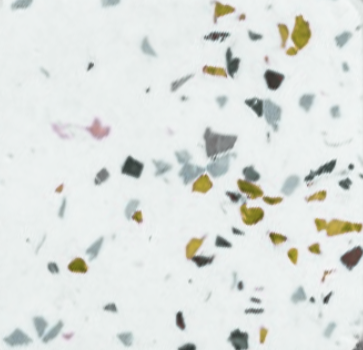
Sustainable doesn't have to look "recycled." For Currumbin, we used patterns like our 'N70 White Confetti' to create a clean, modern look that still hinted at the material's origin.
The Circular Advantage: The Take-Back Scheme
What happens to these materials in 20 or 30 years? This is where Resourceful Living separates itself from standard suppliers.
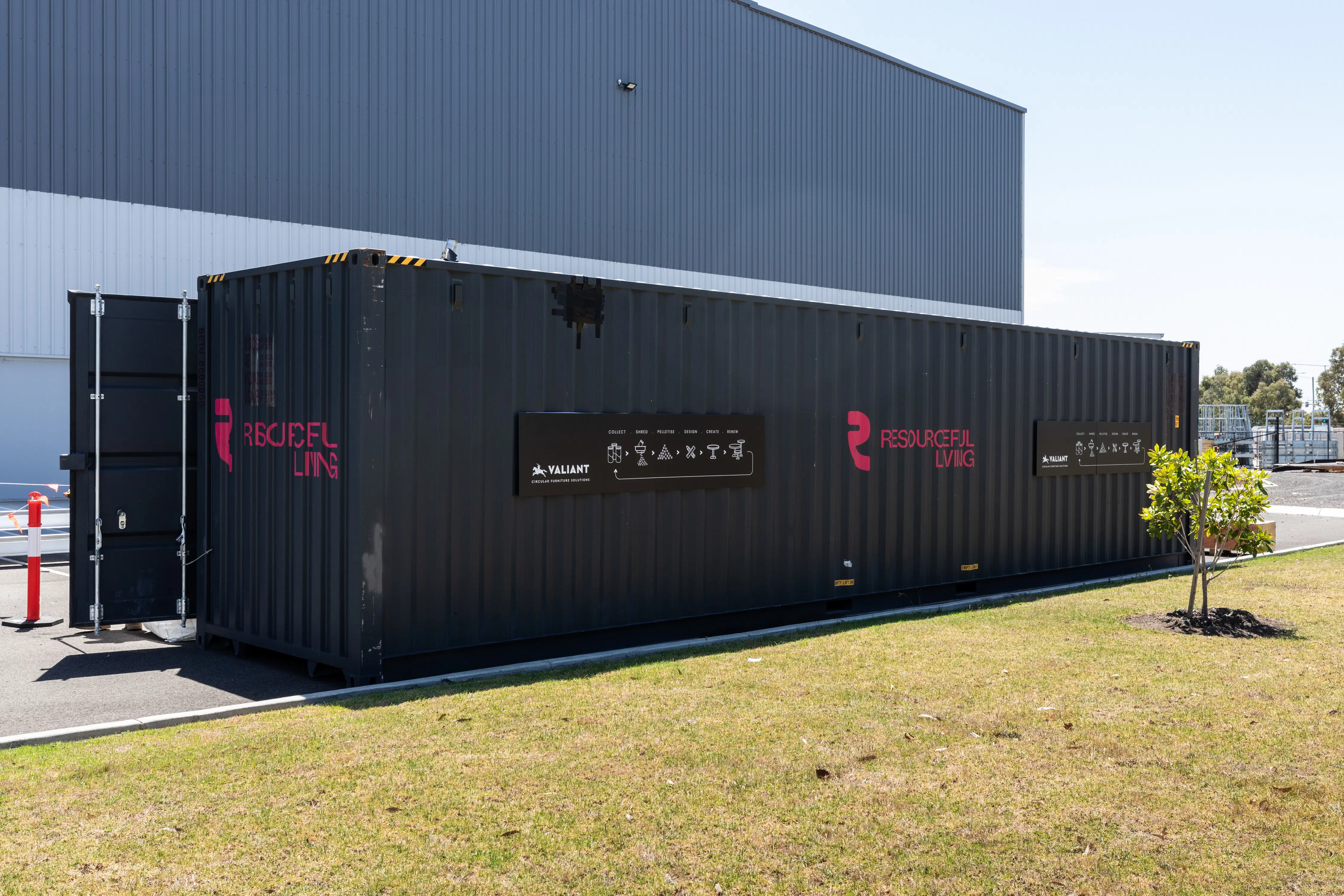
As part of our Circular Economy commitment, any panel we sell is eligible for our Buy-Back Scheme. If Currumbin ever decides to renovate or replace their displays, we don't want those panels ending up in a skip bin. We will take them back, granulate them, and turn them into new panels.
This is the definition of a closed-loop system. It’s why builders are increasingly switching to 100% recycled plastic sheets in 2026.
Performance Comparison: At a Glance
| Feature | Recycled Plastic Panels | Marine Plywood | Treated Timber |
|---|---|---|---|
| Moisture Resistance | 100% (Waterproof) | High (but temporary) | Low (prone to rot) |
| Termite Proof | Yes | No | No (requires chemicals) |
| Maintenance | Zero | High (staining/sealing) | High (sanding/painting) |
| End-of-Life | 100% Recyclable | Landfill | Landfill (toxic chemicals) |
| Carbon Impact | Low (recycled waste) | High (virgin timber) | Medium |
Implementing Circularity in Your Next Project
The Currumbin Wildlife Sanctuary success story isn't an outlier: it’s a blueprint. Whether you’re designing a commercial kitchen, a public park, or a modular office space, the transition to circular materials is inevitable.
If you’re ready to move beyond "greenwashing" and start using materials that actually make a difference, here is how we can help:
- Plastic Waste Audits: Not sure how much waste your own site is producing? Use our waste audit template to get the numbers.
- Infrastructure Projects: See how local councils are already switching to 100% recycled plastic for public works.
- ESG Partnerships: Join our partner program to ensure your project meets the highest sustainability standards from day one.
Final Thoughts
The Currumbin Wildlife Sanctuary didn't just buy "plastic boards." They invested in a solution that protects the very animals they treat every day. By choosing recycled plastic sheets Australia-made, they turned a waste problem into a wildlife win.
For the builders and architects reading this: your material choices have a ripple effect. When you choose Resourceful Living, you aren't just getting a durable panel: you’re getting a story of restoration, performance, and true Australian innovation.
Ready to start your own success story?
Contact our sales team today to discuss how our panels can fit your next tender or fit-out. Let's build something that lasts: for the planet and for your clients.