The year is 2026, and the "sustainability" buzzword has officially evolved into a non-negotiable industry standard. For architects, builders, and developers across Australia, the pressure to reduce embodied carbon isn't just coming from clients, it’s coming from updated building codes, ESG mandates, and a global shift in material availability.
For decades, the default answer for any high-performance project was virgin plastic. It was seen as the only way to guarantee consistency, strength, and longevity. But as we move further into this decade, that narrative is being dismantled.
At Resourceful Living, we’re seeing a massive shift in how the industry views recycled plastic building materials. The question is no longer "Will it work?" but rather "Why are we still using virgin materials when the recycled alternative is often superior?"
The "Virgin" Illusion: Why We’ve Been Conditioned to Choose New
In the past, there was a legitimate concern regarding the quality of recycled content. "Dirty" plastics, inconsistent melting points, and a lack of traceability made engineers nervous. You didn't know if the sheet you bought today would behave the same way as the one you bought next month.
However, the technology behind recycled plastic sheets has leaped forward. By focusing on specific polymers like High-Density Polyethylene (HDPE) and Low-Density Polyethylene (LDPE), we can now manufacture panels that rival, and in many cases, outperform, traditional materials like timber, steel, and virgin polymers.
The reality of 2026 is that virgin plastic is a luxury the planet (and your project’s carbon footprint) can no longer afford. When you realize that your blue bin might not be saving the planet, the importance of using locally manufactured, 100% recycled content becomes clear.
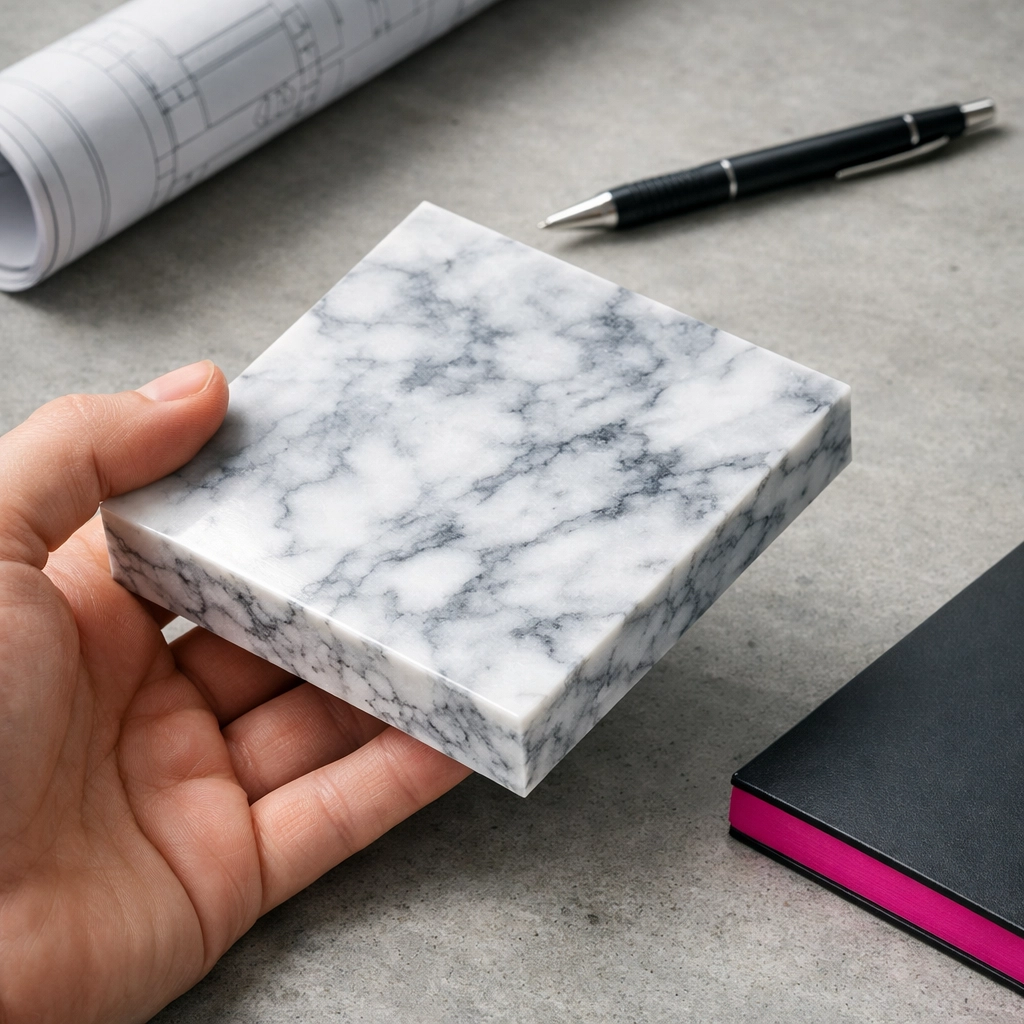
The Technical Truth: Performance Without Compromise
Let’s look at the hard data. One of the biggest hurdles for architects is the belief that recycled materials lack structural integrity. Recent engineering breakthroughs have proven otherwise. MIT researchers have demonstrated that recycled plastic components can meet and exceed HUD benchmarks for residential applications, with some 3D-printed trusses supporting over 4,000 pounds of load.
At Resourceful Living, our focus is on the durability and versatility of our 100% recycled HDPE and LDPE panels. Here is why they are becoming the go-to for modern builds:
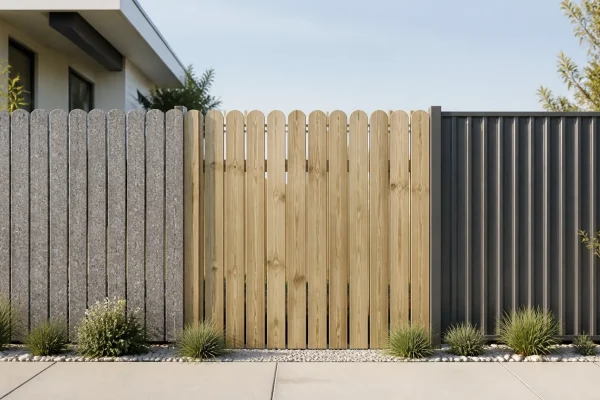
- Total Imperviousness to Water: Unlike timber, our recycled plastic sheets will never rot, swell, or delaminate. This makes them the ultimate choice for wet areas, marine environments, and outdoor infrastructure.
- UV Stability: Engineered for the harsh Australian sun, these materials won't crack or become brittle like lower-grade virgin plastics often do.
- Chemical Resistance: They are naturally resistant to most acids, salts, and oils, making them ideal for industrial and laboratory settings.
- Zero Maintenance: No sanding, no oiling, and no painting. Once installed, they are effectively "set and forget."
If you’re comparing materials for a long-term project, it’s worth looking at the ROI of recycled plastic vs timber or steel. While the upfront cost is competitive, the lifespan savings on maintenance and replacement are where the real value lies.
Speed, Scale, and the 1-Tonne-a-Day Promise
A common criticism of sustainable materials is that they can't meet the pace of commercial construction. "It sounds great, but can you give me 200 sheets by next Tuesday?"
In 2026, the answer is yes.
Resourceful Living has optimized our "Shred-to-Sheet" process to handle 1 tonne of plastic waste per day. This industrial-scale capacity means we aren't a boutique "eco-experiment", we are a high-volume manufacturer.
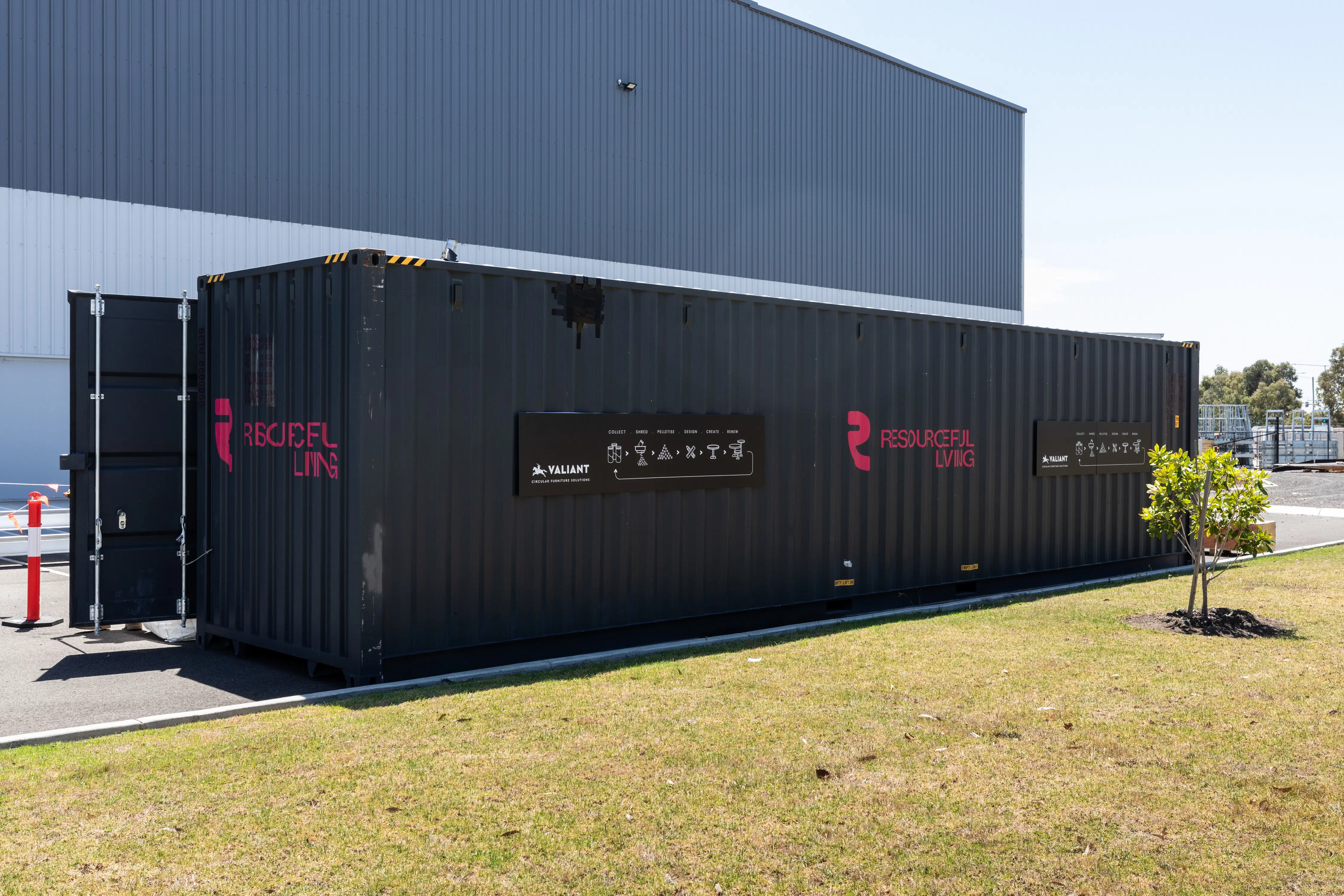
By managing the process from raw waste collection to the finished 2400x1200mm sheet, we eliminate the supply chain bottlenecks that plague virgin material imports. We are closing the loop right here in Australia, ensuring that your project stays on schedule while hitting its circular economy targets.
Designing with a Conscience: Bespoke Aesthetics
For architects, performance is only half the battle. The other half is aesthetics. Virgin plastic is often sterile and monochromatic. Recycled plastic, however, offers a unique "birthmark" that tells a story of sustainability.
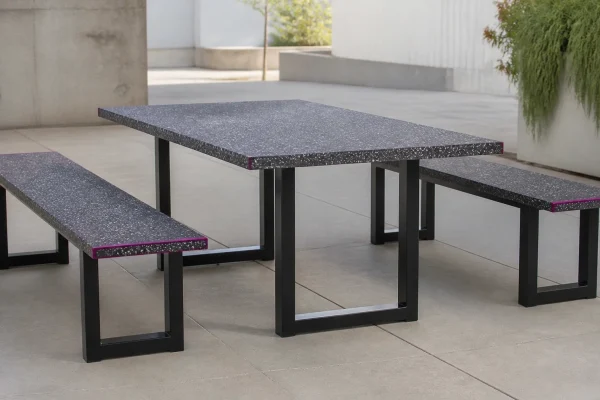
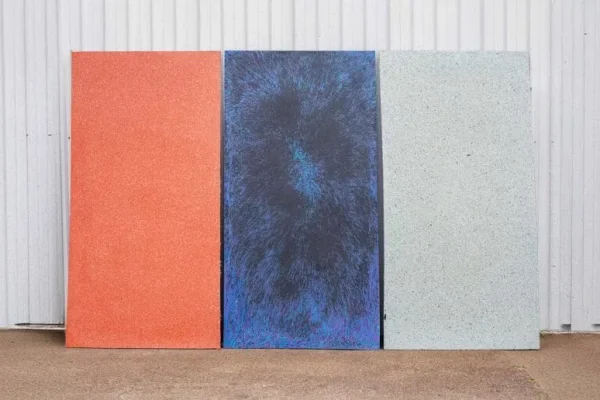
Whether you are looking for a sleek, dark-toned finish for a commercial fit-out or a vibrant "confetti" look for a retail display, the bespoke options are endless.
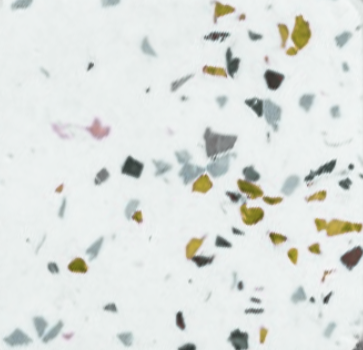
Our N70 White Confetti panels (pictured above) are a prime example of how waste can be transformed into high-end design elements. Because we control the shredding and mixing process, we can customise the colour palette to align with your brand or project vision.
"We aren't just making boards; we're creating a new design language for the circular economy. Architects are realizing that the 'imperfections' in recycled material are actually its greatest asset, they prove the material's origin and its commitment to the planet." , Jess Hodge, Resourceful Living
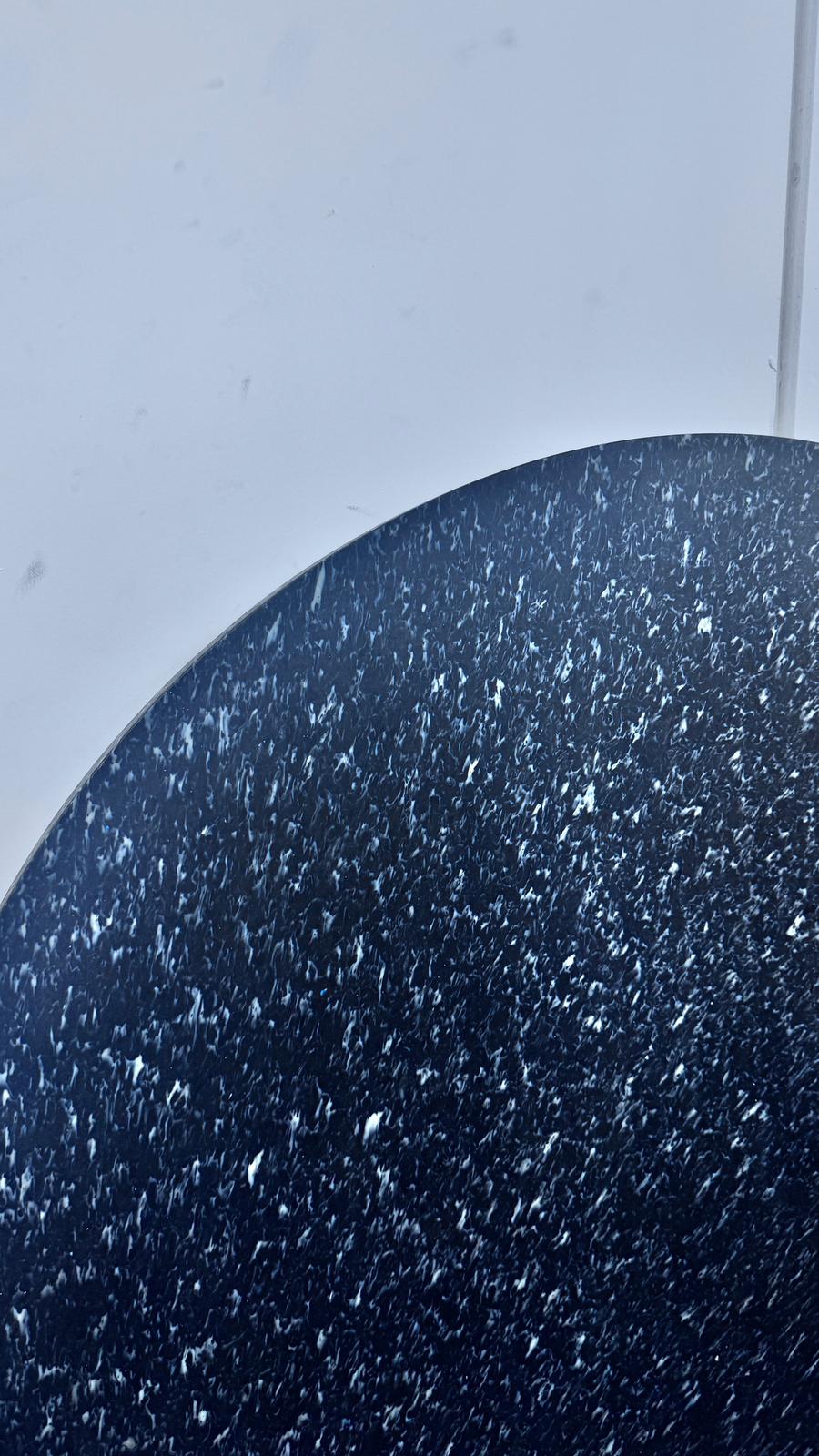
For those working on high-end interiors, our navy and white marbled patterns offer a sophisticated alternative to stone or laminate, without the weight or the fragility.
Avoiding the "Greenwashing" Trap in 2026
As demand for sustainable materials grows, so does the amount of greenwashing. Many products claim to be "recyclable" or contain "recycled content," but when you dig into the data, they might only contain 5% recycled material mixed with 95% virgin resin.
To ensure you are actually meeting your ESG targets, you need total traceability.
Our sheets are made from 100% Australian plastic waste. We know exactly where it came from and exactly what went into each press. This level of transparency is essential for passing green audits and meeting the increasingly strict Sustainable Procurement Policies being adopted by Australian councils and Tier 1 builders.
The Ultimate Circular Solution: The Take-Back Program
The true "truth" about recycled plastic building materials in 2026 is that their life shouldn't end when the building is demolished. This is the fundamental flaw of virgin materials, they are often designed for a linear "cradle-to-grave" existence.
Resourceful Living operates on a Take-Back Program. If a retail display is no longer needed, or a temporary construction hoarding is being taken down, we don't want it to go to a landfill. We take it back, shred it, and turn it into a new sheet.
This is the definition of a Closed-Loop ESG Partner Program. By specifying our materials, you aren't just buying a product; you are entering a system that ensures that plastic never becomes waste again.
Checklist: Is Recycled Plastic Right for Your Next Project?
If you’re an architect or builder weighing up your options, use this quick checklist to see if recycled plastic sheets are the logical choice:
- ✅ Environment: Is the installation outdoors or in a high-moisture area? (If yes, recycled plastic beats timber).
- ✅ Sustainability Targets: Does the project need to meet specific recycled content percentages?
- ✅ Durability: Do you need a material that is impact-resistant and won't splinter?
- ✅ Maintenance: Is the client looking for a low-maintenance, long-term solution?
- ✅ Timeline: Do you need locally sourced materials to avoid international shipping delays?
If you checked more than three of these boxes, then the answer is clear: You don’t need virgin materials.
Moving Forward
The transition to recycled plastic building materials is more than just an environmental choice; it’s a smart business move. As we continue to innovate in 2026, the gap between what is "good for the planet" and what is "good for the project" has finally disappeared.
Are you ready to see how these materials can work in your next build? Check out our Ultimate Guide to Recycled Plastic Sheets for a deep dive into specifications, or contact us today to discuss your bespoke project requirements.
We’re ready to help you build the future: one tonne of recycled plastic at a time.