Sustainable building is no longer a niche "eco-friendly" alternative; it is becoming the industry standard in Australia. As builders, architects, and DIY enthusiasts shift away from traditional timber and towards recycled plastic construction materials, the learning curve has become apparent.
At Resourceful Living, we see firsthand the incredible durability and longevity of recycled HDPE and PP panels. However, treating these high-performance materials exactly like timber or steel is a recipe for project failure. Recycled plastic has its own unique "personality": its own thermal properties, load-bearing limits, and installation requirements.
If you want your build to last decades rather than years, you need to avoid these seven common pitfalls. Here is how to work with the material, not against it.
1. Failing to Account for Thermal Expansion and Contraction
The single most common mistake in recycled plastic installation is restricting movement. Unlike timber, which expands and contracts primarily based on moisture content, recycled plastic is highly sensitive to temperature changes.
In the harsh Australian climate: where a panel might face a 5-degree morning and a 40-degree afternoon: the material will grow and shrink. If you fix a panel tightly with standard screws and no "breathing room," the material will eventually buckle, warp, or even shear the heads off your fasteners.
The Fix:
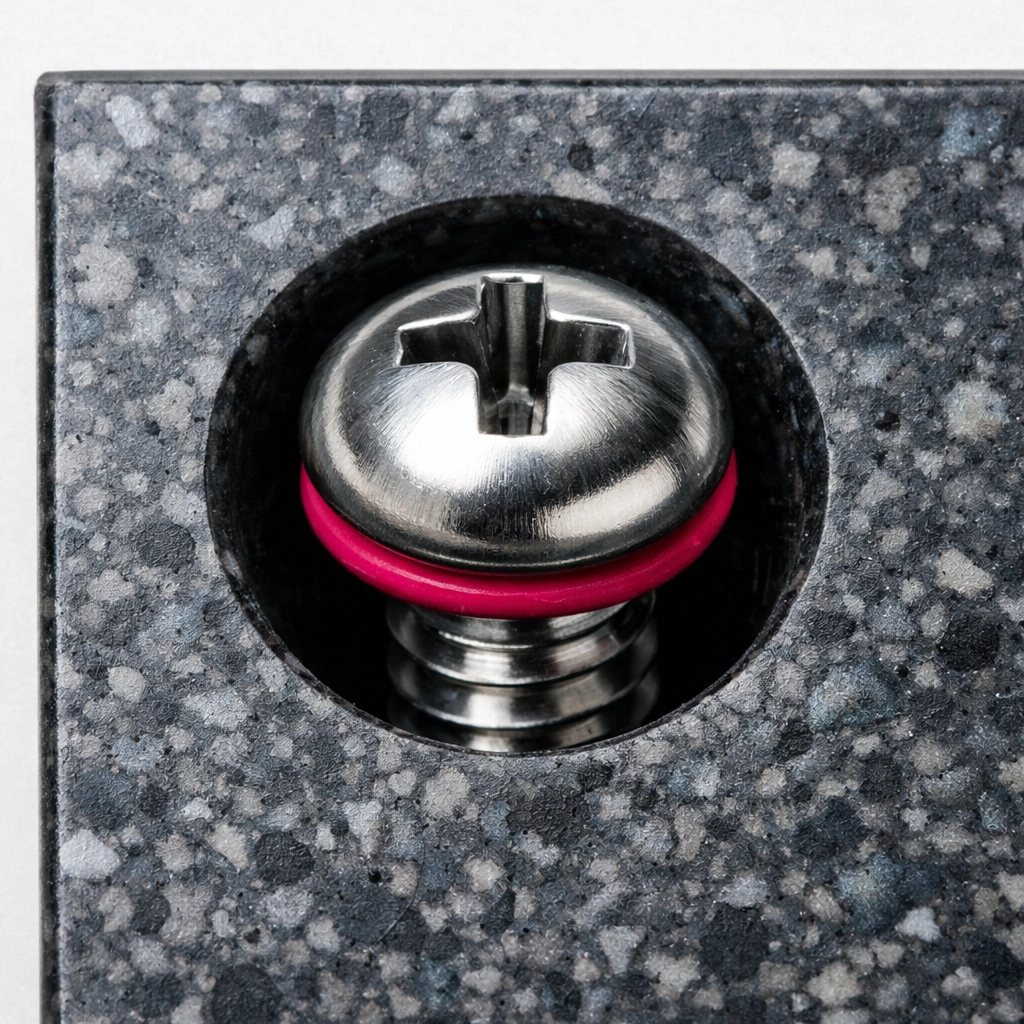
Always use oversized pilot holes. If your screw shank is 5mm, drill an 8mm or 10mm hole in the recycled plastic sheet. This allows the panel to slide under the screw head as it expands. Use a pan-head screw with a washer rather than a countersunk screw to ensure the panel is held secure but not "locked" in place.
2. Choosing the Wrong Thickness for the Span
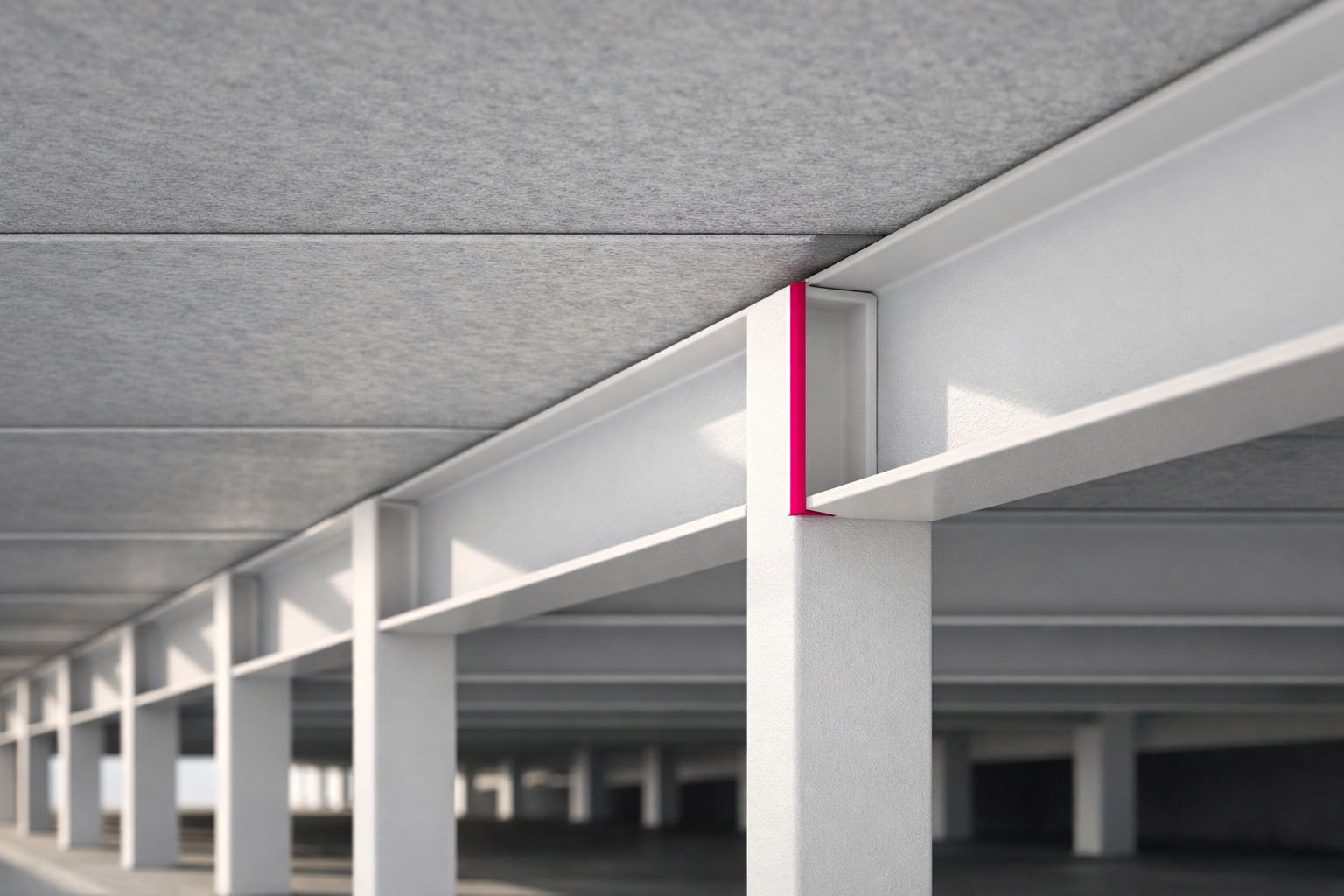
We often see builders trying to save on costs by using a thinner sheet (like 10mm or 12mm) for a horizontal application with wide joist spacing. Because recycled plastic is more flexible than steel or seasoned hardwood, it is subject to "creep": a slow, permanent deformation under a constant load.
If your joists are too far apart, a thin recycled plastic panel will eventually sag in the middle, creating a "wavy" appearance that is impossible to reverse.
The Fix:
Follow strict span-to-thickness ratios. For heavy-duty applications like flooring or benching, we recommend a minimum of 19mm to 25mm thickness, with joist centres no further than 400mm apart. For more technical data on how this compares to traditional materials, check our guide on recycled plastic vs. timber vs. steel cost and lifespan.
3. Treating It Exactly Like Marine Plywood
Many DIYers approach recycled plastic as a direct "drop-in" replacement for marine plywood. While they share some similarities (they both come in sheets and can be cut with circular saws), their internal structures are vastly different.
Plywood relies on cross-laminated grains for rigidity. Recycled plastic is a solid, homogeneous mass. This means it won't rot or delaminate like plywood, but it also means it doesn't have the same "stiffness" over long distances.
The Fix:
Acknowledge that while you can use the same tools: table saws, routers, and drills: you must increase the frequency of support. Where you might get away with 600mm centres for thick plywood, you should stick to 400mm for recycled plastic to maintain a perfectly flat surface.
4. Using the Wrong Fasteners (or Overtightening)
Because recycled plastic is "self-healing" to an extent, it can grip a screw very tightly. If you use a standard wood screw without a pilot hole, the displaced plastic has nowhere to go. This creates internal stress in the panel. Furthermore, overtightening the screw eliminates the expansion gap we discussed in Mistake #1.
The Fix:
- Pre-drill everything.
- Use Stainless Steel (304 or 316 grade). Recycled plastic is waterproof, so your fasteners should be too.
- Don't over-torque. Drive the screw until the head touches the washer, then stop. The panel should be able to move slightly if pushed hard.
5. Buying "Downcycled" Instead of "Recyclable" Materials
Not all "green" materials are created equal. Some "recycled" products are actually composites: mixtures of plastic and wood flour, or multiple types of bonded plastics. While these might use waste, they are often impossible to recycle a second time. This is known as "downcycling," and it eventually ends up in a landfill.
If your goal is a true circular economy, you need to look at the material's end-of-life plan.
The Fix:
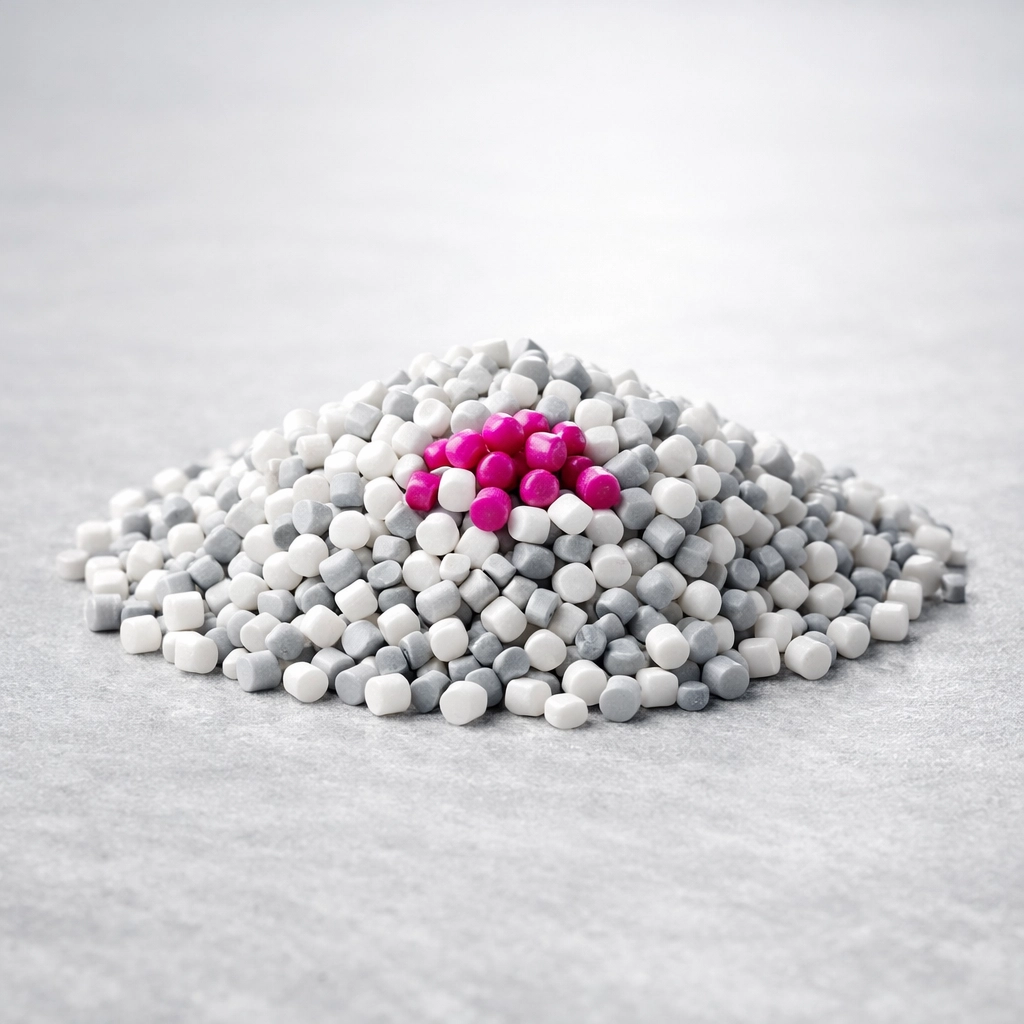
Opt for single-polymer products (like 100% HDPE or 100% PP). These can be granulated and turned back into new panels at the end of their life cycle (usually 50+ years). You can learn more about this in our deep dive into the recycled plastic circular economy.
6. Overlooking the "Self-Lubricating" Nature of HDPE
High-Density Polyethylene (HDPE) has a low surface energy, meaning almost nothing sticks to it. A common mistake is trying to use standard construction adhesives or "Liquid Nails" to bond panels to a frame. In 90% of cases, the glue will eventually peel right off the plastic.
The Fix:
Rely on mechanical fasteners (screws, bolts, or rivets) rather than adhesives. If you absolutely must join two pieces without visible screws, look into plastic welding. This involves using a heat gun and a plastic welding rod to melt the two surfaces together, creating a bond as strong as the original material.
7. Neglecting the Edge Finish
Builders often cut a recycled plastic sheet and leave the edge "as is." While the material won't absorb water like timber, a raw saw cut can leave a slightly "fuzzy" or sharp edge that traps dirt and detracts from the premium look of the project.
The Fix:
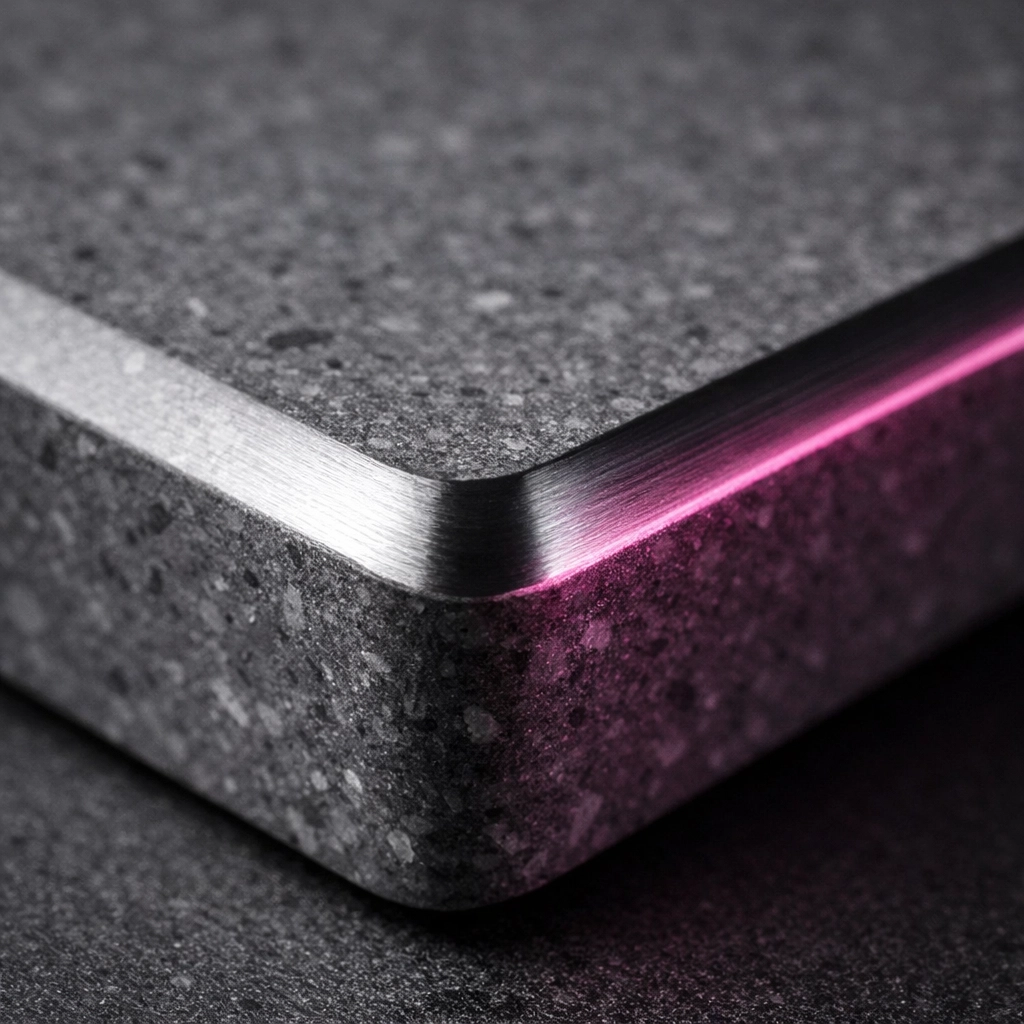
Treat the edges like you would a high-end piece of joinery. Use a router with a round-over or chamfer bit to finish the edges. Not only does this look better, but it also makes the material safer to handle and easier to clean. Because our panels are solid-coloured throughout, the routed edge will match the surface perfectly.
Quick Comparison: Recycled Plastic vs. Traditional Timber
| Feature | Recycled Plastic Panels | Traditional Timber (Treated) |
|---|---|---|
| Rot Resistance | 100% Waterproof | High (but eventually rots) |
| Maintenance | Zero (no oiling/painting) | Annual sanding/oiling |
| Expansion | Thermal (High) | Moisture-based (Medium) |
| Fastening | Oversized pilot holes required | Standard wood screws |
| Lifespan | 50+ years | 10-15 years (outdoors) |
| Sustainability | Diverts waste from landfill | Requires logging/chemicals |
Why Getting It Right Matters for the Industry
The shift toward eco-friendly building products in Australia is accelerating. When we use these materials correctly, we prove that sustainability doesn't mean sacrificing quality. In fact, for many industrial and commercial sectors: like recycled plastic products for mining sites: the durability of plastic far exceeds that of traditional materials.
"The goal isn't just to use recycled materials; it's to build structures that never need to be replaced. Every time a timber boardwalk rots and is sent to a landfill, that's a failure of design. Recycled plastic is the solution to that cycle." : Jess Hodge, CEO of Resourceful Living.
Your Installation Checklist
Before you start your next project with recycled plastic construction materials, run through this quick checklist:
- Temperature Check: What is the ambient temperature? Have I allowed for 1mm of movement per metre for every 10-degree Celsius change?
- Pilot Holes: Are my pilot holes 3mm-5mm larger than my screw shanks?
- Span Control: Are my supports spaced at 400mm or less for horizontal loads?
- Hardware: Am I using stainless steel pan-head screws and washers?
- Edge Work: Have I planned to router the edges for a professional finish?
By avoiding these common mistakes, you aren't just building a project; you're contributing to the future of sustainable building.
Recycled plastic is an incredible material, but it demands respect for its physical properties. Get the installation right, and you’ll have a maintenance-free, rot-proof, and aesthetically stunning result that lasts a lifetime.
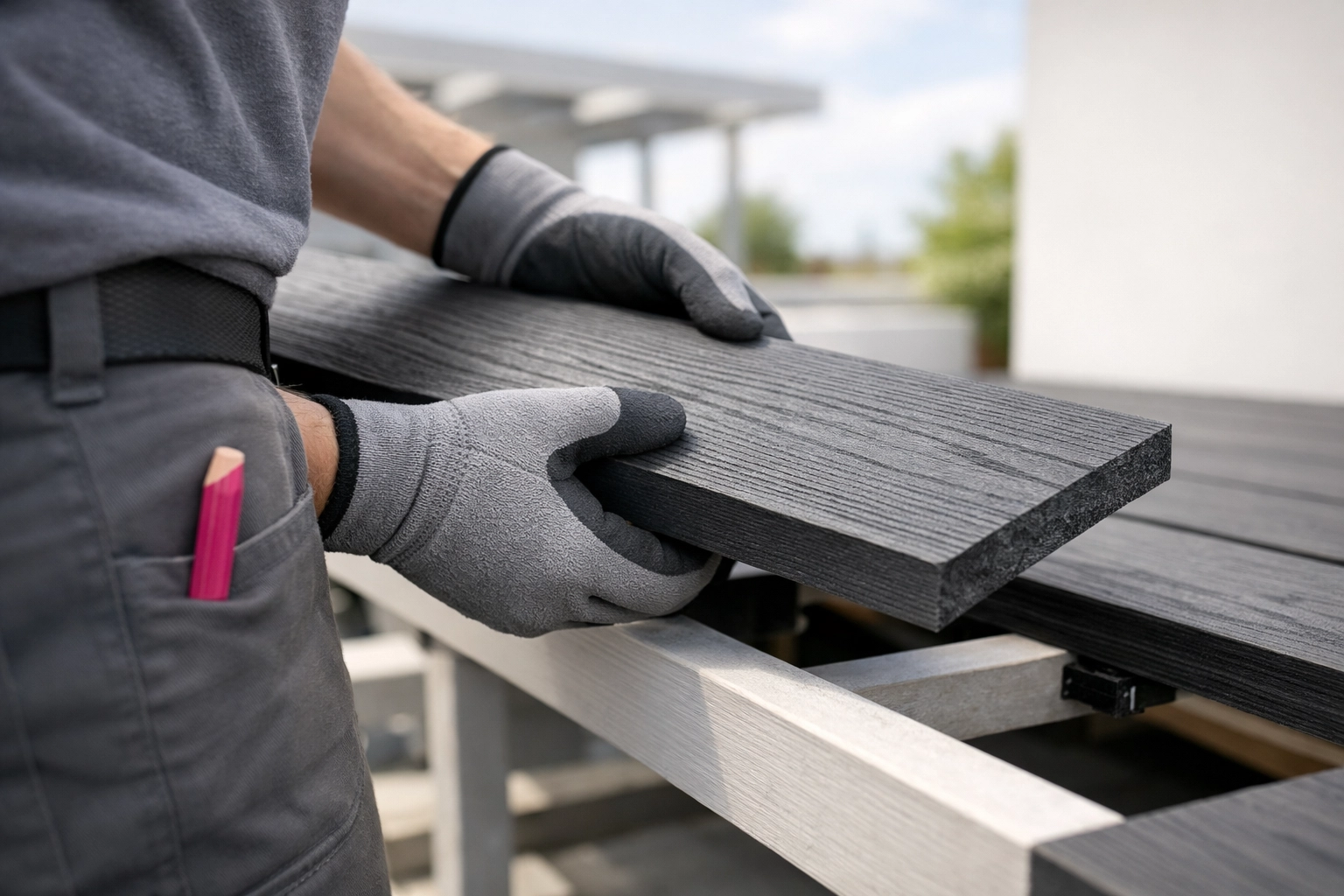
Ready to start your next project? Explore our range of high-performance panels at Resourceful Living and see how we’re turning Australian waste into world-class construction materials.