If you’ve driven past a major infrastructure project lately, you’ve likely seen them: large, sleek, often textured panels lining the edges of our highways. For decades, these noise walls and retaining barriers were almost exclusively made from concrete, steel, or chemically treated timber. But the tide is shifting.
In the construction and civil engineering sectors across Australia, there is a quiet revolution happening. Recycled plastic panels are no longer a "nice-to-have" green alternative; they are becoming the gold standard for durability and environmental compliance.
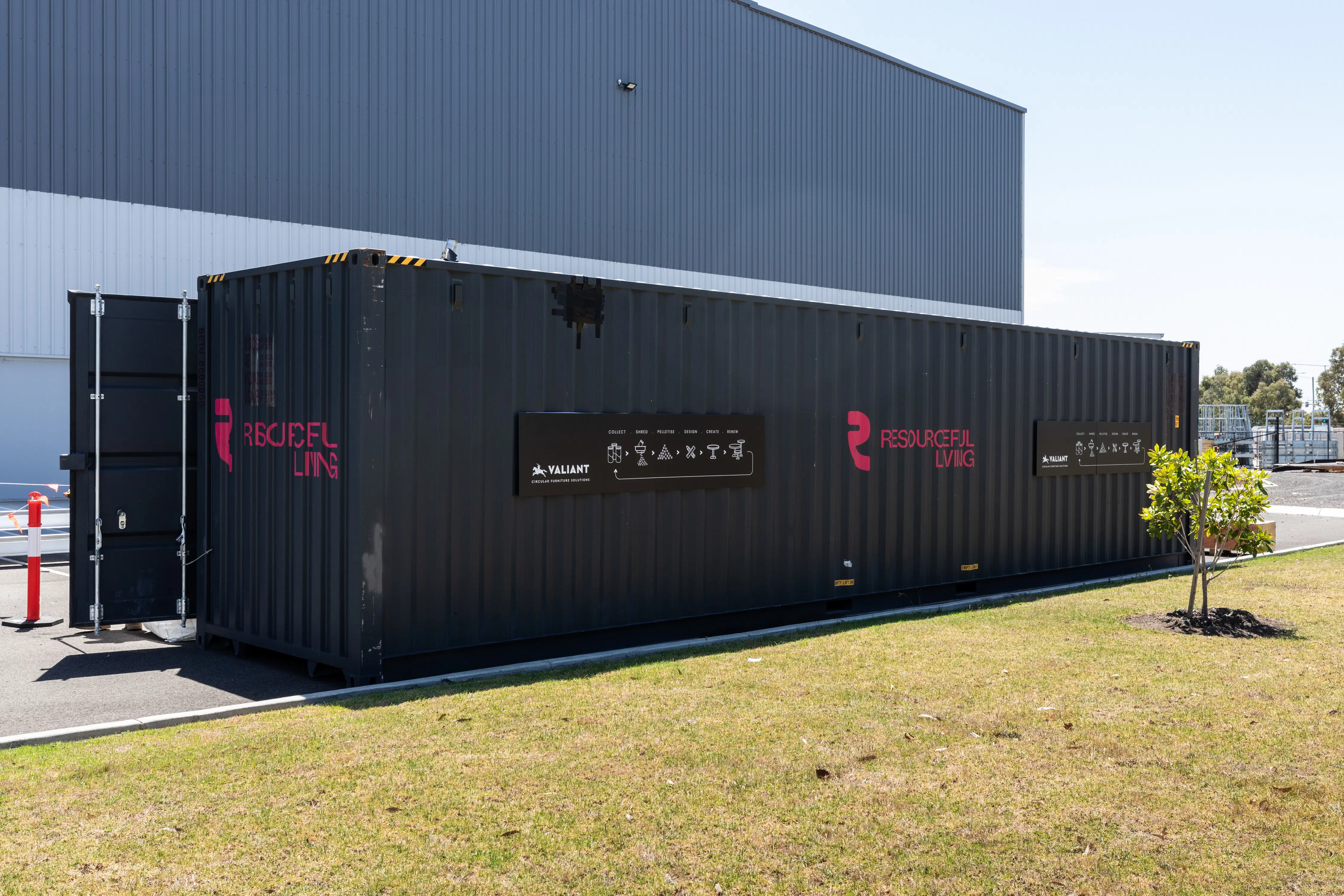
At Resourceful Living, we’ve seen this demand firsthand. We recently hit a massive production milestone: processing 1 tonne of plastic waste every single day at our Australian facility. This isn't just a win for the environment; it’s a signal to the industry that high-performance, sustainable building materials are available at scale.
The Infrastructure Shift: Why Roadworks?
Australian roadworks present some of the harshest conditions for any material. Between the blistering UV radiation, extreme temperature fluctuations, and the constant barrage of moisture and road salts, traditional materials struggle.
Timber rots, warps, and requires toxic chemical treatments to survive the elements. Concrete is heavy, prone to cracking over time, and carries a massive carbon footprint. This is why recycled plastic manufacturers in Australia are seeing a surge in interest from civil contractors and local councils.
Noise Walls: The Perfect Use Case
One of the most significant applications for our panels is in acoustic noise walls. These structures need to be:
- Extremely Durable: They must stand for decades without losing structural integrity.
- Low Maintenance: Painting or sealing every few years is a massive cost for taxpayers.
- Vandal Resistant: Graffitied plastic is often easier to clean than porous concrete or timber.
- Acoustically Capable: High-density recycled plastic provides excellent sound dampening qualities.
By choosing recycled plastic over traditional materials, project managers are successfully navigating Australia’s new sustainable procurement policies while delivering a product that often outlasts its predecessors.
The 1-Tonne Milestone: Scaling for National Demand
There’s a common misconception that recycled materials can’t handle the volume required for major infrastructure. We’ve debunked that. By reaching our 1-tonne-per-day production milestone, we’ve proven that local manufacturing can keep up with the demands of large-scale roadworks and commercial builds.
Scaling to this level requires more than just big machines; it requires a sophisticated understanding of the raw material. When we process 1,000kg of plastic daily, we aren't just "recycling": we are precision-engineering a construction-grade product. This volume allows us to supply everything from small community landscaping projects to major highway barriers.
Solving the "Mystery Plastic" Problem
The biggest hurdle for many engineers when considering recycled materials is traceability. In the past, "recycled plastic" was often a cocktail of unknown resins imported from overseas, leading to inconsistent strength and unpredictable lifespan.
We’ve eliminated the "mystery plastic" factor. At Resourceful Living, we focus on 100% Australian plastic waste with full traceability. We know exactly what goes into our panels. Whether it’s post-industrial scrap or specific post-consumer streams, we maintain a closed-loop system that ensures the final product meets strict engineering standards.
This level of transparency is critical for passing green audits and meeting ESG targets. If you don't know where your plastic came from, you can't guarantee how it will perform in ten years under the Australian sun.
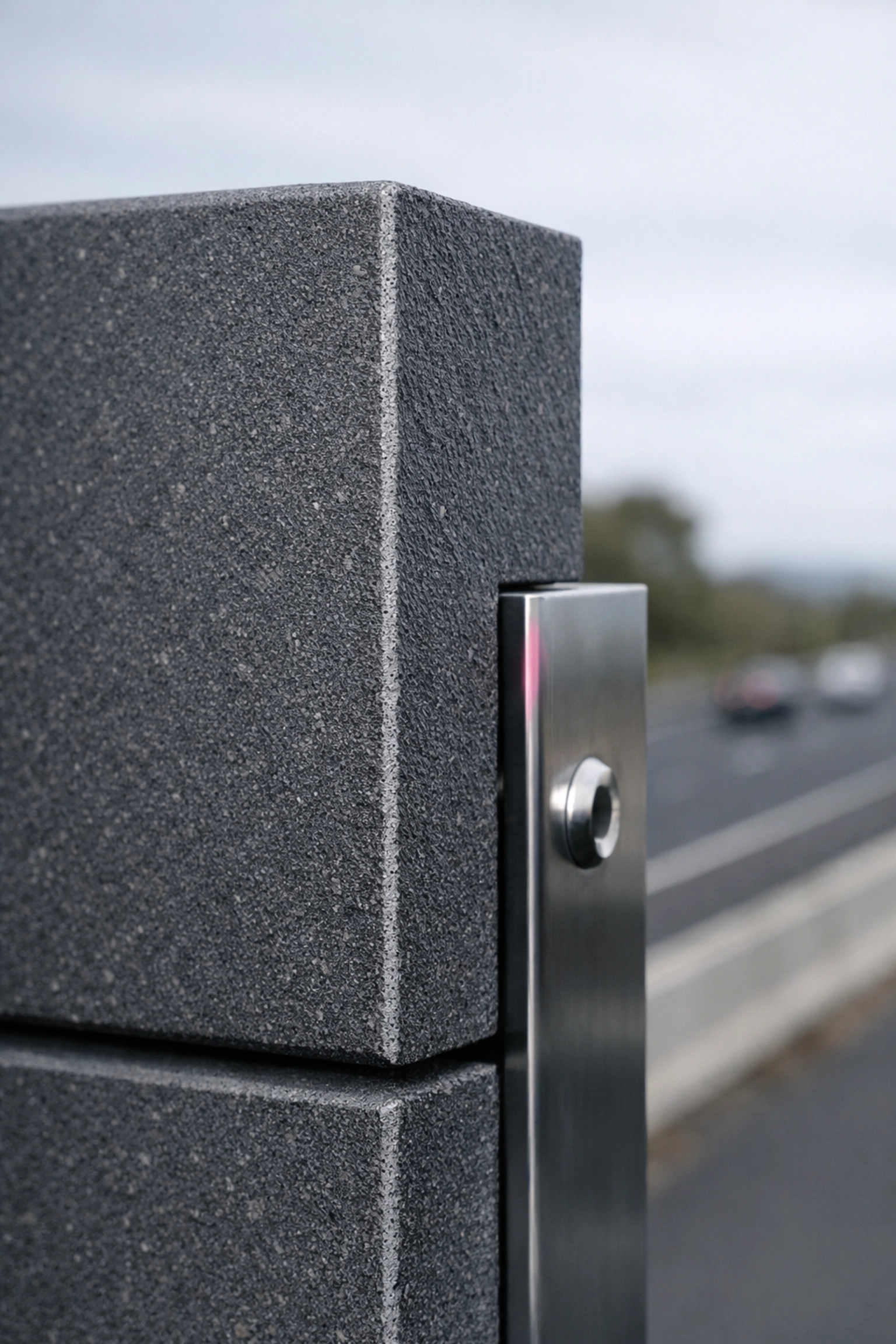
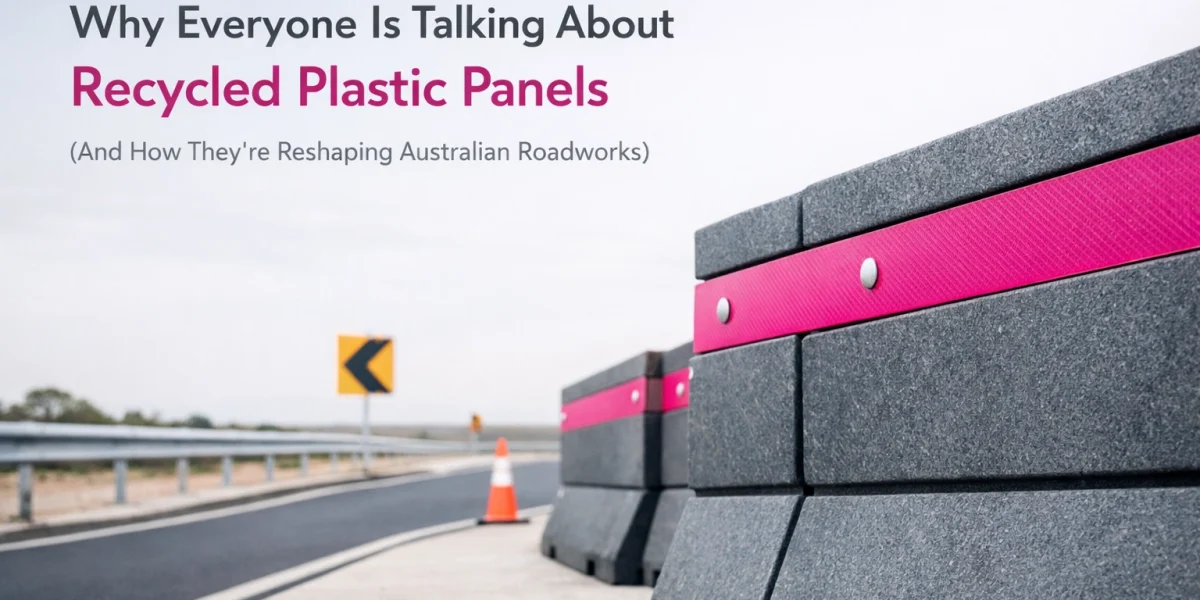
Description: A close-up side-view of a recycled plastic noise wall panel installed along an Australian highway, showing its thick, robust profile and textured surface.
Performance Benefits: Why Plastic Wins
If you are still weighing up whether to stick with timber or move to recycled plastic, here is a technical breakdown of why the industry is moving toward the latter.
1. Zero Moisture Absorption
Unlike timber, which acts like a sponge, recycled plastic panels are completely impervious to water. This means no swelling, no rot, and no structural failure due to moisture ingress. For roadworks near coastal areas or flood-prone regions, this is a game-changer. You can find more on the lifecycle impact of these panels here.
2. UV Stability and Colour Fastness
We use advanced stabilisers to ensure our panels don't become brittle in the sun. Because the colour is consistent throughout the material (not just a surface coating), scratches or chips are virtually invisible, and the panels don't require repainting.
3. Termite and Pest Proof
Timber infrastructure is a buffet for termites. Replacing damaged bollards or fence posts is a constant drain on maintenance budgets. Recycled plastic offers zero nutritional value to pests, effectively ending that cycle of replacement.
4. Workability
One of the best things about our panels? You can work them just like wood. You can saw them, drill them, and screw into them using standard tools. This ease of installation is why they are becoming the future of modular construction.

Comparing the Contenders: A Quick Look
| Feature | Recycled Plastic Panels | Treated Timber | Steel / Concrete |
|---|---|---|---|
| Lifespan | 40+ Years | 10–15 Years | 30–50 Years |
| Maintenance | Zero | High (Staining/Sealing) | Moderate (Rust/Cracking) |
| Sustainability | 100% Recycled & Recyclable | Low (Chemical Leachates) | High Carbon Footprint |
| Installation | Easy (Standard Tools) | Easy | Difficult (Heavy Machinery) |
| Cost | Better ROI over time | Low Initial / High Life-cycle | High Initial |
The Role of Traceability in Circular Procurement
For a long time, the "recycling lie" suggested that putting things in a blue bin was enough. As we’ve discussed in our deep dive into the recycling lie, true sustainability requires local manufacturing and a guaranteed end-of-life plan.
By sourcing from recycled plastic manufacturers in Australia, you aren't just buying a board; you are participating in a closed-loop system. At Resourceful Living, we offer a take-back programme. If a panel is damaged or a project is decommissioned decades from now, that material comes back to us, gets shredded, and is turned into a new panel.
This is the essence of a true circular economy. It removes the concept of "waste" entirely and replaces it with "resource management."
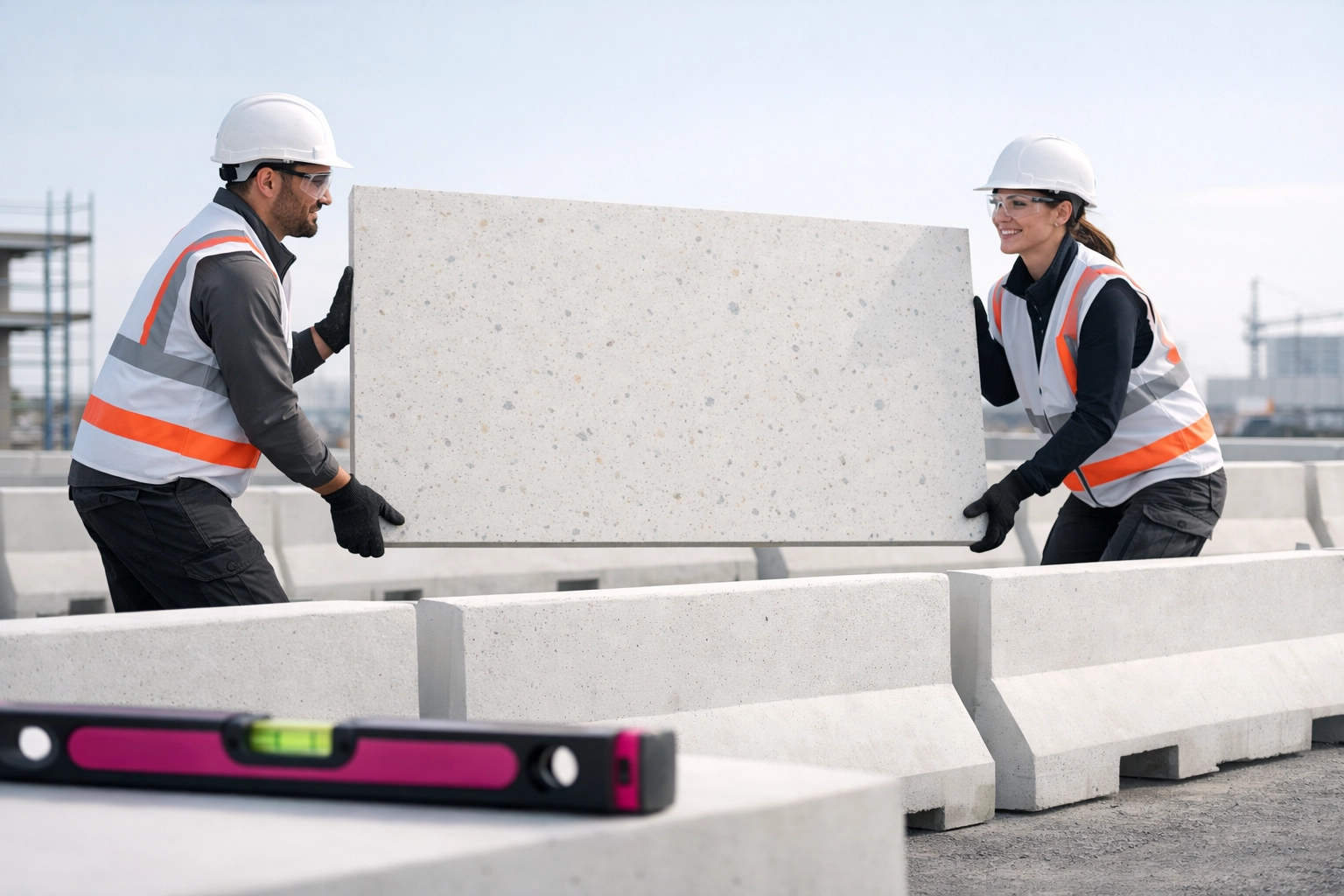
Description: An Australian construction site where workers are easily lifting and positioning lightweight but large recycled plastic panels for a road barrier project.
How to Get Started with Sustainable Construction Materials
If you are a project manager, architect, or council officer looking to specify recycled plastic panels, here are a few things to keep in mind:
- Check the Source: Ensure the manufacturer can prove the plastic is Australian-sourced to avoid supply chain issues and ensure material quality.
- Verify Specifications: Not all plastic is the same. Ensure the density and UV rating match your specific environmental needs.
- Think Long-Term: While the initial cost might be slightly higher than the cheapest timber, the ROI of recycled plastic is significantly better when you factor in zero maintenance and zero replacement costs.
- Look for Local: Support recycled plastic manufacturers in Australia to reduce the carbon miles of your project and support the local economy.
The shift toward recycled plastic in Australian roadworks is a logical response to the failures of traditional materials. As we continue to scale our production and hit new milestones, we are proving that the most durable materials for our future are often the ones we used to throw away.
Whether you're looking for a Plywood alternative or a heavy-duty infrastructure solution, it’s time to rethink what’s possible with recycled plastic. The road ahead is literally being built with it.