If you are managing a construction or infrastructure project in 2026, you’ve likely felt the sting of a "shipping update" email. You know the one: your materials are sitting in a container somewhere off the coast of Singapore, and your site handover date just slipped by another three weeks.
In the current landscape, relying on global supply chains is no longer just a logistical risk; it’s a financial liability. As we move further into a circular economy, the solution isn't just finding any material: it’s finding material that is manufactured right here on home soil.
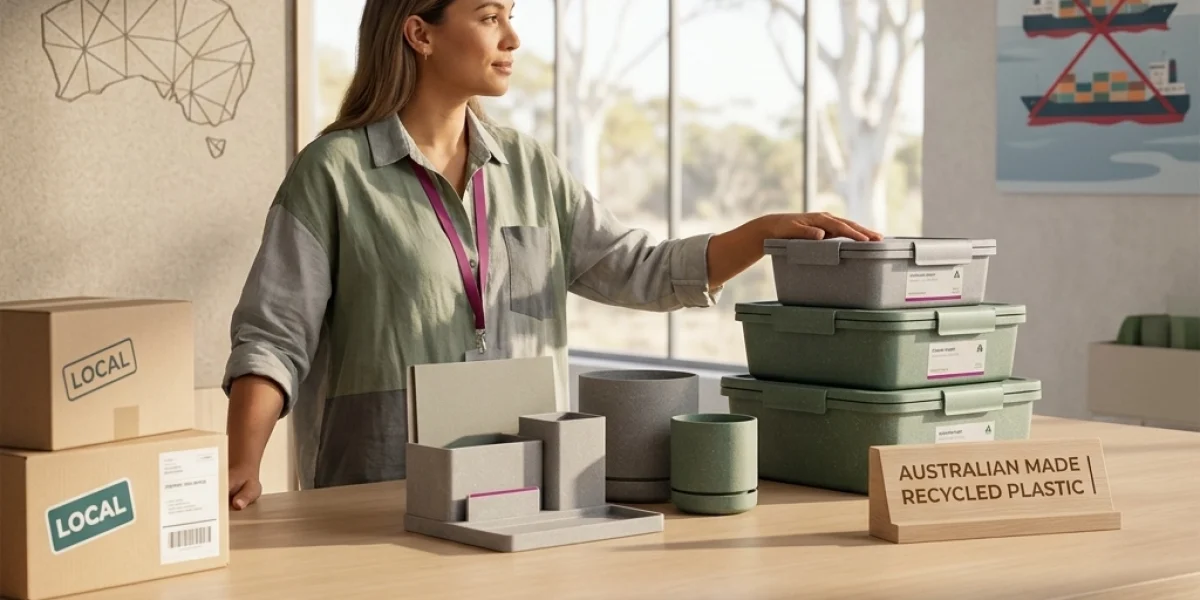
Australian-made recycled plastic has emerged as the strategic "cheat code" for procurement managers. By bypassing international ports and volatile resin markets, savvy builders are securing their schedules and their bottom lines.
Here is why local manufacturing is the secret to beating supply chain delays and why sustainable building materials in Australia are now the first choice for resilient projects.
1. The 7-Day Advantage: Speed Over Shipping
The most obvious benefit of working with recycled plastic manufacturers in Australia is proximity. When you source materials from overseas, you are at the mercy of "The Great Wait": a combination of manufacturing lead times, international freight, customs clearance, and domestic port handling.
At Resourceful Living, we operate our production line seven days a week. This isn't just about hard work; it’s about meeting the urgent demands of the Australian building industry.
- International: Average lead times of 12–16 weeks (assuming no port strikes or canal blockages).
- Local (Resourceful Living): Capability to move from waste collection to site-ready panels in record time.
By cutting out the 12,000-kilometre journey, you eliminate the variables that cause project blowouts. If you need an extra 50 sheets to finish a fit-out, you aren't waiting for a ship to cross the ocean; you’re waiting for a truck to drive a few hours.
2. Decoupling from Global Resin Volatility
Virgin plastic prices are historically tied to the price of oil and gas. When global energy markets spike, the cost of your building materials spikes with them. Furthermore, imported recycled resins are subject to the same international market pressures.
Australian-made recycled plastic operates on a different cost base. Because we use 100% Australian plastic waste, our "feedstock" is collected from local councils and businesses.
- Stability: Local waste streams are more consistent in price than global oil-derived resins.
- Predictability: You can lock in project costs with greater confidence, knowing that a geopolitical event on the other side of the world won't suddenly double your material costs.
Choosing local means you are investing in a predictable supply chain rather than gambling on the commodities market.
3. Beating the "Invisible Tax" of International Freight
In 2026, the "true cost" of a material includes its carbon footprint and the logistical overhead of getting it to your site. High freight costs are an invisible tax on your project.
When you purchase from local recycled plastic manufacturers in Australia, you aren't paying for:
- Empty container fees.
- Fuel surcharges for trans-Pacific shipping.
- Port congestion levies.
Instead, your budget goes directly into the quality of the material. This shift in spending allows for higher-spec sustainable building materials in Australia without the premium price tag often associated with "green" products. For a deeper dive into the financial side, check out why cheap plywood is actually costing you more in the long run.

4. Simplified Embodied Carbon Reporting
Under the 2026 building mandates, reporting on embodied carbon is no longer optional for major projects. Sourcing materials from overseas makes this reporting a nightmare. You have to account for the carbon emissions of the manufacturing plant (often powered by coal in overseas markets) plus the massive carbon footprint of sea freight.
By using Australian-made panels, your reporting becomes significantly simpler:
- Lower Transport Emissions: Moving goods from Newcastle to Sydney has a fraction of the carbon impact of moving them from Shanghai to Sydney.
- Grid Transparency: Australian manufacturing facilities are increasingly powered by renewable energy, lowering the "cradle-to-gate" emissions of the product.
For tips on how to handle these requirements, see our guide on integrating embodied carbon reporting in Australian projects.

5. Traceability: Knowing Exactly What’s in Your Walls
One of the biggest risks with imported recycled materials is "greenwashing." It is notoriously difficult to verify the source of recycled content once it has passed through multiple international brokers.
When you work with a local partner like Resourceful Living, you get 100% traceability. We know exactly which Australian waste streams were used to create your panels. This is critical for:
- Government Tenders: Meeting strict "Australian Content" and "Circular Economy" targets.
- Green Star Ratings: Providing the auditable proof required for high-level certification.
- Brand Integrity: Ensuring your project’s sustainability claims actually stand up to scrutiny.
Our 10 things you should know about local traceability post explains why this is the ultimate insurance policy for your reputation.
6. The "Local Buy" and Government Procurement Edge
Local governments and state agencies have shifted their procurement policies heavily toward supporting domestic industry. In 2026, being a "Pre-Qualified Supplier" with local manufacturing capabilities is a massive advantage.
Using Australian-made recycled plastic doesn't just help you finish the project; it helps you win the next one. Many government tenders now assign weighted scores to "Local Industry Participation" and "Waste Diversion from Australian Landfills."
"Sourcing locally isn't just a sustainability win; it's a strategic move to ensure project continuity. When the global market fluctuates, our local production keeps the wheels turning." : Jess Hodge, Resourceful Living

7. Customisation Without the Commute
Need a specific colour-way to match a brand’s identity? Or a custom thickness for a specific structural application?
With international suppliers, custom orders are a nightmare. You often have to commit to massive minimum order quantities (MOQs) and wait months for a sample to arrive. If the sample isn't right, you’re back at square one.
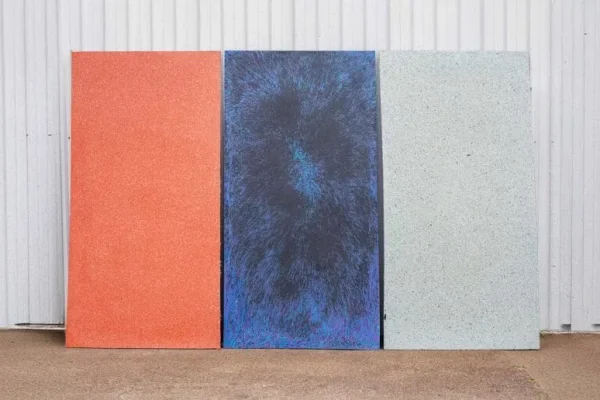
Local manufacturing allows for rapid prototyping. Because we are in the same time zone and use the same language, we can iterate quickly. You can visit the facility, see the recycled plastic panel swatches in person, and sign off on production in a matter of days, not weeks.

Checklist: How to Switch to Local Circular Supply
Ready to insulate your project from global supply chain shocks? Follow these steps to integrate Australian-made recycled plastic into your next build:
- Audit Your Current Lead Times: Identify which materials currently have the longest "wait-and-see" periods. These are your prime candidates for replacement with local recycled plastic.
- Verify the Logo: Ensure your supplier is actually Australian Made and Owned. Some companies "finish" products here but source the core material from overseas. Look for the kangaroo.
- Check for EPDs: Ask for Environmental Product Declarations that reflect local manufacturing data.
- Review the Total Cost of Ownership: Compare the price not just at the point of purchase, but including freight, delay risks, and maintenance. (Hint: Recycled plastic vs timber is a great place to start this comparison).
- Connect Early: Reach out to local manufacturers during the design phase to ensure capacity is reserved for your project dates.
The Bottom Line
In 2026, the most successful projects are those that have "de-risked" their material supply. By choosing recycled plastic manufacturers in Australia, you are doing more than just supporting the environment: you are taking control of your timeline.
Don't let a shipping delay on the other side of the planet be the reason your project fails. Switch to a circular, local supply chain and experience the peace of mind that comes with 7-day-a-week Australian production.
Ready to beat the delays? Explore our range of traceable, Australian-made recycled plastic panels today.