Hey there, I’m Jess Hodge from the Sales team here at Resourceful Living. If you’ve been keeping an eye on the Australian construction landscape lately, you’ll know that 2026 isn't just another year on the calendar: it’s a massive turning point for how we build.
We’re seeing a radical shift in how materials are sourced, specified, and reported. Sustainability isn't just a "nice to have" anymore; it’s a core requirement in almost every major tender. But here’s the kicker: not all "recycled" materials are created equal.
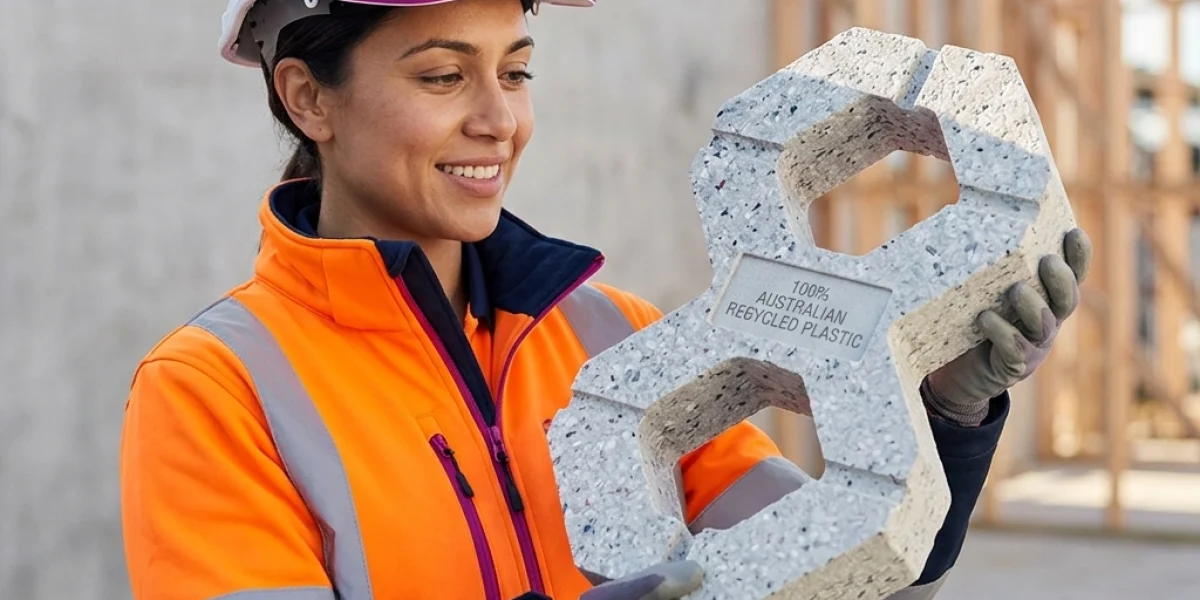
As we move deeper into 2026, the real winner for builders and developers is 100% Australian recycled plastic. Why? Because it solves the three biggest headaches in modern construction: supply chain reliability, carbon reporting, and material durability.
Let’s dive into why choosing local, Newcastle-made recycled plastic is the smartest move you can make for your next project.
The 2026 Shift: Why "Local" is the New "Global"
For years, the industry relied on imported materials because they were often seen as the "easy" route. But if the last few years have taught us anything, it’s that global supply chains are fragile. In 2026, the focus has shifted toward sovereign capability.
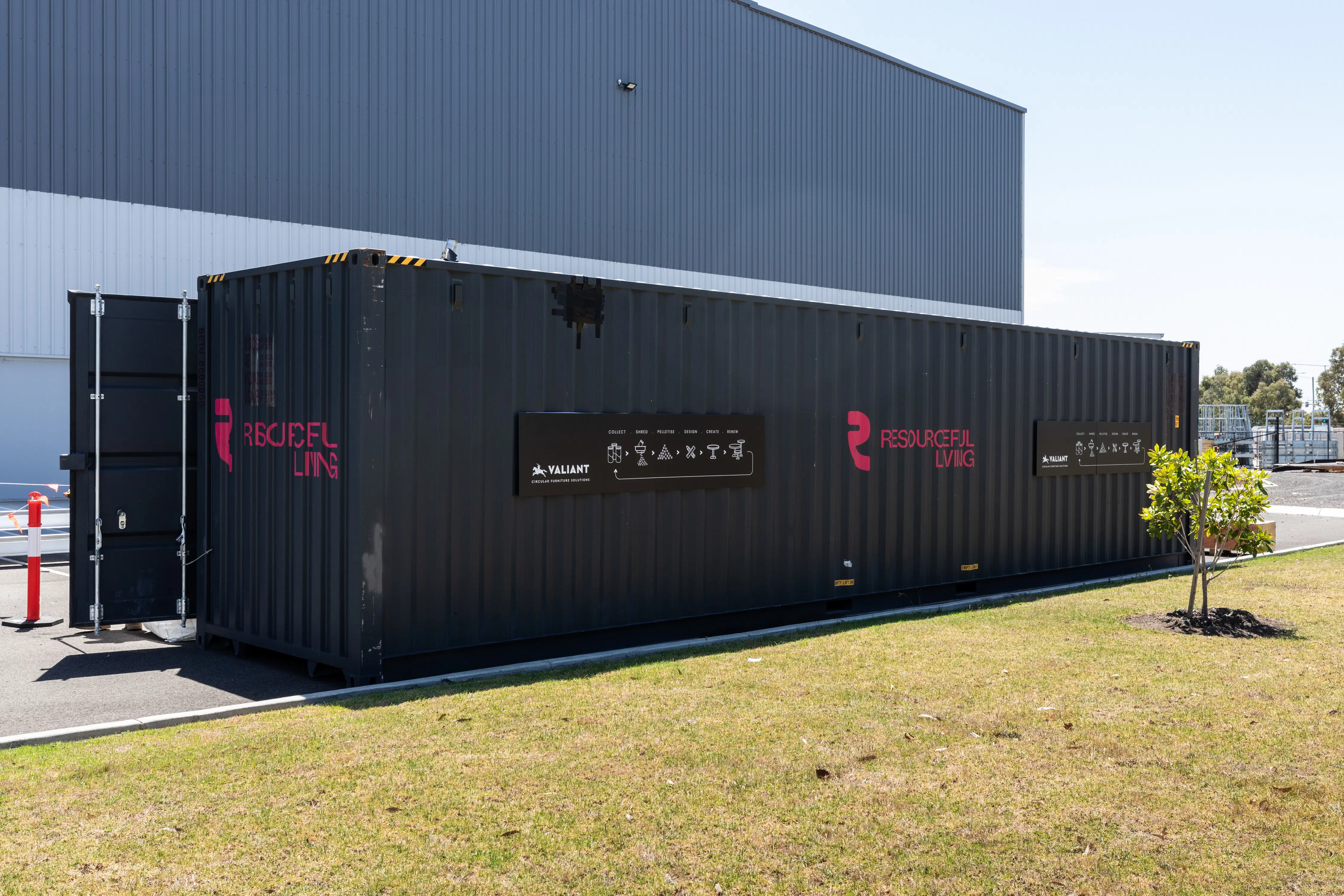
At Resourceful Living, we’ve doubled down on our commitment to Australian waste. We don't just "process" plastic; we’ve built a facility in Newcastle with the capacity to recycle 1 tonne of plastic waste every single day.
Why Newcastle Manufacturing Matters for Your Project:
- Reduced Lead Times: No more waiting for shipping containers to clear international ports. We’re right here in NSW.
- Zero Import Risk: You aren’t at the mercy of global price fluctuations or geopolitical tensions.
- Support Local Jobs: Every sheet you buy supports the circular economy right here in Australia.
Understanding the Carbon Math: 0.9 to 1.75 Tons of CO2 Saved
Let’s talk about the numbers that actually matter to your sustainability consultant. When you choose recycled plastic australia over virgin materials or traditional alternatives like timber or concrete, the carbon savings are staggering.
On average, for every ton of plastic we recycle and turn into building panels, we save between 0.9 and 1.75 tons of CO2 emissions.
When you consider that a typical construction project might require several tons of material, those savings add up fast. This data is critical for embodied carbon reporting in Australia, which is now a mandatory part of many Tier-1 and government projects.
"By choosing locally manufactured recycled plastic, you aren't just ticking a green box; you're actively removing carbon from your project's footprint while supporting a domestic waste solution." : Jess Hodge, Sales at Resourceful Living
Traceability: Knowing Exactly Where Your Waste Came From
In 2026, "greenwashing" is a legal and reputational risk you can't afford. This is where the "100% Australian" part becomes vital.
When you buy cheap imported recycled plastic, can you really be sure what’s in it? Can you track the supply chain back to the source? Probably not.
At Resourceful Living, our process is fully traceable. We take Australian post-consumer and post-industrial waste: think milk bottles, soft plastics, and industrial scraps: and turn them directly into high-performance sheets. This level of traceability is a game-changer for circular construction. It means when a regulator or a client asks about the provenance of your materials, you have a solid, verifiable answer.
Why Recycled Plastic Outperforms Traditional Materials in 2026
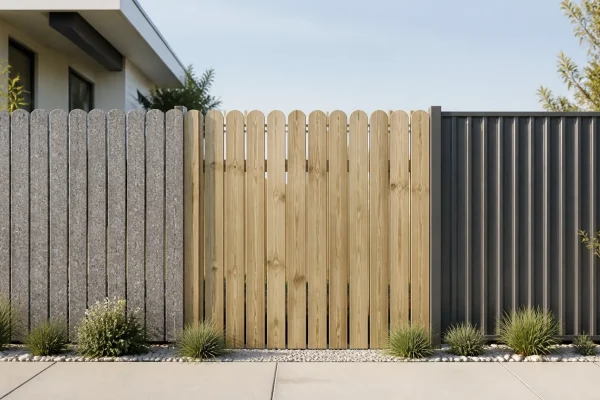
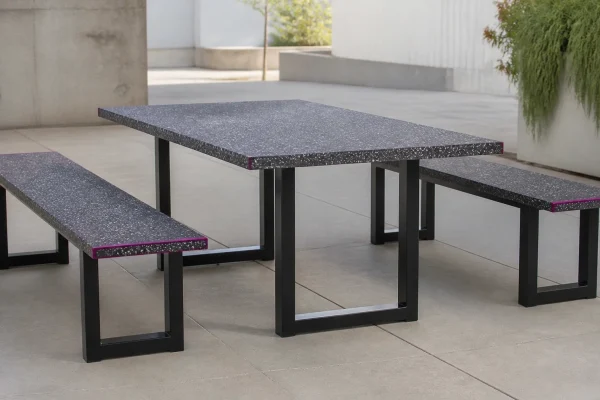
We aren't just selling "recycled" products; we're selling sustainable building materials that often outperform the stuff they replace. Whether you’re looking at site hoarding, fit-outs, or even structural elements, recycled plastic offers several functional wins.
1. Durability and Maintenance
Traditional timber rots, warps, and needs constant painting. Concrete cracks and is heavy to transport. 100% recycled plastic is water-resistant, salt-resistant, and UV-stabilised. This makes it the perfect choice for Australia’s harsh climate. If you're comparing materials, you might want to look at how recycled plastic holds up against concrete.
2. Ease of Use
Our panels can be worked with standard woodworking tools. You can drill, saw, and router them just like plywood, but without the splintering or the need for toxic sealants.
3. Aesthetics
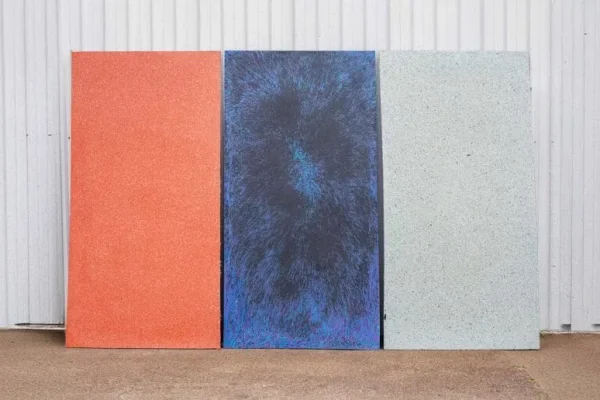
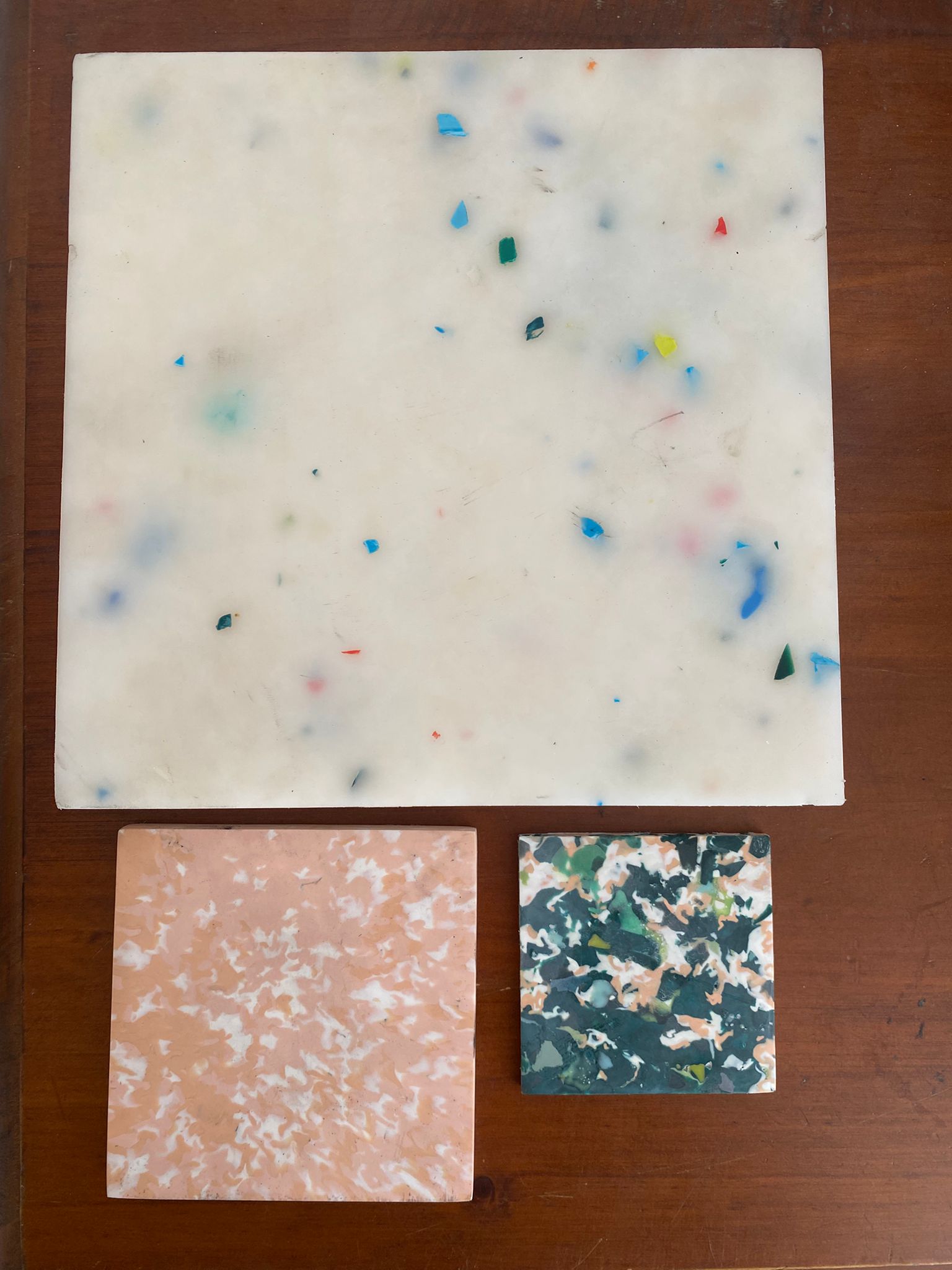
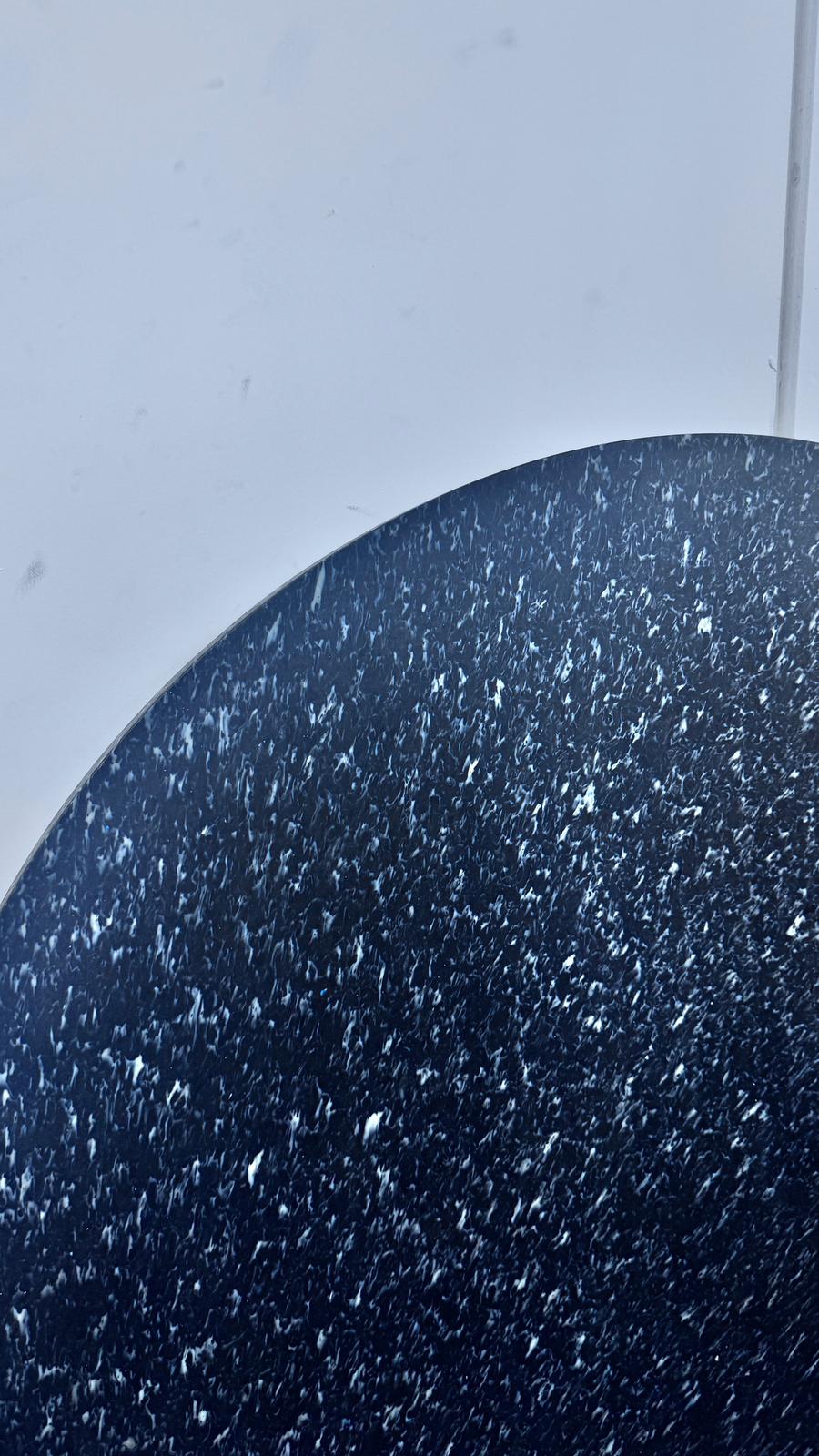
Sustainable doesn’t have to look "recycled." Our panels come in a variety of finishes, from the clean 'N70 White Confetti' to sophisticated marbled patterns that look right at home in a high-end retail fit-out or a modern office space.

Winning Tenders in 2026: The Competitive Edge
If you’re aiming to ace your next tender, you need to show more than just a low price. Procurement teams in 2026 are looking for Circular Economy integration.
By specifying 100% Australian recycled plastic, you demonstrate:
- Alignment with National Packaging Targets: Helping Australia reach its goal of recycling more waste.
- Scope 3 Emissions Reduction: Showing proactive management of your supply chain's carbon impact.
- Risk Mitigation: Using local manufacturing to ensure project timelines are met.
We’ve seen many builders struggle because they make simple mistakes in their procurement process. If you want to avoid these, check out our guide on 7 mistakes you’re making in circular construction 2026.
The Capacity to Deliver: 1 Tonne Per Day
One of the biggest myths we hear is that recycled materials can't be produced at scale. We’re here to bust that myth. Our Newcastle facility is designed for high-volume output.
With a capacity of 1 tonne per day, we are ready to support large-scale infrastructure and commercial projects. Whether you need a few sheets for a bespoke retail display or hundreds of panels for a housing development, our local manufacturing setup ensures we can scale with your needs.
Checklist: Is Your Material Truly 100% Australian?
Before you sign off on your next materials order, ask your supplier these four questions:
- Is the waste sourced entirely within Australia? (Imported waste has a much higher carbon footprint due to shipping).
- Is the manufacturing done locally? (Check for a Newcastle or regional AU facility).
- Can you provide a carbon savings certificate? (Look for that 0.9 to 1.75 ton CO2 range).
- Is there a take-back program? (At Resourceful Living, we take our panels back at the end of their life to recycle them again: true circularity).
Final Thoughts: The Smarter Choice is Already Here
The construction industry in 2026 is faster, greener, and more transparent than ever before. Choosing recycled plastic australia isn't just about being "eco-friendly": it’s a strategic business decision that protects your project from delays, reduces your carbon liability, and helps you win more work.
At Resourceful Living, we’re proud to be at the forefront of this revolution. We’re turning Australian waste into Australian assets, one tonne at a time.
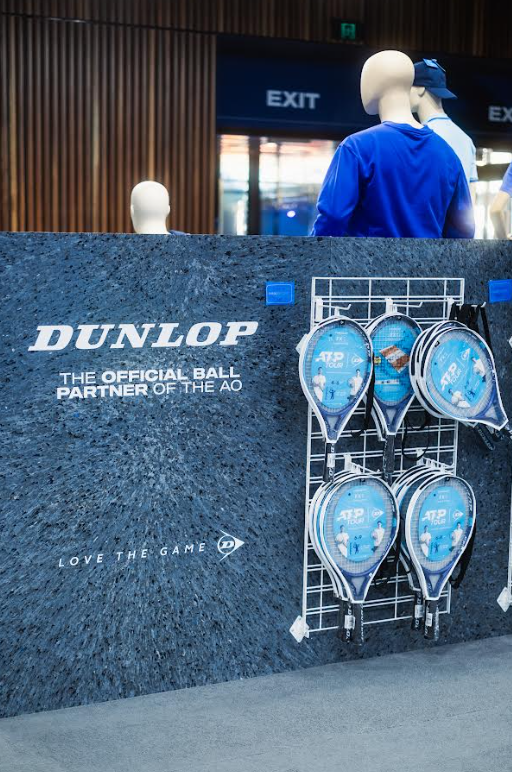
If you’re ready to see how our 100% recycled panels can fit into your next project, or if you just want to talk through the CO2 data for your next tender, give us a shout. We’re here to help you build a more resourceful future.
Ready to make the switch?
Explore our product categories or learn more about why circular construction is changing the industry forever. Let’s get to work!