If you're a Tier-1 contractor, commercial fit-out specialist, or a government procurement officer in Australia, you’ve likely noticed the "sustainability" goalposts haven't just moved: they’ve been completely redesigned.
As we move through 2026, the Australian Federal Government's Environmentally Sustainable Procurement (ESP) Policy has transitioned from a set of recommendations into a mandatory, high-stakes requirement for major projects. Whether you’re bidding on a $7.5M infrastructure build or a $1M interior refurbishment, your ability to prove recycled content and waste diversion is now just as critical as your bottom line.
At Resourceful Living, we’ve seen the shift firsthand. Circular procurement is no longer about checking a "green" box; it’s about securing your organization's future in a market where transparency is the new currency.
What is Circular Procurement in 2026?
Circular procurement is the practice of purchasing goods and services that contribute to a closed-loop system. Instead of the traditional "take-make-waste" linear model, circular procurement prioritizes materials that:
- Reduce virgin resource extraction by using 100% recycled content.
- Minimize embodied carbon through local manufacturing and efficient processing.
- Eliminate waste via verified take-back and remanufacturing programs.
In the context of circular construction 2026, this means every material: from the structural sheets to the kitchen cabinetry: must have a documented life cycle that avoids the skip bin at all costs.
The New Rules: ESP Policy Thresholds You Need to Know
The updated policy landscape is specific. If your project falls under these categories, you are now legally and contractually obligated to demonstrate circular outcomes:
- Construction Services: Any Commonwealth project valued at ≥ $7.5 million.
- Furniture and Fit-outs: Any government interior project valued at ≥ $1 million.
Under these thresholds, bidders are required to submit a Supplier Environmental Sustainability Plan (SESP). This isn't a vague promise; it’s a detailed strategy that outlines exactly how you will meet targets for climate change mitigation and resource recovery.
"The reality is that 'cheapest price wins' is a dead strategy. You are now being assessed on the circularity of every material you bring onto a site." : Jess Hodge, Owner of Resourceful Living.
Why Recycled Plastic Sheets are the "Cheat Code" for 2026 Tenders
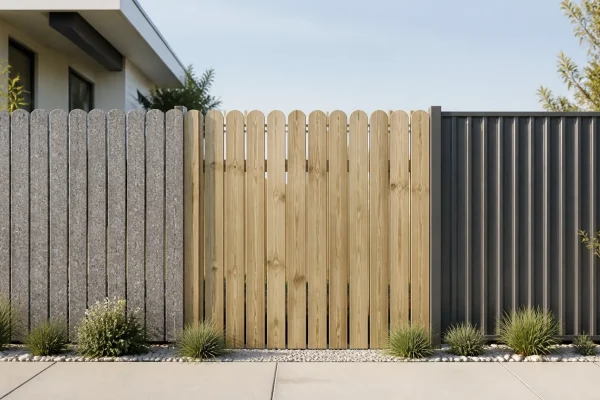
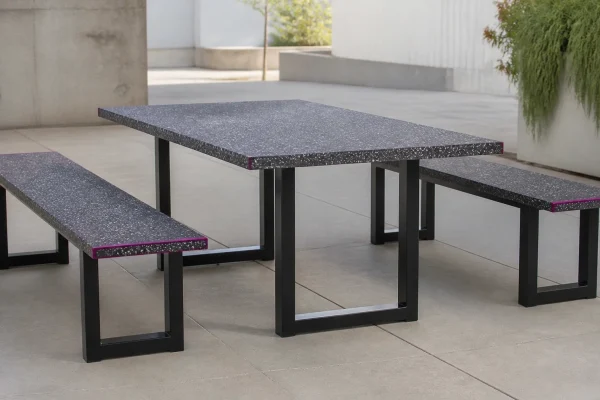
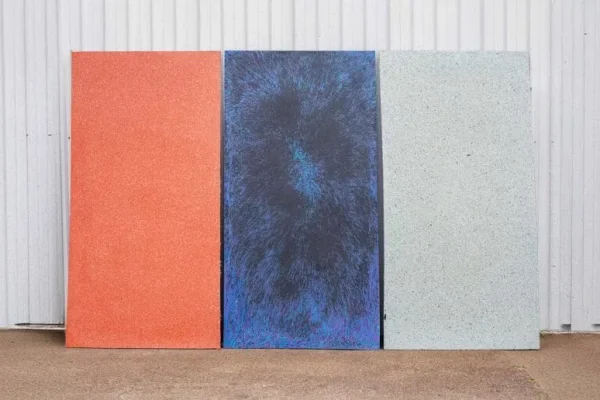
For builders and specifiers looking to hit high recycled-content targets without compromising on quality, recycled plastic sheets Australia have become the material of choice.
Unlike traditional timber or plywood: which often carry high embodied carbon and limited lifespans in harsh Australian conditions: our 100% recycled plastic panels offer a triple-win for tender submissions.

1. Tangible Waste Diversion Metrics
Every single standard sheet (2400mm x 1200mm) produced by Resourceful Living diverts approximately 20kg of plastic waste from Australian landfills. When you're writing your SESP, being able to state, "This project will divert 5 tonnes of local plastic waste through the use of RL panels," provides the hard data procurement officers crave.
2. Local Sovereign Capability ("ReMade in Australia")
The 2026 guidelines prioritize local sourcing to reduce transport emissions and support domestic industry. By using materials manufactured in Australia from 100% Australian waste, you score higher than competitors importing "recycled" products from overseas.
3. Durability That Lowers Whole-of-Life Costs
Sustainable procurement is also about longevity. Our panels are rot-proof, chemical-resistant, and moisture-proof. Comparing recycled plastic vs. marine plywood, the plastic sheets outlast timber by up to 5x in wet areas, significantly reducing the "maintenance" portion of a tender's value-for-money assessment.
Solving the Data Gap: EPDs and Traceability
The biggest hurdle in 2026 tenders is verification. You can't just say it's recycled; you have to prove it. This is where many "eco-friendly" suppliers fall short.
At Resourceful Living, we provide the technical data required for Embodied Carbon Reporting:
- Traceability Reports: We manage the end-to-end recycling cycle, allowing us to trace plastic back to its Australian source.
- Material Data Sheets (MDS): Providing the technical specs for strength and fire rating.
- Circular Credentials: Our materials are 100% recyclable. We don't use additives, resins, or veneers that "poison" the recycling stream later.

The Take-Back Advantage: Closing the Loop
One of the most powerful sections of a 2026 SESP is the End-of-Life Strategy. The government now looks for "Product Stewardship."
Resourceful Living offers a verified take-back program. At the end of a building's life or a retail fit-out’s tenure, we collect our panels free of charge. We then shred them and manufacture them into new panels. Including this in your tender submission demonstrates a truly closed-loop ESG partnership, effectively "de-risking" the waste profile of the project.
Checklist: Is Your Tender Circular-Ready?
Before you hit "submit" on your next big bid, run through this checklist to ensure you're meeting the 2026 standards:
- Percentage of Recycled Content: Do you have certificates showing the exact % of post-consumer waste?
- Locality: Is the material manufactured within Australia?
- Embodied Carbon Data: Can you provide a report or EPD to meet NABERS or Green Star requirements?
- Take-Back Guarantee: Is there a contractually backed plan for the material’s end-of-life?
- Durability: Can the material withstand the project’s specific environment (moisture, UV, high traffic) without frequent replacement?

The Bottom Line
Circular procurement isn't a hurdle: it’s an opportunity. By shifting your supply chain toward sustainable building materials in Australia, you aren't just complying with the law; you're positioning your business as a leader in the green construction revolution.
Ready to secure your next project with data-backed, 100% recycled Australian materials?
Download our Technical Spec Guide or Contact Jess and the team today to get the data you need for your SESP.