
Green certifications are no longer a bonus, they’re a baseline. Whether you’re bidding for commercial projects or aligning with ESG goals, Green Star and NABERS ratings are crucial benchmarks in Australia’s built environment.
This guide explains how using recycled plastic materials, especially those from post-consumer waste can directly contribute to achieving higher scores in both systems.
What Are Green Star and NABERS?
Green Star
- Managed by the Green Building Council of Australia (GBCA)
- Measures design, construction, and performance of sustainable buildings
- Includes categories like Materials, Emissions, Indoor Environment Quality, and Innovation
NABERS (National Australian Built Environment Rating System)
- Administered by the NSW Government and used nationally
- Focuses on operational performance: energy, water, waste, and indoor environment
- Applied to offices, shopping centres, apartments, hotels, and data centres
Green Star focuses on what you build, NABERS on how it performs.
How Recycled Materials Support Green Star Points
Using recycled plastic products can earn points across multiple Green Star categories:
✅ Materials Category
- Recycled content contributes to the “Sustainable Products” criteria
- Verified materials with Environmental Product Declarations (EPDs) score even higher
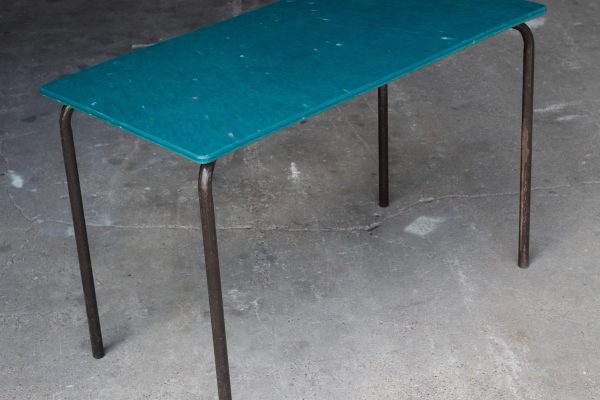
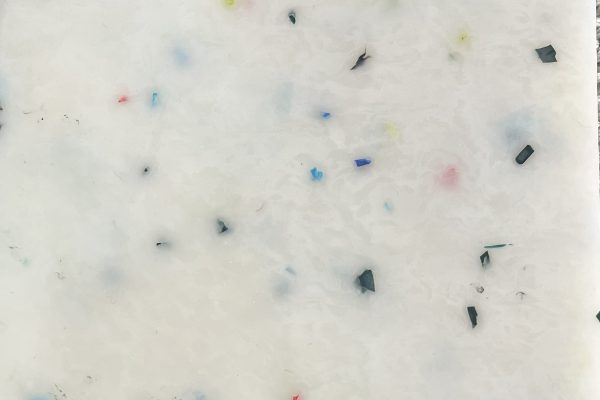
- Recycled plastic panels made from post-consumer waste exceed reuse thresholds
✅ Life Cycle Impacts
- Reduced embodied carbon from avoided virgin plastic or timber processing
- Extended life cycle and recyclability reduce whole-of-life environmental impact
✅ Innovation Category
- Novel use of closed-loop materials may qualify for innovation points
✅ Construction and Demolition Waste
- Use of recycled products reduces overall project waste
- Supports circular economy models within Green Star credits
How Recycled Products Support NABERS Ratings
While NABERS is performance-based, materials still play a key role:
✅ Operational Waste
- Long-lasting recycled materials reduce maintenance and replacement frequency
- Less waste generated over time boosts waste efficiency scores
✅ Indoor Environment Quality
- Recycled plastic panels are non-toxic and VOC-free
- Improves air quality and supports occupant wellbeing
✅ Water and Energy Efficiency
- When used in landscaping, recycled panels avoid irrigation-dependent timber
- Combined with smart design, contributes to passive performance improvements
Real-World Case Studies
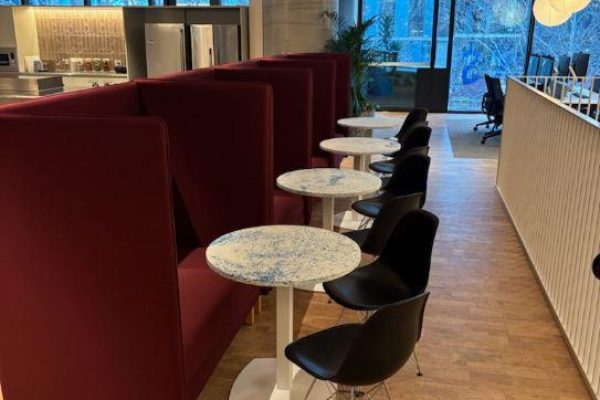
In NSW and Victoria, several Green Star-certified community spaces have used recycled plastic panels for:
- Outdoor furniture in parks
- Cladding and wall systems
- Acoustic treatment panels
Builders and architects chose these materials for both their performance and certification benefits.
Explore why builders in NSW are switching to recycled plastic panels
Choosing the Right Products
To meet Green Star or NABERS goals, choose recycled plastic products that are:
- Made from verified post-consumer waste
- Manufactured under ISO-certified processes
- Backed by durability testing and/or EPDs
At Resourceful Living, our recycled plastic panels are:
- GECA-compliant
- Made from 100% Australian post-consumer plastics
- UV-stable, rot-proof, and chemical-free
Bonus: Alignment with Other Certifications
Using recycled plastic panels also supports:
- LEED v4 (US Green Building Council)
- WELL Building Standard (indoor air quality)
- Living Building Challenge (materials petal)
Future-proofing your designs by starting with compliant materials simplifies the path to multiple certifications.
Summary Checklist: Recycled Plastic + Compliance
✅ Earns points in Green Star under Materials, Innovation, and Waste
✅ Improves NABERS performance via durability and indoor quality
✅ Supports circular economy and ESG goals
✅ Reduces operational cost and carbon footprint
Return to: The Ultimate Guide to Sustainable Building Materials in Australia
🛒 Browse sustainable panels ready for commercial projects