If you've ever stood on a job site in the humidity of Queensland or the salt-heavy air of coastal New South Wales, you've seen it: plywood delaminating, warping, and growing a fine layer of grey-green mould within months. It’s a sight that costs the Australian construction industry millions every year.
For decades, we’ve accepted this "maintenance tax" as a cost of doing business. We buy timber or plywood because it’s cheap upfront, then we pay for it four times over in replacements, repairs, and landfill fees. But as we move into 2026, the math is changing. The shift toward circular construction isn't just about saving the planet; it's about the Return on Investment (ROI) of using materials that actually survive the Australian climate.
At Resourceful Living, we’re seeing a massive uptick in why NSW builders are switching to recycled plastic panels. The reason is simple: in high-moisture environments, recycled plastic outlasts plywood by at least 5x.
The "5x Rule": Why Plywood Fails Where HDPE Thrives
In the world of high-moisture builds, think agricultural sheds, marine infrastructure, formwork, or ground-contact landscaping, the recycled plastic vs timber comparison isn't even a fair fight.
Plywood is essentially a sandwich of wood veneers held together by glue. In the lab, it’s strong. In the "real world" of Australian weather, it has three fatal flaws:
- Absorption and Swelling: Wood is porous. When it rains, it drinks. This causes the fibres to expand and contract, which eventually breaks the internal glue bonds.
- Delamination: Once those bonds break, the layers peel apart. Once a sheet of ply starts delaminating, its structural integrity is gone.
- Biological Decay: Wet wood is a buffet for termites and fungal rot. Even "treated" pine has a shelf life when it's constantly exposed to damp soil or salt spray.
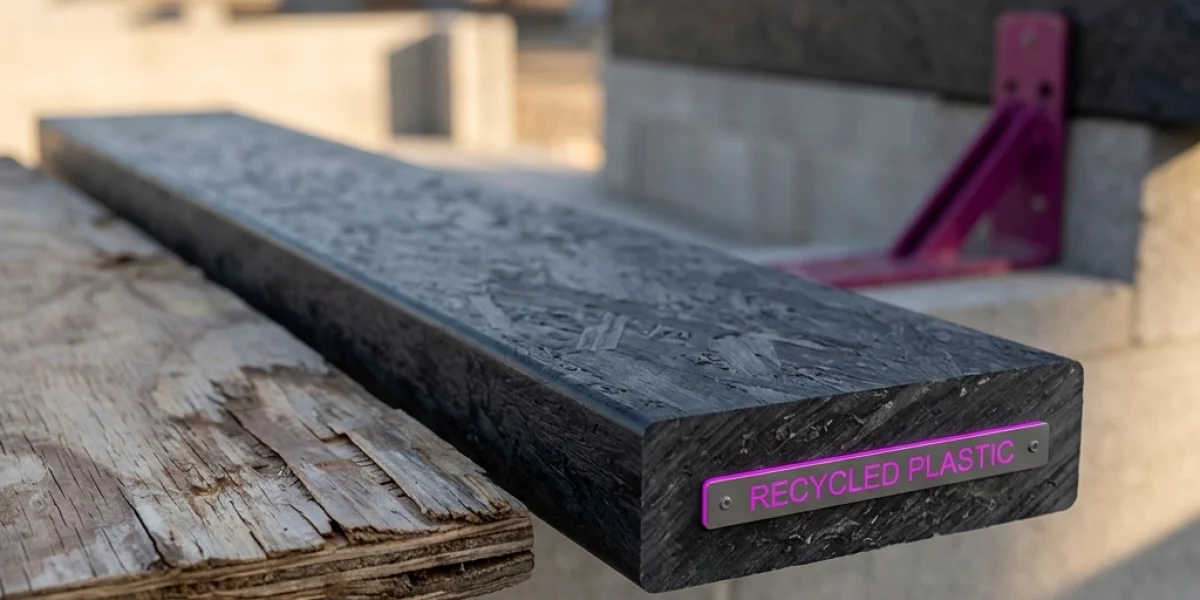
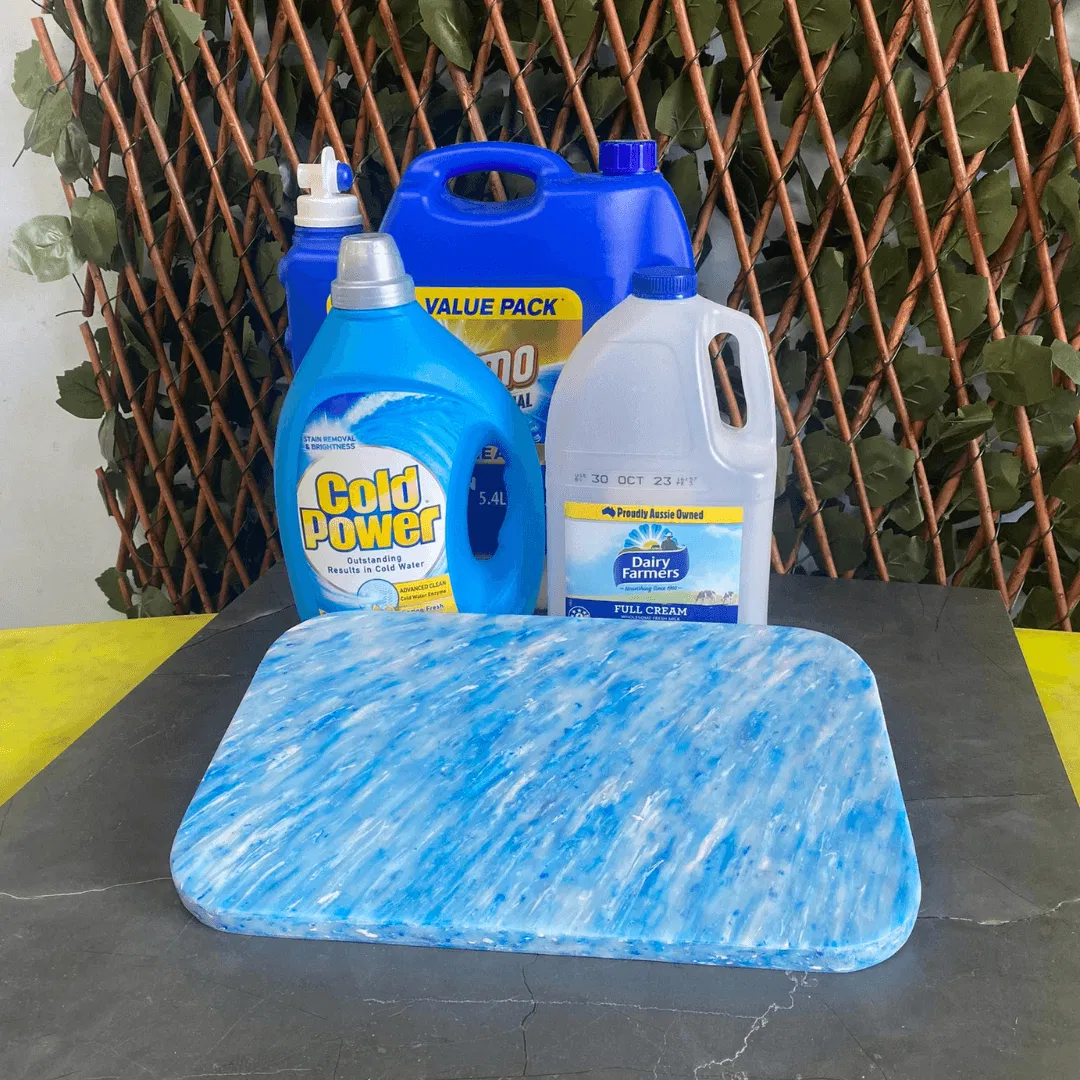
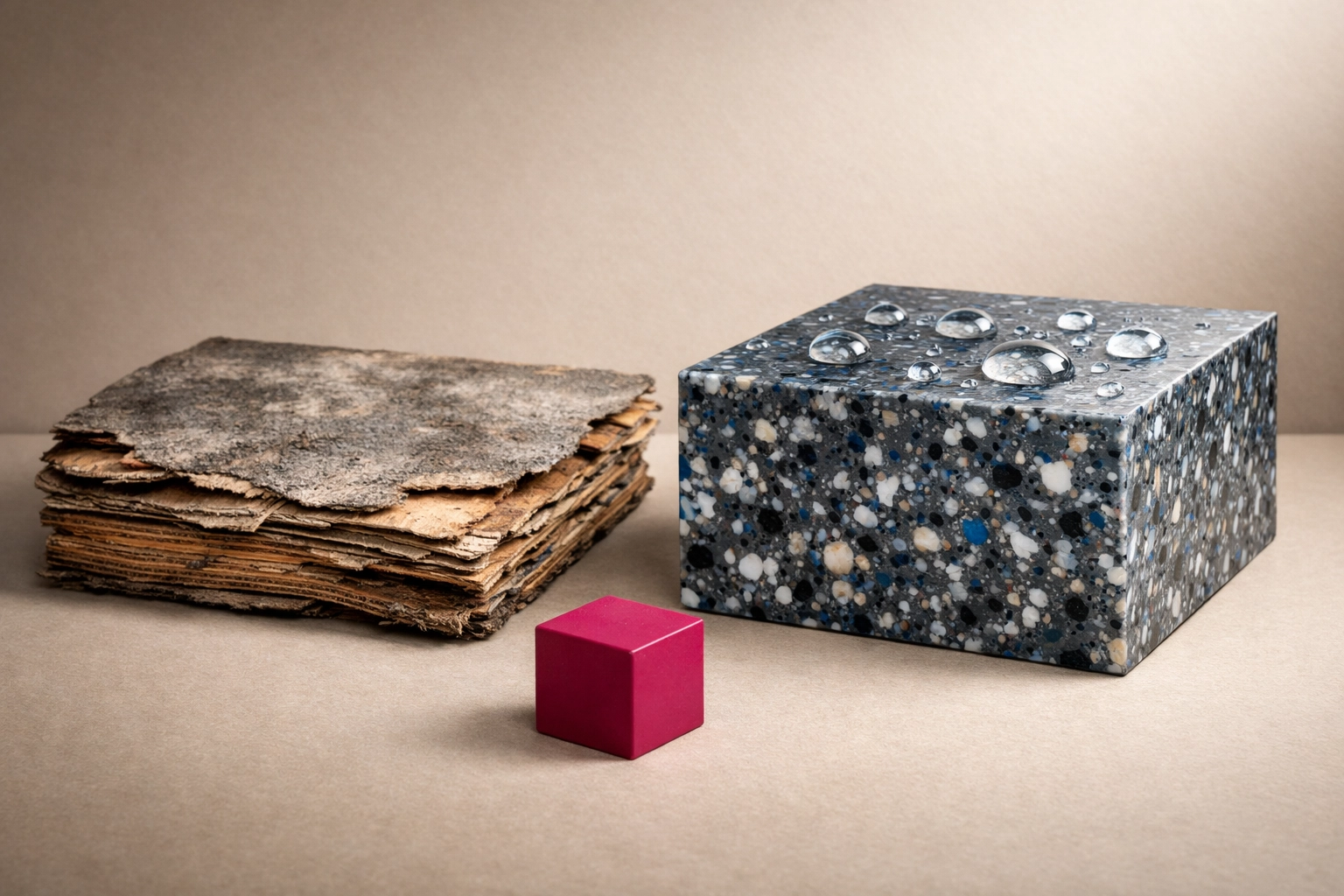
Recycled HDPE (High-Density Polyethylene), on the other hand, is non-porous. It doesn't drink. It doesn't swell. And it certainly doesn't rot. While a standard sheet of formwork plywood might get 8 to 12 reuses before it’s fit for the skip bin, our recycled plastic sheets can easily handle 50+ reuse cycles. That is the definition of the 5x rule in action.
The Hidden Cost of "Cheap" Materials
Let’s talk numbers. As a sales professional here at Resourceful Living, I hear the same objection every week: "But Jess, the upfront cost of recycled plastic is higher than timber."
You’re right. It is. But if you're only looking at the invoice price, you're missing the Life Cycle Cost.
The Financial Breakdown: Timber vs. Recycled Plastic
| Feature | Traditional Timber/Plywood | Resourceful Living Recycled HDPE |
|---|---|---|
| Upfront Cost (m2) | ~$55 | ~$75 |
| Lifespan (High Moisture) | 5–10 years | 40–50+ years |
| Maintenance Required | Sanding, painting, chemical treatment | Zero |
| Replacement Frequency | High (every 5-8 years) | None in our lifetime |
| Landfill Disposal Cost | ~$200+ per tonne | $0 (100% Recyclable) |
When you factor in the labour costs of replacing rotted timber, the escalating fees for industrial waste disposal, and the downtime on-site, the recycled plastic panels pay for themselves by the third or fourth year. By year ten, you aren't just saving money, you’re boosting your project's overall profitability.
This is why we focus heavily on sustainable construction solutions that prioritise longevity over "cheapness."
Engineering for 50+ Years: The Durability Advantage
Why does our material last 40 to 50 years without breaking a sweat? It comes down to the source material. We take post-consumer waste, milk bottles, detergent tubs, and industrial caps, and process them into high-density panels.
- UV Stability: Australia has some of the harshest UV radiation on earth. Our panels are engineered with UV stabilisers to ensure they don't become brittle or "chalky" in the sun.
- Chemical Resistance: Unlike timber, which can be damaged by cleaning agents or fertilisers, HDPE is chemically inert. This makes it the go-to for recycled plastic products for mining sites and heavy industry.
- Impact Resistance: Plywood cracks. Timber splinters. HDPE absorbs impact. If a bobcat bumps a recycled plastic garden edging strip, it bounces back. If it hits a timber board, you’re buying a new one.
Circularity 2026: More Than Just a Buzzword
The ROI isn't just about durability; it's about compliance. The Australian government is rapidly moving toward stricter procurement rules. If you aren't already familiar with why Circular Construction 2026 will change the way you buy materials, now is the time to catch up.
Government tenders are increasingly requiring Embodied Carbon Reporting. When you use plywood, you have to account for the carbon cost of harvesting, transporting, and, eventually, the methane produced when that wood rots in a landfill.
When you use Resourceful Living panels, you're using a product that has already diverted waste from Aussie landfills. Better yet, we offer a take-back program. When you’re done with the material (decades from now), we take it back and grind it down into new panels. That is a truly closed-loop system that helps you win government tenders.
"The most sustainable building material is the one you only have to install once. Every time you replace a rotted timber board, you're doubling your carbon footprint and halving your profit margin."
Real-World Applications: Where the ROI Shines
We aren't just theorising here. We’ve seen these results across multiple sectors:
- Civil Infrastructure: Retaining walls and culverts where moisture is constant.
- Agriculture: Animal pens and feed troughs that need to withstand high-pressure cleaning and acidic waste.
- Marine: Jetty fenders and walkways that face salt spray 24/7.
- Commercial Fit-outs: High-traffic areas where durability and "cool factor" collide. Check out our recycled materials for commercial projects to see how brands are using these panels to tell a sustainability story.
How to Calculate the ROI for Your Next Project
If you’re still on the fence, I challenge you to do a quick "Back of the Napkin" calculation for your next build:
- Step 1: Calculate the total cost of timber/plywood including delivery.
- Step 2: Add the cost of labour for the initial install.
- Step 3: Estimate the replacement cost in 7 years (include labour and disposal fees).
- Step 4: Compare that to a single install of recycled plastic sheets for construction.
Most of our clients find that the "expensive" plastic option becomes the "smart" financial option by the time the first maintenance cycle would have hit.
Join the Resourceful Revolution
The "old way" of building, the "rip, make, waste" model, is dying. It’s inefficient, it’s expensive, and frankly, it’s bad for the Aussie bush. By choosing materials that outlast the competition by 5x, you're protecting your bottom line and the environment simultaneously.
We are proud to be an Australian-made and owned manufacturer, using 100% locally sourced waste. We're even a Pre-Qualified Supplier for Local Buy, making it easier for councils and government bodies to make the switch.
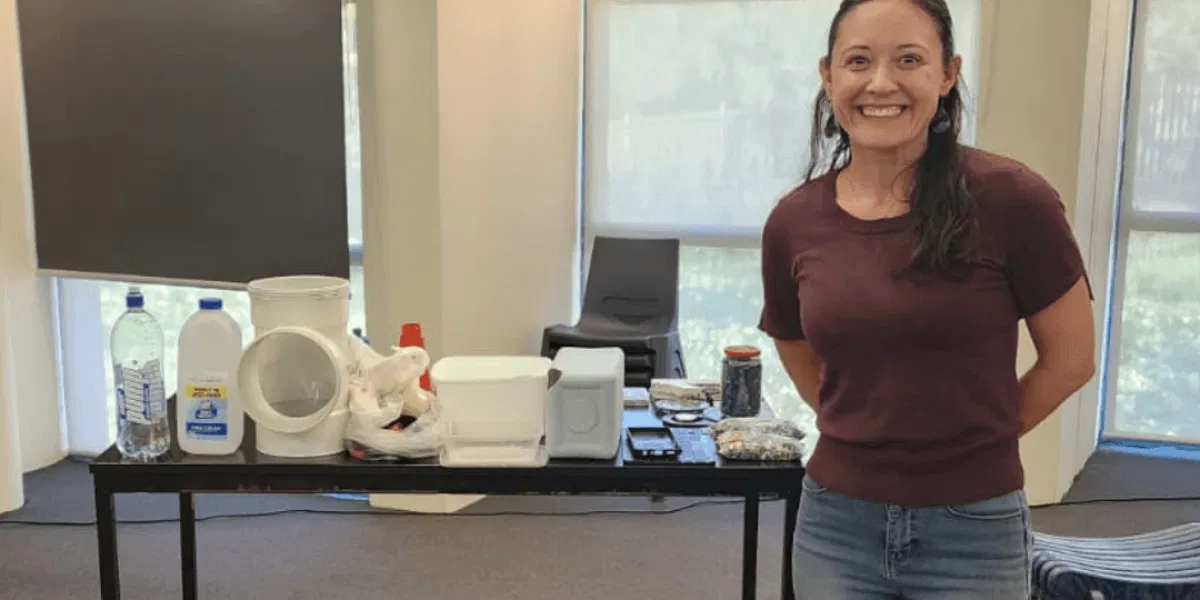
Ready to stop paying the maintenance tax? Whether you're looking for 10 things to ask before you buy recycled plastic or you're ready to get a quote for your next tender, we're here to help.
Let’s build something that actually lasts.
Quick Checklist for Your Switch:
- Check the Environment: Is it high moisture or ground contact? (If yes, use HDPE).
- Check the Tender: Does it require a percentage of recycled content?
- Check the Lifecycle: Will this material need replacing in under 10 years?
- Contact Resourceful Living: Get the specs you need for a better ROI.