As we approach the threshold of circular construction 2026, the role of the procurement manager in the Australian building industry is undergoing a fundamental shift. It is no longer enough to simply secure the lowest price for a specified material. Today, you are the gatekeeper of a project’s carbon footprint, its waste legacy, and its compliance with increasingly stringent government mandates.
In Australia, the "take-make-dispose" model is being phased out. Whether you are aiming for a Green Star rating or responding to a government tender, the demand for sustainable building materials in Australia has never been higher. But how do you translate these high-level sustainability goals into legally binding, enforceable contracts?
This guide provides the practical framework you need to specify recycled content, ensure traceability, and write the clauses that will define the next decade of Australian infrastructure.
1. Defining the Circular Objective
Before a single tender is released, you must define what "circularity" means for your specific project. In the context of 2026 mandates, this usually falls into three categories:
- Landfill Diversion: Ensuring waste from your site doesn't end up in a hole in the ground.
- Embodied Carbon Reduction: Choosing materials that require less energy to produce (like recycled HDPE vs. virgin timber or concrete).
- Resource Recovery: Specifying materials that can be fully recycled again at the end of the building's life.
By setting these objectives early, you can move away from vague "eco-friendly" language and toward measurable KPIs. For example, instead of asking for "sustainable options," your contract should specify: "A minimum of 30% post-consumer recycled content by mass."
2. Specifying Recycled Content with Precision
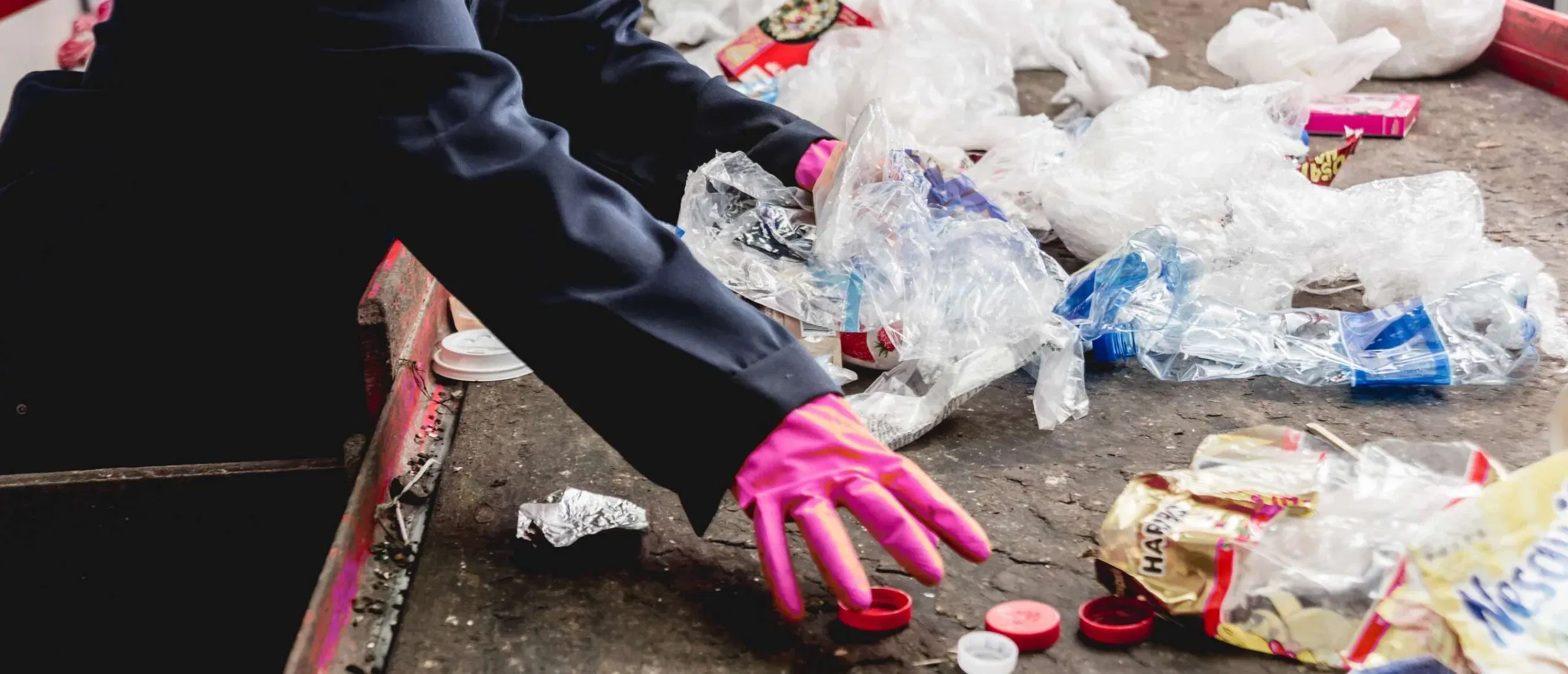
One of the biggest hurdles in procurement is "greenwashing." To combat this, your specifications must be rigid. When sourcing sustainable building materials in Australia, particularly recycled plastics, you need to differentiate between post-industrial and post-consumer waste.
Post-consumer waste (the milk bottles and soft plastics from Australian kerbside bins) has a much higher impact on circularity than post-industrial waste, which is often just factory offcuts.
Key Specification Metrics:
- Percentage of Recycled Content: Define if this is by weight or volume.
- Origin of Material: Specify that the waste must be sourced within Australia to reduce transport emissions and support local industry.
- Traceability Documentation: Require a chain of custody or a local traceability report.
For a deeper dive into why where your material comes from matters, see our guide on 10 things you should know about local traceability.
3. Writing the "Take-Back" Clause
A truly circular contract doesn't end at "Practical Completion." To ensure a product never reaches a landfill, you must integrate Product Stewardship or "Take-Back" clauses.
This requires the supplier to guarantee they will accept the material back at the end of its useful life: whether that’s in 5 years or 50 years: to be re-processed into new materials.
Example Clause Wording:
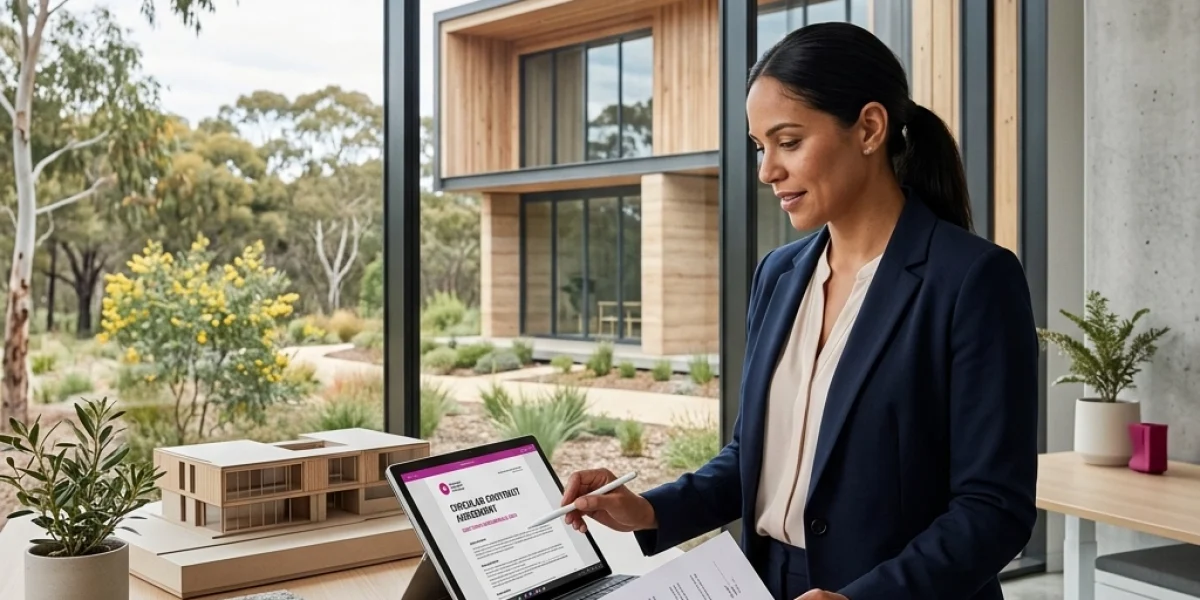
"The Supplier warrants that at the end of the Product’s service life, or upon deconstruction of the Project, the Supplier will accept the return of the Product for the purpose of closed-loop recycling. The Supplier must provide evidence of an established recycling pathway within Australia for the returned material."
This shift in responsibility from the builder to the manufacturer is what separates traditional procurement from circular construction 2026 standards.
4. The Australian Made Advantage: Supply Chain Security
In the current global climate, long-lead times for imported timber or specialised composites are a major project risk. Procurement managers are increasingly looking at Australian Made materials not just for the "green" credentials, but for supply chain security.
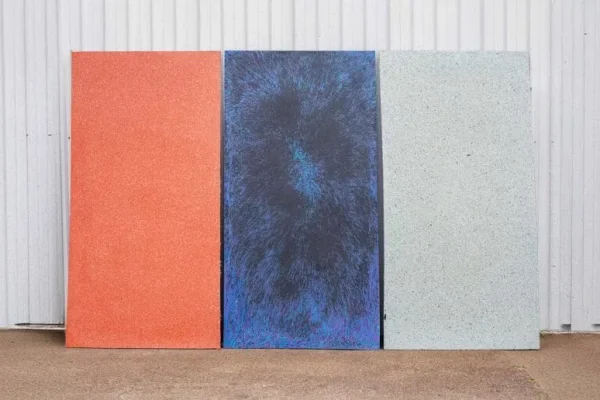
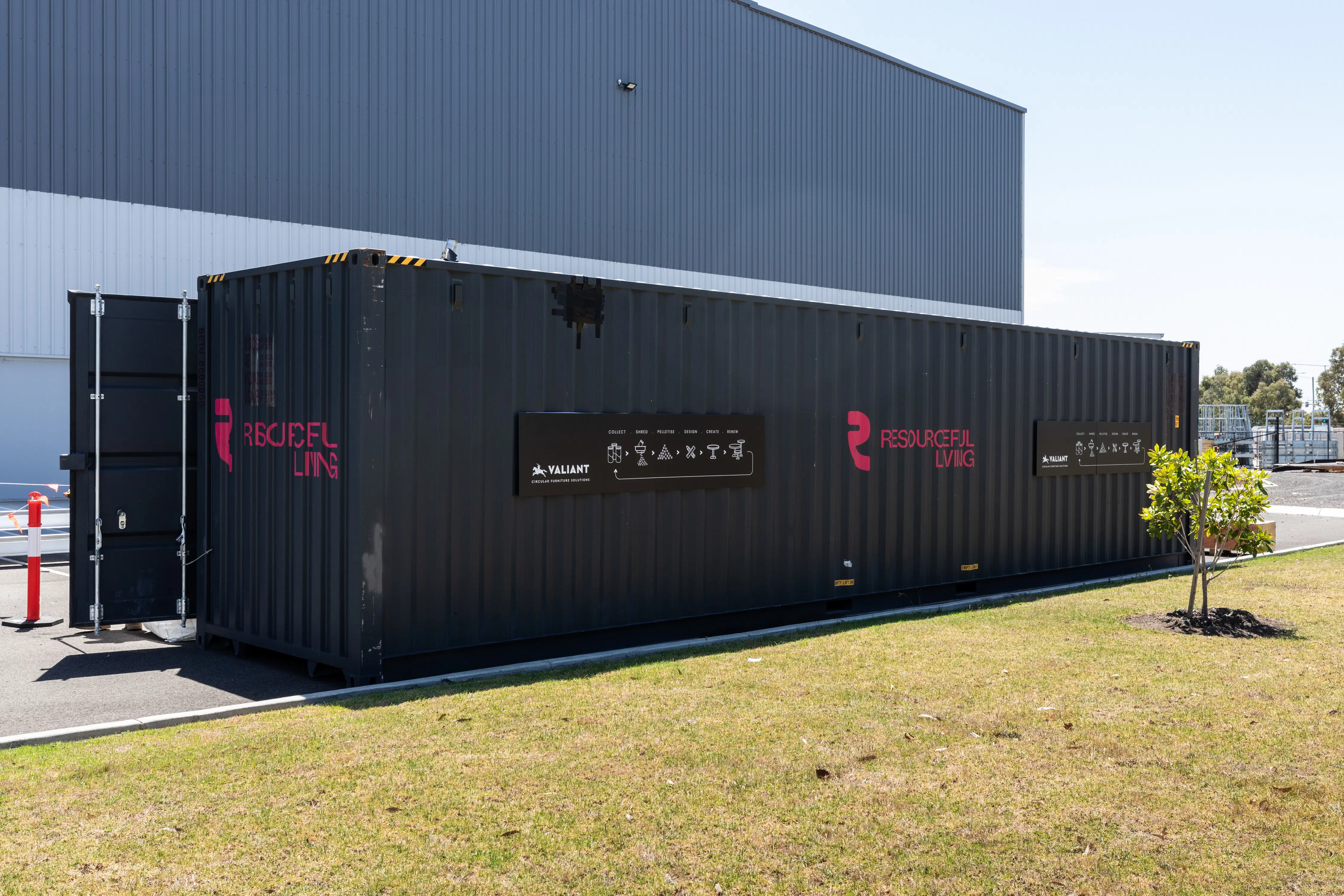
At Resourceful Living, we have scaled our operations to meet this demand. We currently have a 1-tonne-per-day processing capacity, turning 100% Australian plastic waste into high-performance panels. For a procurement manager, this means:
- Reduced Lead Times: No waiting for shipping containers from overseas.
- Lower Scope 3 Emissions: Minimal transport distances from factory to site.
- Predictable Pricing: Insulation from global freight fluctuations.
Choosing local also means you can verify the manufacturing process yourself. You can learn more about how local manufacturing beats global delays in our article: From waste to site in 24 hours.
5. Integrating Traceability and Reporting
In 2026, "trust me" is not a valid reporting metric. Government departments and Tier 1 contractors now require rigorous data for Embodied Carbon Reporting.
When writing your RFT (Request for Tender), include a requirement for a Digital Materials Inventory. This should include:
- Product Composition: What exactly is in the material?
- Manufacturer Location: Is it actually made here?
- Certification: Does it have an EPD (Environmental Product Declaration) or a "Local Buy" pre-qualification?

Resourceful Living is a Pre-Qualified Local Buy Supplier, making it easier for local government procurement officers to source our materials without the lengthy traditional tender process. This "Local Buy" status is a shortcut to ensuring your project meets local content and sustainability targets.
6. Comparing Material Performance: Plastic vs. Traditional
Part of your role is to educate the project team on why a move away from traditional materials like timber or concrete makes sense for the bottom line.
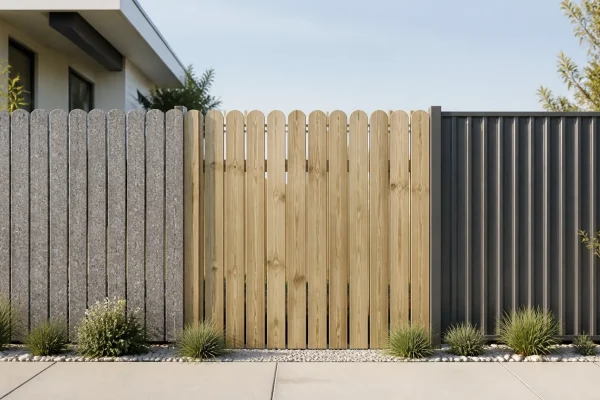
While the initial purchase price of a recycled HDPE sheet might be different from marine plywood, the Total Cost of Ownership (TCO) is usually much lower. Recycled plastic does not rot, requires zero painting or sealing, and is impervious to termites and moisture.
| Feature | Recycled HDPE (Resourceful Living) | Traditional Timber / Plywood |
|---|---|---|
| Maintenance | Zero | High (Painting/Sealing) |
| Lifespan | 50+ Years | 5-15 Years (Outdoor) |
| Circularity | 100% Recyclable | Often Landfilled / Incinerated |
| Traceability | Fully Local (AU Waste) | Often Global Supply Chain |
For a full breakdown of these cost savings, check out our analysis: Recycled plastic vs marine plywood: The 10-year cost breakdown.
7. Weighted Evaluation: Prioritising Value Over Price
To achieve circular outcomes, your tender evaluation matrix must change. If price is 100% of the weighting, you will always end up with the least sustainable option.
We recommend a weighted scoring system that looks like this:
- Price: 60%
- Technical Capability & Lead Time: 15%
- Sustainability & Circularity (Recycled content, Take-back schemes): 15%
- Local Content (Australian Made/Owned): 10%
This structure gives "permission" to the project team to choose the better material for the long-term health of the asset.
8. Implementation Checklist for Procurement Managers
Ready to write your next contract? Use this checklist to ensure you’ve covered the circular essentials:
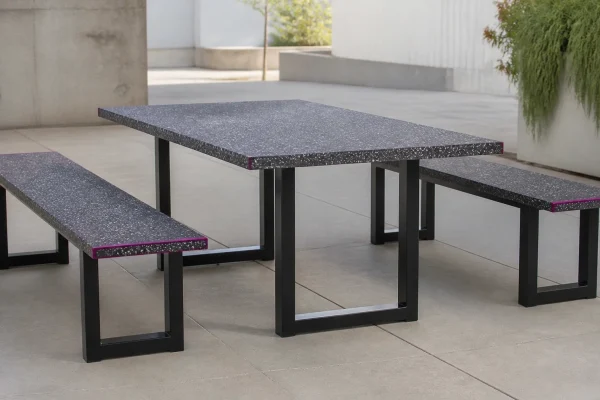
- Identify high-impact materials: Focus on items like site hoarding, internal fit-outs, and furniture where recycled plastic can easily replace timber.
- Specify "Australian Sourced and Made": Minimise transport emissions and support the local circular economy.
- Mandate a Take-Back clause: Ensure the supplier is responsible for the product at its end-of-life.
- Require Traceability Reports: Don't accept generic claims; ask for specific data on where the waste was collected.
- Check Pre-Qualifications: Use "Local Buy" or similar pre-qualified panels to streamline the process.
- Assess Embodied Carbon: Use the project's carbon targets to justify the switch to recycled materials. For help with this, read our guide on integrating embodied carbon reporting.
The Path to 2026
Circular procurement is no longer a niche interest: it is a core business requirement. By specifying sustainable building materials in Australia and backing them with strong, traceable contracts, you aren't just building a project; you're building a supply chain that can sustain itself for generations.
At Resourceful Living, we provide the materials, the capacity (1 tonne per day), and the traceability you need to meet these goals today.
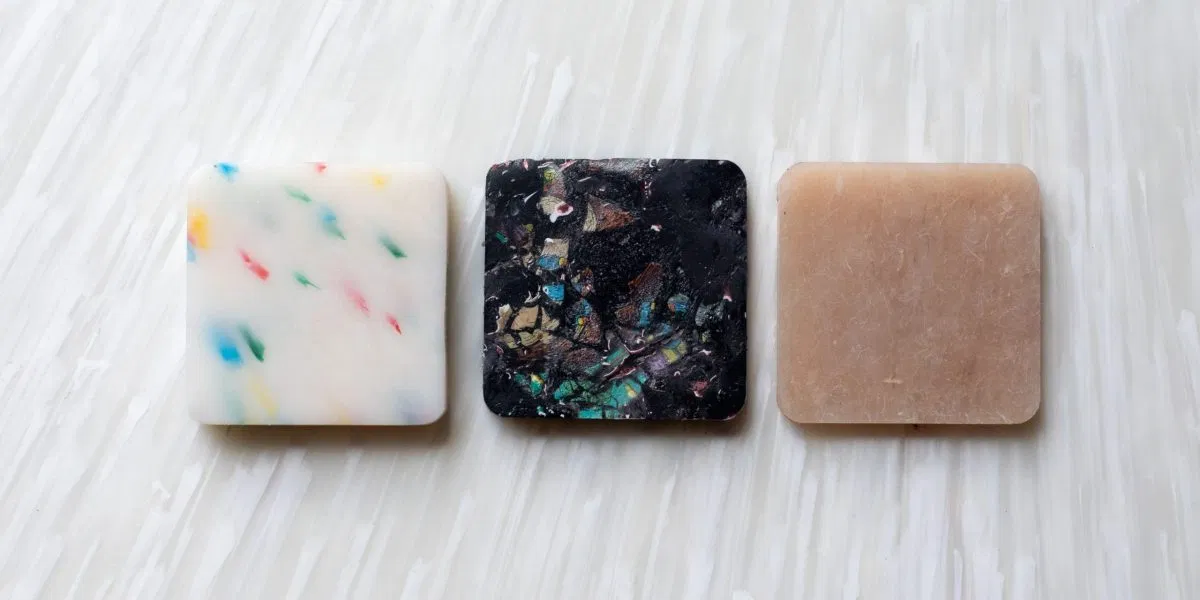
Ready to see how our 100% recycled Australian plastic panels fit into your next project? Explore our product range here or reach out for a sample pack to show your design team what's possible when we stop viewing waste as a problem and start seeing it as a resource.