The landscape of Australian architecture is shifting beneath our feet. For years, we’ve focused on operational energy efficiency: insulation, glazing, and HVAC performance. But as we move into the second half of this decade, the focus is pivoting toward embodied carbon.
With the release of NCC 2025, the Australian Building Codes Board (ABCB) has officially introduced a voluntary embodied carbon pathway for commercial buildings. This isn't just another administrative hurdle; it’s a trial run for what will almost certainly become mandatory by the NCC 2028 update.
As an architect, your role is transitioning from pure design to carbon curation. Specifying sustainable building materials in Australia is no longer just about "green aesthetics": it's about compliance, data integrity, and future-proofing your projects.
Here is how you can navigate NCC 2025 compliance by integrating 100% recycled materials into your next build.
What the NCC 2025 Means for Your Specification Workflow
The NCC 2025 (published in February 2026) has introduced a standardised framework for reporting upfront carbon emissions. Initially, this pathway remains voluntary for commercial projects, but it sets the stage for a national "cap" on embodied carbon.
The NABERS Alignment
The code leans heavily on the NABERS Embodied Emissions methodology. This means that to comply with the pathway, you need to provide a Life Cycle Assessment (LCA) that accounts for the "Cradle-to-Gate" emissions (Stages A1–A3) of your materials.
If you are aiming for a Green Star rating or meeting Government Procurement Policies, you are likely already seeing requirements for a 10% to 20% reduction in embodied carbon compared to a reference building. This is where your material choices become the deciding factor between a "Pass" and a "Fail."
Why 100% Recycled Plastic is a "Cheat Code" for Compliance
When architects think about reducing carbon, they often look at concrete and steel. While these are the "heavy hitters" (often making up 70% of a building's footprint), they are also the hardest to replace.
The real opportunity for quick carbon wins lies in the "finishing" materials: joinery, partitioning, retail displays, and outdoor infrastructure. This is where 100% recycled plastic panels offer a significant advantage over traditional materials like timber, virgin plastic, or engineered stone.
Slashing the Upfront Debt
By specifying materials that are already in the system, you bypass the carbon-intensive "extraction" phase. At Resourceful Living, our panels are made from 100% Australian plastic waste. We don’t drill for new oil, and we don’t use additives or veneers.
| Material Comparison | Embodied Carbon Impact | Durability in High-Moisture | End-of-Life |
|---|---|---|---|
| Virgin Timber | Medium (LCA dependent) | Low (Needs treatment) | Variable (Landfill/Mulch) |
| Imported Virgin Plastic | High | High | Low Recyclability |
| Resourceful Living Recycled Panels | Low | Exceptional | 100% Recyclable (Take-back) |
By swapping out virgin materials for our recycled plastic sheets, you are effectively offsetting the carbon debt of the structural elements you can't change.

Data is the New Material: EPDs and Traceability
In the 2026 regulatory environment, a product is only as good as the data behind it. To meet NCC 2025 standards, you need verified product carbon claims.
Why Traceability Matters
A common mistake in sustainable procurement is specifying "recycled" materials without verifying the source. If a recycled panel is shipped from overseas, the transportation emissions (Stage A4) can negate the benefits of the recycled content.
We manage the entire lifecycle in-house. Because we use local Australian waste, we can provide clear, traceable data for your LCA tools like eTool or One Click LCA. You can learn more about why traceable materials are the key to meeting sustainability targets in our deep-dive guide.
"We're no longer just selling plastic sheets; we're selling verified environmental data. For architects, your job is to curate a library of materials that meet the strict reporting requirements of a net-zero future." : Jess Hodge, Owner at Resourceful Living.
Designing for Circularity: The "Material Bank" Concept
The NCC 2025 and the broader Circular Construction 2026 movement encourage architects to treat buildings as "material banks." This means designing for disassembly and ensuring that materials don't end up in a landfill in 20 years.
The Take-Back Program
One of the most powerful ways to meet ESG targets in a tender is to specify a product with a guaranteed end-of-life plan. Resourceful Living offers a free take-back program. At the end of a retail fit-out or office renovation, we collect our panels and remanufacture them into new building materials.
This "Closed-Loop" approach is a massive win for meeting government sustainability targets. It ensures the embodied carbon stays within the economy rather than becoming a waste liability.

Practical Applications in the Built Environment
Architects are finding creative ways to integrate these panels into high-traffic, high-moisture, and high-visibility areas:
- Wet Area Fit-outs: Unlike timber, these panels are 100% waterproof. They are ideal for end-of-trip facilities, public toilets, and changing rooms. Compare recycled plastic vs. timber for wet areas to see the maintenance benefits.
- Acoustic and Privacy Barriers: The density of the 100% recycled plastic makes it an excellent noise barrier for open-plan offices or outdoor public spaces.
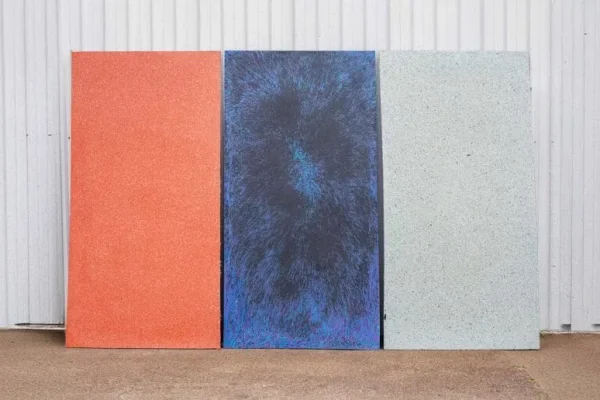
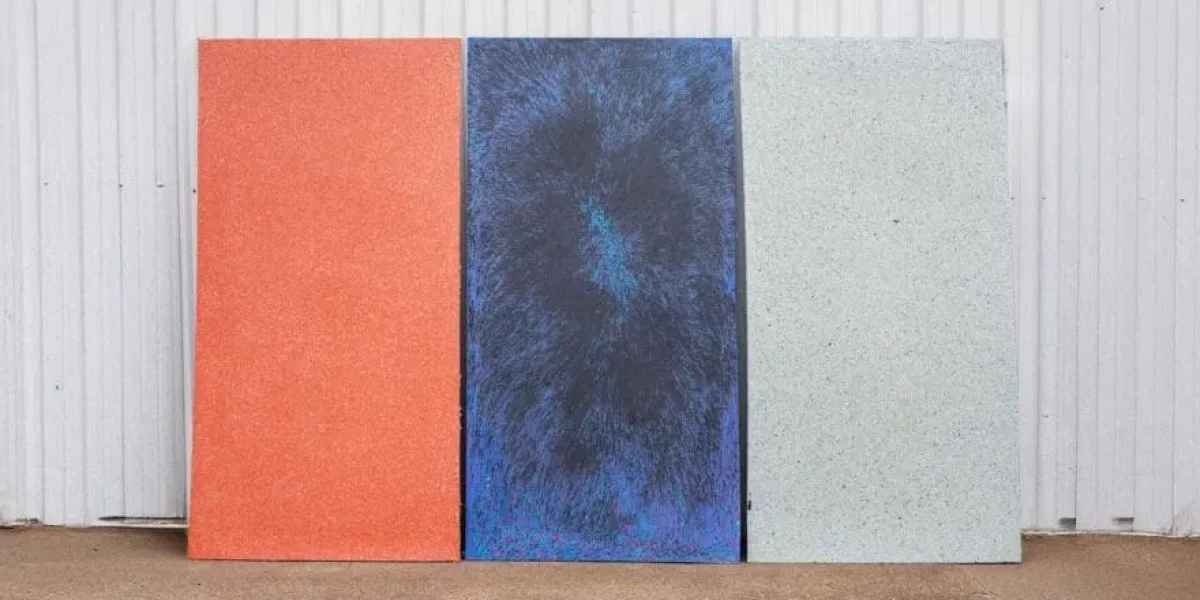
- Retail and Hospitality: The unique, marbled aesthetic of our 'Lumen' and 'River' colourways provides a high-end designer feel while telling a powerful sustainability story.
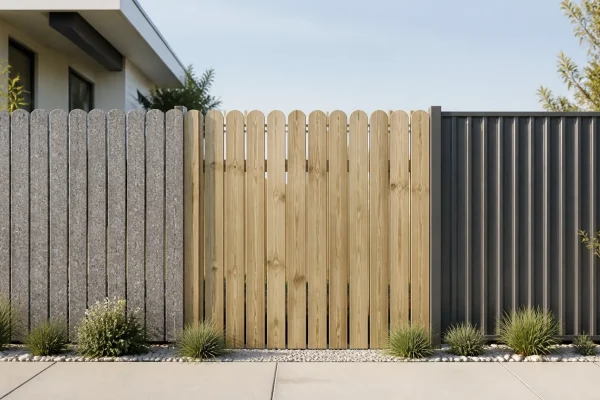
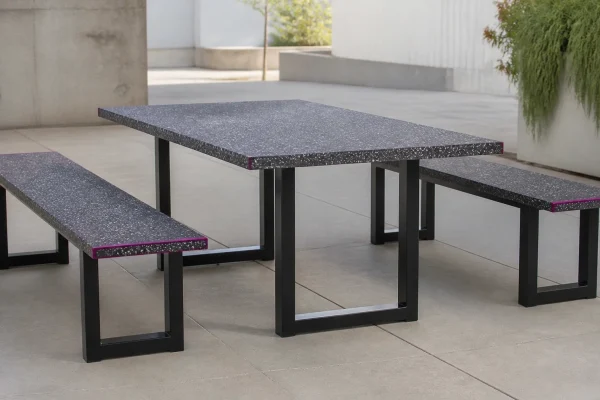
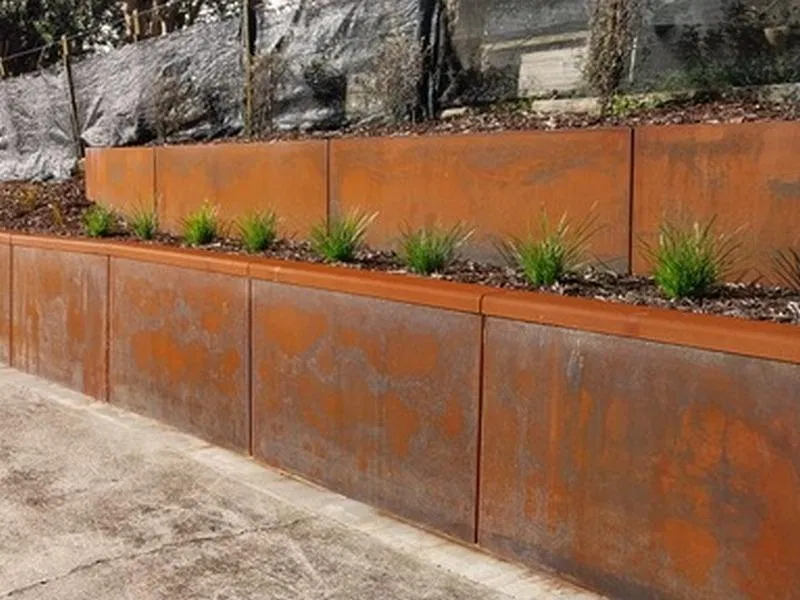
- External Infrastructure: From retaining walls to public seating, the UV-stabilised material withstands the harsh Australian sun better than many treated timbers. See our case study on rust-effect retaining walls.
Your 5-Step Checklist for NCC 2025 Compliance
If you have a project on your desk right now, follow these steps to ensure your material specifications are tender-ready:
- Identify High-Volume Finishes: Look for areas where you can swap virgin materials (like MDF, plywood, or engineered stone) for recycled plastic panels.
- Request EPD Data: Ensure your supplier can provide verified carbon data that aligns with the NABERS framework.
- Prioritise Local Sourcing: Reduce transportation emissions by choosing 100% Australian-made materials.
- Incorporate End-of-Life: Explicitly mention the Take-Back Program in your specification to satisfy circular economy requirements.
- Audit the Source: Ensure the material is 100% recycled, not just a small percentage of recycled content mixed with virgin resins.
The Future of Australian Architecture is Recycled
The shift toward embodied carbon reporting is an opportunity to lead. By specifying sustainable building materials in Australia today, you aren't just complying with the NCC 2025: you’re future-proofing your practice against the mandatory regulations of 2028.
Ready to specify 100% recycled plastic for your next project? Browse our product range or contact us today to request samples and technical data for your next LCA.