In 2026, the phrase "Australian Made" has transitioned from a patriotic sentiment to a critical strategic advantage for the building and construction industry. As we navigate stricter embodied carbon reporting and more aggressive landfill diversion targets, where your materials come from is now just as important as what they are made of.
Choosing sustainable building materials in Australia isn't just about ticking a green box anymore; it’s about securing your supply chain, supporting the local economy, and drastically reducing your project's environmental footprint. At Resourceful Living, we call this the Triple Win.
The Triple Win: A Framework for 2026 Infrastructure
When you specify recycled plastic sheets in Australia for your next fit-out or infrastructure project, you aren't just buying a panel. You’re participating in a circular ecosystem that provides three distinct levels of value:
- The Economic Win: Keeping capital and jobs within our borders.
- The Waste Win: Actively cleaning up Australian waste streams.
- The Carbon Win: Slashing transport emissions by bypassing global shipping routes.
Let's dive into why this shift is redefining how we value site waste and material procurement.
1. The Economic Impact: More Than Just Jobs
It is a well-documented fact that manufacturing contributes over $105 billion to the Australian GDP. However, the true power of "local" lies in the economic multiplier effect. Research indicates that every dollar spent on Australian-made products can generate up to three times more benefit for the domestic economy than spending on imports.
Why Local Supply Chains Win in 2026
The global logistics volatility of the early 2020s taught us a hard lesson: dependency on overseas manufacturing is a risk. By sourcing locally, you gain:
- Predictable Lead Times: Avoid the 12-week shipping delays that plague imported timber and composites. You can literally go from waste to site in 24 hours.
- Reduced Price Volatility: Local manufacturing shields you from fluctuating international freight costs and exchange rate dips.
- Regional Investment: Many recycling and manufacturing hubs (like ours) are located in regional areas, providing high-skill jobs in engineering and advanced manufacturing.
2. Cleaning Up Our Own Backyard: The Waste Win
For decades, Australia’s plastic waste was someone else’s problem: shipped offshore and out of mind. In 2026, those days are long gone. The Circular Economy isn't a buzzword; it’s a requirement.
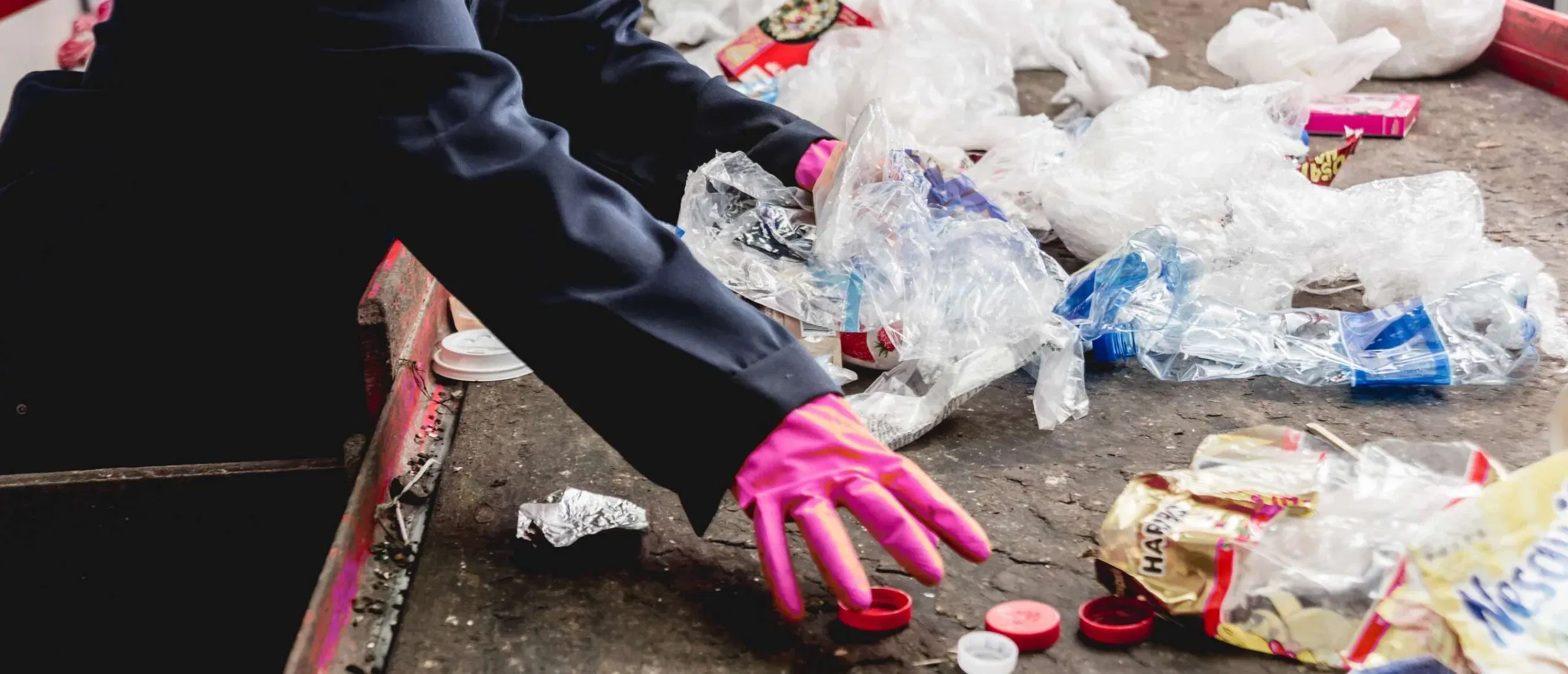
When you use recycled plastic sheets in Australia, you are directly responsible for diverting post-consumer and industrial waste from local landfills.
Sourcing from Australian Waste Streams
Unlike some "recycled" imports that use virgin-grade plastic disguised as recycled content, Australian-made materials like our rHDPE panels are traceable back to the source.
- Post-Consumer Waste: Milk bottles, detergent containers, and soft plastics collected from Australian kerbsides.
- Industrial Waste: Pallets, crates, and manufacturing offcuts that would otherwise be buried.
By choosing local, you ensure that the "recycled" claim is authentic and that you are contributing to the cleanup of our own environment, not just adding to a global carbon problem.

3. Slashing Embodied Carbon: The Carbon Win
As of 2026, integrating embodied carbon reporting is mandatory for most large-scale Australian projects. One of the biggest "low-hanging fruits" for carbon reduction is transport emissions.
Local vs. Global Transport
Consider the journey of a standard construction panel:
- The Imported Route: Raw materials extracted in Country A -> Shipped to Country B for processing -> Shipped to Country C for manufacturing -> Shipped to Australia (via several ports) -> Trucked to site.
- The Local Route: Waste collected in NSW -> Processed in NSW -> Manufactured in NSW -> Delivered to your site.
The reduction in "food miles" for materials is staggering. By eliminating the heavy bunker fuel emissions associated with international shipping, the carbon footprint of your project drops significantly before the first brick is even laid.
"If every Australian household spent just $10 extra per week on Australian Made products, it would inject $4.8 billion into the economy and create nearly 10,000 jobs. In the construction sector, that impact is multiplied by a factor of ten."
Quality Standards and Local Traceability
One major hurdle with imported sustainable building materials is traceability. Can you be 100% sure that the "recycled" timber or plastic actually meets Australian safety and environmental standards?
In 2026, the risks of "greenwashing" are too high. To successfully win government tenders, you need verified data. This is why local traceability is non-negotiable.
The Local Advantage:
- Australian Standards: Products are designed to withstand our unique UV levels and harsh coastal environments.
- Product-Specific EPDs: Locally made products often come with Environmental Product Declarations (EPDs) that are relevant to the Australian context, making Green Star audits much smoother.
- Accountability: If there’s an issue, the manufacturer isn't on a different continent. They are a phone call away.
Comparing the Options: Why Local Recycled Plastic Wins
When choosing between sustainable building materials in Australia, the choice often boils down to performance vs. origin. Here is how local recycled plastic stacks up against common alternatives in 2026.
| Feature | Local Recycled Plastic (rHDPE) | Imported Timber / Plywood | Recycled Concrete |
|---|---|---|---|
| Origin | 100% Australian Waste | Often Global Sourcing | Local |
| Maintenance | Zero (Rot-Proof) | High (Requires Sealing) | Low |
| Traceability | High (Direct Factory Access) | Low to Medium | High |
| Carbon Footprint | Very Low (No Shipping) | Medium (High Transport) | Medium (High Energy) |
| End of Life | 100% Recyclable again | Landfill / Incineration | Downcycled to Road Base |
For coastal builders, switching from timber to rHDPE is a no-brainer. You can read more about why coastal projects are ditching timber to save on 10-year total cost of ownership.
Meeting 2026 Government Mandates
If you are bidding for state or federal infrastructure projects, you’ve likely noticed the new Local Content Requirements. Governments are no longer just looking for the lowest price; they are looking for Social Value.
By using Resourceful Living’s 100% recycled Australian plastic sheets, you are providing:
- Proof of Local Spend: Helping you meet procurement targets.
- Circular Economy Evidence: Showing exactly how you are valuing site waste.
- Supply Chain Security: Demonstrating that your project won't be derailed by international shipping strikes or fuel surcharges.

How to Implement "Local First" in Your Next Project
Shifting to Australian-made sustainable materials doesn't have to be complicated. Here’s a quick checklist for your procurement team:
- ✅ Demand Traceability: Ask your supplier for the postcode of where the raw waste was collected.
- ✅ Check for the Logo: Look for the official "Australian Made and Owned" certification.
- ✅ Evaluate Whole-of-Life Cost: Don't just look at the upfront price. Factor in the cost savings of durability and zero maintenance.
- ✅ Review Embodied Carbon: Calculate the transport emissions saved by choosing a local manufacturer over an overseas one.
The Verdict
Supporting local isn't just a "feel-good" exercise in 2026. It is a robust business strategy that protects your margins, secures your supply chain, and ensures your projects meet the highest environmental standards.
When we clean up Australian waste, employ Australian workers, and build Australian infrastructure, everybody wins.
Ready to specify 100% Australian-made recycled materials for your next project?
Explore our range of durable, traceable recycled plastic sheets and see how we can help you meet your 2026 sustainability targets today.